
Amazon lives up to its name, and to be visible to consumers in that vast realm, you need to manage and organize your products artistically.
Think of Amazon as a massive online mall. We get it. We’re experts in Amazon listing services, and we know navigating the platform can be a challenge. But with the right approach to catalog management, you can take control of your virtual storefront and make your products shine on Amazon.
Are you planning to launch a new product, any of your child’s products are not ranking as its parent product, have a stock of specific colors of your product, facing challenges in managing the inventory as per the demand (color or model), or anything similar to these concerns?
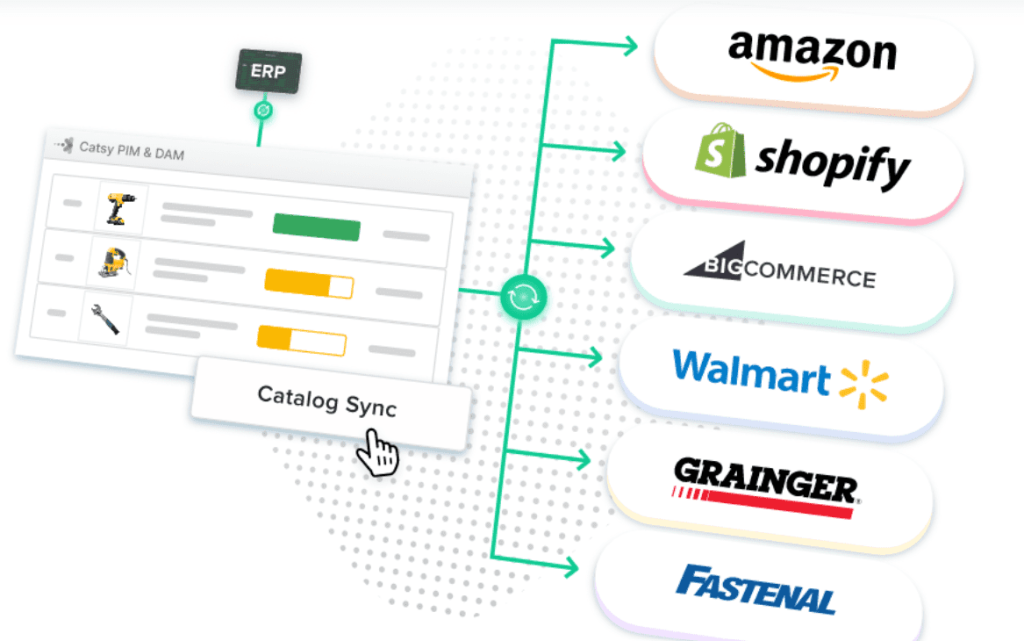
My friend, you are about to dive into the world of Amazon catalog management and know exactly how and why you should have a catalog management system.
Catalog management definitely helps you to organize your products be it in-store or on ecommerce platform, but it is not only about organizing the products.
As I have been exploring the industry and the diverse strategies from the seller’s perspective, have shortlisted a few secrets that catalog management by default works in your favor.
Catalog management helps you with making your new or not-so-popular product align with your hero products and hence have more conversions for them.
This article will show you how Amazon catalog management service can help you stand and be visible to the customers looking not for your product but you end up attracting them and on-board them on your customer list.
Get ready to learn how to make your products shine!
Is catalog management an Amazon concept or an e-commerce need?
Catalog management is an e-commerce need, not specific to Amazon. Product organization is important for online marketplaces. It helps customers find what they need easily, just like a well-organized store. This creates clear and consistent product information on platforms like Amazon, Etsy, and eBay.
This builds trust with potential buyers and increases sales. While the core concept remains the same, each marketplace might have specific functionalities you’ll need to understand to make your brand shine online.
What is catalog management in Amazon?
On Amazon, catalog management is about organizing and presenting products for buyers. It’s like setting up a shop window to showcase items well. This involves creating clear categories, writing detailed descriptions, and using relevant keywords to help shoppers find products easily. It also includes creating accurate listings for each item in inventory.
Is catalog management a new concept?
No, catalog management is not a new concept. This concept has existed for many years and has been used even in the era of only offline stores. The e-commerce industry, like other aspects of business strategies, has incorporated tech-based catalog management tools but the concept is from the traditional business practices.
What is amazon catalog used for?
Amazon Catalog is used and should be used by sellers for the following reasons:.
- High Visibility
Just like putting your favorite product at eye level in a store, good catalog management makes your items show up higher in searches.
More views mean more sales!
- Keep Things Consistent
Do you get confused if a shirt comes in different sizes with different descriptions? Neither do shoppers! Catalog management ensures all your product variations (sizes, colors, etc.) have the same clear information.
- Happy Shoppers, Happy Business
Clear descriptions, great pictures, and easy-to-find info make customers feel good about buying from you. This leads to more sales and keeps customers coming back.
- No More Out-of-Stock Drama
Nobody likes finding out what they want is sold out. Catalog management helps you track how much stock you have, so you don’t accidentally oversell and disappoint customers.
- Stay on Top of Trends
The online world changes fast! Catalog management lets you update your listings quickly, so you can offer new products and keep up with what people are looking for.

In short, good catalog management is like having a super organized and helpful salesperson working for you on Amazon.
It makes your products easy to find, builds trust with shoppers, and helps you sell more stuff!
Knowing the Importance is Important
Why is it important to manage the Amazon catalog?
Managing your Amazon catalog is important for two main reasons: Preventing customer confusion Showcasing the unique value of each product An unmanaged catalog can feel like a giant warehouse with no labels or organization.
Catalog management helps customers find what they need easily, reducing frustration and increasing sales. Secondly, a well-managed catalog allows you to highlight the specific features and benefits of each item.
This lets your products stand out from the crowd and gives potential buyers a clear understanding of why they should choose yours. By effectively showcasing your products’ unique value proposition, you can increase conversions and boost your sales.
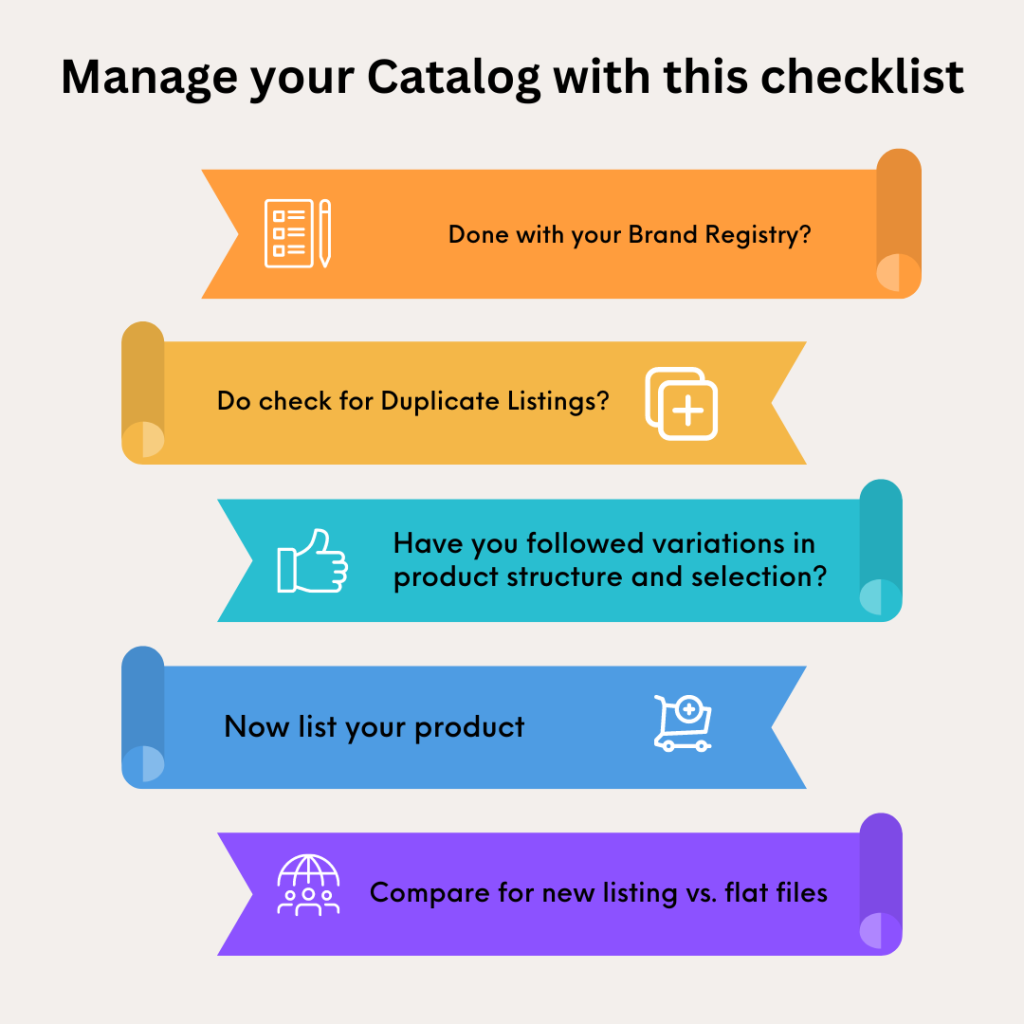
Catalog management is an umbrella of scenarios, tick yours and go Green on sales
Let’s consider four specific scenarios which almost every seller is aware of, but doesn’t know how to manage it productively and gain more visibility and sales through it.
Scenario 1: Let the Parent’s ASIN speak for the child’s ASIN
Suppose you sell water bottles on Amazon (the parent ASIN) and they’re flying off the shelves!
But for some reason, the yellow and grey ones (child ASINs) are just sitting there.
Here’s where a good catalog management system comes in. It’s like a super-organizer for your online store.
With this system, when someone searches for “water bottles” (the parent ASIN), it will automatically suggest the yellow and grey ones (child ASINs) too!
It might even show some cool pictures and details from the popular water bottle listing to make those yellow and grey ones look extra tempting. This way, you have a better chance of those low-selling colors getting noticed and snatched up by customers.
Scenario 2: Link the Parent ASIN with the new child ASIN
Let’s say you just launched a brand new phone case (the child ASIN).
It’s an awesome product, but it needs some love from shoppers to get noticed.
Here’s where catalog management comes to the rescue!
Now, consider you have a super popular phone case design (the parent ASIN) that everyone loves and has tons of great reviews. With a smart catalog management system, you can link the new design (child ASIN) to the popular one. This way, when people look at the popular case, they’ll also see your new design alongside it.
Plus, some of those fantastic reviews from the popular case might even show up for your new one!
This connection helps build trust and gets people curious about your new product, making it more likely they’ll give it a try.
Scenario 3: Unique approach for a child ASIN as a Parent ASIN
Imagine your product to be a travel mug, it isn’t getting the love it deserves.
You’ve tried everything, but sales are still sluggish. Here’s where creating a new parent ASIN for your mug can be a game-changer.
Approach it in a different way, instead of having your mug buried in a sea of similar products, you give it a fresh start with a brand new “listing” (parent ASIN). This makes your mug appear “new” to Amazon’s search engine, potentially boosting its visibility for relevant keywords people are searching for. With more eyes on your mug, the chances of someone buying it go way up!
Note: This strategy works best if your mug is truly unique and different from your existing listings. Don’t just create a new ASIN for the same mug with a slightly different description. Make sure it stands out on its own!
Scenario 4: Take the risk and make your customers happy
Ever get stuck with a pile of unpopular colors in your inventory?
Catalog management can be your hero in this situation. With smart inventory management tools, you can identify slow-selling colors and adjust your product listings to make them more appealing. This might involve:
- Highlighting the remaining colors
Showcase the leftover colors with attractive product photos and descriptions.
- Suggesting alternatives
When a customer orders a color that’s out of stock, the system can automatically recommend similar colors they might like.
This way, you can turn a potential lost sale into a happy customer with a new, unexpected favorite color!
Catalog management helps you minimize returns and maximize sales, even for those slow-moving products.
Managing is a latter task, the former is building the catalog
Knowing, how to manage a catalog on Amazon, is a basic requirement for every seller with a vision to be a strong and big Amazon seller.
While mastering catalog management takes practice, there’s a roadmap to building a well-organized Amazon product catalog management service.
Here’s what you need to know:
- Craft Compelling Listings
This is the groundwork!
Optimized listings include everything a customer needs to make a decision: detailed descriptions, high-quality photos, clear titles with relevant keywords, and highlighted features.
- Organize Like a Pro
Inventory management is key.
This means categorizing your products, making them searchable, and actively tracking stock levels. Happy customers find what they need, and you avoid stockouts. You have a new platform, that helps you with proper and accurate Amazon SEO, which could be your next stop for upgrading your product on Amazon.
Ever experienced the sinking feeling of seeing “Out of Stock” on a product you wanted to buy on Amazon? It’s a frustration shared by both customers and sellers. Not only does it leave shoppers disappointed, but it also deals a blow to your product’s ranking on Amazon. According to the Amazon 2025 December updates, inventory availability and fulfillment consistency now play an even bigger role in maintaining rankings.
Here’s where catalog management software becomes your hero. Providing real-time inventory insights, empowers you to stay ahead of stockouts. Imagine this software acting like a crystal ball, helping you predict demand fluctuations and adjust stock levels accordingly. This ensures your product listings are always accurate and avoid the dreaded “Out of Stock” message.
With consistent availability, you not only keep customers happy but also signal to Amazon’s A9 algorithm that your product is reliable and deserves a higher search ranking. Catalog management software becomes your secret weapon in the battle for Amazon visibility.
- Keep Your Eye on the Prize
Your job goes beyond making sales.
Regularly monitor your total sales, customer reviews, and product ranking. This helps you understand what works and what doesn’t.
- Maintaining Your Masterpiece: Keeping Your Catalog Up-to-Date
Here are some strategies to ensure your catalog management is effective, leading to happy customers and increased sales:
- Regular Updates are Key
Keep your catalog fresh!
Regularly add new products and remove unavailable or discontinued ones. Update product names and descriptions to stay relevant.
- Accuracy is Essential
Consider a catalog management service.
These experts ensure your product data is accurate, preventing incorrect information displayed to shoppers. Remember to reflect any product changes to avoid mistakes.
- Optimization Never Sleeps
Remember, optimization is a constant process.
Your business grows, Amazon updates policies, and new competition emerges. Maintaining a well-managed and optimized catalog helps you navigate these challenges and stay ahead of the curve.
u003cstrongu003eI am a Brand on Amazon, why do I need catalog management? u003c/strongu003e
Amazon launched a special tool in 2021 called Brand Catalog Manager. It’s different from regular catalog management because it’s designed specifically for sellers who own their own brands. Only sellers who are registered with Amazon Brands can use this tool.Here’s how to access it:Login to your Seller Central account on AmazonClick on the u0022Brandsu0022 tabSelect u0022Brand Catalog Manageru0022Set up your product catalogThe Brand Catalog Manager on Amazon gives you special abilities to track everything related to your brand. You can see who is selling your products, read customer reviews, and identify sales opportunities. You can also access important information like retail offer, brand offer, u003ca href=u0022https://amzprep.com/amazon-buy-box-eligibility/u0022 data-type=u0022linku0022 data-id=u0022https://amzprep.com/amazon-buy-box-eligibility/u0022u003ebuy box u003c/au003estatus, number of sellers, customer ratings, and sales potential. Additionally, you can use this tool to add or update your listings directly.
Benefits are numerous, be careful with the loopholes
Managing a catalog on Amazon is important for success, but it comes with obstacles for sellers. Overcoming these challenges requires careful attention, planning, and understanding of e-commerce. Let’s look at common difficulties sellers face and how to tackle them.
- Adapting to Marketplace Variations
Selling on Amazon in different countries can be challenging. Each location has its own preferences and customer habits. To succeed, you need to customize your product listings for each marketplace, considering local trends and languages. This will make your products more visible and demonstrate that you value your customers’ needs.
- Building Customer Trust
Building trust on Amazon is key.
Customers rely on accurate info and reviews to buy. Mistakes in your listings, like wrong details or misleading pictures, can scare them away.
To win their trust, be honest and upfront about your products. Use clear descriptions, and high-quality images, and encourage real customer reviews. If you need help, consider professional Amazon listing services to make sure your products shine.
- Managing Return Rates
Messy Amazon listings lead to unhappy customers!
Inaccurate descriptions or improper pictures can cause returns, hurting your sales and profits.
Fight back with clear details, high-quality photos, and accurate sizing info. Be upfront about everything so customers know exactly what they’re getting. This keeps them happy and your business afloat! Offering high-quality layflat photo books can also elevate your product presentation and give customers a premium, detailed view of your offerings.
- Catering to Diverse Audiences
Don’t miss out on sales!
Shoppers everywhere have different tastes. A hot item in one country might flop in another due to culture or seasons.
To win, target your audience. Split your catalog by customer group and offer products they’ll love. This keeps everyone happy and your profits growing!
- Optimizing Product Visibility
Want your products to shine on Amazon? Tags are key!
Pick the right keywords to help shoppers find your stuff. Do your research, use relevant words naturally, and avoid stuffing. Regularly update your tags to stay on top. Feeling lost? Consider Amazon listing services for a helping hand!
Don’t stop there! Catalog management is an ongoing journey. A Product Information Management (PIM) system can be your best friend here. As your business grows, so will your catalog. Amazon’s rules change, and new competitors emerge all the time. Staying on top of your listings and keeping them optimized is key to staying ahead of the curve and thriving on Amazon.
Strategies to revamp your Amazon Catalog
- Find the Perfect Keywords for Your Amazon Catalog
Choosing the right keywords is crucial for getting your products noticed on Amazon. Keywords can evolve over time, so it’s important to keep an eye on your competitors and use Amazon’s autocomplete tool to find new trending terms. Remember to use relevant and popular keywords to attract more shoppers to your products.
- Craft Titles That Sell on Your Amazon Catalog
Crafting catchy titles for your Amazon catalog is crucial. With only 60-80 characters to grab a shopper’s attention, you need to think like your customer. What keywords would they use to search for your product? Prioritize details that matter most to them.
For instance, a phone title might focus on brand, model, storage, camera quality, and battery life after mentioning the brand name. For clothes, highlight the material, color, fit, and size. Don’t forget unique selling points (USPs) like “wrinkle-free” or “one-size-fits-all” if your product has them.
Here are some additional tips to keep your titles Amazon-friendly:
- Use numbers instead of spelling them out (e.g., “2” instead of “two”).
- Capitalize the first letter of most words, but skip prepositions, conjunctions, and articles (like “the,” “a,” or “an”).
- Standard punctuation like hyphens, commas, ampersands, and periods are all okay.
- Abbreviate measurements when appropriate (cm, oz, in, kg).
- Avoid including your merchant name in the title.
- Go beyond Features and craft descriptions that Focus on Buyer Benefits
Instead of just listing features (like “long-lasting battery”), explain how those features improve the customer’s life (like “work all day without running out of power”). Research what people value most about similar products online – user blogs, social media, and review sites are all good places to look.

Use bullet points to make your descriptions easy to scan and understand, especially for complex products. Don’t forget to include technical details like materials, care instructions, warranty info, and where it’s made. This helps your product show up in filtered searches, but keep the focus on the benefits that will convince customers to choose yours!
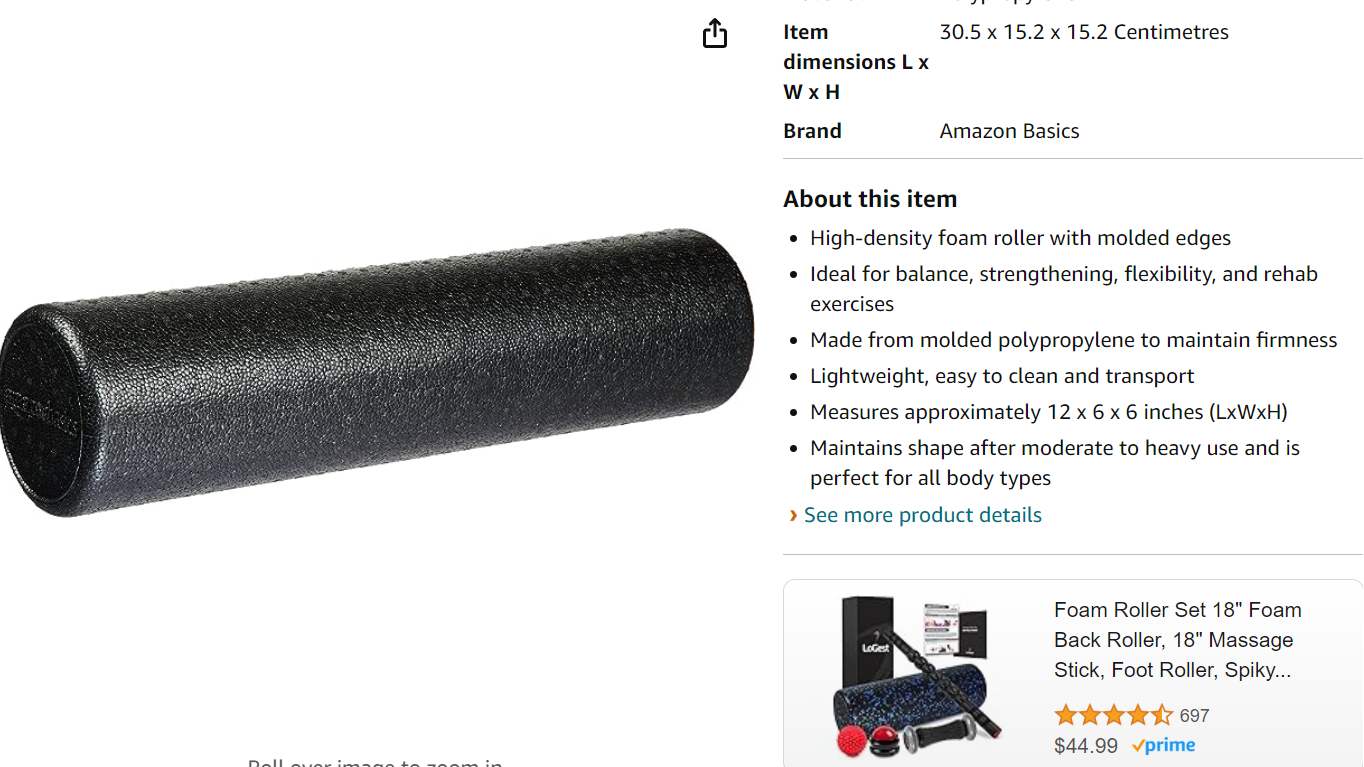
Show, Don’t Tell: Use Compelling Images to Captivate Your Amazon Audience
High-quality images are key to grabbing your customers’ attention on Amazon. While a clean white background makes your product pop, showcasing it in action can be even more convincing. Think lifestyle photos that show how your product fits into daily life. This helps customers understand the size and avoid frustrating returns. Instant background remover tools can simplify the process of creating clean, professional images for your listings
While Amazon recommends at least 1280 pixels for the long edge of your images, even higher resolution is ideal. Consider using ultra HD dimensions (2560 pixels) and even 3D renderings to create a truly immersive browsing experience. Remember to optimize your images for both desktop and mobile devices, as many customers shop on their phones!
- Let the Reviews Do the Talking
Don’t let fake reviews turn customers away!
Build trust with genuine feedback from real people. Ask verified Amazon shoppers to leave reviews about your products. This shows potential customers that your product is high-quality and you’re a reliable seller.
You can also encourage reviews from other online channels to boost engagement. Responding promptly to both positive and negative reviews is key.
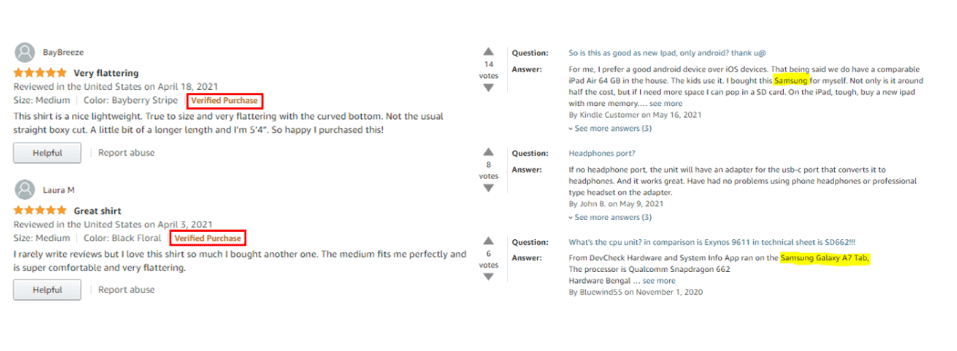
Breathe New Life into Old Stock: How Bundling Can Revive Underperforming Products
Stuck with slow-selling items on Amazon? Product bundling can be your hero! This strategy involves grouping complementary products together and offering them as a discounted package.
Think of it like a pre-made gift set – a t-shirt and pants combo, a flashlight with batteries, you get the idea. Customers love the convenience and value of these bundles, and Amazon even highlights them as “frequently bought together” suggestions.
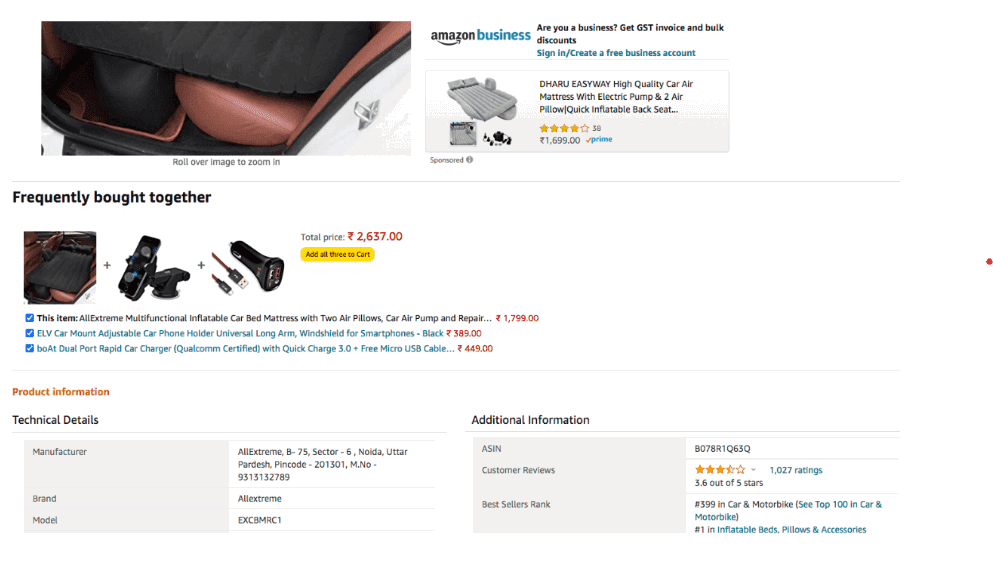
Keep in mind that Amazon has some bundling rules – you can only list a bundle in one product category, and you can’t change the bundle contents after it’s created.
Selling on Amazon is like running a shop in a giant, busy marketplace. There are lots of rules to follow, and things change quickly. If you don’t keep up, it can hurt your sales. For sellers who want to stay successful on Amazon, it’s important to constantly improve and manage their product catalog and follow Amazon’s latest guidelines. This will help you get your products seen by more shoppers and make more money.
Mistakes to avoid on Amazon Catalog Management
Keeping track of your Amazon catalog can be a lot to handle, and mistakes can happen.
But watch out!
These errors can hurt all the effort you put in.
Here are some of the biggest mistakes sellers make when managing their catalogs:
- Volating Amazon regulations leads to suppressed Listings
Ever published a product listing on Amazon, only to have it mysteriously vanish?
You might be a victim of listing suppression.
Hijackers
Fake it ’til they make you deactivate it!
Counterfeit products can steal your listing. Fight back with a well-documented infringement report to Amazon Seller Support.
Image Infractions
Blurry photos or those with distracting text?
Amazon has image quality standards. Capture clear, professional-looking product shots to avoid suppression.
Category Chaos
Lost in the Amazon maze?
An uncategorized listing is a recipe for suppression. Make sure your product is placed in the right category for easy discovery.
Info Inaccuracy
Confusing descriptions or wrong details can get your listing flagged. Double-check all product information for accuracy and completeness.
Description Deficiencies
Don’t leave shoppers guessing!
Thin descriptions lacking key details might get suppressed. Craft informative descriptions that highlight your product’s features and benefits.
Title Trouble
Long-winded titles exceeding character limits get cut off leading to suppression. Keep your titles concise and keyword-rich for optimal visibility.
Duplicate Disasters
Two listings for the price of none?
Duplicate listings can confuse both Amazon and shoppers, leading to suppression. Ensure you haven’t accidentally created a copycat listing.
Restricted Regret
Not everything is for sale on Amazon. Certain products like alcohol or animal-related items have restrictions. Selling prohibited items is a surefire way to get suppressed.
- Rushing Your Amazon Uploads Can Backfire
Listing products on Amazon can be time-consuming, so it’s tempting to rush through it.
But be careful!
Skipping over details can lead to incomplete, messy, or even wrong information in your listings. This can hurt your sales in two ways: customers might not find your products because of bad info, and those who do buy might be unhappy if the product isn’t what they expected.
Take your time uploading products and double-check everything before hitting submit. Using special Amazon listing software can also help you avoid mistakes.
- Proper Naming Conventions Matter on Amazon
Selling on different online stores can be tricky. Each store has its own way of doing things, and if you mix them up, your product names might be all wrong for Amazon.
For example, imagine using a naming style that works for Walmart on your Amazon listings. It might not give shoppers the details they need to decide if they want to buy your product. Even worse, it could hide your product from searches, so fewer people will see it.
- Picking the Wrong Product Tags Can Hurt Your Sales
On Amazon, product tags are like secret codes that help people find your stuff. These tags can include things like tracking info, where your products are stored in the warehouse (if you use FBA), unique product codes (SKUs), and important details about your product.
Getting these tags wrong could be a disaster.
First, it can slow down your whole operation – imagine your products getting lost in the warehouse because of a wrong tag!
Second, it can confuse customers. If the tags are messed up, your products might not show up when people search for what they need.
Even worse, they might show up in searches for totally different things! This means lost sales for you and more business for your competitors.
- Avoiding Product Duplication on Amazon
Trying to be everything to everyone can backfire on Amazon.
For instance, imagine you sell both men’s and women’s blue jeans. If your listings are vague and don’t highlight the differences, shoppers might not realize you have options for different people. They’ll just look elsewhere!
To maximize sales, make sure your product descriptions are clear and specific. Use language that speaks directly to your target audience (men or women) and explains exactly what your product is and how it can be used.
Best tips and tricks on Amazon Catalog management
Here are some best tips and tricks to optimize your Amazon catalog management and boost your sales.
Make Your Products Shine
- High-Quality Images
Clear pictures are key!
63% of customers prefer them over descriptions!
Show your product from different angles, including size reference
- Consider Infographics
Explain complex products (fans, air conditioners) with easy-to-understand visuals highlighting features.
Write Clear & Concise Descriptions
- Accurate Details
Avoid misleading claims. Be honest and informative.
- Keyword-Rich Titles
Help customers find your products easily by including relevant keywords. Keep it concise!
Boost Your Brand Presence
- A+ Cataloguing
Registered trademark holders can create a branded store, like a mini-website showcasing your products on Amazon.
Increase Visibility with Sponsored Products
- New Listings Get a Boost
Sponsored Products helps new listings get noticed on search pages (especially important for new SKUs/ASINs).
- Target Your Audience
Choose automatic or manual targeting to reach the right customers with relevant keywords.
- Brand Registered
Unlock Brand Advertising to drive traffic to your brand store, showcasing your entire product range.
Check the one you feel needs to be worked on and enhance your catalog.
Final Thoughts
Taking care of your Amazon catalog is essential for success. Think of it like having a clean and inviting storefront.
It’s all about making your product listings as good as they can be, so more shoppers find them and buy your stuff. This can lead to better sales and more money for you.
By combining clear descriptions with eye-catching visuals and a consistent brand presence, you can do more than just make your products stand out.
You can create a unique shopping experience that draws customers in, fosters curiosity, and empowers them to make informed decisions. This translates to not just increased visibility but also a loyal customer base that thrives on the engaging experience you’ve crafted.
If managing your catalog feels overwhelming, you must hire a service to help. These experts optimize your listings, keep track of your stock, and even monitor how your business is doing. This frees you up to focus on other parts of your business, knowing your products are being presented perfectly on Amazon.

Blair Forrest is the Founder of AMZ Prep, one of North America’s fastest-growing third-party logistics and fulfillment networks, built entirely without outside capital since 2016. Under his leadership, AMZ Prep has scaled to 50+ fulfillment centers across 6 countries, processing over 10 million plus units monthly and powering $2 billion+ in annual GMV for more than 5,000 brands worldwide including 437, Silverts, Saltyface, Unilever, Duracell, and JBL. A recognized authority in eCommerce logistics, Amazon FBA strategy, and supply chain optimization, Blair has helped thousands of sellers and brands master their fulfillment operations from first shipment to enterprise scale. He regularly consults on FBA prep, multi-channel fulfillment, last mile delivery, international expansion, and cost reduction strategies that save brands 20–40% compared to traditional 3PL providers. Blair’s insights on Amazon logistics, 3PL operations, and eCommerce growth are widely cited across the industry. Through AMZ Prep’s content, guides, and resources, he continues to share battle-tested strategies drawn from managing one of the largest independently owned fulfillment networks in North America.

















Such an insightful article. You covered such minor and major details on Catalog management, that is commendable. Keep posting!
Catalog Management has such close impact on our business was never realised until I read this. Thank you for such a thoughtful writing!
Like your writing style! Simple yet informative.