

Walmart is Amazon’s biggest competitor. It reported $713.2 billion in revenue for the fiscal year ending January 2026. Amazon’s 2025 net sales were $716.9 billion.
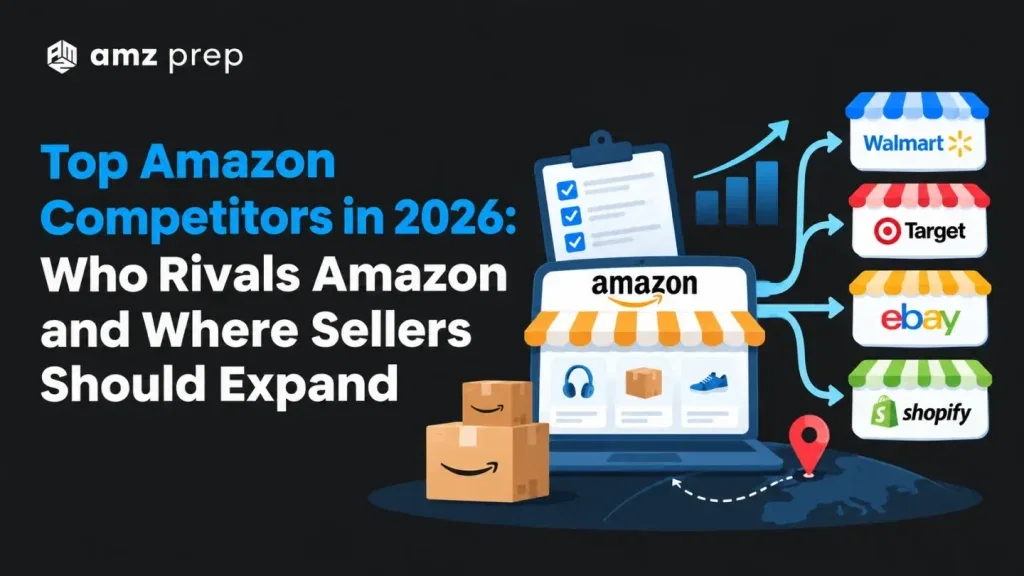
Online, the two will take just over half of US retail ecommerce in 2026, per eMarketer. The rest is split among fast-moving challengers.
Alibaba and JD.com lead China. Temu, Shein and TikTok Shop are pulling US shoppers. eBay, Etsy and Shopify each win a specific kind of seller, while Mercado Libre, Flipkart and Shopee own their regions.
I run marketing at AMZ Prep. We move inventory for 5,000+ brands across Amazon, Walmart, TikTok Shop and Shopify. This guide covers how big each rival really is, and which ones deserve a seller’s time.
Note: AMZ Prep isn’t an Amazon competitor. We’re the fulfillment side that lets a brand sell on Amazon and every platform below from one inventory pool.
Amazon vs Its Biggest Competitors by Revenue
| Company | Latest annual figure | Period | Where it competes |
|---|---|---|---|
| Amazon | $716.9B net sales | 2025 | Retail, marketplace, cloud, ads |
| Walmart | $713.2B revenue | FY ending Jan 2026 | Stores, grocery, marketplace |
| Alibaba Group | $148.4B revenue | FY ending Mar 2026 | China, cross-border, cloud |
| TikTok Shop (US) | $15.1B GMV | 2025 | Social commerce |
| eBay | 11.1Brevenue(79.6B GMV) | 2025 | Resale, collectibles |
Revenue and marketplace size aren’t the same thing. Walmart’s number includes thousands of stores. eBay reports GMV separately because it rarely holds inventory.
Still, the table makes one point clearly. Only Walmart operates at Amazon’s scale in the US, and its ecommerce business alone passed $150 billion last year.
Quick Comparison: Amazon Competitors at a Glance
Before we go deep on each platform, here is the overview. This table covers the major competitors across all regions so you can quickly identify which platforms align with your business goals.
| Platform | Region | Seller access | Commission model | Best for |
|---|---|---|---|---|
| Walmart Marketplace | US, Canada | Application | Referral fee, mostly 6% to 15%, no monthly fee | Established brands, everyday goods |
| eBay | Global | Open | Final value fee by category | Used, refurbished, collectibles |
| TikTok Shop | US, UK, SEA, parts of EU | Open, with approval | Referral fee per order | Beauty, impulse-priced products |
| Shopify | Global | Open | Plan from $29/mo (annual) plus payment fees | DTC brands |
| Temu | Global | US local-seller program | Priced within Temu’s limits | Low-price general merchandise |
| Target Plus | US | Invite only | Negotiated | Home, baby, beauty |
| Etsy | Global | Open (handmade, vintage, supplies) | Listing fee plus transaction fee | Handmade, personalized |
| Flipkart | India | Mostly India-based sellers | Category commission | Electronics, fashion |
| Mercado Libre | Latin America | Open, local presence helps | Category commission | General merchandise |
| Shopee | Southeast Asia | Cross-border program | Category commission | Fashion, beauty, electronics |
| OTTO | Germany | Application, German service | Category commission | Fashion, home |
| Zalando | Europe | Partner program | Negotiated | Fashion |
| Noon | UAE, Saudi Arabia, Egypt | Open | Category commission | Electronics, fashion |
Now let us break these down region by region with the depth you need to make informed decisions.
Amazon Competitors in the USA
The US is where Amazon is strongest, and where its rivals are spending hardest to catch up. Walmart competes on scale. TikTok Shop and Temu compete on discovery and price.
Walmart: Amazon’s Biggest Competitor
Walmart is the only US retailer that matches Amazon on size. Its global ecommerce sales passed $150 billion in fiscal 2026, with $99.6 billion from Walmart US.
The marketplace is smaller than Amazon’s, and that helps sellers. Fewer competing listings often means an easier Buy Box and cheaper ads.
Walmart’s real edge is its stores. Pickup, store-fulfilled delivery and in-store returns give shoppers options Amazon can’t copy at the same scale.
Referral fees run 6% to 15% in most categories, with no monthly subscription. Walmart Fulfillment Services works much like FBA. Check [Walmart fulfillment fees] before you commit, since storage costs add up on slow sellers.
Approval is the catch. Walmart vets sellers on track record, pricing and operations.
For most brands already on Amazon, Walmart is the first channel I’d add. The listing work transfers. The inventory planning doesn’t, and that’s where most first-year problems start.
eBay vs Amazon: Which Is Bigger
Amazon is bigger by every measure. eBay brought in $11.1 billion in 2025 revenue, while Amazon’s net sales were about 65 times larger.
Even on GMV, eBay’s $79.6 billion is a fraction of what moves through Amazon. That’s not the full story, though.
eBay had 135 million active buyers and 2.5 billion live listings at the end of 2025. Half its GMV came from outside the US. For used, refurbished and collectible goods, that reach is hard to beat.
Final value fees vary by category, and store subscriptions lower them for volume sellers. Fulfillment is the weak spot. eBay offers far less than FBA, so most sellers ship themselves or use a 3PL.
Best for: collectibles, refurbished tech, overstock and anything one-of-a-kind.
TikTok Shop: The Fastest-Growing US Rival
TikTok Shop’s US GMV reached $15.1 billion in 2025, up 68% in a year, per Momentum Works. No other Amazon competitor grew that fast at that size.
It sells differently. Shoppers find products in short videos and lives, then check out without leaving the app. Beauty and personal care lead by a wide margin.
It isn’t replacing Amazon. SmartScout found 97% of US TikTok Shop buyers also shop on Amazon, so most brands run both.
The hard part is speed. A video can take off overnight, and TikTok holds sellers to short handling times. Brands that last there keep stock close to buyers, often with a [TikTok Shop 3PL] holding a buffer they can ship from the same day.
Best for: beauty, wellness and impulse-priced products with a strong visual hook.
Target Plus: Invitation Only Premium
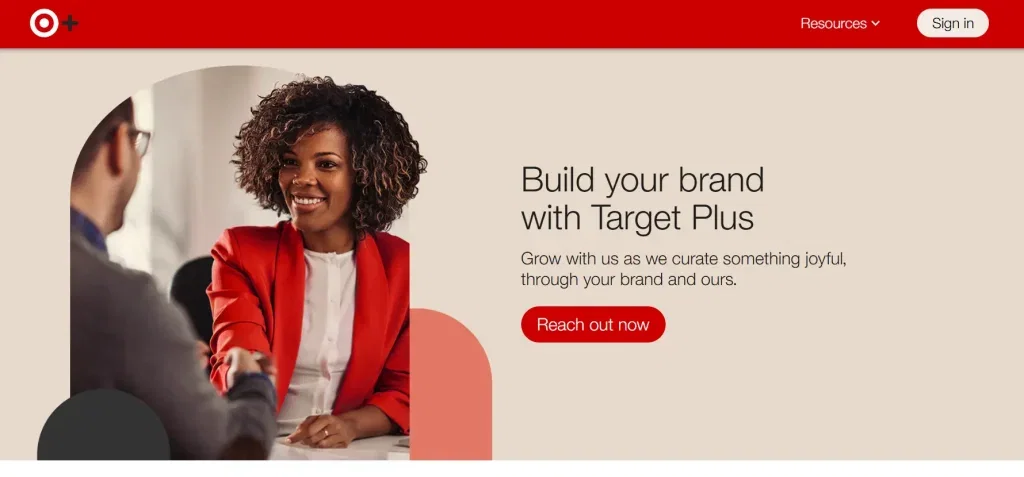
Target Plus now carries over 2 million SKUs from about 1,200 curated partners. Target has set a $5 billion GMV goal for it by 2030.
Target Plus takes a completely different approach than Walmart or Amazon. Rather than opening the floodgates to any seller, Target maintains a curated, invitation only marketplace focused on quality and brand alignment.
The Target Difference
Target Plus partners with select sellers whose products complement Target’s existing assortment and brand image. The marketplace is not about volume. It is about extending Target’s reach into categories and products that make sense for their customer base.
This selectivity benefits approved sellers significantly. Competition is limited, brand association with Target provides credibility, and the platform’s more affluent customer base supports premium pricing.
How to Get Invited
You cannot apply to Target Plus. Target’s merchandising team identifies and invites brands based on product fit, quality, and market positioning. Sellers with strong presence in their categories, positive reviews elsewhere, and products that align with Target’s aesthetic have the best chances of receiving invitations.
Fee Structure
Fees are negotiated individually with Target and vary by category and seller. Expect commission structures similar to other marketplaces, typically in the 10% to 15% range, but specifics depend on your agreement.
Who Should Pursue Target Plus
Target Plus suits established brands with strong products that align with Target’s customer base. Categories like baby products, home decor, beauty, and wellness tend to perform we
Shopify: The Competitor for the Customer
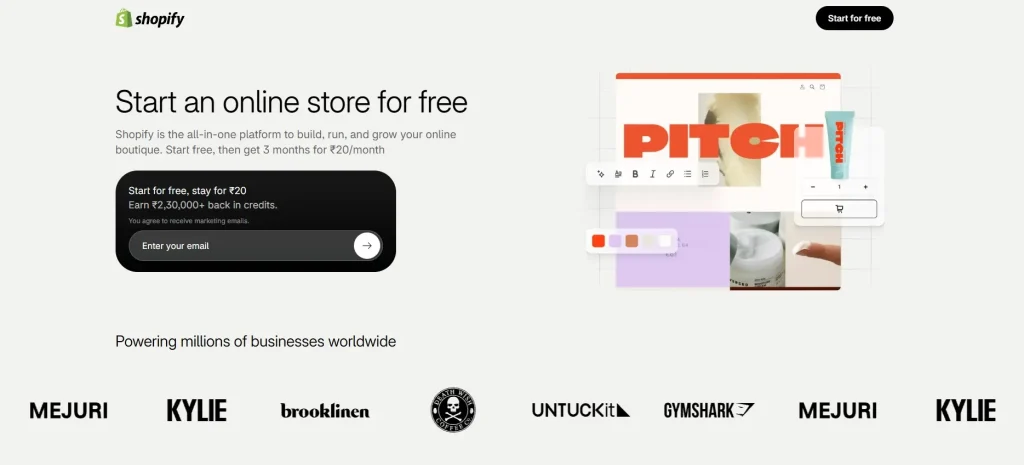
Shopify isn’t a marketplace. It’s the platform brands use to run their own store, so it competes with Amazon for the customer relationship.
On Shopify, the data stays with the brand. That means email lists, order history and repeat buyers who don’t cost a referral fee.
Basic costs $39 a month, or $29 a month billed annually. Grow and Advanced run $105 and $399 monthly.
Traffic is the trade-off. Nobody browses Shopify, so every visit comes from ads, search, social or email.
The brands we see grow fastest use both. Amazon finds new buyers. Shopify keeps them.
Keep the existing “sell on Amazon” and “Direct to consumer (DTC)” links on natural anchor text inside these paragraphs. Drop the Shopify Fulfillment Network link.
Etsy: The Creative Economy Marketplace
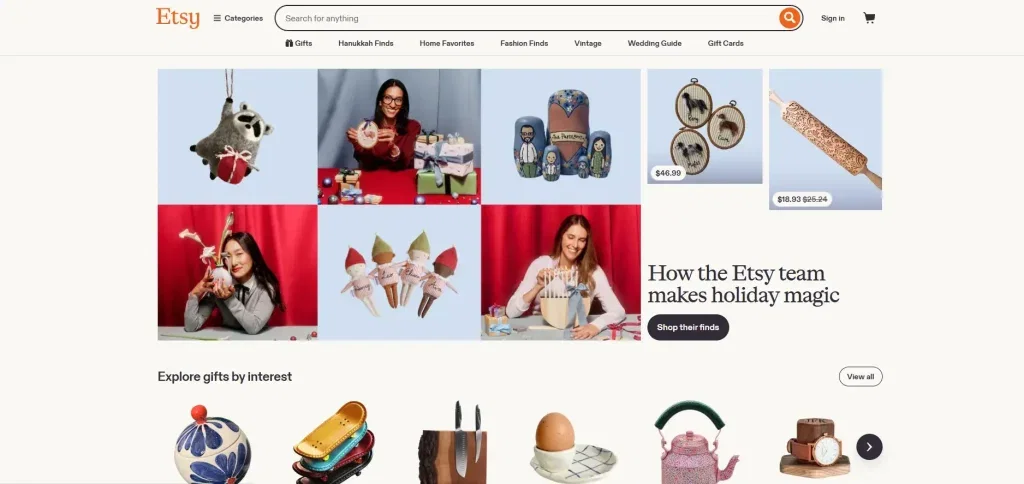
Etsy occupies a unique position in ecommerce. It is not trying to be Amazon. Instead, it has carved out a defensible niche around handmade goods, vintage items, and craft supplies that attracts buyers specifically looking for products with personality.
Etsy has around 96 million active buyers and 7.5 million active sellers. Most come for handmade, vintage or personalized goods they can’t find on mass-market sites.
What makes Etsy different is buyer intent. People browsing Etsy are not looking for the cheapest version of a commodity product. They want something unique, handcrafted, or personalized. This buyer psychology supports higher margins and reduces the race to the bottom pricing that plagues Amazon sellers.
The platform has expanded beyond its handmade roots to include digital downloads, print on demand products, and craft supplies. Some sellers have built seven figure businesses selling digital planners, SVG files, and printable art.
Best Buy Marketplace
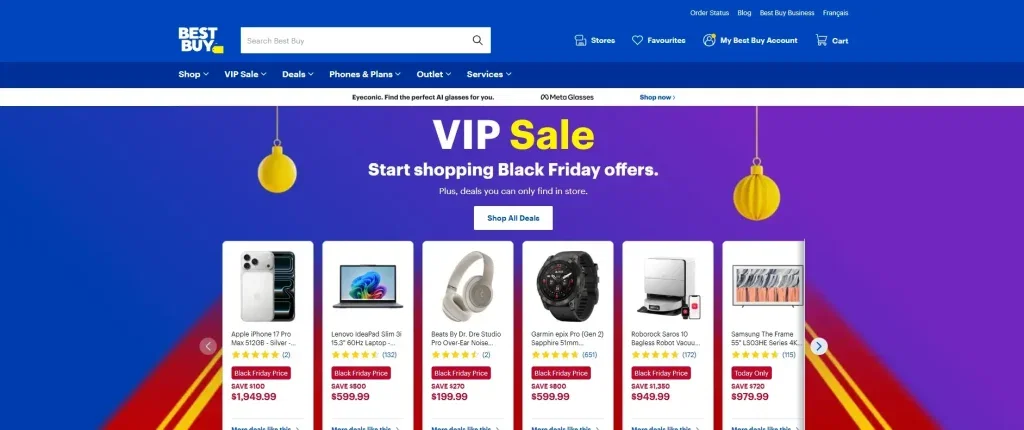
Best Buy is relaunching its third-party marketplace to widen its online range. The marketplace focuses on consumer electronics, appliances, and related accessories. With Best Buy’s reputation for electronics expertise.
Amazon Competitors in India
India represents one of the world’s most exciting ecommerce opportunities. With 969 million internet subscribers and a rapidly growing middle class, the market is projected to reach $200+ billion by 2027. Understanding the competitive landscape here is essential for any seller with global ambitions.
Flipkart: The Walmart Owned Giant
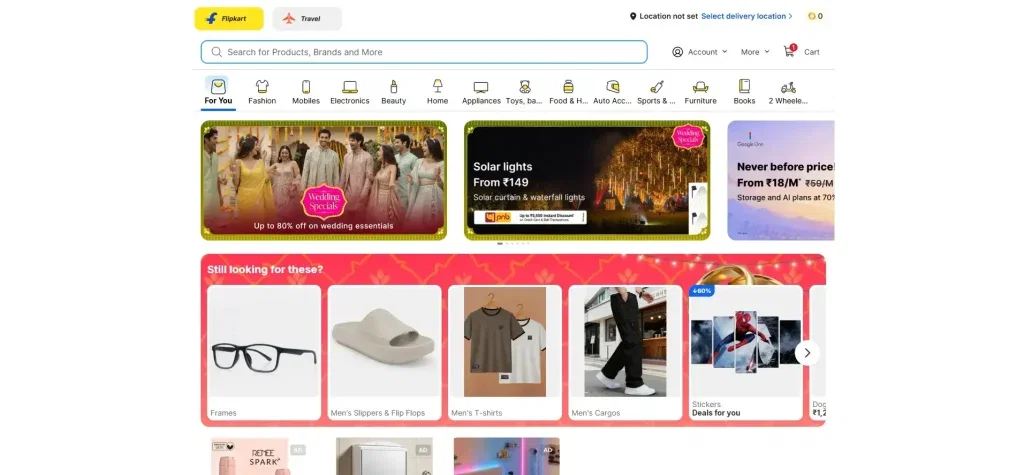
Flipkart is Amazon’s primary competitor in India and currently leads the market. Owned by Walmart since 2018 (acquired for $16 billion), Flipkart commands approximately 47% market share compared to Amazon India’s 30 to 35%.
Market Dominance
Flipkart generated ₹82,350 crore ($9.8 billion) in revenue during fiscal year 2025, processing orders from 450 million registered users with 180 million monthly active users. The platform’s strength lies in its deep understanding of Indian consumer behavior, particularly in tier 2 and tier 3 cities where internet adoption is accelerating fastest.
Electronics and fashion dominate Flipkart’s sales mix, contributing approximately 50% and 30% respectively. The platform’s annual Big Billion Days sale event has become India’s biggest shopping festival, generating over $5 billion in merchandise value during the 2024 edition alone.
The Flipkart Advantage
Flipkart has invested heavily in logistics infrastructure suited to India’s challenges. The company operates one of the largest delivery networks in the country with fulfillment centers strategically positioned to reach 95%+ of Indian pin codes. This logistics capability gives sellers access to consumers that would be nearly impossible to reach independently.
The platform also owns Myntra (fashion) and Shopsy (social commerce), creating an ecosystem that captures different consumer segments. Combined, the Flipkart Group processes more ecommerce orders than any other player in India.
Seller Fees
Commission rates on Flipkart range from 5% to 20% depending on category. Electronics tend toward the lower end while fashion and lifestyle products sit higher. Fulfillment fees apply for sellers using Flipkart’s logistics services, with rates varying by product weight and dimensions.
IPO Coming
Flipkart has been preparing for a public offering expected in late 2025 or early 2026. The company relocated its domicile from Singapore to India in 2025, a prerequisite for listing on Indian stock exchanges. Going public will bring additional capital and scrutiny to the platform.
Who Should Sell on Flipkart
Flipkart suits sellers targeting Indian consumers across most categories, with particular strength in electronics, fashion, and home goods. International sellers can access the platform through Flipkart Globa
Chinese Competitors to Amazon
Five Chinese-owned platforms compete with Amazon at real scale: Alibaba, JD.com, Temu, Shein and ByteDance’s TikTok Shop. Each one takes a different route to the same shopper.
Alibaba and AliExpress
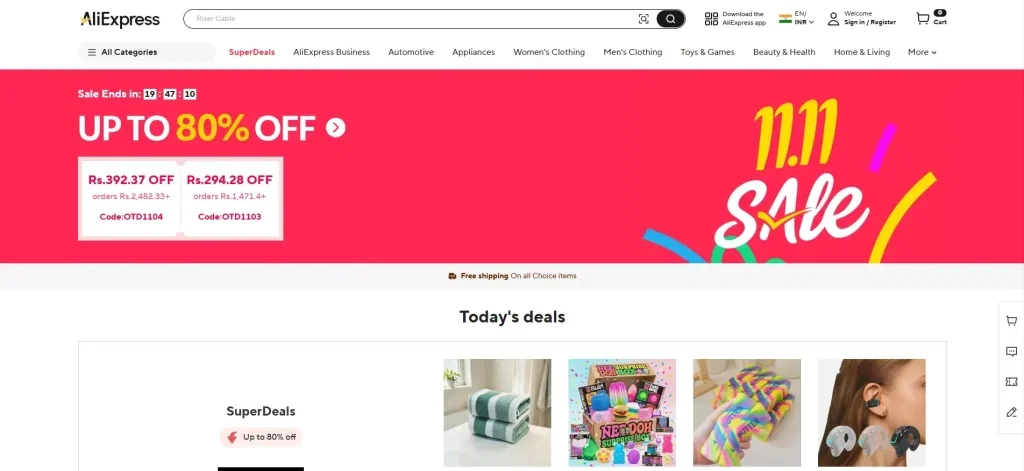
Alibaba is the largest, with $148.4 billion in revenue for the fiscal year ending March 2026. It runs Taobao and Tmall in China and AliExpress abroad.
Its international retail arm, led by AliExpress, grew 9% to about $17.1 billion. Alibaba also competes with AWS, and its cloud unit grew 34% last year.
For sellers, AliExpress mainly suits manufacturers with direct factory access. Western brands rarely list there.
JD.com
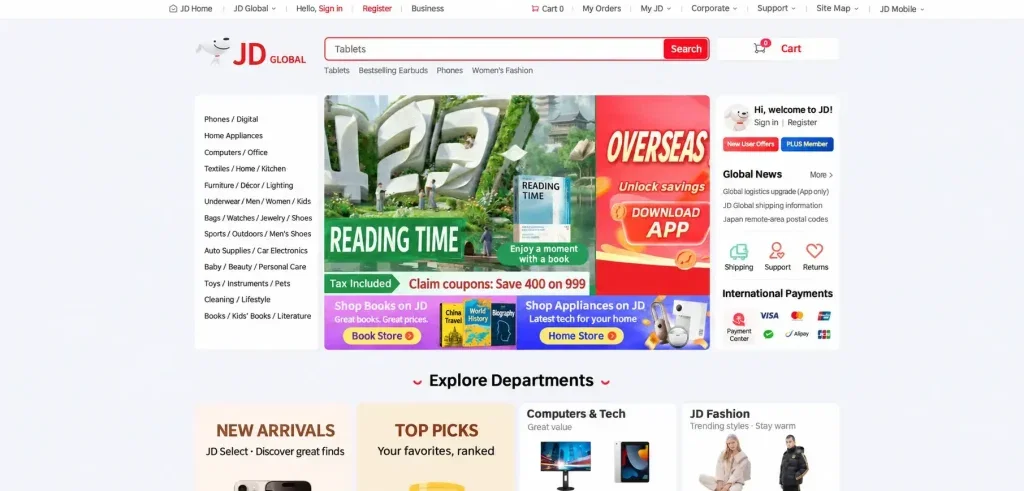
JD.com is the most Amazon-like company in China. It holds its own inventory, runs its own warehouses and delivers with its own fleet.
Amazon closed its domestic China marketplace in 2019, leaving JD and Alibaba to split the market. Western brands usually reach JD through cross-border programs.
Temu
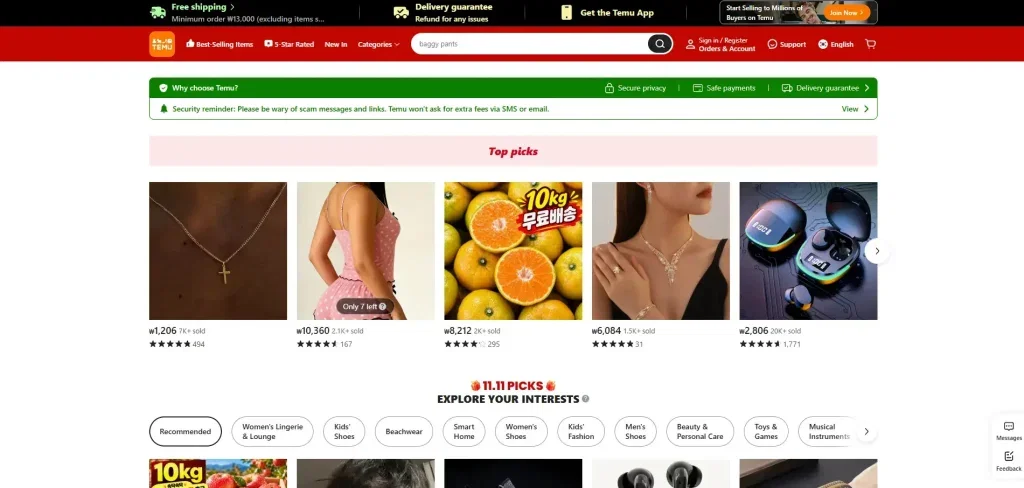
Temu, owned by PDD Holdings, grew on cheap parcels shipped straight from China. That changed in May 2025, when the US ended duty-free entry for low-value Chinese packages.
Temu moved US sales to locally based sellers shipping from US warehouses and started recruiting American sellers. That’s the opening for brands. Temu now needs domestic inventory, not just factory access. Keep the existing [where is Temu warehouse located] link here.
Margins are thin, though. Temu keeps tight control of pricing, so it works best for products built for value.
Shein
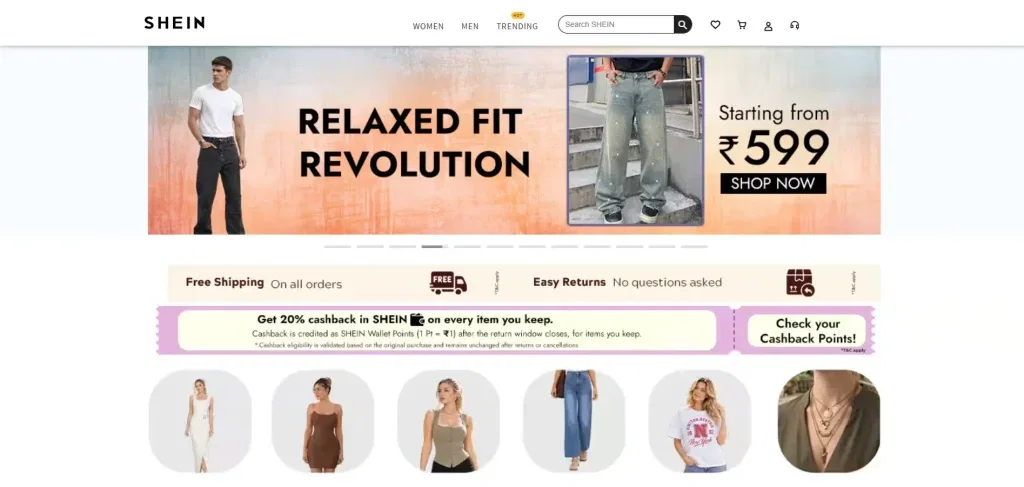
Shein has opened its marketplace to third-party sellers, with fashion at the core and home and beauty growing. Brands [looking to sell on SHEIN] can reach its very large customer base.
Brand fit decides it. Selling beside ultra-low-price fast fashion suits some brands and hurts others.
Companies Similar to Amazon
The companies most similar to Amazon combine three things: a marketplace, their own logistics and a loyalty program. Walmart is the closest match in the US.
Abroad, JD.com runs the most Amazon-like model in China. Mercado Libre pairs a marketplace with payments and delivery across Latin America. Coupang does the same in South Korea, built around very fast delivery.
The newer companies like Amazon started somewhere else. Temu, Shein and TikTok Shop grew through price, fast fashion and video, not warehouses. They’re catching up on logistics now. That’s why Temu and TikTok Shop increasingly favor sellers with local stock.
Amazon Competitors in the United Kingdom
The UK is one of Europe’s biggest ecommerce markets. Amazon UK leads, but UK shoppers spread their spending widely.
OnBuy: The Transparent Alternative
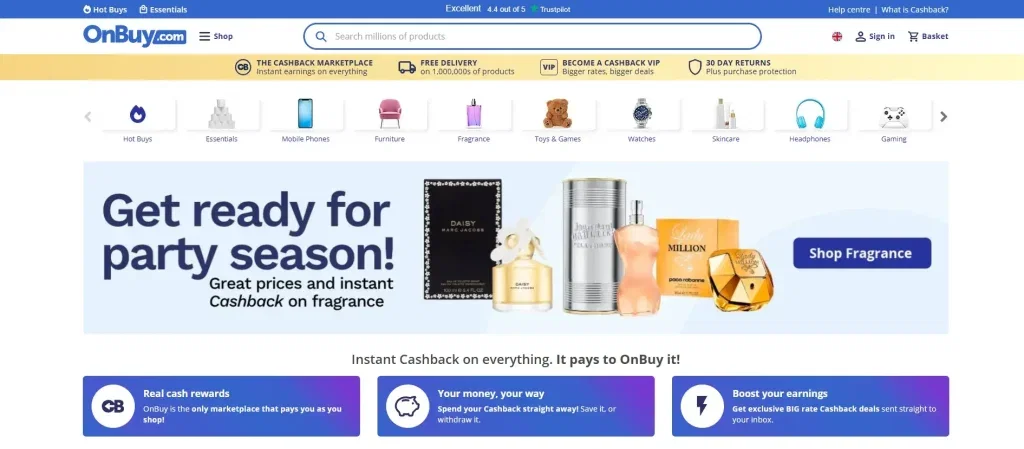
OnBuy has positioned itself as the anti Amazon, building its entire value proposition around not competing with its own sellers. The platform explicitly does not sell its own products or develop private labels, addressing one of sellers’ biggest Amazon frustrations.
OnBuy was founded in 2016 and doesn’t sell its own products or private labels. That’s its whole pitch to sellers tired of competing with the marketplace itself.
Commission rates run 5% to 9% by category, with a £19 monthly subscription plus VAT. (Verify both on OnBuy’s fee page.)
Traffic is far smaller than Amazon UK’s. Less competition per listing can still make the trade worth it, especially in electronics, home and garden.
Additional UK Marketplaces
ASOS
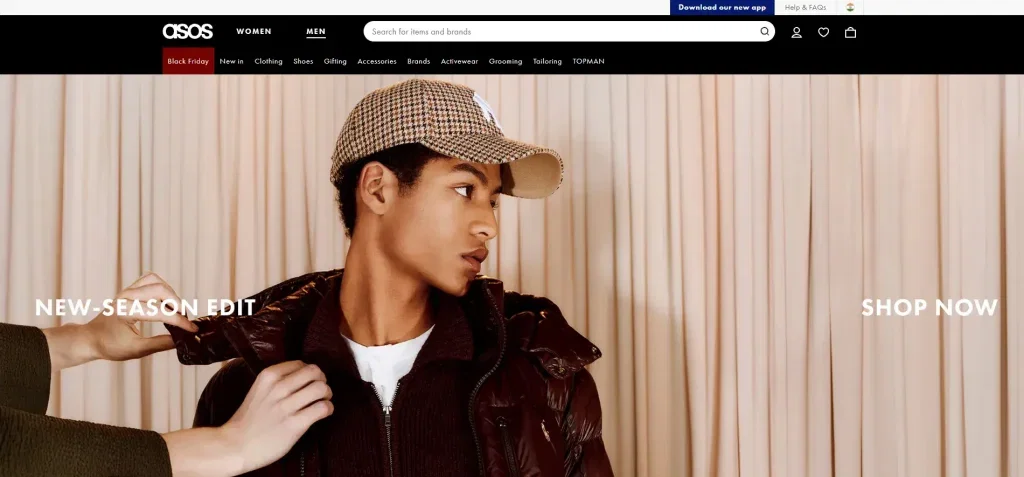
ASOS dominates online fashion in the UK, particularly among younger consumers. The platform operates as both a retailer and marketplace, with partner brands able to sell through ASOS’s traffic. Fashion sellers targeting UK millennials and Gen Z should explore ASOS partnership opportunities.
Argos
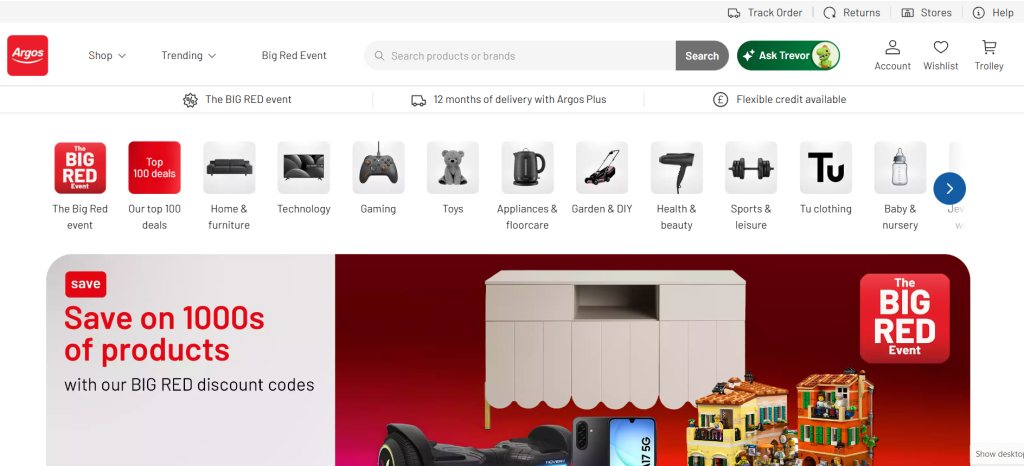
Owned by Sainsbury’s, Argos combines ecommerce with click and collect through its store network. The platform is particularly strong in electronics, toys, and home goods. Sellers can access Argos through its Trusted Sellers Marketplace, which allows approved third-party retailers and brands to list and sell products on Argos.co.uk.
Not On The High Street
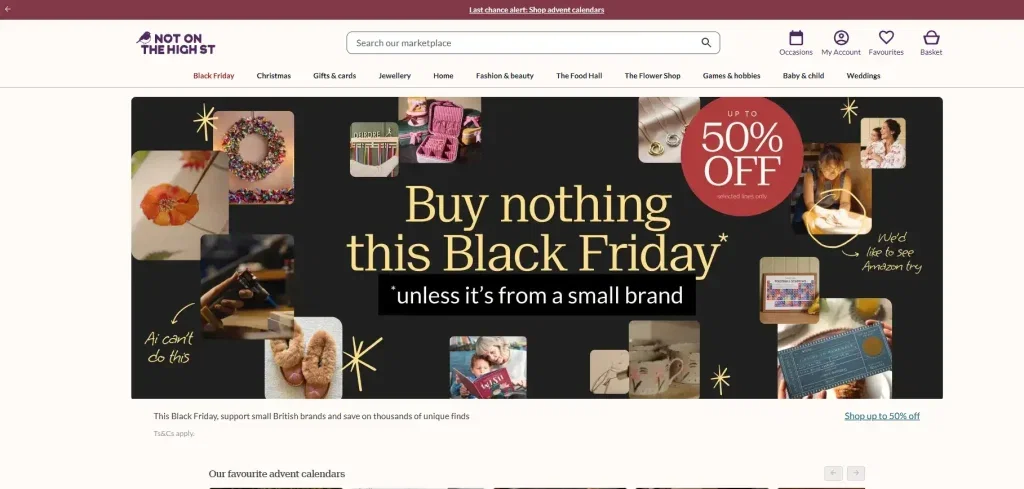
This curated marketplace focuses on unique, personalized, and handmade gifts. Not On The High Street has built a loyal following among UK shoppers looking for alternatives to mass produced products.
Sellers of personalized gifts, unique home decor, and handcrafted items should consider this platform despite higher fees.
eBay UK
eBay maintains a strong position in the UK market with significant traffic across multiple categories. UK sellers often find eBay more accessible than Amazon for certain products, particularly used goods, vintage items, and collectibles.
TikTok Shop has also become a serious UK channel. It’s now the country’s fourth-largest beauty retailer.
Amazon Competitors in Canada
Canada presents unique opportunities and challenges for ecommerce sellers. The market is smaller than the US but features high purchasing power and concentrated urban populations. Cross border selling from the US is common but domestic alternatives exist.
Canadian Tire Marketplace
Canadian Tire is Canada’s largest general merchandise retailer. Its marketplace sells under the Canadian Tire, Mark’s and SportChek banners, with pickup at its stores.
The current figures contradict each other ($1.1B vs $520M ecommerce), so add numbers back only from the latest annual report.
Who Should Sell on Canadian Tire
Canadian Tire works best for sellers in automotive, outdoor, sporting goods, and home improvement categories. These align with Canadian Tire’s core customer expectations and brand positioning.
Additional Canadian Marketplaces
Walmart Canada
Walmart Canada recorded $23.7 billion in net sales in fiscal 2026. Its marketplace runs much like the US version, but requires Canadian fulfillment. Canadian sellers often find Walmart Canada more accessible than the US marketplace due to domestic fulfillment requirements.
Amazon Canada
Amazon.ca remains the dominant ecommerce player in Canada. US sellers can easily expand through Amazon Global Selling, though Canadian fulfillment (either FBA Canada or merchant fulfilled) is recommended for Prime eligibility and shipping speeds.
Best Buy Canada
Best Buy Canada has expanded its marketplace to include third party sellers in electronics and related categories. For consumer electronics sellers, Best Buy Canada offers access to tech focused Canadian consumers.
AMZ Prep started in Canada in 2016, so we see cross-border mistakes up close. The most common one is US brands shipping into Canada without bilingual English and French labels. Canadian packaging rules require both.
Amazon Competitors in Europe
Europe presents a fragmented but lucrative ecommerce opportunity. Europe is fragmented. Strong local marketplaces have held their ground for decades, and each one expects local language and local stock.
OTTO: Germany’s Second Largest Marketplace
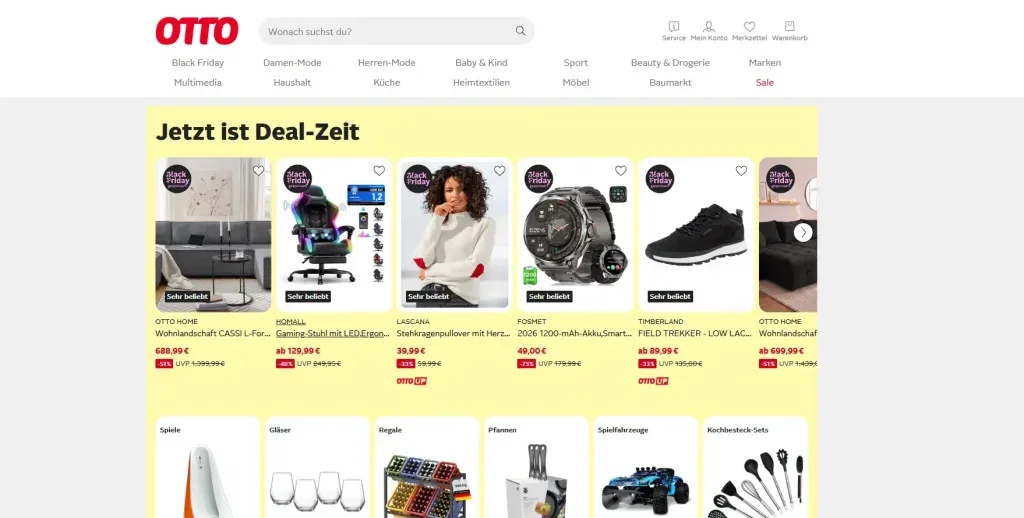
OTTO is one of Germany’s most established retail brands, having evolved from a mail order catalog company into a major ecommerce player. For sellers targeting German consumers, OTTO offers access to a trusted platform with deep market penetration.
Market Position
OTTO Group generated €15 billion ($17.1 billion) in revenue during fiscal year 2024-25, making it one of Europe’s largest ecommerce operators. The core OTTO marketplace connects millions of German consumers with third party sellers across fashion, home goods, electronics, and lifestyle categories.
Germany represents Europe’s largest ecommerce market by volume. Amazon.de dominates, but OTTO has maintained its position as the country’s second most important ecommerce destination, particularly among older consumers who grew up with the OTTO catalog.
Seller Requirements
OTTO is selective about marketplace sellers. The platform requires adherence to German consumer protection laws, VAT compliance, and German language customer service. Commission rates typically range from 10% to 15% depending on category.
For international sellers, the regulatory and language requirements create meaningful barriers. However, these same barriers reduce competition and protect margins for sellers who invest in proper compliance.
Who Should Sell on OTTO
OTTO works best for sellers with established European operations and German language capability. Fashion, home goods, and consumer electronics perform well. Brands seeking to reach German consumers outside of Amazon should prioritize OTTO.
Zalando: Europe’s Fashion Powerhouse
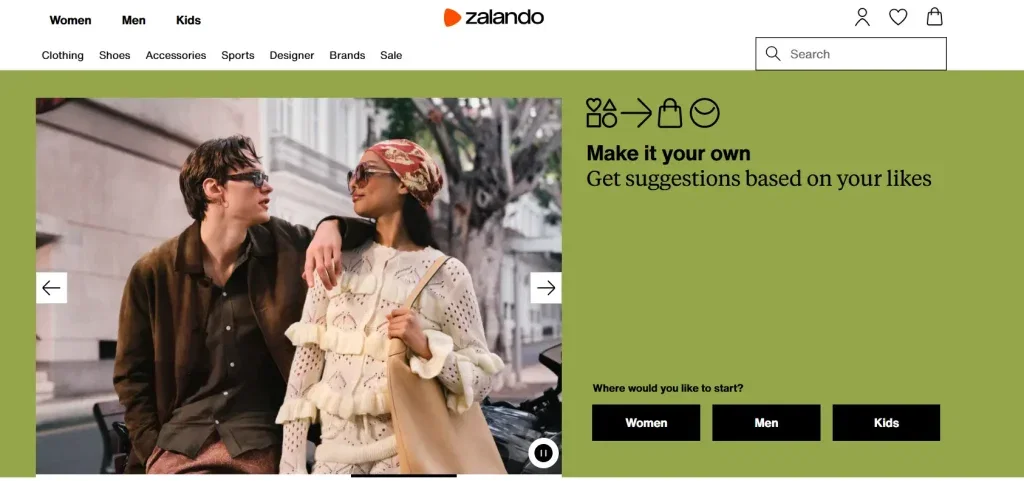
Zalando has built Europe’s leading fashion platform with operations across 25 markets. For fashion sellers, Zalando offers access to engaged consumers willing to pay for quality and style.
Scale and Reach
The latest annual revenue figure from Zalando’s annual report. The platform serves over 50 million active customers across Europe, with particular strength in Germany, France, and Northern Europe.
Unlike general marketplaces, Zalando focuses exclusively on fashion, footwear, and accessories. This specialization creates a curated shopping experience that attracts fashion conscious consumers willing to spend more per order.
Partner Program
Zalando’s Partner Program enables brands to sell directly through the platform while using Zalando’s traffic, payments and logistics. Commission rates are negotiated based on category and volume, with rates varying significantly by brand.
Zalando also offers Fulfillment by Zalando (ZFS), handling storage, picking, packing, and shipping. This program simplifies European expansion for brands without local logistics infrastructure.
Who Should Sell on Zalando
Zalando suits fashion brands seeking pan European distribution through a premium channel. The platform’s curation standards mean not every brand gets approved. Those that do benefit from reduced competition and premium positioning.
Cdiscount: France’s Value Leader
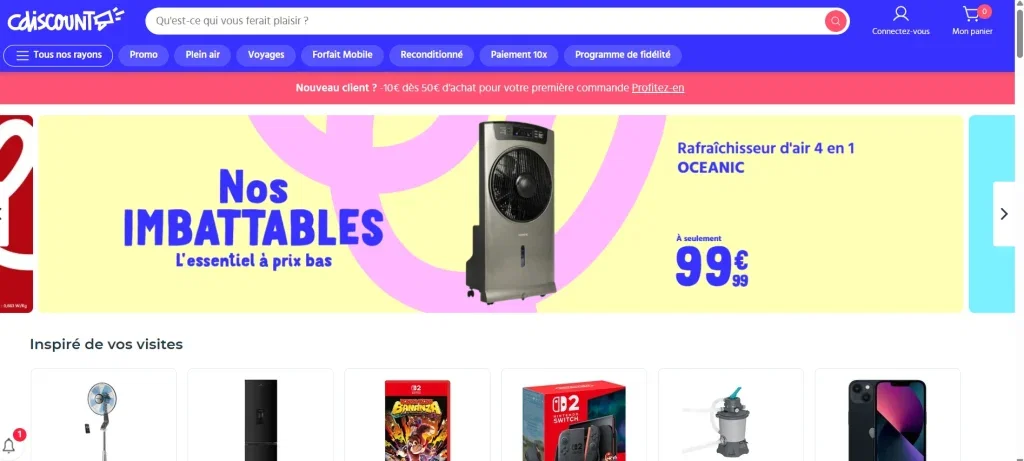
Cdiscount is one of France’s largest ecommerce platforms, known for competitive pricing and broad product selection. For sellers targeting French consumers, Cdiscount provides meaningful reach beyond Amazon.fr.
Market Position
Cdiscount generates approximately $1.8 billion in annual revenue, serving price conscious French shoppers across electronics, home goods, furniture, and appliances. The platform has built its reputation on deals and discounts, attracting a value focused customer base.
Seller Requirements
Cdiscount requires a €39.99 monthly subscription plus category based commissions ranging from 5% to 20%. French language capability and EU VAT compliance are essential. The platform offers Cdiscount Fulfillment (FBC) for sellers needing logistics support.
Competition on Cdiscount centers heavily on price. Sellers need margin structures that support aggressive pricing while maintaining profitability. Premium positioning is difficult given buyer expectations.
Who Should Sell on Cdiscount
Cdiscount works for sellers with competitive pricing in electronics, home goods, and appliances targeting French consumers. The platform complements rather than replaces Amazon.fr for most sellers.
Rakuten France and Additional European Marketplaces
Rakuten France
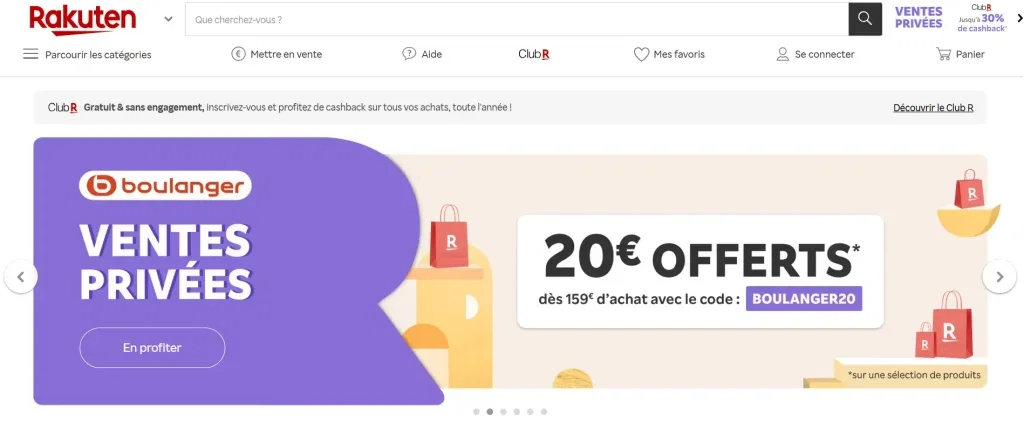
Rakuten France operates a marketplace serving French consumers with a loyalty program (Super Points) that drives repeat purchases. Commission rates range from 8% to 15% depending on category. The platform attracts deal seekers and bargain hunters.
Bol.com (Netherlands and Belgium)
Bol.com dominates ecommerce in the Netherlands and Belgium with over 13 million active customers. The platform is owned by Ahold Delhaize and serves as the primary Amazon alternative in Benelux countries. Sellers targeting Dutch and Belgian consumers should prioritize bol.com.
Bol.com and OTTO both reward local stock and local-language service. That’s one reason we hold inventory for brands in Germany and the Netherlands.
Allegro (Poland)
Allegro is Poland’s dominant marketplace with over 20 million active users and 135,000+ sellers. The publicly listed company processes billions in GMV annually, making it the clear leader in Central Europe’s largest economy. Sellers expanding into Eastern Europe should start with Allegro.
Amazon Competitors in Asia, Latin America and the Middle East
Amazon’s lead is mostly a Western story. In several large markets, a local platform sells more.
| Region | Leading Amazon rival | Why it wins |
|---|---|---|
| India | Flipkart (Walmart-owned), Meesho | Reach beyond big cities, Myntra for fashion |
| China | Alibaba, JD.com | Amazon exited the domestic market in 2019 |
| Japan | Rakuten | Points that work across shopping, banking and mobile |
| South Korea | Coupang | Own logistics built for very fast delivery |
| Southeast Asia | Shopee, Lazada, TikTok Shop | Mobile-first, local payments |
| Latin America | Mercado Libre | Payments and delivery in one ecosystem |
| Middle East | Noon | Local ownership, Arabic-first shopping |
| Africa | Jumia | Built payment and delivery networks early |
Flipkart moved its holding company from Singapore to India in 2026, clearing the way for a Mumbai listing. A Bloomberg report put a possible IPO in late 2026 or early 2027.
Mercado Libre’s Q2 2025 revenue rose 34% to $6.8 billion. (Update to the latest quarter.)
In the Gulf, most brands need both Noon and Amazon.ae. We run fulfillment in Dubai, and splitting stock between the two is a common planning question.
Amazon’s Competitors Beyond Ecommerce
Amazon is also a cloud company, an ad network and a streaming service. Each one has its own rivals.
| Amazon business | Main competitors | Context |
|---|---|---|
| AWS | Microsoft Azure, Google Cloud, Alibaba Cloud | AWS sales grew 20% to $128.7B in 2025 |
| Amazon Ads | Google, Meta, Walmart Connect | Walmart’s ad business grew 46% in fiscal 2026 |
| Prime Video | Netflix, Disney+, YouTube | Bundled into Prime to keep members |
| Prime membership | Walmart+, Target Circle 360, Costco | Free shipping drives sign-ups |
For sellers, AWS matters more than it looks. Cloud profits help fund the delivery speed every other marketplace has to match.
How to Compete With Amazon as a Brand
Competing with Amazon rarely means beating it on price. Amazon wins most price fights. Brands that grow alongside it compete on what Amazon doesn’t control.
Sell where Amazon is weaker
Some categories and markets don’t favor Amazon. Handmade sells better on Etsy. Refurbished tech moves on eBay, and Mercado Libre has the stronger delivery network in Latin America.
Own the customer
Amazon keeps the buyer’s data. A branded store gives it back, and every repeat order there skips a referral fee.
Match the delivery promise
Shoppers now expect two-day delivery everywhere, not only on Amazon. That’s an inventory problem more than a shipping one. Stock split across regions can reach most US buyers by ground in two days. Stock in one warehouse usually can’t.
Keep prices consistent
Amazon’s fair pricing policy can pull your Buy Box when the same item is cheaper elsewhere. Use bundles or channel-specific SKUs if you need different prices.
Add channels one at a time
Every channel brings its own listings, returns and shipping rules. I’d rather see a brand run two channels well than five badly.
Amazon FBA Alternatives for Sellers
Fulfillment represents one of Amazon’s key competitive advantages through FBA. However, alternatives exist for sellers seeking to diversify their logistics or reduce FBA dependency.
Walmart Fulfillment Services (WFS)
Walmart Fulfillment Services stores, packs and ships orders from Walmart’s fulfillment centers. WFS listings get better placement in search and qualify for Walmart+ free shipping.
Multichannel 3PLs
An independent 3PL holds one inventory pool and ships to every channel from it. Platform programs like FBA and WFS only serve their own marketplace.
AMZ Prep runs that setup from 50+ fulfillment centers in 6 countries, moving 10M+ units a month. Brands use us for FBA prep, DTC orders, Walmart, TikTok Shop and retail, plus freight, cold storage, same-day delivery and subscription fulfillment.
Our Middle Mile service consolidates freight into Amazon. Inbound stock typically checks in within 1 to 3 days, against the 7 to 10 many brands see. If you’re weighing a switch, see. how AMZ Prep supports multi-channel growth.
How to Choose the Right Amazon Alternative
With dozens of marketplace options worldwide, choosing where to expand requires strategic thinking. Here is a framework for evaluation.
Consider Your Product Category
Not every marketplace fits every product. Before selecting platforms, start with products that already have proven demand that justify the operational investment of multi-channel selling. Fashion sellers should prioritize Zalando (Europe), Myntra (India), and Shopee (Southeast Asia). Electronics sellers should look at Best Buy and Newegg. Handmade goods belong on Etsy. Match platform strengths to your catalog.
Evaluate Fee Structures
Fees vary dramatically across platforms. Amazon’s referral fee is 15% in most categories, so compare each platform’s full cost per unit. Walmart charges no monthly fee. Map out your unit economics across platforms before committing.
Assess Traffic Quality
High traffic does not always mean high sales. Etsy’s focused buyers convert better than Amazon’s broader traffic for unique products. Walmart’s value focused shoppers may not respond to premium positioning. Understand who visits each platform and whether they match your target customer.
Factor in Operational Complexity
Each marketplace has different requirements for listings, fulfillment, customer service, and compliance. Adding platforms means adding complexity. Start with platforms where operations most closely match what you already do.
Think Regional Strategy
If international expansion is a goal, choose platforms that provide regional learning. Selling on Shopee teaches Southeast Asian commerce. MercadoLibre teaches Latin American logistics. Use each platform as education for broader regional expansion.
Final Thoughts
Amazon is still the default, but Walmart, TikTok Shop and Temu are pulling real spend away from it. Pick the one channel that fits your catalog, and get the inventory side right before adding the next. For help planning stock across channels, talk to the AMZ Prep team.
Frequently Asked Questions
Who is Amazon’s biggest competitor?
Walmart is Amazon’s biggest competitor. It earned $713.2 billion in fiscal 2026, close to Amazon’s $716.9 billion for 2025. Walmart’s ecommerce sales passed $150 billion, and its stores give it pickup and delivery options Amazon can’t match.
Who are Amazon’s main competitors?
Amazon’s main ecommerce competitors are Walmart, Alibaba, JD.com, Temu, eBay, Shein and TikTok Shop. Regionally, Mercado Libre leads Latin America, Flipkart leads India and Shopee leads Southeast Asia. In cloud, AWS competes with Microsoft Azure and Google Cloud.
Is eBay bigger than Amazon?
No. Amazon is far bigger. eBay reported $11.1 billion in 2025 revenue and $79.6 billion in GMV, while Amazon’s net sales reached $716.9 billion. eBay’s strength is reach in used, refurbished and collectible goods, with 135 million active buyers.
What company is similar to Amazon?
Walmart is the closest US company to Amazon, combining a large online marketplace with fast delivery and a membership program. Outside the US, JD.com in China, Mercado Libre in Latin America and Coupang in South Korea follow similar models.
Is there a Chinese competitor to Amazon?
Yes, several. Alibaba is the largest, with $148.4 billion in fiscal 2026 revenue. JD.com runs the most Amazon-like model in China. Temu, Shein and ByteDance’s TikTok Shop compete directly with Amazon for US shoppers.
Who are Amazon’s competitors in the USA?
In the US, Amazon’s biggest retail competitors are Walmart, Target, Costco and Best Buy. Online, it competes with eBay, TikTok Shop, Temu, Shein and Etsy. Shopify powers the brand-owned stores that pull shoppers away from marketplaces.
What are the best Amazon alternatives for sellers?
Walmart Marketplace is the best first step for most Amazon sellers because listings and operations transfer. TikTok Shop suits visual, impulse-priced products. eBay fits used or collectible inventory, and Shopify suits brands ready to drive their own traffic.
How do brands compete with Amazon?
Most brands don’t beat Amazon on price. They compete by owning the customer through a branded store and selling where Amazon is weaker. They also match delivery speed by placing inventory close to buyers.
Is Temu a competitor of Amazon?
Yes. Temu competes with Amazon on low-price general merchandise. The US closed the de minimis exemption for Chinese parcels in 2025. Since then, Temu has shifted US sales to local sellers with American warehouses.
Is TikTok Shop a competitor to Amazon?
Yes, and it’s the fastest-growing one in the US. TikTok Shop’s US GMV hit $15.1 billion in 2025, up 68%. Most buyers still use Amazon too, so brands usually run both channels side by side.
Does Amazon compete outside ecommerce?
Yes. AWS competes with Microsoft Azure and Google Cloud, and earned $128.7 billion in 2025. Prime Video competes with Netflix and Disney+. Amazon Ads competes with Google, Meta and Walmart’s fast-growing retail media business.
Can I sell on Amazon and its competitors at the same time?
Yes, and most growing brands do. Selling on several platforms lowers the risk of one suspension or fee change. The hard part is inventory, so many brands use one 3PL that ships to every channel from shared stock.

Arishekar N is a Vice President (VP) of Marketing at AMZ Prep, specializing in ecommerce fulfillment and Amazon logistics strategies with a proven track record of driving growth for e-commerce businesses. He is a strategic leader with extensive expertise in marketing, e-commerce operations, SEO & advertising, and branding.
Stay updated on his latest insights by following him


Insightful and practical. Perfect timing as I plan to expand my sales channels this year.
Well done! This article simplified a complex topic and presented it in an easy-to-digest way.
The competitive analysis is spot-on. It’s encouraging to see solid alternatives for sellers.
A balanced and thoughtful look at e-commerce platforms that every brand should consider.
Thank you for this comprehensive guide! It’s invaluable for anyone selling online in 2025.
Great insights here. Loved learning about the different fee structures and their impact on sellers.
This post gave me a fresh perspective on marketplaces like Walmart and Shopify. Very useful read.
Concise and clear—perfect for sellers looking to diversify beyond Amazon. Highly recommend!
Informative and well-structured article! I appreciate how the details are broken down by platform and region.
Excellent roundup of Amazon competitors. This really helps sellers explore profitable alternatives!
Nicely listed competitors, you did it really well. Keep posting!
Great post!Thanks
I commend the balanced approach taken in this analysis. The article effectively illustrates the dynamic nature of e-commerce without overstating any platform’s dominance.
This well-researched article offers critical insights for both established businesses and startups in the e-commerce sector. The competitive analysis is particularly enlightening.
As an industry professional, I find this piece highly informative. It highlights key trends and innovations that are shaping the future of online retail.
The comparative breakdown of these platforms’ strengths is invaluable. It offers a clear perspective on the diversification of the e-commerce ecosystem.
This article provides a comprehensive overview of the evolving e-commerce landscape. The insights on emerging competitors are particularly valuable for strategic planning.
Increasing competition is the new motivation in the industry. Amazon competitors are big ones, you have righty stated them.
Good Read!! Keep posting
I appreciate your overview table section, its rightly framed.
Simplified the content with balanced information. Keep posting!
Suggested by a friend, I loved the posts on your site. Highly recommended for eCom sellers.
How can I connect with you for fulfilment services?
I appreciate the well-crafted and informative nature of your post. The thoroughness of your analysis is commendable, and the engaging writing style made for an enlightening read. I’ve gained much from this article and will surely refer it in times to come. Continue the excellent work!
Amazon competitors need to be more alert as it is growing with a balanced approach for its sellers and customers.
Have been following your blogs for a while, you justify each topic. Please to read your content. Keep up the good work!
You have rightly stated the Unsung Heroes of Ecom industry, delivery and customer service are the essential and crucial aspects of it. Being an eCommerce seller, I have realized it through years.
Your blogs are quite convincing and informative. However, the posts are a bit brief for beginners. Could you please make them a little longer next time? Thanks for the post.
Your website blogs are awesome…. appreciate your choice of topics and simplification of information.
Brief and informative, thats the quality of your blogs. Your website is recommended by me for the eCom sellers, even for beginners and for the existing fishes.
Nice to read!
Appreciate your work
Landing on your website leaves me with a lot to ponder on for my business growth. You provide an immense detailed information. Keep on writinng
Thanks for listing down the Amazon competitors at one place. This could be beneficial for the Amazon sellers like me, to understand the maarket in a better way.
Time spent well! I just read random articles on ecommerce industry to understand the future prospect. Your writings have been informative and simple.
Thank You for writing. I like to read your blogs, and recommend your website to my friends too