
Amazon’s relentless AI expansion has reached new heights in February 2025, transforming from mere retail dominator to full-fledged algorithmic overlord with a barrage of so-called “innovations” that allegedly revolutionize e-commerce while primarily serving to extract more value from both sellers and consumers alike.
Their sophisticated AI systems—which now automatically highlight product features, optimize listings, and deliver hyper-personalized shopping experiences—create a technological ecosystem where FBA sellers face the impossible choice between investing heavily in Amazon’s ever-expanding suite of “services” or disappearing into the algorithmic abyss of search result obscurity. From the dubiously useful product feature extraction to the marginally improved yet more intrusive Alexa+ experience, these advancements establish a new commercial paradigm where data-driven strategies aren’t merely advantageous but existentially necessary, forcing sellers to adapt to increasingly intelligent systems while Amazon claims an ever-larger percentage of increasingly smaller profits.
The e-commerce giant has effectively transcended its role as marketplace facilitator to become a purveyor of “intelligence” and “efficiency” at unprecedented scale—fundamentally redefining success in digital retail as mere quarterly survival amid constantly shifting algorithmic requirements that invariably benefit the platform above all others, leaving us to wonder if the convenience is worth the cost as our commercial agency gradually erodes beneath the relentless advance of optimization for optimization’s sake.
March 03, 2025
Amazon Deploys AI to Highlight Product Features

Amazon has implemented a significant AI update that automatically extracts and displays key features directly on product gallery images.
Key Developments
- AI-powered feature extraction: System pulls highlights directly from your listing copy
- Automatic overlay creation: Phrases like “Multi-function opener” or “Six-in-one tool” appear on images
- Algorithm-controlled selection: Amazon’s AI decides which features to emphasize
- Increased feature visibility: Key selling points now prominently displayed to shoppers
This implementation creates both opportunities and challenges for sellers. While feature highlights may boost conversions by emphasizing product benefits, the AI’s selections depend entirely on your existing listing quality.
Action Items for Sellers
- Audit listing copy: Ensure bullets and descriptions contain precise, compelling features
- Optimize image quality: High-resolution photos that clearly demonstrate features are essential
- Monitor AI selections: Check what the system highlights and revise copy if incorrect features appear
This development represents Amazon’s deepening integration of AI throughout the marketplace ecosystem. Sellers who adapt quickly will gain an advantage in this evolving landscape.
Amazon’s Cost Control Feature Transforms SB Banner Campaign Performance
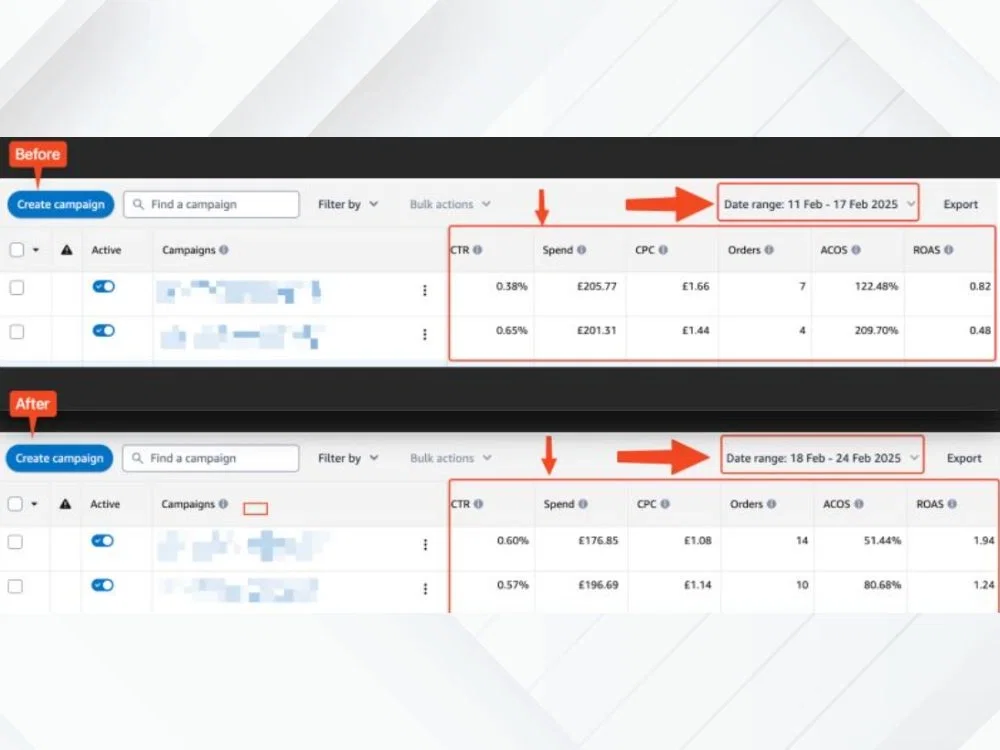
A recent case study demonstrates the dramatic impact of Amazon’s Cost Control feature on Sponsored Brands banner campaigns, delivering substantial improvements across all key performance metrics.
Before vs. After Implementation Results:
- ACOS reduction: From 122.48%-209.70% to 51.44%-80.68%
- ROAS improvement: From 0.82-0.48 to 1.94-1.24
- CPC decrease: From £1.66-£1.44 to £1.08-£1.14
- CTR enhancement: From 0.38%-0.65% to 0.60%-0.57%
- Order volume: Doubled from 7 & 4 to 14 & 10
The implementation strategy involved setting Cost Control parameters to maintain CPC near or slightly above Amazon’s suggested values, rather than relying on manual bid management.
Key Takeaways:
- Cost Control effectively balances spend while maintaining visibility
- Lower CPCs don’t necessarily reduce campaign reach when properly implemented
- The feature appears particularly effective for banner formats
- Significant efficiency gains translate to better ROAS
This real-world example highlights how Amazon’s automated bidding tools can dramatically improve advertising efficiency when properly configured. The transformation occurred within just one week of implementation, suggesting rapid optimization potential for sellers willing to test this feature.
Using Amazon Comprehend to Optimize Listing SEO
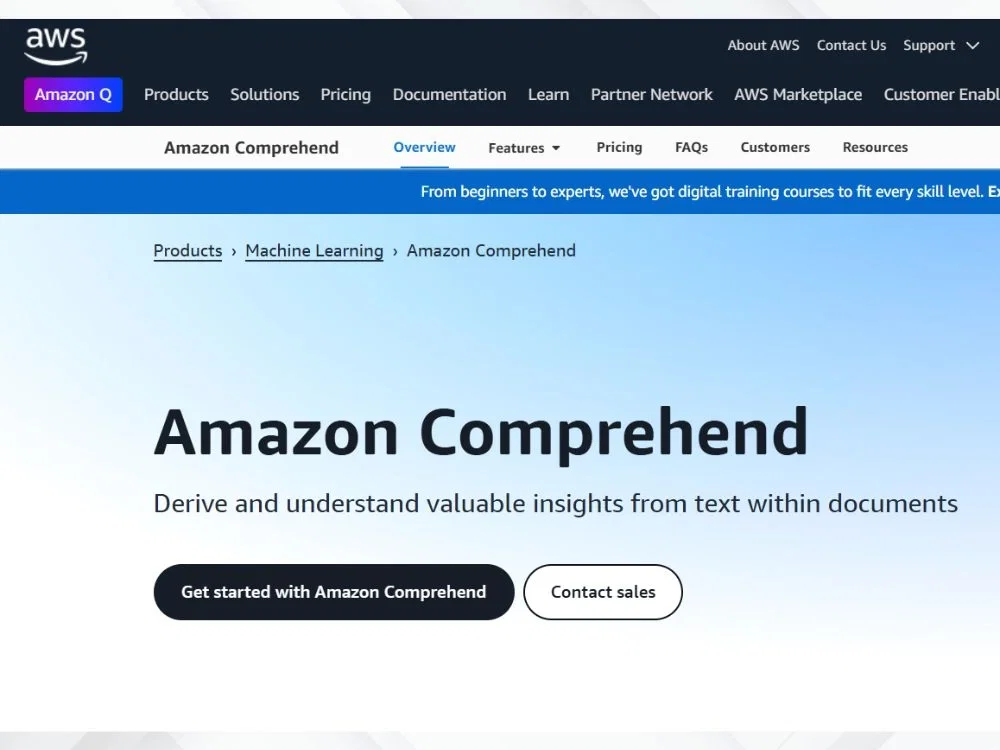
Amazon sellers now have a powerful yet underutilized tool for optimizing product listings: Amazon Comprehend, the internal AI system that forms the core of Amazon’s SEO algorithm.
How to Leverage This Technology for Immediate Ranking Improvements:
- Access Amazon Comprehend: Create/use an AWS account to access this powerful tool
- Analyze your current title: Input your listing title to see how Amazon’s AI interprets it
- Review confidence scores: Identify which keywords Amazon recognizes with high confidence
- Strategic title optimization: Rewrite your title to include target keywords more effectively
- Monitor entity recognition: Observe how Amazon’s understanding of your product changes
This process reveals exactly how Amazon’s algorithm interprets your listing, allowing for precise optimization rather than guesswork.
This approach has demonstrated immediate impact on organic rankings and can increase your chances of earning the coveted Amazon’s Choice badge through better algorithmic alignment.
Amazon Forces Costly Shipping Dilemma on Sellers
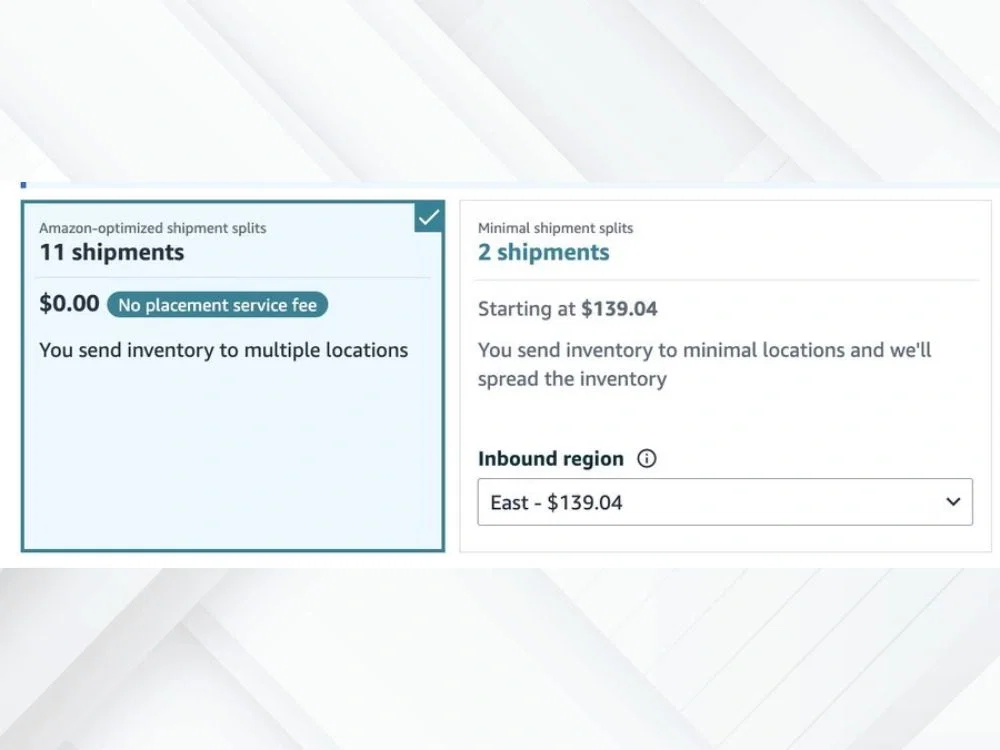
Amazon has implemented a controversial new shipping policy that presents sellers with what many describe as a lose-lose proposition, creating significant operational challenges and increased costs.
Sellers Now Face a Stark Choice:
- Pay a premium fee of $139+ for consolidated shipments
- Manage 11 separate shipments with all associated complications:
- Higher total shipping costs
- Increased labor requirements
- Greater potential for errors
- More complex logistics management
- Additional packaging materials
This policy change effectively eliminates any middle-ground options, forcing sellers to either absorb substantial new fees or deal with the inefficiencies of fragmented shipment processing.
Seller Community Response:
The reaction has been overwhelmingly negative, with many viewing this as yet another revenue-generating tactic that disproportionately impacts smaller merchants with tighter margins.
For many sellers, neither option presents a viable solution, as:
- The consolidated shipment fee structure significantly impacts profitability
- The multiple-shipment alternative creates unsustainable operational burdens
This development continues a pattern of policy changes that transfer costs from Amazon to its third-party seller ecosystem, raising concerns about the long-term sustainability of selling on the platform.
Amazon Makes Search Query and Catalog Performance Available via API
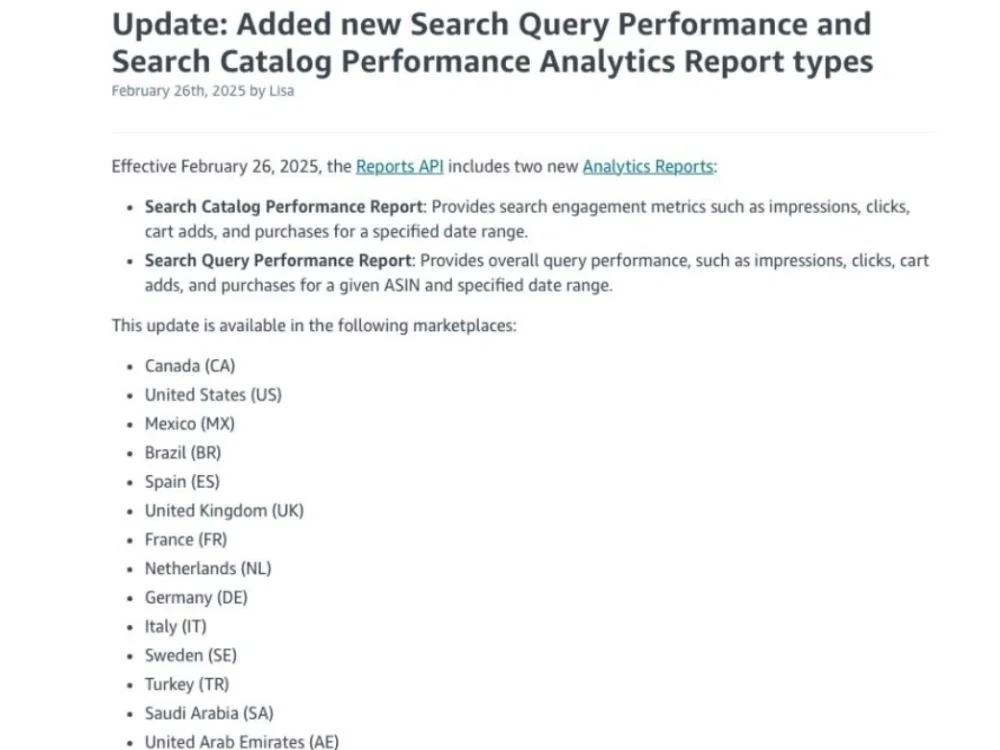
Amazon has released a significant technical update, bringing Search Query Performance and Catalog Performance data to API access, marking a major advancement for sellers and tool developers.
Key Benefits of This Development:
- Elimination of manual processes: No more tedious uploads and imports required
- Enhanced scalability: Ability to process larger datasets more efficiently
- Automation potential: Enables programmatic access to critical performance metrics
- Integration capabilities: Seamless incorporation into existing systems and workflows
This API access represents a breakthrough for sellers who rely on search query data to optimize listings and advertising strategies. Previously, accessing this information required cumbersome manual exports and uploads, limiting both efficiency and analysis potential.
New Possibilities with API Access:
- Custom dashboard creation with real-time data visualization
- Advanced analytics integrations with third-party tools
- Automated optimization systems based on search performance
- Scalable fulfillment solutions for enterprise-level sellers
This technical advancement demonstrates Amazon’s continued investment in providing sellers with sophisticated data access tools, enabling more strategic and data-driven selling approaches across the marketplace.
Price Increase Impact on Amazon Conversion Rates
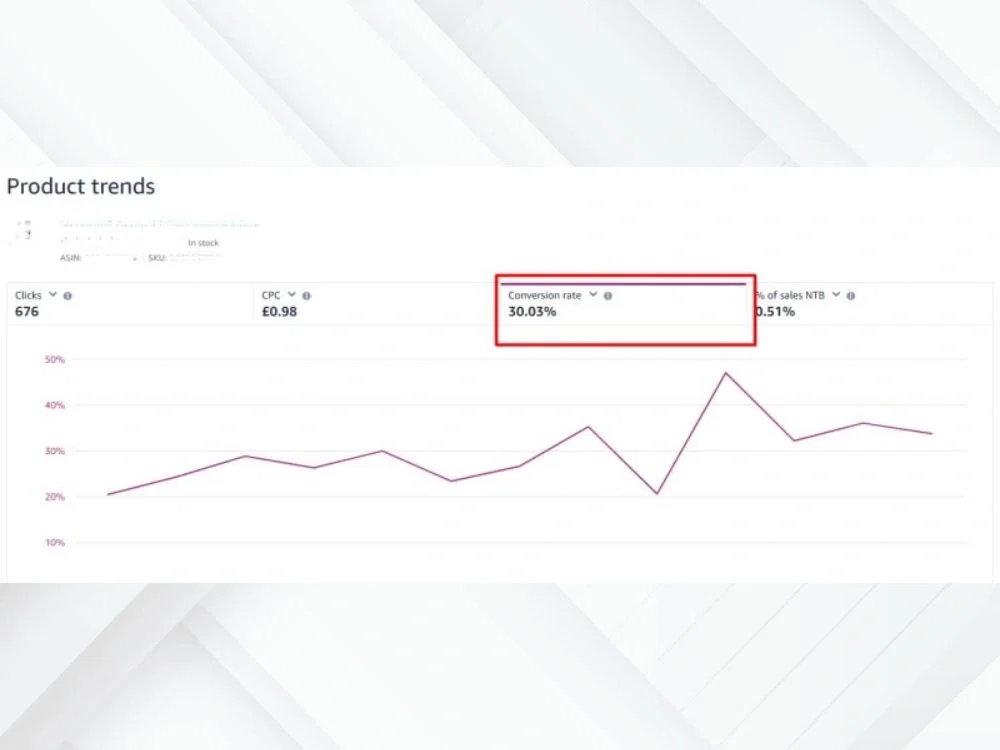
A recent case study reveals the significant impact of price adjustments on Amazon marketplace performance, offering valuable lessons for sellers considering price changes.
Case Study: Menstrual Cup Price Increase
When the product’s price increased from £18 to £21, the seller experienced:
- Conversion rate drop: From 30% to 22% (8% decrease)
- ACOS increase: 10% rise in Advertising Cost of Sales
- Overall profitability decline: Higher costs with fewer sales
This real-world example highlights how even modest price increases can affect customer purchasing behavior and advertising efficiency.
Strategic Adaptations for Price Changes:
- Emphasize value proposition: Enhance A+ content to justify the price increase by highlighting features and benefits
- Optimize advertising approach: Implement more targeted PPC campaigns to offset lower conversion rates with higher-quality traffic
- Test strategic promotions: Use time-limited offers instead of permanent discounts to create urgency without devaluing the product
Key Insight for Sellers
Price adjustments require holistic strategy shifts rather than simple compensatory discounting, which can erode margins while training customers to expect lower prices.
For sellers facing similar challenges, focusing on communicating enhanced value—rather than simply lowering prices—has proven more effective in maintaining long-term profitability.
Alexa+ Revolutionizes Amazon Shopping Experience

Amazon’s launch of Alexa+ marks a paradigm shift in e-commerce, evolving the virtual assistant from a simple voice-controlled tool into a sophisticated AI shopping companion with major implications for sellers.
Key Developments with Alexa+:
- Hyper-personalized recommendations: Leverages data from 600+ million devices to deliver tailored product suggestions
- Conversational shopping experience: Enables natural dialogue rather than command-based interactions
- Proactive purchasing capabilities: Can place orders, restock items, and notify users about relevant sales
- Continuous learning system: Improves prediction accuracy with every customer interaction
The potential integration between Alexa+ and Rufus creates a seamless AI shopping ecosystem, fundamentally transforming product discovery by prioritizing relevance and trust over traditional ranking factors.
Strategic Adaptations for Sellers:
- AI-optimized listings: Ensure products are discoverable in conversational contexts
- Brand trust development: AI assistants will favor trusted, well-reviewed products
- Customer retention focus: Repeat purchases will gain even greater importance
- Accurate product information: Precision in listings becomes critical for AI recommendations
This development signals a future where voice-driven AI could become the primary gateway to product discovery, potentially superseding traditional search and advertising methods.
Amazon Introduces New Sponsored Products Placement Controls
Amazon has launched an important new feature for advertisers, adding enhanced control options for off-Amazon ad placements within Sponsored Products campaigns.
New Placement Control Options:
Found under the Campaign Settings tab, advertisers can now choose between two strategies:
1. Maximize Reach (Default Setting)
- Expands ad visibility beyond Amazon’s platform
- Targets potential customers across the broader web
- Increases overall impressions and brand exposure
- Ideal for new product launches or brand awareness campaigns
2. Minimize Spend
- Prioritizes budget efficiency over maximum visibility
- Focuses ad spend on higher-performing placements
- Potentially improves ROAS by targeting conversion-ready traffic
- Better suited for campaigns with strict budget constraints
Action Required for Sellers:
- Review existing Sponsored Products campaigns
- Adjust placement settings based on advertising goals and performance metrics
- The default “Maximize Reach” setting may not be optimal for campaigns with tight performance targets
Why This Matters
This update gives sellers greater flexibility in aligning their advertising strategy with specific business objectives—whether prioritizing broader exposure or cost efficiency.
Amazon continues to provide advertisers with more granular control, balancing campaign performance with the expansion of its ad network.
Amazon Seller Achieves 422% Sales Growth in Seven Months
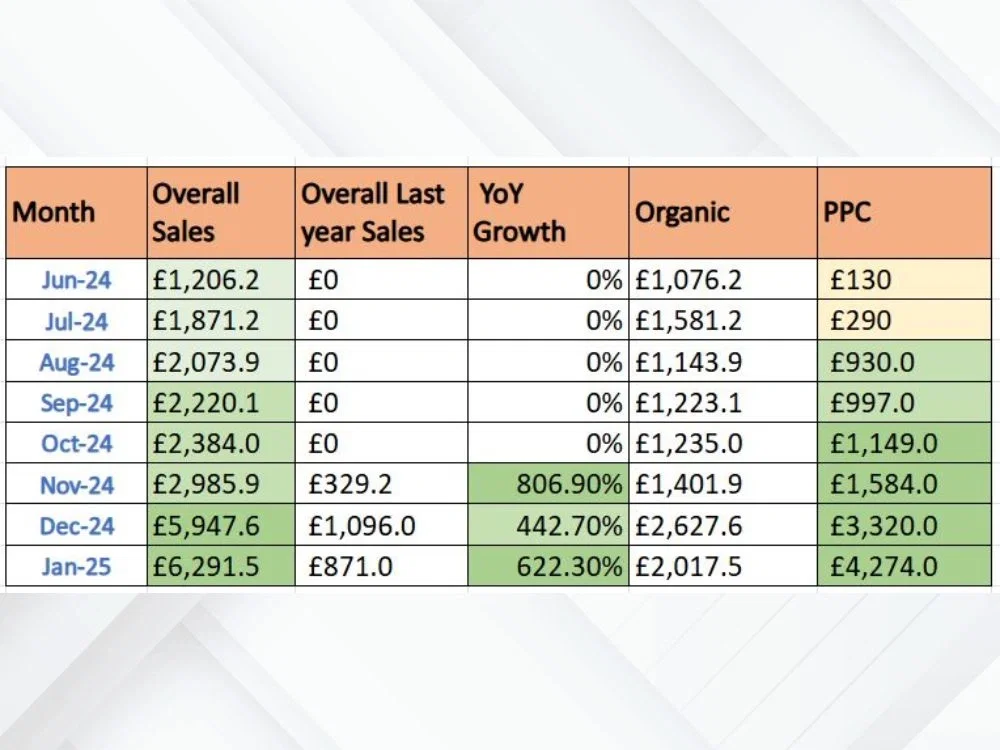
A strategic overhaul of an underperforming Amazon account has led to remarkable growth, with monthly sales increasing from £1,206 to £6,291 in just seven months through a data-driven approach.
Key Performance Improvements:
- 422% revenue growth (June to January)
- 99.3% month-over-month growth in December
- 622.3% year-over-year growth in January
- Significant increase in organic sales percentage
Challenges Faced:
- Low ratings and reviews impacting customer trust
- High average order value (AOV) creating conversion barriers
- Inefficient ad spend relying solely on auto campaigns
Strategic Approach Implemented:
1. Refined Targeting Strategy
- Shifted from broad auto campaigns to precision-focused advertising
2. Three-Phase Funnel Optimization:
- Awareness: Controlled auto campaigns with broad match targeting
- Consideration: Search term analysis with negative keyword implementation
- Conversion: Exact match campaigns focused on high-intent shoppers
3. Data-Driven Adjustments:
- Continuous optimization based on performance metrics
Key Takeaways for Sellers:
This case study highlights how structured campaign architecture and continuous refinement can transform a struggling Amazon account into a high-performing one.
Rather than increasing ad spend, the seller focused on sustainable growth—reducing advertising dependency while dramatically improving overall sales volume.
Amazon’s New Policy Rollout Causes Seller Frustration
Amazon’s latest policy update is causing major frustration among sellers, as delayed implementations and uncertainty raise concerns about financial impacts.
Key Issues with the Rollout:
- Missed Deadlines: A cost update page was promised for January but is still unavailable in March.
- Reimbursement Concerns: Sellers fear open cases will pass the March 10 deadline, leading to lower payouts under the new policy.
- Problematic Implementations: Many sellers cite previous troubled rollouts, including placement fees and low inventory fees.
- Lack of Preparedness: Decision-makers are being criticized for launching policies before systems are ready to support them.
Why This Matters for Sellers:
Sellers worry that Amazon may be delaying reimbursements until after the March 10 deadline, reducing the amounts they receive.
Amazon has not provided an updated timeline for the cost update page, leaving sellers in uncertainty just days before the policy change takes effect.
Strategic Guide for Amazon Vendors on Price Promotions in 2025
Amazon vendors must take a strategic approach to price promotions in 2025, especially those facing margin pressure. The following framework helps vendors align promotions with different product profiles.
Key Recommendations for Vendors with Margin Pressure:
- Avoid costly promotions: Steer clear of Top Deals and deep discounts that erode margins.
- Focus on retention: Use Subscribe & Save (SnS) or Coupons to maintain customer loyalty at a lower cost.
- Strategic inventory management: Reserve promotions for slow-moving items, not bestsellers.
Shift to advertising: Reallocate promotion budgets to Amazon Ads for controlled spending and better targeting.
Strategic Framework by Product Type:
| Product Profile | Strategy Recommendation |
|---|---|
| High margin & low price elasticity | Avoid discounts ❌ |
| High margin & high price elasticity | Ideal for promotional deals 🍾 |
| Low margin & low price elasticity | Discount only for overstock/EOL ✋ |
| Low margin & high price elasticity | Use targeted discounts to activate listings 🎯 |
Takeaway for 2025:
A one-size-fits-all promotion strategy no longer works. The key to success is balancing profitability with strategic discounting, ensuring sustainable growth rather than just revenue spikes.
Amazon App Introduces New Navigation Circle and Alexa+ Features
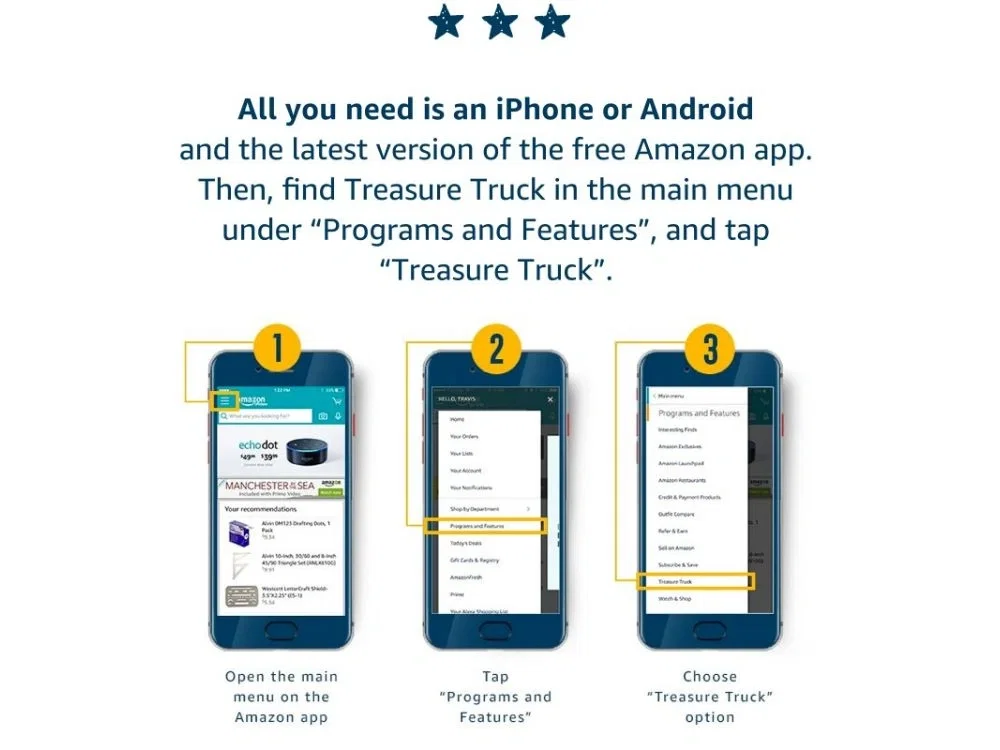
Amazon has rolled out major updates to its mobile app interface in the US, introducing a new navigation system and enhanced Alexa capabilities.
New Navigation Circle
- Central Placement: A circle with the Amazon Smile logo now sits at the bottom center of the screen.
- Seven Navigation Options: Tapping the circle reveals a pop-up menu with quick access to specialized shopping categories.
- Featured Destinations: Categories include Haul, Luxury, and Groceries among others.
- Future Expansion: Industry experts speculate this may soon include paid Brand Store Page links for sellers.
Enhanced Alexa Integration
- Dedicated Promotional Page: A prominent “Meet the new Alexa” section now showcases Alexa+ features.
- Alexa+ Readiness: The assistant already responds to queries about Alexa+ capabilities.
- Conversational Enhancements: Alexa+ replies with enthusiastic responses, like “I am thrilled you asked!”
- Upcoming Improvements: The promotional page highlights planned AI-driven enhancements to the Alexa experience.
Amazon Introduces New Sponsored Brand Video Ad Format
Amazon is testing a new video ad format for Sponsored Brand campaigns, combining video content with multiple product images at the top of search results. This expanded visual layout offers advertisers greater storytelling potential and higher engagement opportunities.
Optimization Strategies for Advertisers
- Image Optimization: Ensure the first three product images are high-quality and compelling.
- Strategic Content Placement: Highlight unique selling points (USPs) in images 2 and 3 to reinforce the message.
- Visual A/B Testing: Experiment with different creative approaches to determine the most effective combination.
- Cohesive Storytelling: Align video content with supporting images to deliver a unified brand message.
Key Takeaway
This new ad format presents a significant opportunity for brands to refine their Sponsored Brand campaigns, increasing engagement and conversions. As Amazon expands availability, advertisers should prepare optimized creative assets to stay ahead of the competition.
Amazon Mandates Service Provider Portal Registration by April 10, 2025
Amazon has announced a significant policy change requiring all third-party service providers to register on the Solution Provider Portal (SPP) by April 10, 2025, to maintain access to Seller Central. This mandatory transition has substantial implications for both service providers and the third-party sellers who work with them.
Key Changes:
- Elimination of user profile access: Traditional Seller Central login methods for service providers will be discontinued.
- Mandatory SPP registration: All third-party service providers must migrate to the Solution Provider Portal.
- Enhanced data centralization: Amazon is consolidating access control and data management.
- Improved API monitoring: The change enables more comprehensive monitoring and compliance enforcement.
Impact on Stakeholders:
For Service Providers:
- Must complete SPP registration before the April deadline.
- Will gain access to expanded data capabilities.
- Face potential lockout if compliance deadlines are missed.
For Third-Party Sellers:
- Must ensure all service partners are SPP-compliant.
- Responsible for verifying service provider registration status.
- Risk disruption to operations if providers fail to register.
Main Images Are Critical for Amazon Listing Success
The importance of high-quality main images for Amazon product listings cannot be overstated, according to e-commerce expert Evan Swanson. In the highly competitive Amazon marketplace, a standout main image is often the decisive factor in whether a shopper clicks on your listing.
Why Main Images Matter
- First impression: Your main image represents your first—and sometimes only—opportunity to win the click.
- Competitive environment: Amazon search results are described as a “war zone” with:
- Cluttered thumbnails competing for attention
- Aggressive competitor visual strategies
- Rapid customer scrolling behavior
Amazon’s New Badge Highlights Low Return Rates
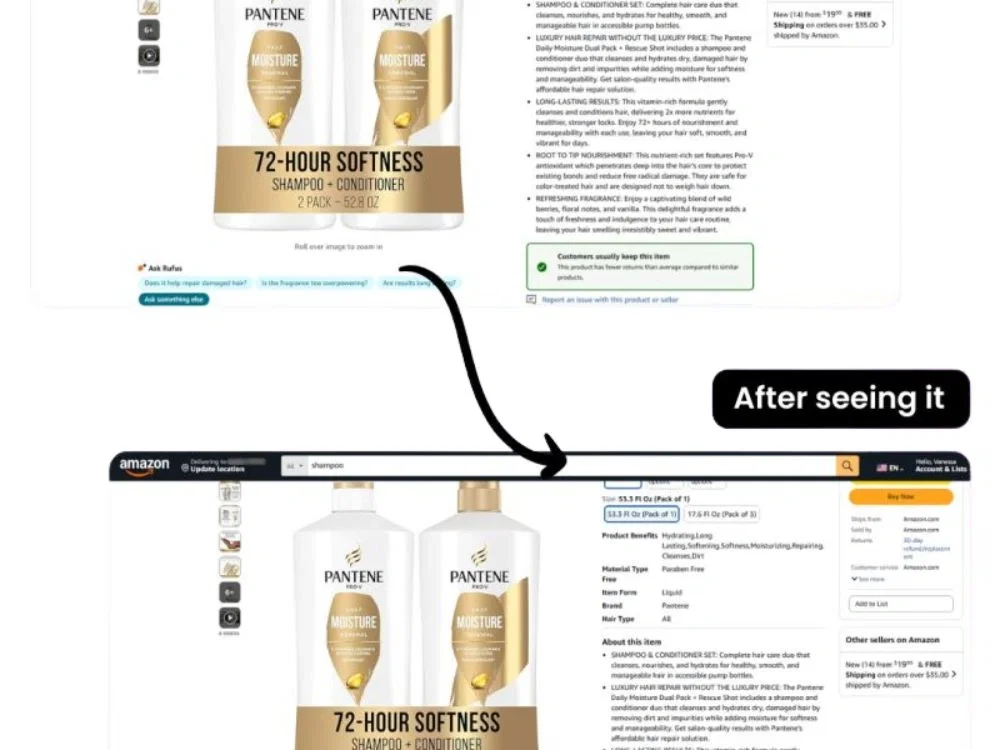
Amazon has quietly introduced a new badge on product listings that highlights items with low return rates, potentially creating a significant competitive advantage for sellers with quality products. The badge appears with messaging such as “Customers usually keep this item” or “This product has fewer returns than average compared to similar products.”
Strategic Implications for Sellers:
- Trust signaling: The badge serves as an Amazon-endorsed trust indicator that can boost conversion rates
- Competitive differentiation: Products with the badge may gain an edge when customers are deciding between similar items
- Zero-cost conversion boost: Unlike advertising, this badge provides a conversion advantage without additional spending
Optimization Strategies:
- Enhanced product detail pages: Create listings that set accurate expectations about the product
- Accurate specifications: Ensure sizing and product descriptions are precise to prevent return-triggering mismatches
- Return rate KPI: Add return rates as a key performance indicator for product listings
Role of Branding in Product Success
Effective branding goes far beyond visual elements to create emotional connections with customers and establish seller strategic market positioning.
Key Branding Principles:
- Beyond aesthetics: Branding transcends logos, colors, and fonts
- Emotional engagement: Successful brands create specific feelings in customers
- Holistic presentation: How products and the overall brand are presented matters
- Strategic positioning: Effective branding positions products for market success
Luxury Brand Examples:
Premium brands like Hermès, Gucci, and Louis Vuitton have mastered the art of branding to “effortlessly attract the wealthy.” These brands have created powerful emotional associations and positioning that transcend their physical products.
This insight is particularly relevant for Amazon sellers who often focus exclusively on product features and pricing while neglecting the emotional and positioning aspects of their brand.
- For sellers looking to enhance their market presence, developing a comprehensive branding strategy that addresses:
How customers feel about their products
How the brand is positioned relative to competitors
Image Stack Testing
ProductPinion has released a new Image Stack Testing feature, helping Amazon sellers optimize their product images for maximum conversion.
Key Benefits of Image Stack Testing:
- Optimal image sequencing: Determines the most effective order for uploading images to Amazon
- Image quality assessment: Identifies underperforming images that need improvement
- Quantitative feedback: Provides data-driven insights on image performance
- Unbiased evaluation: Removes personal preferences from the decision-making process
- Rapid results: Delivers actionable data in minutes rather than days or weeks
Strategic Importance:
Product images function as “silent salespeople” on Amazon, yet many sellers arrange them suboptimally. This testing approach enables data-driven decisions rather than relying on intuition.
Implementation Options:
Some agencies, such as Intellivy, have been conducting similar tests, and ProductPinion‘s release offers sellers additional options for this type of optimization.
For Amazon sellers looking to improve conversion rates without modifying their products, image stack testing is “the lowest-hanging fruit in optimization right now,” offering a simple yet powerful way to enhance visual presentation strategies.
Your Brand Story for Increased Traffic and Higher AOV
A compelling brand story can drive more traffic and increase average order value (AOV) without extra marketing spend.
Key Considerations for Effective Brand Storytelling:
- Beyond aesthetics: A beautiful brand story alone isn’t enough
- Conversion focus: Brand narratives must be designed to drive clicks and sales
- Dual purpose: Stories should be visually appealing and commercially effective
Missed Opportunities in Brand Storytelling:
Many brands invest in visuals but fail to optimize for conversion, leaving potential revenue on the table. Instead of just engaging customers, brand stories should guide them toward a purchase.
Actionable Takeaway for Amazon Sellers:
Review your brand story with a critical eye for clickability and conversion potential. A well-optimized story can boost traffic and AOV—all without increasing marketing costs.
Make Your Brand Store Social Proof Shoppable
Turning static social proof into interactive shopping opportunities can boost conversions in your Amazon Brand Store.
The Conversion Strategy:
Interactive social proof: Make “As Seen In” logos and media mentions clickable
Strategic product linking: Connect social proof elements to relevant ASINs
Enhanced functionality: Turn passive trust indicators into active conversion tools
Implementation Steps:
- Identify all social proof elements (media mentions, awards, testimonials)
- Make them clickable to create an interactive experience
- Link strategically to product ASINs that align with each proof element
Why It Works:
Instead of just displaying logos for credibility, this strategy creates extra touchpoints that lead customers directly to product pages.
February 24, 2025
Adidas Partners with Amazon’s Buy
Adidas has announced a strategic partnership with Amazon’s Buy with Prime service, integrating Prime shipping capabilities directly into its direct-to-consumer channels.
Key Details of the Partnership:
- Implementation timeline: Starting Spring 2025
- Integration scope: Both adidas.com website and the Adidas mobile app
- Customer experience: Shoppers will be able to identify Prime-eligible items and add them to their cart as usual
- Fulfillment advantage: Adidas will leverage Amazon’s extensive logistics network to offer free and fast shipping
Strategic Implications:
- Credibility boost for Buy with Prime: Onboarding a major global brand like Adidas significantly enhances the program’s reputation and may encourage other high-profile brands to join.
- Enhanced fulfillment capabilities: Adidas benefits from Amazon’s logistics infrastructure while still maintaining its direct-to-consumer relationships.
Potential Concerns:
- Increased reliance on Amazon: E-commerce expert Martin Heubel questions whether it’s a smart move for Adidas to deepen its dependency on Amazon, especially as Amazon prioritizes profit margin improvements.
- Long-term strategic risks: The partnership raises concerns about Adidas’ ability to maintain control over its e-commerce strategy while using Amazon’s fulfillment network.
This collaboration underscores the evolving dynamics between major brands and Amazon’s ecosystem, balancing logistics advantages with concerns over strategic autonomy.
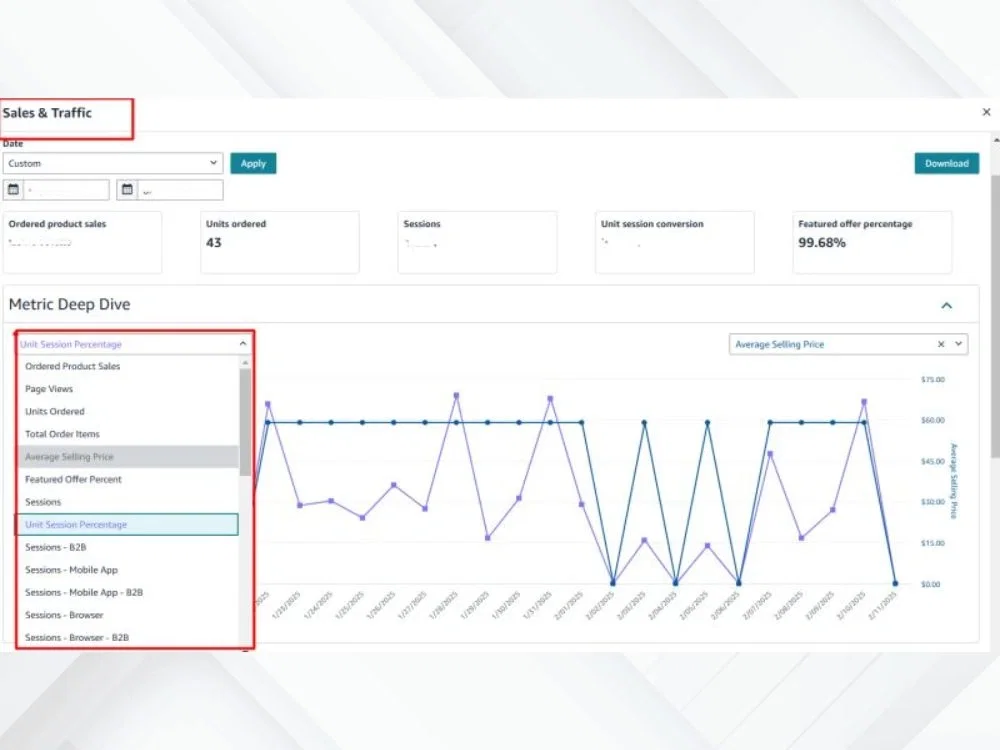
Amazon Introduces Deep Dive Segments Feature in Business Reports
Amazon has launched a major enhancement to its Business Reports dashboard called “Deep Dive Segments,” giving sellers instant access to detailed product performance metrics and interactive visualization tools.
Key Features of the New Segments Tool:
- Interactive ASIN windows: Clicking on any Child ASIN in the ASIN report opens a dedicated deep dive window.
- Comprehensive metrics: Provides immediate access to session trends, page views, and other critical performance indicators.
- Daily performance charts: New visualization tools make trend analysis more intuitive and accessible.
- Historical tracking: Addresses a longstanding gap in Amazon’s native analytics for tracking ASIN performance over time.
Strategic Significance:
- Enhanced analytics within Seller Central: Sellers previously relied on third-party tools for in-depth ASIN tracking, but this update integrates these capabilities into Amazon’s ecosystem.
- Faster decision-making: More immediate access to performance data allows for quicker optimization of product listings and ad strategies.
February 10, 2025
Amazon Adds Customer Journey Analytics
A new feature in Brand Analytics now tracks abandoned carts and wishlists, helping sellers retarget potential customers through Amazon Marketing Cloud (AMC).
Why It Matters:
- Identifies conversion bottlenecks.
- Enables high-intent retargeting campaigns to reduce acquisition costs.
- Helps sellers re-engage shoppers who showed interest but didn’t complete purchases.
Amazon Sends Title Change Recommendations
Amazon is now emailing sellers title change suggestions via Excel attachments. If sellers don’t respond, Amazon will automatically update the title after a deadline.
Key Implications:
- Improves listing standardization across the marketplace.
- Requires seller review to avoid unwanted changes.
- Sellers should analyze recommendations based on their own data before accepting.
Amazon Adds Deep Dive Segments to Business Reports
The Sales Dashboard now includes Deep Dive Segments for instant ASIN performance insights.
Key Features:
- Tabs for declining sales, increasing sales, and declining traffic.
- Clicking a Child ASIN opens a detailed session trend and page view report.
- Eliminates reliance on third-party analytics tools.
This update provides daily performance charts and improved historical tracking for real-time listing optimization. As sellers work across sales, inventory, and advertising data, AI for business intelligence can also help turn information from multiple reports into plain-language answers without requiring teams to jump between dashboards.
Amazon Introduces Budget Sharing Feature
Amazon has launched a beta feature that automatically redistributes unspent daily budgets within an advertising portfolio.
Who Benefits?
- Large advertisers with stable campaigns.
- Maximizes ad spend efficiency.
Potential Risks:
- Reduced budget control for smaller sellers.
- May overspend on campaigns if not carefully monitored.
Amazon Terminates Underperforming Vendors
Amazon has begun removing vendors with:
- Low sales and single-digit margins.
- Revenues under $5MM.
Why?
Amazon is prioritizing $10MM+ vendors to improve profitability and streamline operations. Smaller vendors are being pushed toward 3P selling. making it useful for sellers to understand Amazon 1P vs 3P and how the two models differ.
Amazon Launches Non-Amazon Product Search Results
Amazon has started displaying non-Amazon products in search results, linking to external sellers via:
- Ads
- Buy with Prime
Strategic Impact:
- Expands Amazon’s role as a commerce infrastructure provider.
- Competes with Google Shopping.
- Monetizes Amazon’s search traffic beyond its own marketplace.
Amazon Adds “Customers Mention” Feature
A new widget in search results now highlights positive review snippets. Currently visible only in Incognito mode.
Why It Matters:
- Improves product discoverability for well-reviewed items.
- Helps customers make faster purchase decisions based on real feedback.
- Increases the importance of high-quality reviews.
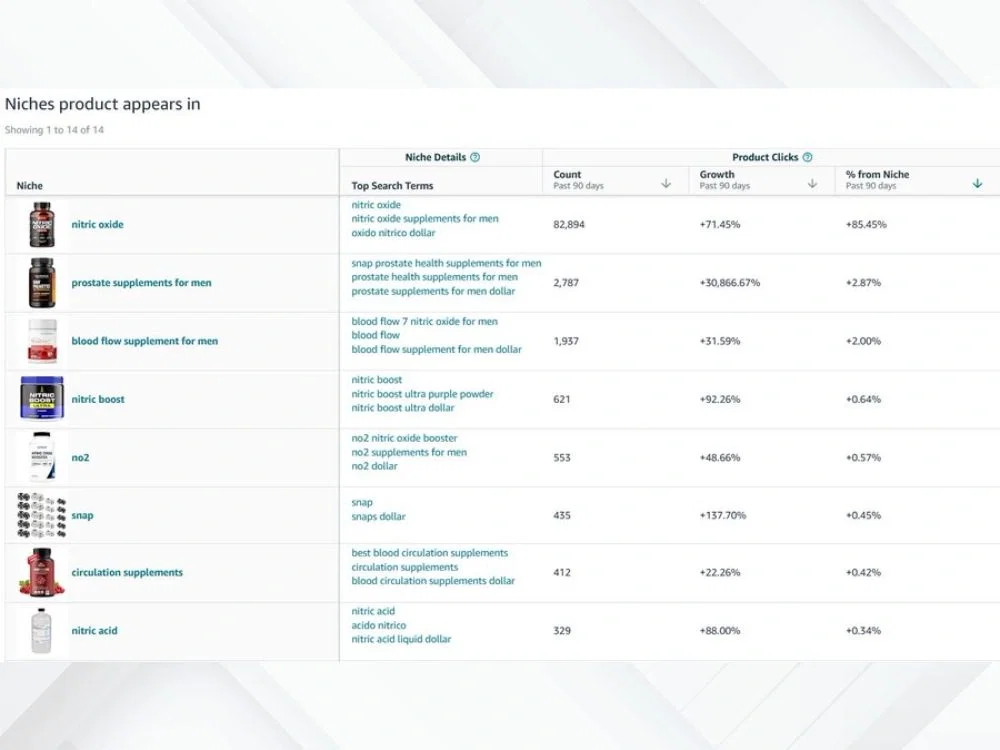
Amazon Introduces Product Opportunity Explorer
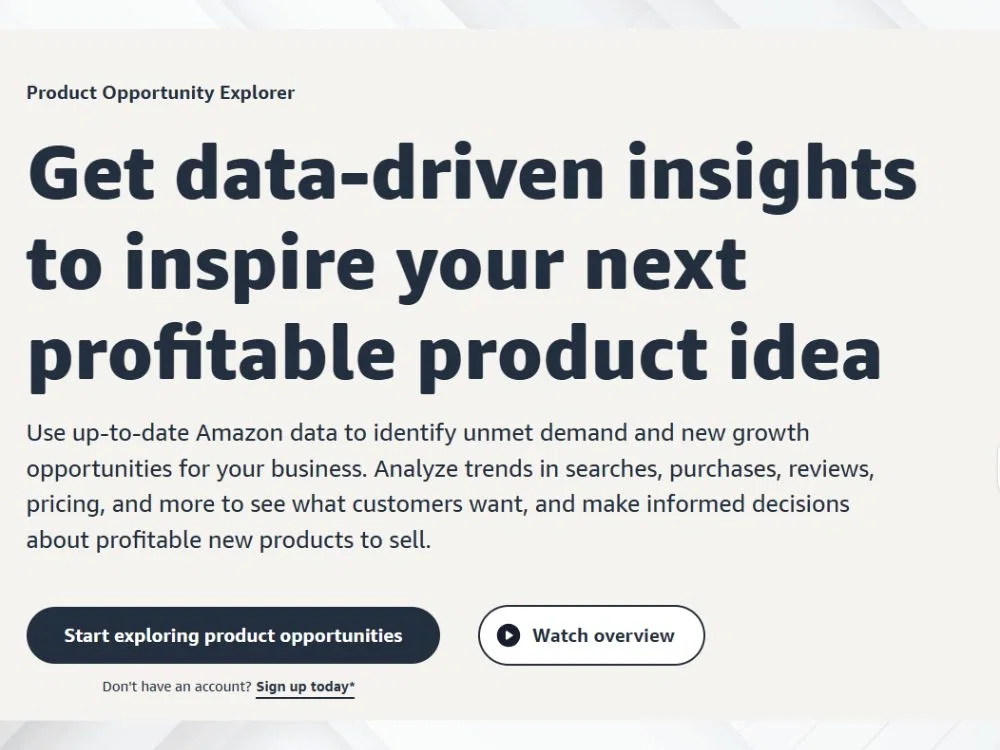
A powerful tool for daily optimization through:
- Competitor analysis
- Keyword tracking
- Review monitoring
- Conversion rate analysis
Impact on Sellers:
- Identifies market gaps and emerging trends.
- Helps refine listings and advertising strategies.
- Provides data-driven insights for growth.
February 3, 2025
Amazon Introduces AI-Powered Listing Tool
Amazon has launched a new AI-driven listing tool in beta, allowing sellers to upload product details via spreadsheet without formatting requirements. The AI automatically converts the information into Amazon-ready listings, simplifying the previously complex process.
Key Features & Considerations:
- Time-Saving Automation – Eliminates manual formatting.
- Caution Required – The “Purge & Replace” option can delete existing listings if misused.
- Current Limitation – Lacks variation grouping support.
This update signals Amazon’s commitment to AI-driven efficiency, though sellers should be cautious due to its beta status.
Manage Experiments UI Update
Amazon has redesigned the Manage Experiments interface, with results potentially appearing in just 3-5 days. However, the update has removed key A/B testing metrics, including:
- Statistical significance data
- Conversion unit tracking
- Context for “winning” variations
The update simplifies the interface but limits true data-driven decision-making. Sellers should manually calculate statistical significance before making listing changes.
Amazon Adds Brand Name Creation Tool
A new “Build Your Brand” feature in Seller Central helps sellers generate unique brand names, simplifying the brand setup process.
Why It Matters:
- Saves time in brainstorming brand names.
- Encourages brand registry participation.
- Aligns with Amazon’s push for branded sellers over generic products.
This tool reduces barriers for new sellers, allowing them to focus on product development and marketing.
Amazon DSP Introduces Rewarded Ads
Amazon’s Demand-Side Platform (DSP) now supports incentive-based display ads with auto-generated creatives and landing pages.
Key Features:
- “Buy X, Get Y” & “Spend X, Get Y” promotions integrated into ads.
- Minimum budget: $667 per order.
- Currently available in the US.
This new ad format enhances Amazon’s advertising ecosystem but may be better suited for established brands due to budget requirements.
Geographic Filters Added to Vendor Central
Vendors can now analyze sales performance at a city, state, country, and postal code level, enabling:
- Better inventory allocation.
- More accurate shipping cost forecasting.
- Informed regional expansion decisions.
Granular geographic insights provide vendors with valuable data for optimizing distribution and marketing strategies.
Amazon Expands Sponsored TV Ad Targeting
New targeting options for Sponsored TV ads now include:
- Interest-based targeting.
- Lifestyle categories.
- In-Market audiences.
These enhancements align Sponsored TV ads with Sponsored Display, improving ad efficiency and audience reach.
Amazon Enters German Eyewear Market
Amazon has launched Amazon Optics in Germany, offering customizable eyewear frames.
Key Features:
- Thousands of frames with shape, color, and lens customization.
- Expansion into specialized retail categories.
- No virtual try-on feature (yet).
This move reflects Amazon’s strategy of creating category-specific retail experiences, following its 2024 automobile launch.
Conclusion
Amazon’s February 2025 AI revolution represents far more than technological advancement—it embodies the culmination of a fundamental power shift in global commerce. As the company transforms from marketplace to meta-marketplace, controlling not just what we buy but how we discover, evaluate, and ultimately decide, we witness the birth of a silicon leviathan whose influence extends far beyond retail. The algorithmic optimization of every commercial interaction comes with hidden costs that transcend financial considerations, potentially reshaping our relationship with consumption itself. For sellers and consumers alike, the question becomes not whether to participate in this AI-driven ecosystem, but how to maintain agency within it as Amazon’s intelligent systems increasingly mediate our economic lives.

Arishekar N is a Vice President (VP) of Marketing at AMZ Prep, specializing in ecommerce fulfillment and Amazon logistics strategies with a proven track record of driving growth for e-commerce businesses. He is a strategic leader with extensive expertise in marketing, e-commerce operations, SEO & advertising, and branding.
Stay updated on his latest insights by following him







Comments