
If you’re looking for a solid, long-term way to build a profitable business on Amazon, wholesale might be worth a serious look. A surprising number of sellers, around 25% of the 6 million third-party sellers on Amazon go the wholesale route. Why? Because it’s predictable, scalable, and you’re dealing with products that already have customer demand.
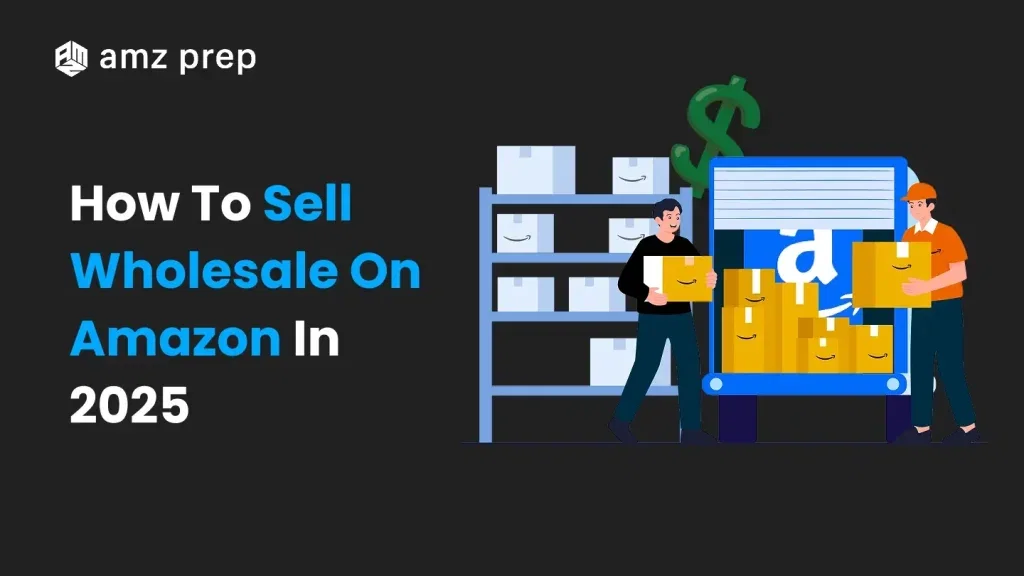
This guide breaks down what Amazon wholesale actually is, how it works, and what steps you can take to get started.
What Is Amazon Wholesale?
Wholesale selling on Amazon is all about buying products in bulk, usually from brands people already know, and reselling them individually on the platform. You are getting those products from either the brand itself or from an authorized distributor, ideally at a lower cost per unit.
This model is different from things like private label (where you create your own brand) or retail arbitrage (buying stuff on clearance and reselling it). Here, you are not trying to invent something new or hunt for discounted items. You are working with existing demand products people are already searching for.
And that’s the biggest reason wholesale works so well. You are not starting from scratch. Customers already want these products. That’s also why many sellers (about 42%) say they got their wholesale business off the ground in under six weeks.
Where to Buy Wholesale Products to Sell on Amazon
Let’s be honest, your suppliers can make or break your business. So let’s talk about where to actually find the products to sell.
1. Buying Directly from Manufacturers
This is usually the best way to get the highest profit margins. If you are selling branded products, Amazon expects you to source them from either the brand or a legit distributor.
You can approach manufacturers by:
- Visiting the brand’s website (they sometimes list wholesale or distributor info)
- Reaching out to their sales team via phone or email
- Going to trade shows, they’re great for building supplier connections
- Using directories like ThomasNet or Maker’s Row to find U.S.-based manufacturers
2. Authorized Distributors and Wholesalers
If direct access to the brand is not an option, look for authorized distributors. These folks already have agreements with the brands and can sell to you in bulk.
Working with them gets you:
- Tiered pricing (you pay less when you buy more)
- Consistent stock levels
- The correct kind of invoices that Amazon might ask for
- Brand authorization letters, if needed
3. Online Wholesale Marketplaces
These platforms help you connect with suppliers globally. Some common options include:
- Alibaba – Mostly international (especially Chinese) suppliers
- Global Sources – Focused on Asian manufacturers
- DHgate – Good for smaller order quantities
- Faire – Based in the U.S., works with independent brands
- Handshake – Another U.S.-based B2B marketplace
One important thing: Always make sure the distributor is authorized. Amazon has rules, especially in gated categories like Health, Beauty, or Grocery. You’ll sometimes need a brand authorization letter or extra documentation to sell in those.
Best Wholesale Products to Sell on Amazon
Why These Categories Make Sense
The categories below are not just picked out of thin air. They have been chosen because they tick the right boxes for wholesale success: strong demand, brand recognition, and repeat purchases.
1. Electronics and Accessories
Electronics are consistently top performers on Amazon. Whether it’s Prime Day or just another shopping weekend, gadgets and accessories tend to sell fast.
Why wholesale works well here:
- New tech comes fast – Every time there’s a new phone or gaming console, people rush to buy accessories
- People search by brand/model – Someone looking for “iPhone 14 case” knows exactly what they want
- Big brands = trust – Apple, Samsung, Sony… no explanation needed
- Repeat purchases – Cables get lost, cases break, headphones stop working
Example: When Apple drops a new iPhone, there’s instantly a spike in demand for compatible accessories – cases, screen protectors, chargers. Wholesalers who source these early from approved vendors often do really well.
2. Beauty and Personal Care
This one’s a high-demand, high-margin space. A lot of beauty and skincare products have solid markup potential, especially with how often they’re featured by influencers.
Why it works for wholesale:
- Influencer-driven – One video on TikTok or Instagram can make a product go viral overnight
- They get used up – Unlike gadgets, these products are consumables—people come back for more
- Good pricing power – Popular brands often support premium pricing
- Steady demand – Beauty routines don’t pause for the seasons
Why wholesale fits: Brands like Neutrogena, CeraVe, or L’Oréal are already household names. You don’t have to introduce the product—you just make sure it’s in stock.
Looking to scale your beauty or personal care brand? With AMZ Prep’s beauty product fulfillment services, you can store, pack, and ship skincare and cosmetic orders with speed and precision
3. Health and Household Products
This category includes essentials people buy regularly, regardless of economic conditions.
Why it works:
- Daily-use items – Think vitamins, paper towels, detergent
- Customers buy in bulk – These are the kind of products people like to stock up on
- Low return rate – Nobody’s returning toilet cleaner because it wasn’t trendy
- Predictable sales – Unlike fads, household items have steady demand
Example: Trusted brands like Centrum, Tide, or Bounty already have a huge base. As a seller, you are plugging into that steady demand instead of creating something new.
4. Kitchen and Home Products
Always in demand, home and kitchen items are among Amazon’s best-performing categories. Around 30% of sellers report higher-than-average margins here.
Why this category excels:
- Everyone needs them – From utensils to organizers, there’s a wide range
- Gifting angle – Many of these items are great for weddings, housewarmings, and holidays
- People upgrade often – New pans, better blenders—there’s always room for something better
- Seasonal boosts – Think Diwali sales, back-to-school, or Christmas
Real Data Behind These Picks
Recent numbers show some top wholesale winners on Amazon include brand-name supplements, electronics accessories, small kitchen appliances, beauty products, books, and even toys with MAP pricing.
Interestingly, some of the less obvious categories actually offer better margins than the super-popular ones. In fact, sellers in certain niches are hitting over 21% net profit margins, something worth keeping an eye on.
How to Sell Wholesale on Amazon: Step-by-Step Process

Step 1: Set Up Your Business the Right Way
Before you reach out to suppliers, make sure your foundation is legit:
- Register your business (LLC or Corporation is usually best). You can use a service from Remote People to simplify the process.
- Get a business license and a resale certificate
- Open a business bank account
- Create professional-looking business cards and letterhead
Step 2: Do Product Research That Actually Matters
You are not trying to create demand, you are trying to meet it. Use the tools and resources Amazon already gives you.
Start with Amazon itself:
- Check Amazon’s Best Seller lists by category
- Look at search suggestions as you type keywords
- Analyze competitor listings and customer reviews
- Use “Customers also bought” sections to spot bundles
Pro Tip: Wholesale sellers rely on Amazon’s Best Sellers Rank (BSR) sales estimators to validate consistent sales velocity and accurately forecast monthly inventory needs. These tools help ensure that purchase volumes meet or exceed minimum order quantities while focusing on brands that demonstrate strong demand but limited distribution. Leveraging BSR estimators prevents tying up capital in slow-moving inventory, making product sourcing more strategic and data-driven.
Then use research tools like:
- Helium 10
- Jungle Scout
- Seller Assistant
- AMZScout
These tools help you dig into keyword trends, competitor performance, and profit potential.
Step 3: Contact Suppliers Professionally
Here’s a basic email template to get started:
Subject: Wholesale Inquiry – [Your Business Name]
Hi [Supplier Name],
My name is [Your Name], and I run [Your Business Name], an Amazon-based retail business focused on [Category, e.g., personal care products].
We’re interested in carrying your [product or brand name] and believe there’s strong potential on the Amazon marketplace.
Here’s a quick overview of our business:
- Federal Tax ID: [EIN]
- Business License: [Number]
- Monthly Sales Volume: $[Estimate]
- Years in Business: [X years]
Would you be open to discussing wholesale pricing and order minimums? I’d be happy to provide further documentation if needed.
Looking forward to your response.
Best regards,
[Your Name]
[Phone]
[Email]
Follow-Up Tips:
- Reach out to 20-30 new suppliers each week
- If there’s no reply, follow up after 5 – 7 days
- Stay polite and professional, even if you don’t hear back
- Be open to starting with smaller orders to build trust
Step 4: Negotiate and Place Your First Order
When you find a supplier who’s interested:
- Ask for price sheets (check if there are bulk discounts)
- Clarify MOQs (minimum order quantities)
- Try negotiating Net 30 payment terms
- Confirm who handles shipping and who pays
- Make sure you will receive valid invoices that Amazon accepts
Step 5: List the Products and Start Selling
Most wholesale sellers don’t create new listings, they jump on existing ones.
Here’s how:
- Use UPC or EAN codes to find the correct product pages
- Confirm you’re matching the exact variation (size, flavor, etc.)
- Optimize your shipping and seller metrics to win the Buy Box
- Keep an eye on price fluctuations and competitors
- Make sure your seller performance stays high
- Partnering with a reliable 3PL company for wholesale fulfillment can help streamline storage, packing, and shipping for smoother operations.
Buying Wholesale and Selling on Amazon: Financial Considerations
How Much Money Do You Really Need to Start?
There’s no universal answer, but here’s a rough breakdown:
- On the low end, you will need at least $3,000 to $5,000. That’s enough to dip your toes in, but it’s also a bit risky.
- A safer bet is around $8,000 to $12,000. This gives you a little breathing room and flexibility.
- If you have got $15,000 to $25,000 to invest, you are in a good spot. That amount allows you to experiment, make mistakes, and still stay in the game.
This money usually goes into things like:
- Buying inventory upfront
- Amazon seller and FBA fees
- Product photography (if you’re creating your own listings)
- Ads and promotions
- And a small buffer to cover operating costs for a few months
Will You Actually Make a Profit?
Not every product you sell will turn into a goldmine. But if you plan carefully, you can definitely make money.
Here’s what you need to account for:
- Cost of the product (wholesale price)
- Shipping to Amazon’s FBA centers
- Amazon referral fees, which range from 8% to 15%
- FBA charges for storing and fulfilling your orders
- Monthly storage fees
- Fees if a customer returns a product
- Ad spend, which usually eats up around 10–20% of your sales
Your goal?
- After all that, try to keep gross profit margins between 30–50%
- Once ads and other overheads are factored in, your net profit margin should still be around 20–30%
- And don’t forget returns, damages, or unsold stuff – they can quietly eat up 5–10% if you are not careful
Where Do You Even Find Wholesale Products That Work?
This is the fun (and tricky) part. You have a couple of smart ways to go about it:
1. Start With the Product
- Look at Amazon’s Best Seller lists in a category you like
- Use tools to see how fast items are selling – and how many sellers are already offering them
- A good sign? Products with over 1,000 monthly sales and less than 10 competitors
- Make sure the brand doesn’t have rules against third-party sellers
- And definitely check if the product requires any approval (some do)
2. Find the Supplier
- Find legit suppliers you can trust (no shady websites)
- Ask them for their catalog and pricing
- Take their products and check if there’s demand on Amazon
- Use tools to run bulk checks and spot profitable items quickly
- Always, always crunch the numbers before you buy anything
Be Careful – Some Things Are Red Flags
Not everything that looks good on paper will work out. Watch out for:
- Brands that won’t let you advertise below a certain price (MAP policies)
- Products that constantly trigger intellectual property complaints
- Super seasonal stuff – unless you’re ready to deal with the ups and downs
- Cheap unbranded products claiming to be “wholesale deals”
- Suppliers that charge sign-up fees or ask for payment before showing you real products
Can You Legally Sell Wholesale Items on Amazon?
Short answer: Yes. But only if you have got the paperwork to back it up.
Amazon’s strict about who sells what. If you try selling branded products without permission, you could get hit with IP complaints or even lose your account. Here’s what you’ll need:
- Written approval from the brand itself
- Invoices from authorized distributors
- Documentation if you’re selling in restricted categories
Gated Categories? You will Need to Unlock Them First
Some categories like Beauty, Health, or Grocery are restricted. That means you can’t sell there right away. You’ll need to:
- Submit invoices showing you bought at least 10 units
- Make sure your invoice looks professional and includes the supplier’s contact info
- Submit recent invoices (usually within 90 days)
Thinking About Selling in Canada or the UK?
There’s a growing market in places like Canada and the UK, but a few extra steps too:
For Canada:
- If you make over CAD $30,000 in sales a year, you’ll need to register for GST/HST
- Know your provincial taxes – they vary
- Keep an eye on currency conversion rates; they can affect your pricing and profits. Working with a reliable Canada 3PL fulfillment partner can help you handle these headaches managing conversions, logistics, and cross-border pricing more efficiently.
Best Ways to Learn How to Sell Wholesale on Amazon
Let’s start with what’s out there – both free and paid options – so you can build your knowledge at your own pace.
Free Resources You Shouldn’t Ignore:
- Amazon Seller University – This is Amazon’s own training library. Solid basics.
- YouTube channels – Try Jungle Scout, Helium 10, or Amazing Selling Machine. They post real-world insights often.
- Facebook groups & seller forums – These communities are full of people at all levels. You’ll learn a ton just by reading threads and asking smart questions.
- Podcasts & blogs – Perfect for learning while commuting or taking a break.
Considering Paid Courses? A Few Things to Watch Out For:
- Look for courses that offer a money-back guarantee
- Check the instructor’s actual experience — real screenshots, case studies, and reviews matter
- Be cautious of courses making big income promises (if it sounds too good to be true…)
Keep Your Knowledge Fresh: Learn While You Sell
Selling wholesale is not just about one-time learning. Amazon keeps changing the rules, so you will need to keep learning too.
Here’s how:
- Stay up to date with Amazon’s policy updates
- Join wholesale-specific seller groups – tons of insights there
- Attend online trade shows and webinars – great for supplier connections too
- Subscribe to a few solid newsletters in the eCommerce or wholesale space
Finding Profitable Wholesale Products: Going Beyond the Basics
Once you know how things work, the next big question is: what do I sell?
Let’s go a bit deeper with this.
A Smarter Way to Choose Products:
- Demand check: Make sure people are actually searching — aim for products with 1,000+ monthly keyword searches
- Low competition: Look for fewer than 15 solid sellers actively listing that item
- Profit margins: You want at least 30% gross margins after fees
- Brand access: Can you get legit authorization to sell? No brand approval = big headache
- Future demand: Check if the product has steady or growing sales over the last 6 months (use tools!)
Tools That Help You Get This Right:
- Keepa – Great for checking past sales and pricing trends
- Viral Launch – Helps with market research and keyword data
- Seller Assistant – Ideal for bulk checks and making sure you’re not gated
- AMZScout Chrome Extension – Handy for quick profit and sales analysis while browsing
How to Grow Your Wholesale Business Over Time
Building a successful Amazon business doesn’t happen overnight. Here’s a rough idea of how your first year might look:
Months 1–3: Laying the Groundwork
- Build relationships with 3–5 reliable suppliers
- Launch around 10–20 products that have actual demand
- Stick to one category to avoid spreading yourself too thin
- Focus on getting good reviews and metrics
Months 4–6: Streamlining and Growing
- Add more SKUs from the suppliers that are working out
- Try automated repricing to stay competitive
- Set up SOPs (standard processes) for things you do often
- Think about hiring a VA to help with repetitive tasks
Months 7–12: Time to Scale
- Add related product categories
- Test other Amazon marketplaces like Canada or the UK
- Negotiate better pricing or terms with suppliers
- Consider launching private label products if some SKUs are doing really well
Avoid These Common Mistakes
No matter how well you plan, things can go sideways. These are the biggest issues most new sellers face – and how to handle them smartly:
Inventory Management Issues
It’s easy to over-order or run out of stock. Either one can hurt your business.
- Use Amazon’s inventory tools for forecasting
- Set automated reorder levels
- Aim to keep a 90-day supply of fast-moving products
- Watch your sales weekly and tweak orders as needed
Cash Flow Struggles
Wholesale needs upfront capital, and if you’re not prepared, things get tight quickly.
- Keep at least 3 months of operating costs in reserve
- Negotiate Net 30 payment terms when possible
- Use Amazon’s early payout options to get cash faster
- If needed, look into a small business credit line for inventory purchases
Price Wars
Lots of sellers on one listing means one thing: competition. But it’s not just about being the cheapest.
- Work on winning the Buy Box through great performance metrics
- Keep pricing competitive, but don’t kill your margins
- Try bundling products or adding extras to stand out
- Building strong supplier relationships can get you better prices
What’s Ahead for Amazon Wholesale in 2026 and Beyond?
The eCommerce world keeps changing. If you want to stick around, you’ve got to keep adapting. Here are some trends that are gaining steam:
Growing Product Niches:
- Eco-friendly and sustainable items
- Wellness and health-related products
- Smart home gear and connected devices
- Subscription-based consumables
- Cross-border products for untapped global markets
Tech Is Taking Over:
- AI-based inventory tracking and forecasting
- Supplier management tools that save hours every week
- Advanced sales analytics dashboards
- Voice shopping is becoming a thing — get ready
- Mobile-first listings = better customer experience
What Should You Do Next?
Let’s say you are ready to take action. Here’s what you can do right away:
Immediate Action Steps:
- Pick your first product category (based on interest, demand, and budget)
- Set up your legal business and grab any required licenses
- Build a list of 50+ potential suppliers to contact
- Register for an Amazon Seller Central account
- Start doing product research using the tools we discussed
- Plan your budget – aim for $8,000–$12,000 minimum to start strong
- Start emailing suppliers with clear, professional inquiries
Wholesale on Amazon isn’t a quick win. It’s more like a steady climb. The sellers who do well are the ones who take the time to build real supplier relationships, stay on top of their customer service, and keep tweaking their strategy as the market shifts.
Here’s the upside: the opportunity is bigger than you might think. Amazon has 30% fewer sellers now than it did in 2021, but the ones who stuck around? They’re pulling in around $250,000 a year on average. That’s the kind of consistent, long-term success wholesale can deliver if you play it smart and stay in the game.
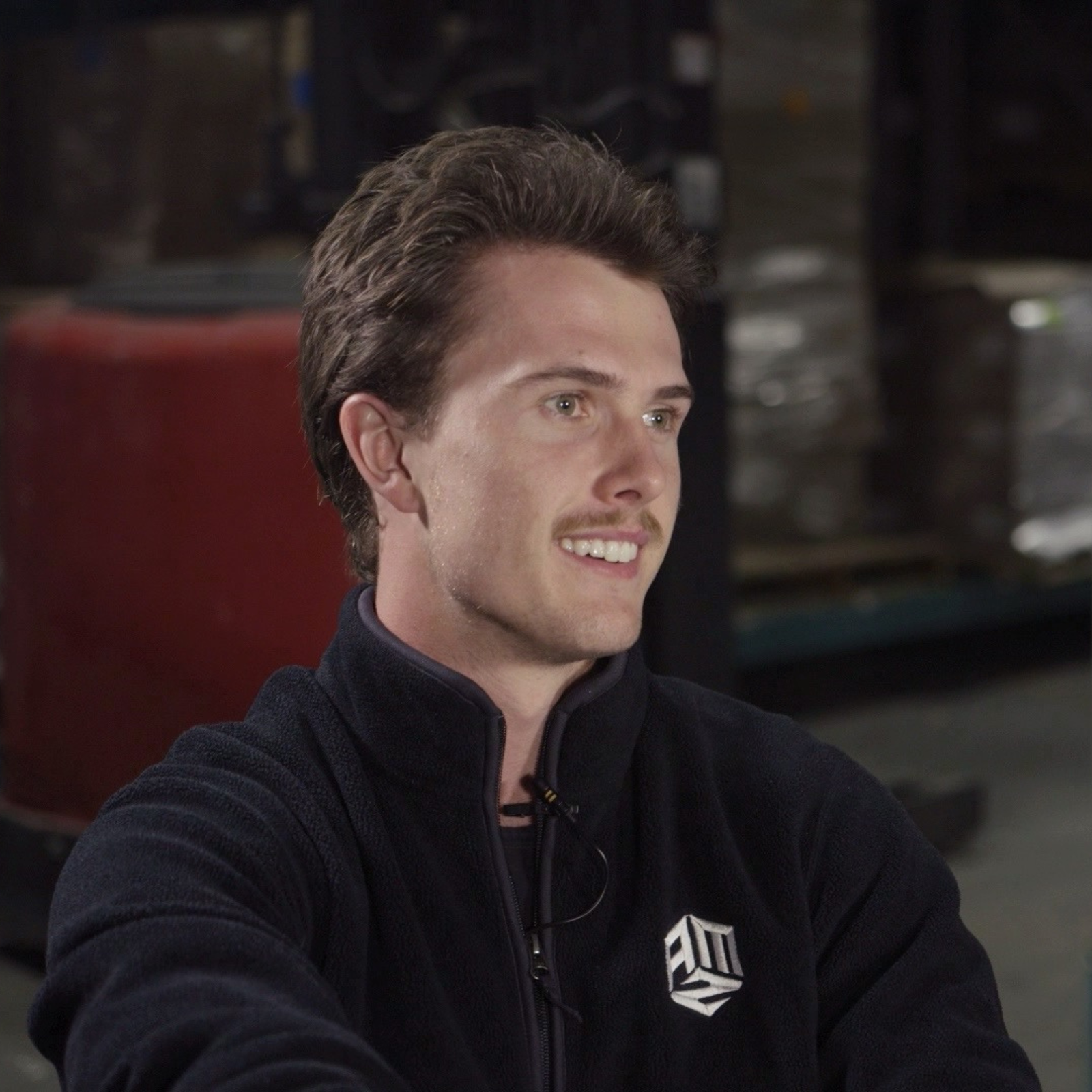
Blair Forrest is the Founder of AMZ Prep, one of North America’s fastest-growing third-party logistics and fulfillment networks, built entirely without outside capital since 2016. Under his leadership, AMZ Prep has scaled to 50+ fulfillment centers across 6 countries, processing over 8 million units monthly and powering $2 billion+ in annual GMV for more than 5,000 brands worldwide including 437, Silverts, Saltyface, Unilever, Duracell, and JBL. A recognized authority in eCommerce logistics, Amazon FBA strategy, and supply chain optimization, Blair has helped thousands of sellers and brands master their fulfillment operations from first shipment to enterprise scale. He regularly consults on FBA prep, multi-channel fulfillment, last mile delivery, international expansion, and cost reduction strategies that save brands 20–40% compared to traditional 3PL providers. Blair’s insights on Amazon logistics, 3PL operations, and eCommerce growth are widely cited across the industry. Through AMZ Prep’s content, guides, and resources, he continues to share battle-tested strategies drawn from managing one of the largest independently owned fulfillment networks in North America.
















The posts and articles you share are very successful. congratulations.
Your articles and comments are really nicce. We wish you luck. good day.
I’m not that much of a internet reader to be honest but your sites really nice, keep it up!
I’ll go ahead and bookmark your website to come back in the future.
Hi there,
Thanks so much for the comment and feedback. We have tons of exciting blogs, so let me know what you’d love to see and learn more about!
Francis, AMZ Prep