
I’ve watched Amazon evolve from a fulfillment platform into something much bigger.
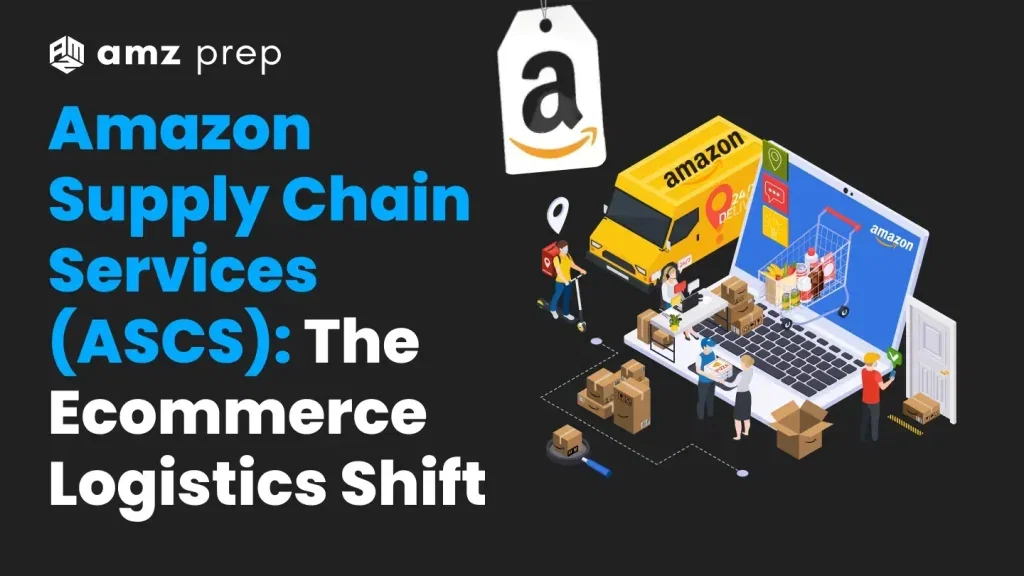
What started as FBA has become a complete logistics ecosystem. It now touches freight, storage, replenishment, fulfillment, distribution, and even multi-channel operations.
On the surface, the appeal is easy to understand.
One network.
One system.
Less operational complexity.
For many brands, that level of consolidation feels like the logical next step.
But I also believe consolidation creates concentration risk.
The more your inventory movement, storage, routing, and fulfillment depend on a single platform, the more exposed you become to fee increases, policy changes, capacity restrictions, and operational dependency.
This is not an argument against Amazon.
Amazon remains one of the most powerful fulfillment ecosystems ever built.
The real strategic question is different:
How much of your logistics should Amazon control?
The brands that answer that question correctly will likely move faster, protect margins more effectively, and scale with far less disruption.
What Amazon Supply Chain Services Actually Is
Amazon Supply Chain Services is Amazon’s end-to-end logistics network for businesses.
Instead of only handling final-mile fulfillment through FBA, Amazon now supports multiple parts of the supply chain:
- Freight movement
- Warehousing
- Inventory storage
- Replenishment
- Distribution
- Multi-channel fulfillment
- Customer delivery
The goal is simple.
Keep more of the supply chain inside Amazon’s infrastructure.
For ecommerce brands, that can create real operational advantages:
- Faster inventory movement
- Simpler workflows
- Better visibility
- Reduced coordination across vendors
- Potentially lower operational overhead
For some brands, ASCS may genuinely improve efficiency.
But efficiency and resilience are not always the same thing.
The Real Strategic Risk: Operational Concentration
The biggest risk with ASCS is not operational failure.
It is operational concentration.
When a single ecosystem controls:
- inbound freight
- storage
- replenishment
- routing
- fulfillment
- customer delivery
small platform changes can create large business consequences.
That matters because Amazon changes constantly.
Storage limits shift.
Fees change.
Programs evolve.
Requirements tighten.
Brands that centralize too aggressively often discover how dependent they have become only after the system changes.
The issue is not whether Amazon is good or bad.
The issue is flexibility.
Because once a brand builds its operations entirely around one ecosystem, switching becomes expensive.
Why This Matters More in 2026
The logistics conversation has changed.
A few years ago, most brands optimized primarily for speed.
Now they also need to optimize for:
- margin protection
- inventory efficiency
- channel diversification
- operational resilience
- customer experience control
At the same time, Amazon is becoming more integrated.
Its logistics ecosystem is expanding deeper into the supply chain.
That creates leverage.
But it also increases dependency risk for brands that do not maintain operational flexibility.
The Hybrid Logistics Model
The strongest eCommerce operations are no longer fully centralized or fully fragmented.
They are hybrid.
That means using Amazon where Amazon creates clear advantages while maintaining independent infrastructure where flexibility matters.
For example:
| Function | Best Fit |
| Fast-moving FBA replenishment | Amazon |
| DTC fulfillment experience | Independent 3PL |
| International expansion | Hybrid |
| Long-term reserve inventory | Independent warehousing |
| Marketplace fulfillment | Amazon |
| Multi-channel routing | Flexible external systems |
The goal is not to avoid Amazon.
The goal is to avoid becoming operationally trapped inside a single system.
Many brands are also exploring zone skipping strategies to reduce parcel costs and improve delivery speed across distributed inventory networks.
The Questions Operators Should Actually Ask
Most brands ask the wrong questions about ASCS.
They ask:
“Is it cheaper?”
“Is it faster?”
“Will it reduce complexity?”
Those questions matter.
But strategic operators go deeper.
1. What happens if Amazon changes the rules?
If fulfillment fees rise, storage limits tighten, or routing requirements change, how exposed is the business?
2. What percentage of revenue depends on Amazon-controlled logistics?
The higher the dependency, the greater the operational concentration risk.
3. At what scale does diversification become financially justified?
Smaller brands may benefit from consolidation.
Larger brands often benefit from flexibility.
4. What is the switching cost?
If the company needed to move inventory or fulfillment operations quickly, how difficult would that transition be?
5. Which parts of the customer experience should remain under direct control?
For many brands, DTC fulfillment and post-purchase experience remain strategically important.
These are operational questions.
Not just fulfillment questions.
Where Amazon Creates Real Value
A balanced analysis matters.
Amazon’s logistics ecosystem is genuinely powerful.
For many brands, it solves real operational problems:
- Faster fulfillment
- Simplified inbound logistics
- Reduced coordination
- Strong marketplace integration
- Scalable infrastructure
For newer brands especially, ASCS may reduce operational complexity significantly.
The mistake is not using Amazon.
The mistake is assuming convenience automatically equals long-term resilience.
For many brands, the real goal is improving operational efficiency while protecting Amazon seller profit margins from rising logistics and fulfillment costs.
What Smart Brands Are Doing Instead
The strongest operators are not choosing between Amazon and independent logistics.
They are designing systems that allow both.
That usually looks like:
- Amazon for marketplace fulfillment
- Independent fulfillment for DTC
- Distributed inventory positioning
- Flexible routing systems
- Multi-channel inventory visibility
- Backup operational capacity
This creates optionality.
And optionality matters when platforms change.
Some brands are also evaluating whether Amazon Seller Flex fits into a broader hybrid fulfillment strategy.
Where AMZ Prep Fits
Most brands understand the importance of flexibility.
The challenge is execution.
Building hybrid logistics infrastructure requires:
- inventory coordination
- routing logic
- warehouse management
- multi-channel fulfillment systems
- operational visibility
- scalable fulfillment processes
That is where AMZ Prep fits.
AMZ Prep helps brands build logistics systems that support both Amazon growth and operational flexibility.
The goal is not to replace Amazon.
The goal is to help brands avoid over-dependence while still benefiting from Amazon’s scale.
Final Takeaway
Amazon Supply Chain Services is a major change in ecommerce logistics.
For some brands, it will improve speed, efficiency, and scalability.
But every operational advantage comes with a strategic tradeoff.
The more centralized logistics becomes, the more important flexibility becomes.
The brands that scale successfully over the next few years will likely not be the ones that avoid Amazon.
This becomes especially important when brands start evaluating LTL vs FTL shipping strategies for Amazon replenishment and inventory movement.
They will be the ones that understand exactly where Amazon creates leverage and where independent control still matters.
That balance is becoming one of the most important operational decisions in ecommerce.
If your team is evaluating Amazon Supply Chain Services, the first step is not choosing a provider.
It is understanding your operational exposure.
Audit:
- how inventory moves
- where fulfillment dependency exists
- how quickly operations could shift if needed
- which channels require independent infrastructure
Brands that understand those risks early usually make better long-term logistics decisions.
And those decisions become harder to reverse later.

Arishekar N is a Vice President (VP) of Marketing at AMZ Prep, specializing in ecommerce fulfillment and Amazon logistics strategies with a proven track record of driving growth for e-commerce businesses. He is a strategic leader with extensive expertise in marketing, e-commerce operations, SEO & advertising, and branding.
Stay updated on his latest insights by following him
















Comments