
You walk into your warehouse Monday morning and see your team loading fresh products into the back while expired goods sit collecting dust up front. Your stomach drops as you calculate the thousands of dollars in waste staring back at you.
This scenario plays out in warehouses across the country every single day. You’re watching your profits literally rot on the shelves while paying for storage space, insurance, and handling for products that will never sell. The frustration builds as you realize this isn’t just a one-time problem – it’s a systematic failure costing your business serious money.
Here’s what most business owners don’t realize: there’s a proven method that Fortune 500 companies use to eliminate this waste entirely. When you implement this strategy correctly, you’ll stop throwing money away on expired inventory and start seeing immediate improvements in your bottom line.
What is the Meaning of FIFO in Inventory Management
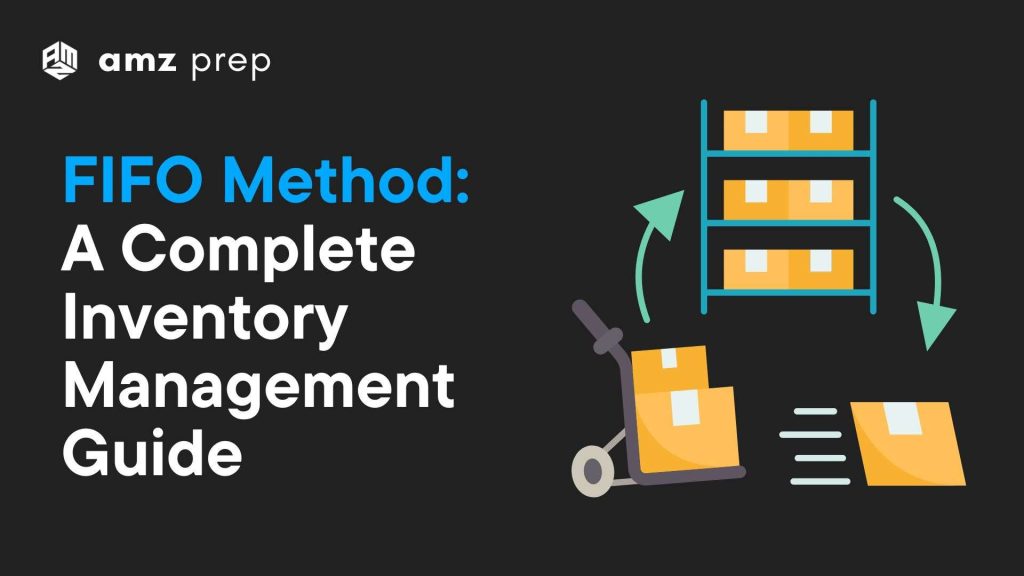
Let’s cut through the jargon and talk about what FIFO actually means for your business. FIFO stands for “First-In, First-Out,” and it’s exactly what it sounds like – you sell or use your oldest inventory before touching the newer stuff.
Think about how you organize your refrigerator at home. You put the new milk behind the old milk so you use up what you bought first. That’s the first in first out principle in action, and it works the same way in your business.
The FIFO method isn’t just about moving old products first – it’s about creating a system that naturally prevents waste while keeping your customers happy with fresh inventory. When you understand what FIFO really means, you realize it’s more than an accounting technique. It’s a business strategy that protects your investment in inventory.
You might hear people talk about FIFO in accounting terms, but don’t get confused by the technical language. At its core, this method helps you move products in the most logical order possible. Your oldest items go out the door first, which means you’re less likely to deal with spoiled goods, expired products, or obsolete inventory.
FIFO Formula
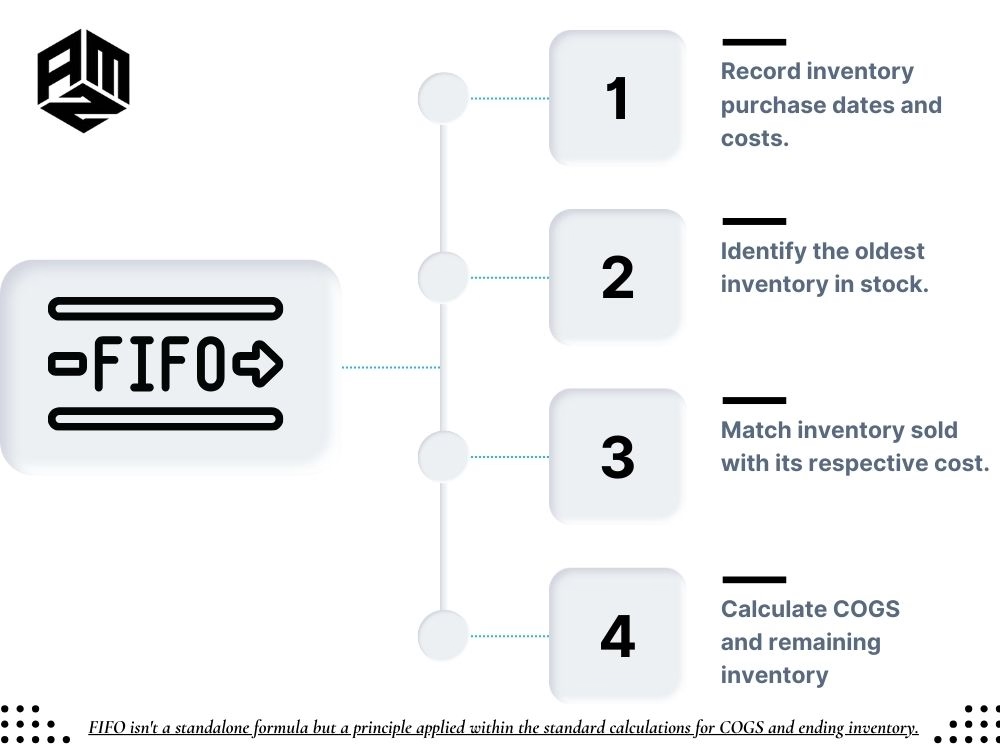
You don’t need a business degree to calculate FIFO – it’s actually pretty straightforward once you see how it works. Here’s the basic formula you’ll use:

Cost of Goods Sold = (Cost of oldest inventory × Units sold) + (Next oldest inventory cost × Remaining units sold)
Let me show you exactly how to find FIFO costs with a real example. Say you run a coffee shop and here’s your bean inventory:
Your Coffee Bean Purchases:
- January 5th: You bought 300 pounds at $12 per pound = $3,600
- January 20th: You bought 400 pounds at $13 per pound = $5,200
- February 1st: You bought 200 pounds at $14 per pound = $2,800
February Sales: You sold 500 pounds of coffee beans
Here’s how you calculate FIFO:
- Start with your oldest inventory (January 5th): 300 pounds × $12 = $3,600
- You still need to account for 200 more pounds, so use the next oldest (January 20th): 200 pounds × $13 = $2,600
- Your total cost of goods sold: $3,600 + $2,600 = $6,200
What’s left in inventory:
- 200 pounds from January 20th at $13 = $2,600
- 200 pounds from February 1st at $14 = $2,800
- Total remaining inventory value: $5,400
This is how you calculate FIFO in practice. You always start with what came in first and work your way forward through your purchase dates.
Industries that Practice FIFO
You’ll find FIFO working behind the scenes in more places than you might expect. Different industries use first in first out for their own specific reasons, but they all share one goal: protecting their investment while serving customers better.
Food and Grocery Industry
Walk into any major grocery chain and you’re seeing FIFO in action. When stockers load new milk cartons, they push the older ones to the front. Fast-casual restaurant chains built their reputation on fresh ingredients by rotating their inventory religiously. You can’t afford to serve spoiled food, and neither can they.
Pharmacy and Healthcare
Your local pharmacy or hospital pharmacy management can’t mess around with expired medications. When someone’s health depends on the effectiveness of a drug, you need systems that guarantee the oldest stock moves first. This isn’t just good business – it’s a matter of patient safety.
Suggested Read: Pharmaceutical Cold Storage: Best Practices & Compliance Guide
Beauty and Cosmetics
Major beauty retailers know that expired makeup isn’t just ineffective – it can actually harm customers. Mascara that’s too old can cause eye infections, and expired skincare products lose their potency. They rotate stock to protect both their customers and their reputation.
Electronics Retail
Electronics retailers face a different challenge. Their products don’t spoil, but they become obsolete fast. You don’t want to get stuck with last year’s smartphone models when the new ones come out. Moving older electronics first prevents dead inventory.
Auto Parts Industry
If you run an auto parts business, you know seasonal items create storage challenges. Winter tires need to move during cold months, and you can’t afford to have them taking up space when spring arrives. FIFO helps you clear seasonal inventory before it becomes a storage problem.
Warehouse Layout for FIFO
Your warehouse layout either supports FIFO or fights against it – there’s no middle ground. When you design your space correctly, your team will naturally follow first in first out principles without even thinking about it.
Create a Natural Flow
Think of your warehouse like a river, not a lake. Products should flow from your receiving dock to your shipping area without creating stagnant pools where inventory gets forgotten. Your oldest products need to be the easiest ones to reach, while newer inventory waits in less convenient spots.
Design Your Receiving Area
Everything starts at your receiving dock. You need a dedicated space where new inventory gets dated and logged before it goes anywhere else. No shortcuts allowed – every single item gets a timestamp the moment it arrives. This discipline at the front end makes everything else work smoothly.
Organize Your Storage Zones
Your primary storage area should house your oldest inventory in the most accessible locations. Put these items where your pickers can see them clearly and reach them easily. Make grabbing older inventory the path of least resistance.
Secondary storage areas hold your newer inventory. These spots should be less convenient to access, which naturally encourages your team to grab older products first. When reaching for new inventory requires extra effort, people instinctively go for what’s easier to access.
Plan Your Shipping Zone
Your final area should include space for quality checks before products leave your facility. This gives you one last chance to catch any expired or damaged items before they reach customers. Think of this as your quality control checkpoint.
How to do Warehouse Storage Space Optimization for FIFO Inventory Management
You can maximize your storage space while still maintaining proper inventory rotation – you just need to think creatively about your solutions.
Go Vertical When Possible
Most warehouses have plenty of unused space above eye level. High-bay racking systems can triple your storage capacity while keeping your FIFO system intact. You’ll need equipment to access higher shelves, but the space savings usually justify the investment.
Cantilever racking works great for long items like lumber or carpet rolls. You can design these systems so older inventory automatically stays in front positions, making first in first out rotation almost automatic.
Use Technology to Your Advantage
The most optimal storage locations can be determined by warehouse management systems upon the date of item arrival. Your team is no longer responsible for determining the placement of items; rather, the computer instructs them on the precise location to store new inventory and which items to prioritize.
Storage and retrieval systems that are automated eliminate human error entirely. These computer-controlled systems automatically pick the oldest inventory when fulfilling orders, ensuring that you never have to worry about someone inadvertently snatching newer products.
Adapt to Seasonal Changes
Your warehouse should be capable of accommodating the fluctuations in your storage requirements that occur throughout the year. Utilize storage space that is adaptable to the size and quantity of varied products. In peak seasons, it may be necessary to establish excess areas that do not interfere with the standard FIFO flow. Use free FBA inventory forecast tool to align rotation schedules with demand patterns.
Cross-docking areas are effective for products that are in high demand and do not require conventional storage. These items are transported directly from the receiving area to the transportation area, thereby circumventing your storage areas.
What is the Difference between FIFO, LIFO, FEFO, LEFO, HIFO, LOFO (Comparison Table)
Understanding your options helps you choose the right approach for your specific business needs. Here’s how different inventory methods compare:
| Method | What It Means | How It Works | Best For | Main Advantage | Biggest Drawback |
|---|---|---|---|---|---|
| FIFO | First-In, First-Out | Sell oldest items first | Perishable goods, most retail businesses | Reduces spoilage, shows higher profits during inflation | Higher taxes due to increased reported income |
| LIFO | Last-In, First-Out | Sell newest items first | Non-perishable bulk goods | Lowers taxes during inflation periods | Unsuitable for anything that can spoil or expire |
| FEFO | First-Expired, First-Out | Sell items closest to expiration first | Pharmaceuticals, foods with varying shelf lives | Maximizes product freshness | Requires complex tracking of expiration dates |
| LEFO | Last-Expired, First-Out | Sell items furthest from expiration first | Emergency supplies, strategic stockpiling | Extends overall shelf life of inventory | High risk of losing products to expiration |
| HIFO | Highest-In, First-Out | Sell most expensive items first | Luxury goods, tax planning | Quickly reduces taxable income | Can hurt profitability reports |
| LOFO | Lowest-In, First-Out | Sell cheapest items first | Commodity trading | Maximizes reported profits | Creates higher tax burden |
Most retail and food businesses find that FIFO offers the best balance of waste reduction, customer satisfaction, and financial performance. FIFO vs LIFO comes down to whether your products can spoil and what your tax situation looks like.
FIFO Strategies for Inventory Management
Success with FIFO requires more than good intentions – you need concrete strategies that work when your warehouse gets busy and your team feels pressured to take shortcuts.
Focus on Your Problem Areas First
You probably know which 20% of your inventory causes 80% of your headaches. Start your FIFO implementation with these high-risk products. Once you’ve got systems working for your most problematic items, you can expand the approach to other products.
Make It Visual
Your team should be able to spot older inventory from across the warehouse. Color-coded labels work great – red for items that need to move immediately, yellow for products approaching their limits, and green for fresh inventory. When the system is visual, you don’t have to rely on people remembering dates.
Use the Two-Bin System
This works especially well for smaller items. When your first bin empties, you start using the second while reordering new inventory. The new shipment refills the first bin, naturally maintaining proper rotation. It’s simple, foolproof, and doesn’t require any technology.
Train Your Team on Why
People follow procedures better when they understand the reasoning behind them. Show how FIFO protects the business’s investments, keeps customers happy, and, in the end, keeps everyone’s job safe. Team members are more likely to stick with the method even if it’s not handy if they can see the bigger picture.
Track Your Success
Measure your FIFO compliance rates and share the results with your team. Celebrate improvements and address problems quickly. What gets measured gets managed, and your inventory rotation is no exception.
Advantages of FIFO in Inventory Management
The benefits of implementing FIFO extend far beyond just moving old inventory – you’ll see improvements throughout your entire operation.
Your Cash Flow Improves
When products move faster, your money comes back faster. As opposed to capital remaining in aged inventory, you are consistently converting investment into sales revenue. Enhanced cash flow provides you with greater adaptability in the face of unforeseen challenges and growth opportunities.
You’ll Write Off Less Inventory
Every expired product represents pure loss – there’s no recovering that investment. FIFO dramatically reduces these painful write-offs by ensuring products move before they become unsellable. The money you save here drops directly to your bottom line.
Your Financial Statements Look Better
During periods of rising prices, FIFO shows higher profits because you’re selling older, cheaper inventory while newer, more expensive inventory stays on your balance sheet. This can improve your company’s perceived financial performance when seeking loans or investors.
Customer Satisfaction Increases
No one desires to receive products that are outdated, expired, or deteriorating. Customers recognize and value the quality of your inventory when it is consistently replenished. Your business is recommended to others by satisfied customers, who become repeat customers.
You’ll Stay Compliant with Regulations
Many industries require or strongly recommend FIFO rotation practices. Having documented systems in place keeps you compliant with regulations and can reduce insurance costs. Auditors also appreciate clean, traceable inventory records.
Real Time Example of FIFO Inventory Management (eCommerce Fulfillment)
Let me share a real transformation that shows exactly how FIFO can change your business results.
A regional organic food distributor, was hemorrhaging money despite strong sales. They were moving $30 million worth of organic products annually but writing off over $2.5 million in expired inventory every year. A write-off rate like that is usually a rotation problem rather than a buying problem, and it is the exact case the best food inventory software is bought to solve. Customer complaints about receiving products close to expiration were hurting their reputation and costing them repeat business.
Their warehouse operated on convenience rather than strategy. Workers grabbed whatever products were easiest to reach, leaving older inventory in hard-to-access locations where it aged out of sellability.
The FIFO Implementation Process
The company committed to a complete FIFO overhaul, starting with their highest-risk products – fresh produce, dairy, and prepared foods.
Month 1: Assessment and Planning
They audited their current practices and found $1.8 million in aging inventory at immediate risk of expiring. The team mapped out a new warehouse flow that would naturally support first in first out rotation.
Month 2-3: Physical Changes
The warehouse layout got completely reorganized. Older inventory moved to the most accessible locations while newer products went to secondary storage areas. They installed better lighting and clear date marking throughout the facility.
Month 4-5: Technology and Training
A new warehouse management system automatically directed pickers to oldest inventory locations. All 85 employees received training on the new procedures, with special emphasis on why FIFO mattered for the company’s survival.
Month 6: Fine-tuning
They worked out the inevitable kinks in the system, adjusted workflows, and established regular compliance monitoring.
The Results Were Dramatic After one full year of FIFO implementation:
Financial Improvements:
- Inventory write-offs dropped from $2.5 million to $400,000 (84% reduction)
- Customer satisfaction scores improved from 3.1 to 4.6 stars
- Inventory turnover increased from 15 times per year to 22 times
- Return on FIFO investment: 520% in year one
Operational Changes:
- Product picking accuracy improved from 91% to 99.4%
- Staff productivity increased 28% (items processed per hour)
- Customer complaints decreased by 76%
- Employee satisfaction improved as work became more systematic
Long-term Benefits:
- Insurance premiums decreased 12% due to better risk management
- Supplier relationships improved due to fewer returns and complaints
- The company qualified for organic certification programs that required strict rotation practices
- Employee turnover decreased as work became less stressful and more predictable
This transformation didn’t happen overnight, but the systematic approach to first in first out created sustainable change that continues delivering value years later.
Final Thoughts
You’ve now got everything you need to implement FIFO in your own operation. The method isn’t complicated, but it does require commitment to creating systems that work even when you’re not there to supervise every decision.
Remember that FIFO succeeds or fails based on your team’s buy-in. You can have the best warehouse layout and the most sophisticated technology, but if your people don’t understand why rotation matters, they’ll find ways around your systems when things get busy.
Start small with your most problematic inventory items. Get those working smoothly before expanding to other products. Build success upon success rather than trying to change everything at once.
The investment you make in proper FIFO systems pays dividends for years. You will cut down on waste, make customers happier, and make your cash flow more predictable. Most importantly, you’ll cease paying for storage space for stuff that will never sell and allow your earnings to fall apart on warehouse shelves.
Your competitors are probably still operating on convenience rather than strategy. When you master first in first out principles, you’ll gain a sustainable advantage that’s hard to replicate.
Frequently Asked Questions (FAQs)
What does FIFO actually mean for my business?
FIFO means you sell or use your oldest inventory before touching newer products. It’s like organizing your pantry at home – you use the older cans before opening new ones. This simple principle prevents waste and keeps your customers happy with fresh products.
How do I calculate my inventory costs using FIFO?
Start with your oldest purchases and work forward chronologically. If you sold 100 units and your oldest batch was 60 units at $5 each, that’s $300. Then take 40 units from your next oldest batch at $6 each for another $240. Your total cost would be $540.
Should I use FIFO or LIFO for my inventory?
FIFO is almost always preferable if you sell items that can deteriorate, expire, or lose relevance. In some cases, LIFO may reduce your tax liability, but it’s ineffective for inventory management and unsafe for perishable goods.
What types of businesses benefit most from FIFO?
Food companies, restaurants, pharmacies, cosmetics retailers, and electronics stores see the biggest benefits. Really, any business where products lose value over time should consider FIFO rotation.
Do I need expensive software to implement FIFO?
No. You may start with manual tracking and color labeling. But when your firm expands, warehouse management software makes it lot simpler to keep FIFO going, particularly if you have hundreds or thousands of different goods.
How long does it take to see results from FIFO implementation?
Small firms usually notice results in a few weeks, while bigger organizations could need 3 to 6 months to fully execute. The most important thing is to start with your inventory that is most at danger and work your way up from there.
What’s the biggest mistake businesses make with FIFO?
Trying to implement it everywhere at once without proper training or systems. Start with products that cause the most problems, get your team comfortable with the procedures, then gradually expand to other inventory.
Can FIFO help with cash flow problems?
Absolutely. When inventory moves faster, your money comes back faster. You’ll also reduce write-offs from expired products, which improves your bottom line. Many businesses see cash flow improvements within the first few months of proper FIFO implementation.

Arishekar N is a Vice President (VP) of Marketing at AMZ Prep, specializing in ecommerce fulfillment and Amazon logistics strategies with a proven track record of driving growth for e-commerce businesses. He is a strategic leader with extensive expertise in marketing, e-commerce operations, SEO & advertising, and branding.
Stay updated on his latest insights by following him






This blog made FIFO so much clearer for me. Well-written and informative!
I appreciate the mention of FIFO in warehouse management. That’s something often overlooked.
Yes! Understanding the tax implications is important.
The drawbacks section was important—FIFO isn’t always perfect.
The comparison between FIFO, LIFO, and Weighted Average was really useful!
I never knew FIFO could impact working capital so much. Really opened my eyes to inventory management.
The FIFO formula example made it so easy to follow. I’ll be using this in my own calculations.
The financial impact section was insightful. I didn’t realize how much FIFO could affect profits and taxes.
The industry-specific examples really helped me see how FIFO applies in different sectors.
Great explanation of FIFO! I appreciate the detailed step-by-step breakdown.