When it comes to selling coffee online, packaging isn’t just about looks. It’s about protection, freshness, compliance, and smooth logistics.
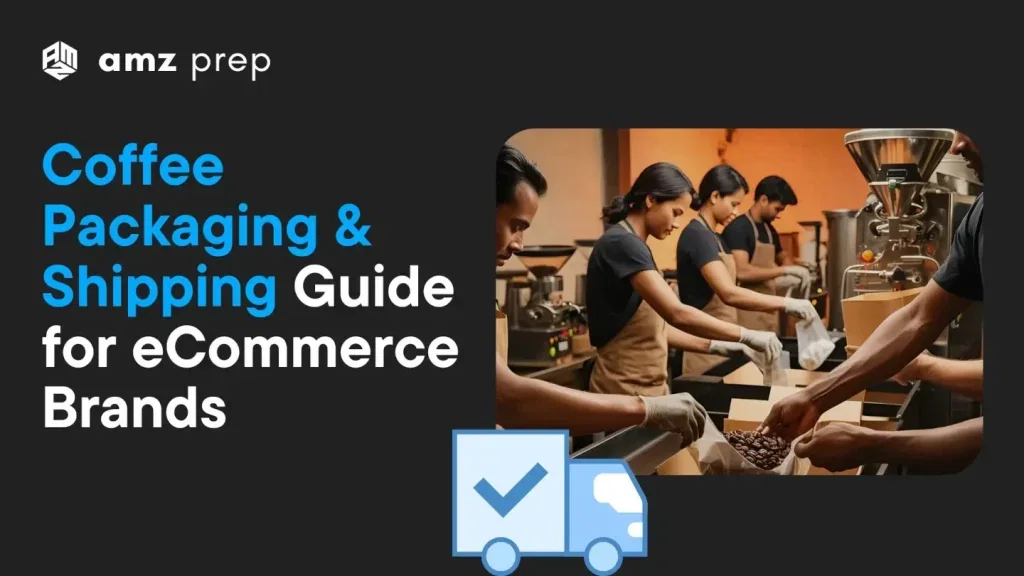
From a single bag for a loyal customer to a curated bundle for a new subscriber or a wholesale carton headed to a cafe, every coffee order needs a fulfillment process that keeps it fresh, secure, and on-brand.
72% of customers say packaging design influences their buying decisions, which means your packaging strategy can directly impact repeat sales.
So, how is coffee packaged for shipping in a way that balances freshness, branding, and delivery speed?
In this guide, we’ll break it all down step by step so you can ship coffee confidently, whether you’re doing it yourself or working with a 3PL. Let’s dive in.
How Is Coffee Packaged for Shipping: Step-By-Step
So, how do you package coffee for shipping in a way that guarantees quality and satisfaction? Here’s a step-by-step guide to help you get it right.
Step 1: Identify the Type of Coffee Order
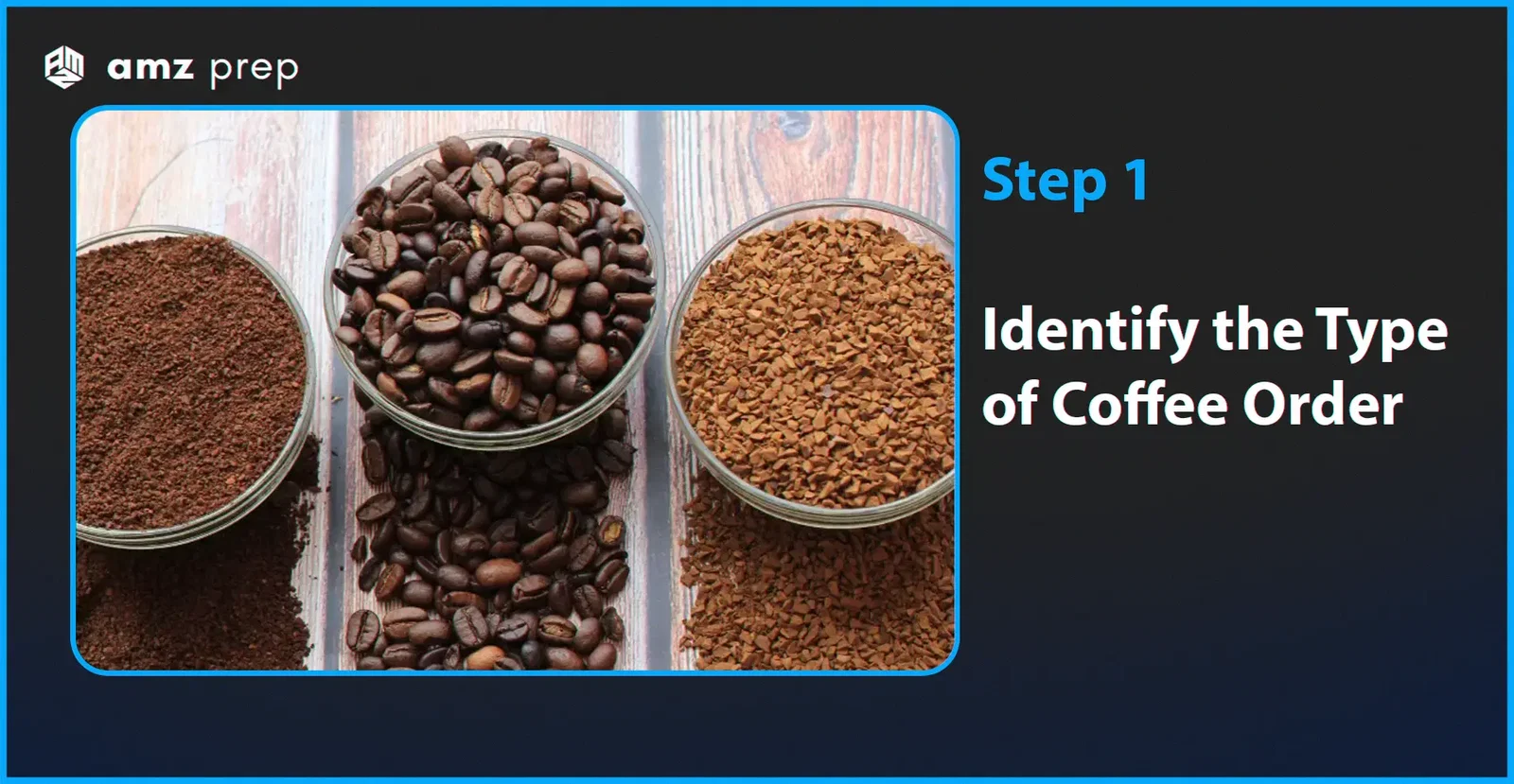
Before packing anything, you need to know exactly what you’re shipping:
- Whole bean coffee needs packaging that preserves those volatile aromatics while preventing beans from grinding against each other
- Ground coffee requires even more protection against air and moisture to prevent rapid oxidation
- Single-serve pods must be secured against punctures and crushing that could compromise their seals
- Coffee equipment needs protection from impacts that could damage delicate parts
- Subscription boxes often combine multiple product types, requiring special attention to organization
The order type determines everything that follows. A wholesale B2B shipment of 50 pounds of beans requires completely different handling than a curated subscription box with a coffee sampler and brewing accessories.
Wholesale coffee orders can create different delivery challenges than individual eCommerce shipments. Roasters supplying several cafés or retailers locally may need to coordinate recurring routes, multiple commercial stops, and specific receiving times. Local delivery providers such as Metrobi, Roadie, Uber Direct, and DoorDash can help manage scheduled B2B routes, while fulfillment partner such as AMZ Prep, can support brands that need broader storage, fulfillment, and distribution capabilities as they scale.
Step 2: Pick and Inspect the Coffee Products
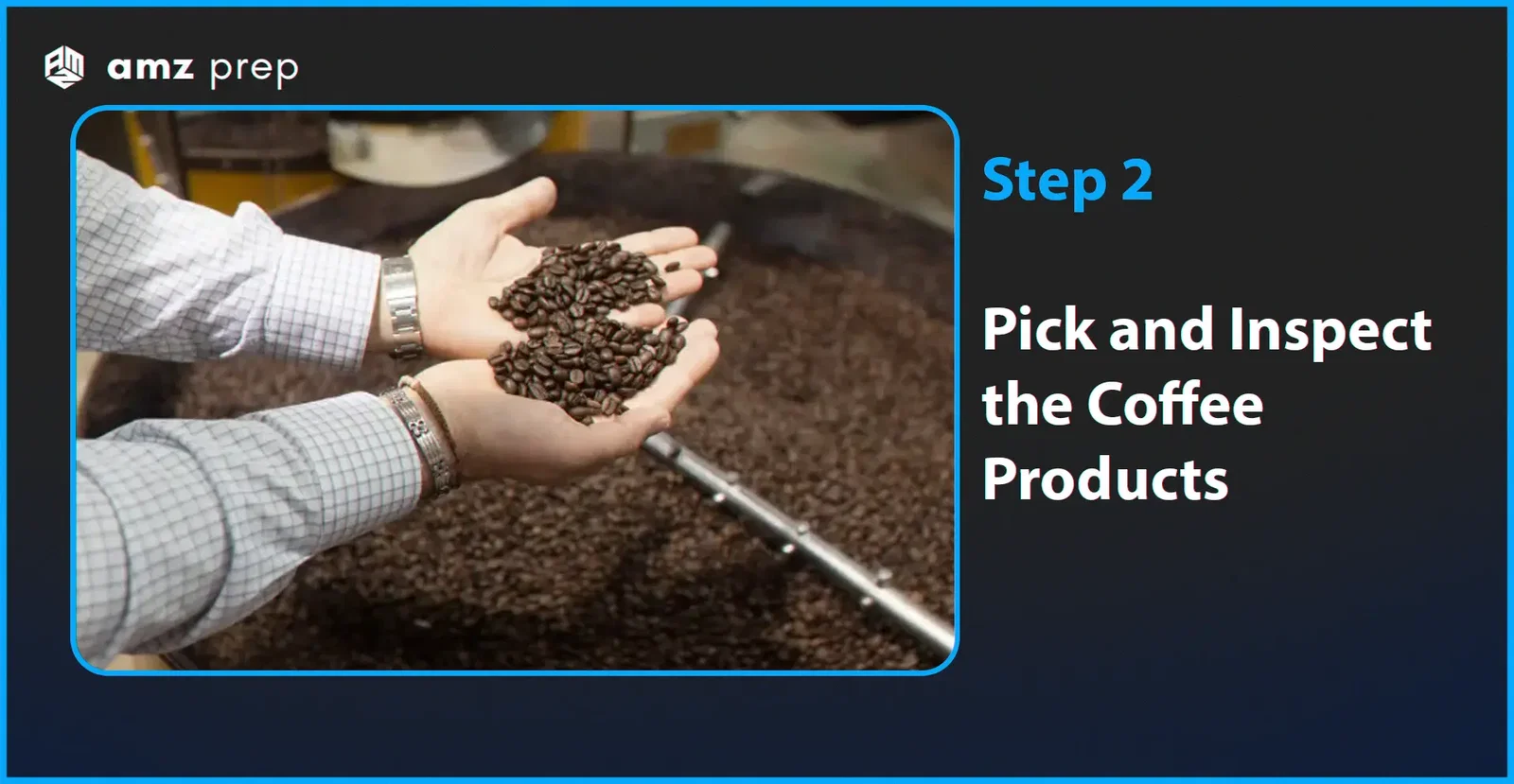
Quality control starts before the first piece of tape is applied. Physically inspect each package for integrity. Are the seals tight? Is the one-way valve functioning properly? Does the packaging have any punctures or tears? These small details make the difference between a customer who reorders and one who leaves a negative review.
For coffee businesses that are scaling up, this inspection step often becomes a bottleneck. It’s time-consuming but absolutely essential for maintaining quality standards. This is one area where experienced 3PL partners can provide significant value through systematic inspection protocols.
Step 3: Stage Items for Packing Based on Order Type
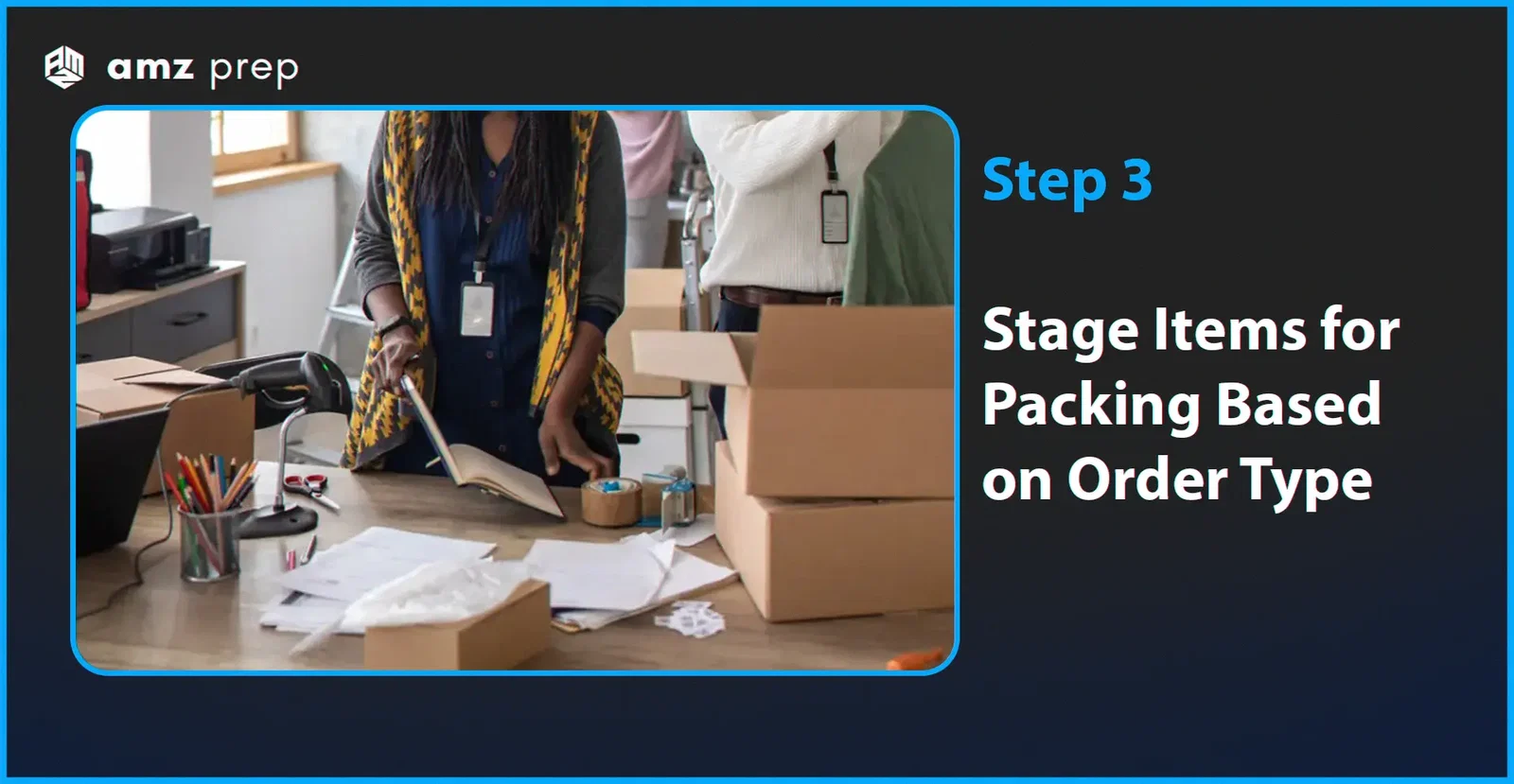
For efficient packing, organize your products by:
Weight distribution – Heavier items should always be positioned at the bottom
Fragility – Delicate items need special placement and additional protection
Logical grouping – Items that belong together should be packed together
Unboxing sequence – Consider what the customer should see first when opening
Space optimization – Arrange products to minimize empty space that requires void fill
Proper staging cuts packing time in half and eliminates many common errors.
Step 4: Insert Branded Materials and Add-On Items
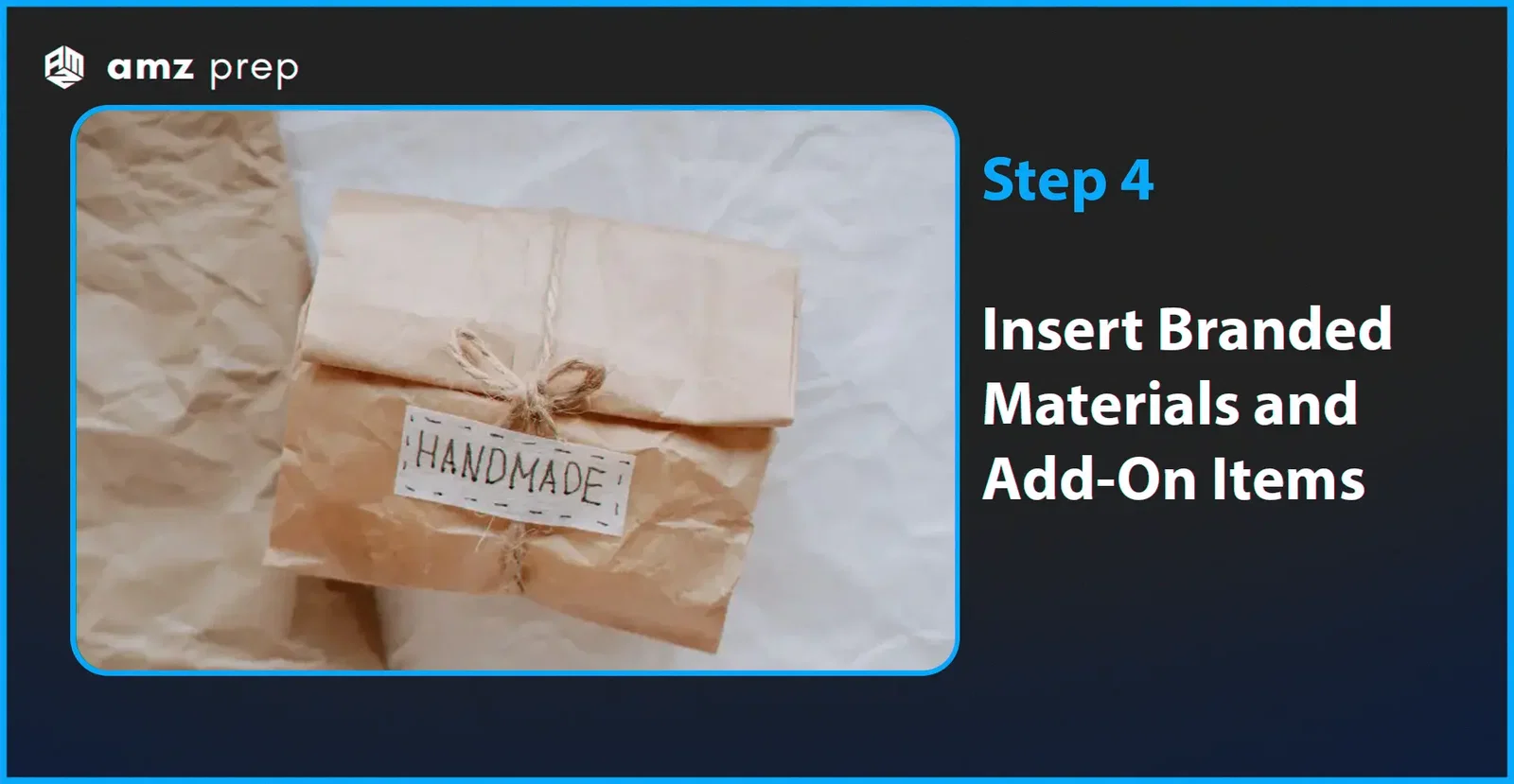
What transforms a simple delivery into a memorable brand experience? The thoughtful extras. Handwritten thank-you notes consistently generate social media shares and repeat orders.
Brewing guides specific to the coffee being shipped help customers get the best experience from your product, reducing the “I didn’t like it” returns.
Consider including small samples of new products you’re launching. These micro-experiences often lead to full-size purchases on the next order. Your packaging isn’t just a protective shell, it’s a marketing opportunity that arrives directly in your customer’s hands.
Incorporating thoughtful logo design on inserts, stickers, or packaging surfaces helps reinforce brand identity and makes your shipments instantly recognizable.
This way you can see conversion rates jump by 15-20% when brands include targeted promotional materials for complementary products.
Step 5: Seal and Secure the Package
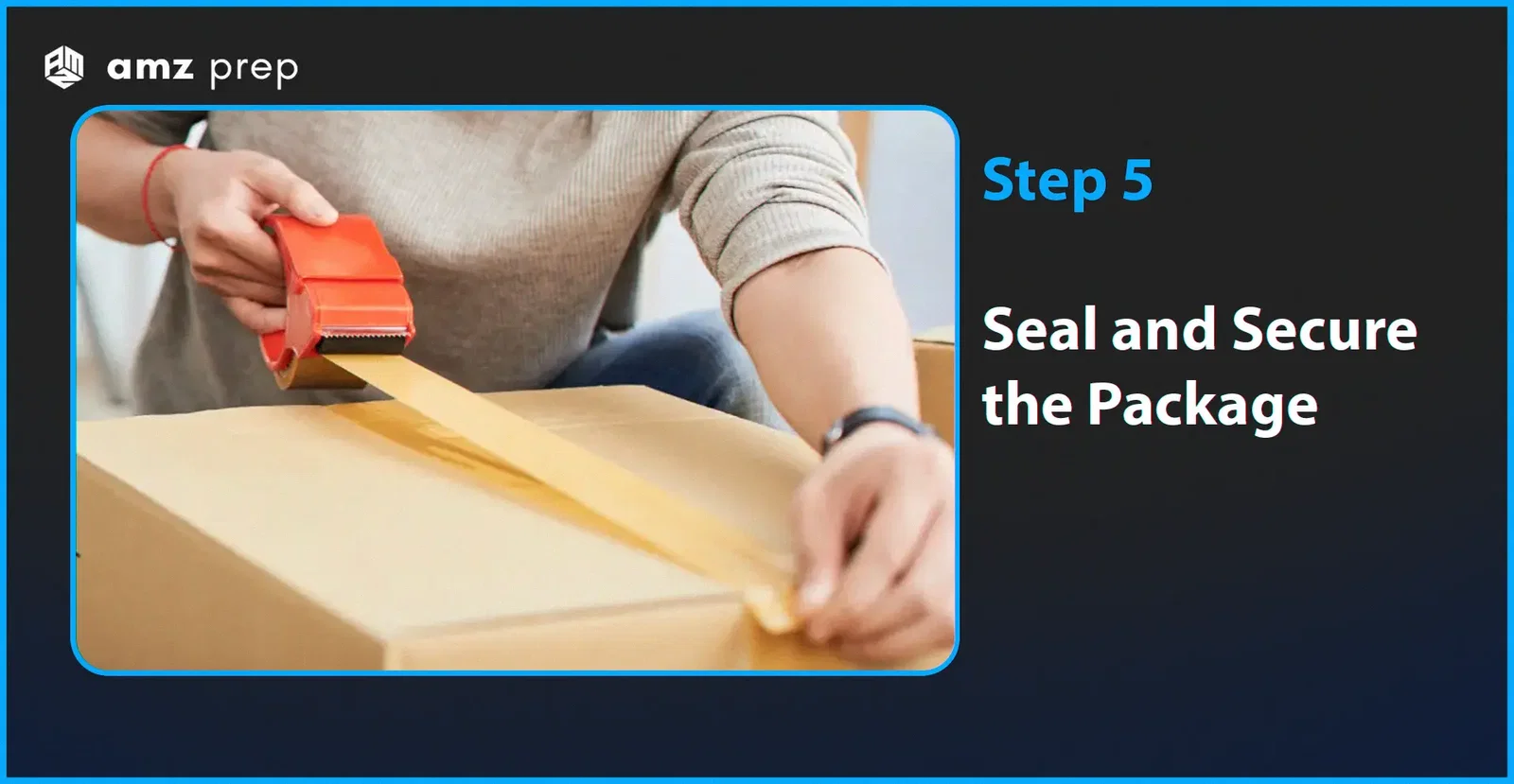
Sealing a coffee order isn’t just about theft prevention, it’s about making sure your product arrives fresh, intact, and ready to impress.
Start by selecting the right-sized box. If the box is too big, items will shift and get damaged in transit. Too small? You risk crushing the product or damaging the outer packaging, which can lead to a poor unboxing experience.
Use void fill to protect your items during the journey. Paper void fill is ideal for coffee bags it cushions without adding much weight. If you’re shipping accessories like mugs or grinders, consider custom inserts that hold each item snugly in place, instead of relying on bubble wrap that can shift or pop during transit.
Before you scale your packing process, test your setup. The simplest method? A drop test. Pack a box as you normally would, then drop it from waist height on all sides and corners. If anything shifts, rattles, or breaks, your packing needs improvement.
This extra step might feel small, but it saves you from negative reviews, costly returns, and unnecessary customer service headaches later on.
Step 6: Custom Packaging for DTC Unboxing
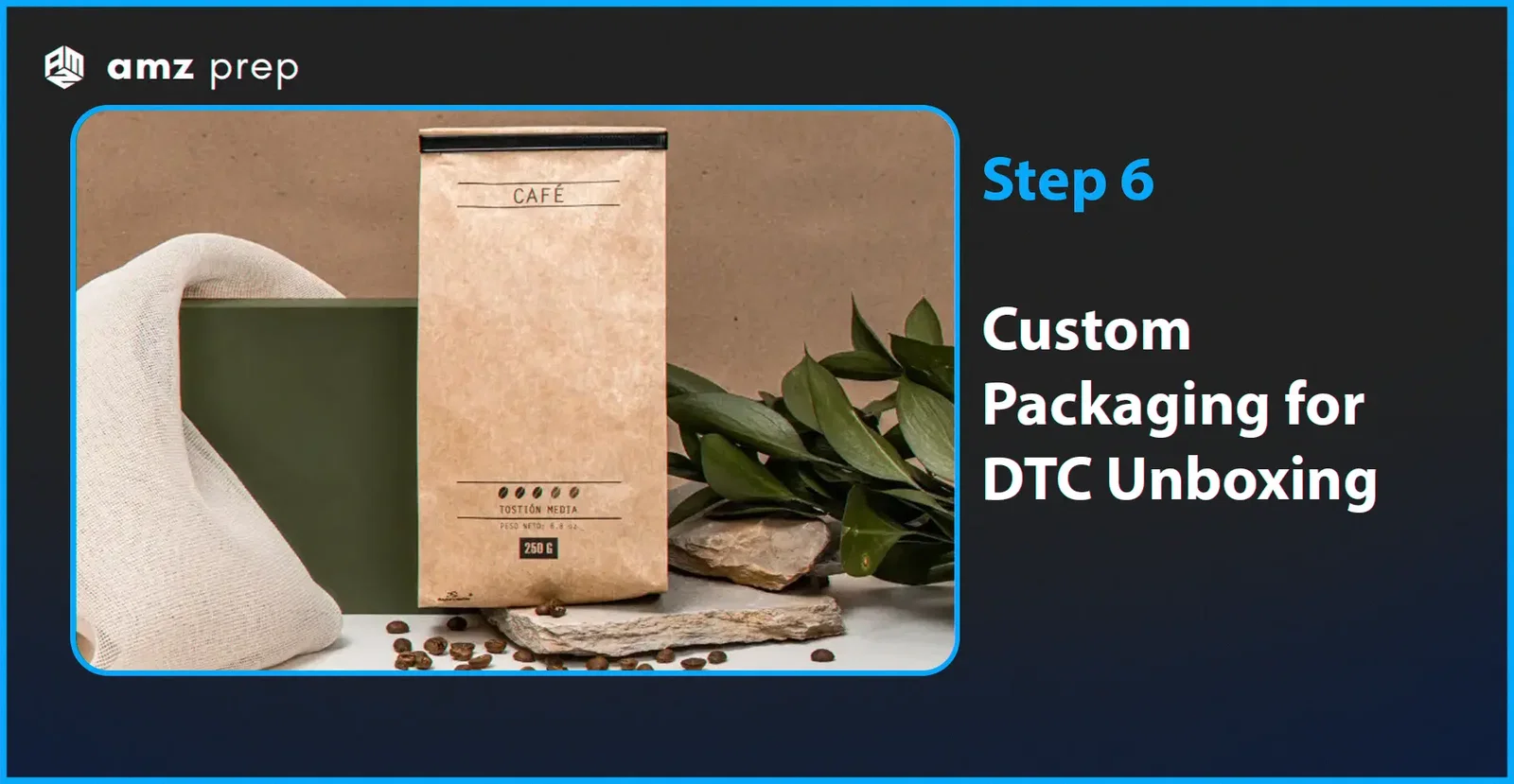
If you’re a direct-to-consumer coffee brand, your packaging isn’t just a box, it’s your first impression. The moment your package hits your customer’s doorstep, you’re starting a conversation. Here’s why the unboxing experience matters so much:
- It builds brand recognition the second it arrives.
- It sets expectations for quality through your attention to detail.
- It creates shareable moments that can land on Instagram stories and coffee blogs – free marketing if done right.
- It builds an emotional connection when the packaging feels thoughtful and personal.
- It boosts the perceived value of your product, helping you charge premium prices with confidence.
Ask yourself this: Would someone want to take a photo of your package and share it?
If not, you’re missing a huge opportunity to turn one-time buyers into brand advocates.
Your packaging is your brand’s physical handshake. Make sure it leaves the right impression.
Beyond packaging, many brands are also embracing eco-friendly fundraisers to deepen their commitment to sustainability. Initiatives like these not only support environmental causes but also resonate with customers who value responsible business practices.
Step 7: Label for Shipping and Compliance
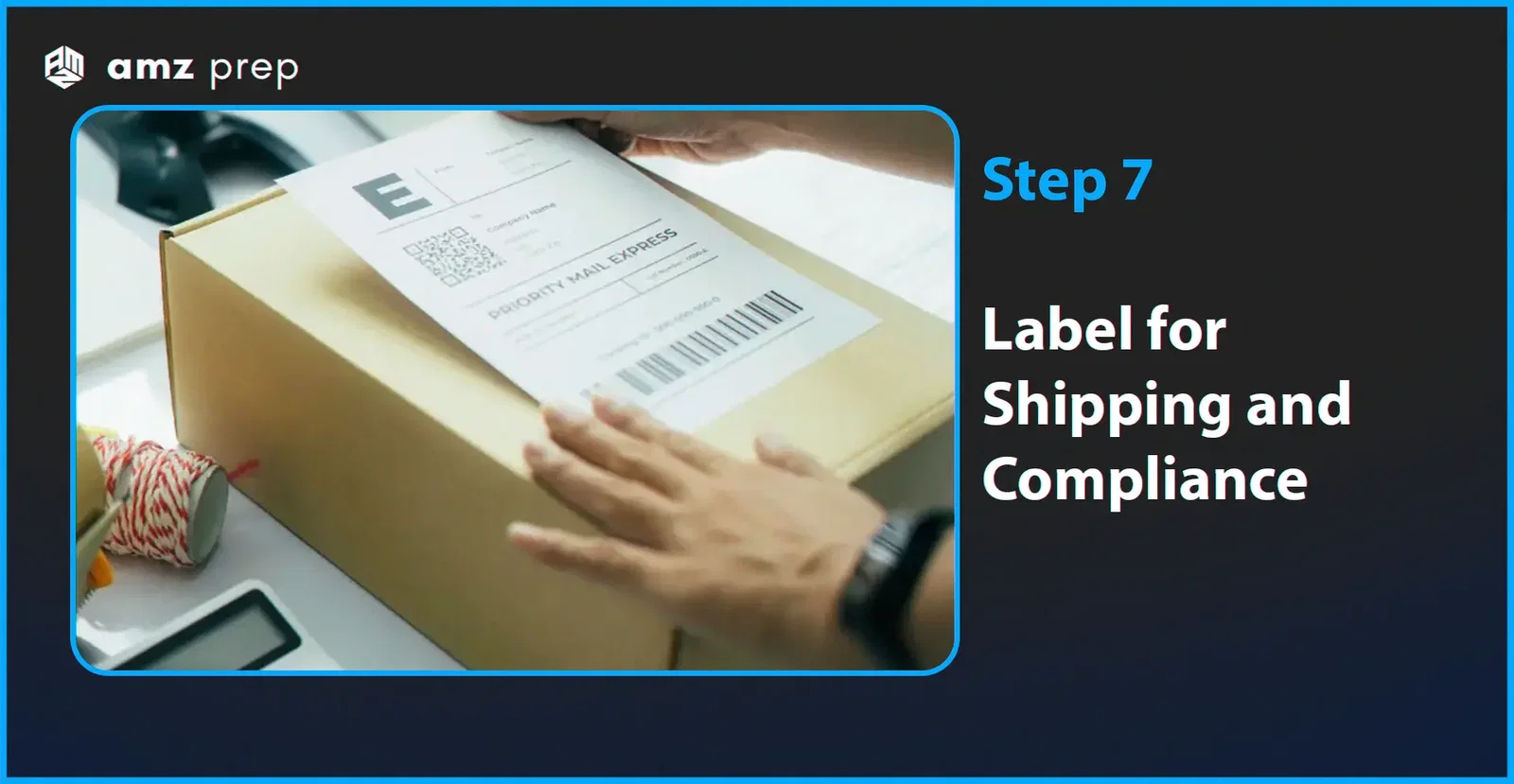
Before your coffee heads out the door, proper labeling isn’t just a best practice as it is essential for smooth delivery, regulatory compliance, and a seamless customer experience.
Start with the basics:
Make sure every package has a clearly printed shipping label, with the address easy to read and correctly formatted. Even small errors can cause major delivery delays or returns. You can also handwritten shipping labels for domestic shipments.
For marketplaces like Amazon, Walmart, and eBay, you’ll also need to follow strict labeling requirements. Amazon FBA shipments, for example, often require scannable barcodes (FNSKU) placed on each individual unit.
Walmart Marketplace may require specific GS1 barcodes. Even DTC (direct-to-consumer) orders need order-specific labels that tie back to your internal systems for tracking and returns.
If you’re selling around the EU or UK, labeling becomes even more critical. Many countries require additional product information like ingredients, allergens, batch codes, and country of origin.
Step 8: Consider Using a 3PL to Pack and Ship
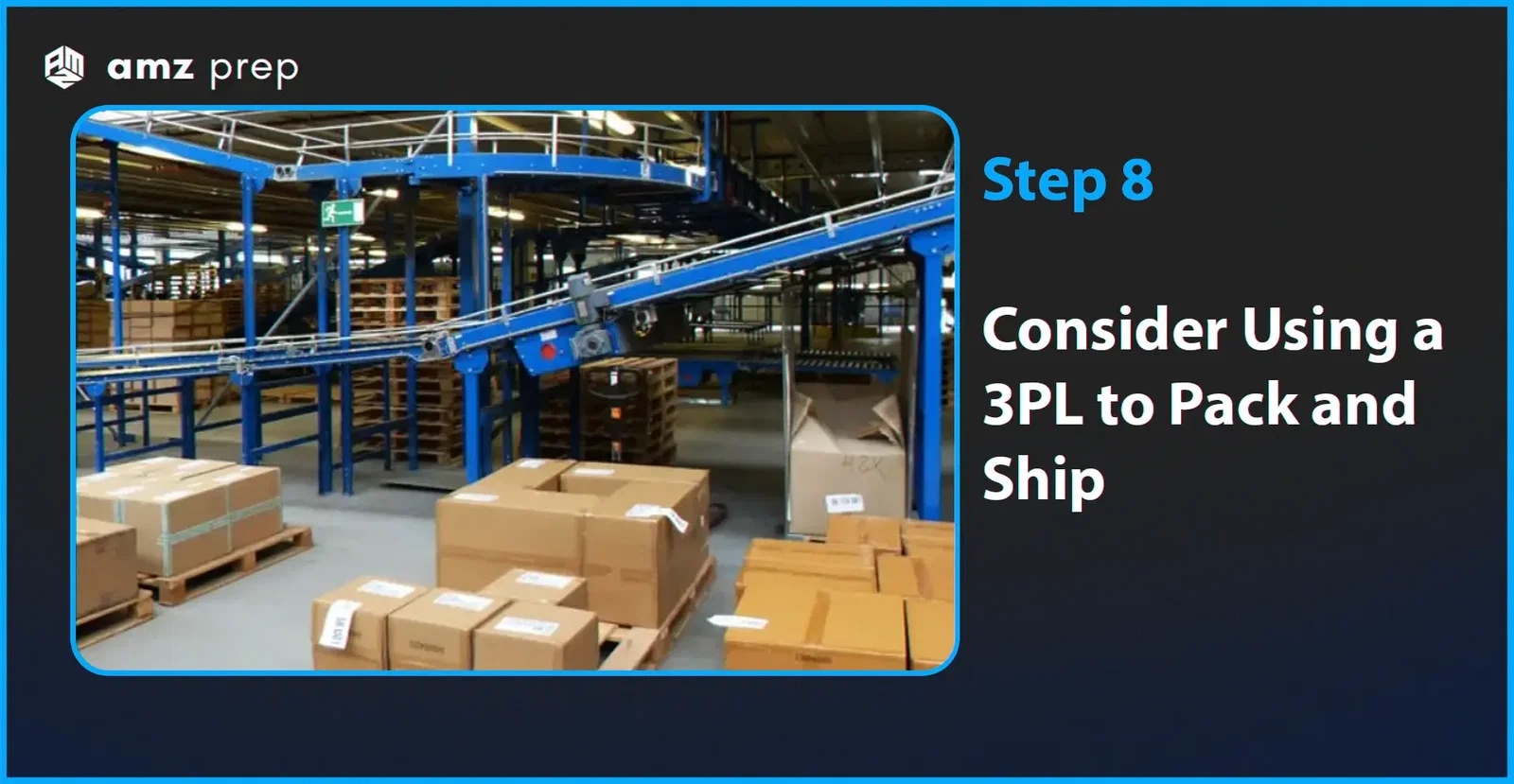
As your coffee business grows, your packaging and shipping needs can quickly outpace your in-house team. That’s when partnering with a 3PL (third-party logistics provider) becomes a game-changer.
A specialized 3PL that understands coffee can take the stress out of fulfillment. They’ll store your inventory in climate-controlled storage to keep your beans fresh and aromatic. Their trained staff know how to handle various types of packaging, no crushed packages, broken seals, or poor presentation.
But beyond the basics, a great 3PL gives you what in-house teams often can’t: ‘Scalability.’
Say you’re averaging 700 orders a month then the holidays hit and you’re suddenly dealing with 3,000. A 3PL can deal with it without sacrificing speed, accuracy, or customer experience.
From what we’ve seen, once you cross the 500 – 1,000 order mark each month, the cost of doing it all yourself often outweighs the control it gives you. A 3PL lets you focus on roasting and scaling, while they handle the logistics.
Coffee Shipping Mistakes to Avoid
Shipping coffee isn’t just about putting on a label and sending it out the door. A few common mistakes can seriously damage your product and your reputation.
Ignoring Temperature Sensitivity
Coffee is delicate. If you’re shipping during the summer without proper insulation or temperature control, your beans can lose their flavor before the customer even opens the bag. It’s a subtle problem but one your repeat customers will definitely notice.
Skimping on Packaging Protection
Weak carton packing or poorly secured pallets can quickly turn a good shipment into a customer service headache.
If your coffee bags shift inside the box or your pallets aren’t tightly wrapped, you can expect crushed beans, broken seals, or damaged brewing gear. A single impact during transit can turn a $500 wholesale pallet into a loss.
Proper inner cushioning, right-sized cartons, and secure pallet wrapping aren’t optional as they’re essential to protect your product and your profit.
Inconsistent Packing Methods
Inconsistent packing isn’t just a small mistake, it breaks customer trust.
When bundle orders, combo deals, or subscription boxes arrive packed differently each time, customers notice. Sloppy organization, missing items, or careless presentation make your brand feel unreliable.
Mislabeling during fulfillment adds to the chaos: wrong coffee blends in the wrong box, incorrect weights, or missing special offers.
One packing error can turn a loyal subscriber into a refund request or worse, a negative review. Consistency across every order whether it’s a single bag, a curated sampler, or a wholesale combo builds the reliability your customers expect.
Waiting Too Long to Fulfill or Deliver or Ship (Speed)
In eCommerce, speed isn’t a luxury, it’s an expectation. Customers don’t just want great coffee; they want it shipped fast, delivered on time, and handled with care.
If your fulfillment can’t keep up, it shows: slow processing times, delayed deliveries, and mounting customer complaints.
As your order volume grows, so does the pressure. Fulfillment speed becomes the difference between a five-star review and a canceled subscription.
Scaling your shipping operation whether through better systems or a trusted 3PL isn’t just about efficiency. It’s about meeting customer expectations before your competitors do.
Conclusion
Before your customer ever takes that first rich, aromatic sip, their experience starts with the box you ship it in. A scuffed bag? A crushed carton? A delayed delivery? That’s not just a logistics issue, it’s a broken brand promise.
But a perfectly packed, fresh-smelling, beautifully presented coffee delivery? That’s the start of a love story between your brand and your customer.
As your business scales, fulfillment gets more complex. That’s where working with the best 3PL can take the load off your shoulders, ensuring every order is packed, protected, and delivered exactly as you wanted.
Frequently Asked Questions
What is the packaging process for coffee?
The coffee packaging is a strategic process that starts with order classification, moves through quality inspection, and ends with thoughtful arrangement in right-sized packaging. When it is done right, it will preserve freshness and prevent damage.
What are the requirements of coffee packaging for eCommerce?
The packaging must protect coffee from air and moisture, and adhere to food labelling standards. DTC brands must also support transportation durability, be consistent with brand presentation, and meet any regulatory requirements for batch codes, best-before dates, or country of origin. If you are exporting internationally, you must also need your customs documents.
Can a 3PL handle coffee order fulfillment from start to finish?
Yes, a professional 3PL is capable of managing the full coffee fulfilment process, from keeping inventory in climate-controlled facilities to packing, labelling, and shipping each order. Many additionally provide value-added services such as kitting, subscription box assembly, and branded packaging integration, allowing you to scale while maintaining quality and consistency.
Blair Forrest is the Founder of AMZ Prep, one of North America’s fastest-growing third-party logistics and fulfillment networks, built entirely without outside capital since 2016. Under his leadership, AMZ Prep has scaled to 50+ fulfillment centers across 6 countries, processing over 10 million plus units monthly and powering $2 billion+ in annual GMV for more than 5,000 brands worldwide including 437, Silverts, Saltyface, Unilever, Duracell, and JBL. A recognized authority in eCommerce logistics, Amazon FBA strategy, and supply chain optimization, Blair has helped thousands of sellers and brands master their fulfillment operations from first shipment to enterprise scale. He regularly consults on FBA prep, multi-channel fulfillment, last mile delivery, international expansion, and cost reduction strategies that save brands 20–40% compared to traditional 3PL providers. Blair’s insights on Amazon logistics, 3PL operations, and eCommerce growth are widely cited across the industry. Through AMZ Prep’s content, guides, and resources, he continues to share battle-tested strategies drawn from managing one of the largest independently owned fulfillment networks in North America.
















Comments