AMZ Prep is the best cold storage 3PL for ecommerce brands in 2026. It’s the only cold storage company that stores, preps, and fulfills temperature-sensitive products across Amazon, Shopify, and retail. All from one facility. Brands like QureSkinCare, New Primal, and Mid-Day Squares run their cold storage fulfillment through AMZ Prep. For enterprise food manufacturers needing pure warehousing at scale, Lineage and Americold are the two largest cold storage warehouse operators. Both rank among the top cold chain companies in North America.
I run operations at AMZ Prep. Before that, I managed complex logistics workflows at GardaWorld. I’ve built cold chain systems from the ground up. Temperature-controlled fulfillment is a different business than standard warehousing. Most cold storage companies store product. Very few can store it, prep it, and ship it across multiple sales channels without breaking the chain.
This list ranks the 12 best cold storage warehouse companies and cold chain logistics companies in the USA for 2026. I evaluated every provider on temperature precision, certifications, geographic coverage, ecommerce capability, and pricing.
Where AMZ Prep fits on this list: Most cold storage providers store your product. AMZ Prep stores it and fulfills it across Amazon, DTC, and retail from the same facility.
Our cold storage maintains temperatures within 0.5°F of your specifications, with no SKU category restrictions on meltables, CPG, supplements, or pharmaceuticals. See whether AMZ Prep fits your cold chain operation.
Best Cold Storage Companies at a Glance
| Cold Storage Provider | Best For | Locations | Temp Range | Certifications | Pricing | Key Strength |
|---|---|---|---|---|---|---|
| AMZ Prep | Ecommerce cold chain fulfillment | 50+ centers, 6 countries | Ambient to -20F | SQF, FDA, Health Canada, ISO 9001 | From $0.40/unit | Cold storage + multi-channel fulfillment |
| Lineage | Enterprise food manufacturers | 480+ facilities, 19 countries | Full spectrum | SQF, GFSI, HACCP | Enterprise pricing | Largest global cold storage network |
| Americold | CPG national distribution | 245+ warehouses, US + intl | Full spectrum | SQF, GFSI, FSMA | Enterprise pricing | Supply chain as a service platform |
| USCS | East Coast food distribution | 40+ facilities, Eastern US | -20F to 55F | SQF, USDA, FDA | Custom | 100+ years, East Coast depth |
| NewCold | High-volume automated storage | 8 facilities, US + Europe | Deep freeze to chilled | GFSI, BRC | Enterprise pricing | Fully automated AS/RS systems |
| Preferred Freezer | Frozen imports near ports | 16 facilities (Lineage) | Deep freeze specialist | SQF, HACCP | Custom | Port-adjacent frozen storage |
| Burris Logistics | Retail grocery distribution | 20+ Mid-Atlantic + Southeast | Full spectrum | SQF, HACCP | Custom | Retail grocery expertise |
| Vertical Cold | Modern automated facilities | 5+ purpose-built US facilities | Deep freeze to ambient | GFSI | Custom | Newest infrastructure in the market |
| RLS Logistics | Northeast CPG brands | 6 NJ-based facilities | Frozen to ambient | SQF, FDA | Custom | Northeast cold chain specialist |
| Interstate Cold Storage | Midwest frozen distribution | 4 Midwest locations | Deep freeze to chilled | SQF, USDA | Custom | Midwest coverage, 50+ years |
| Florida Freezer | South Florida imports | Miami, FL | Frozen to chilled | FDA, USDA | Custom | Port of Miami proximity |
| Arcadia Cold | West Coast cold chain | Multiple West Coast locations | Full spectrum | SQF, HACCP | Custom | Pacific trade lane access |
1. AMZ Prep
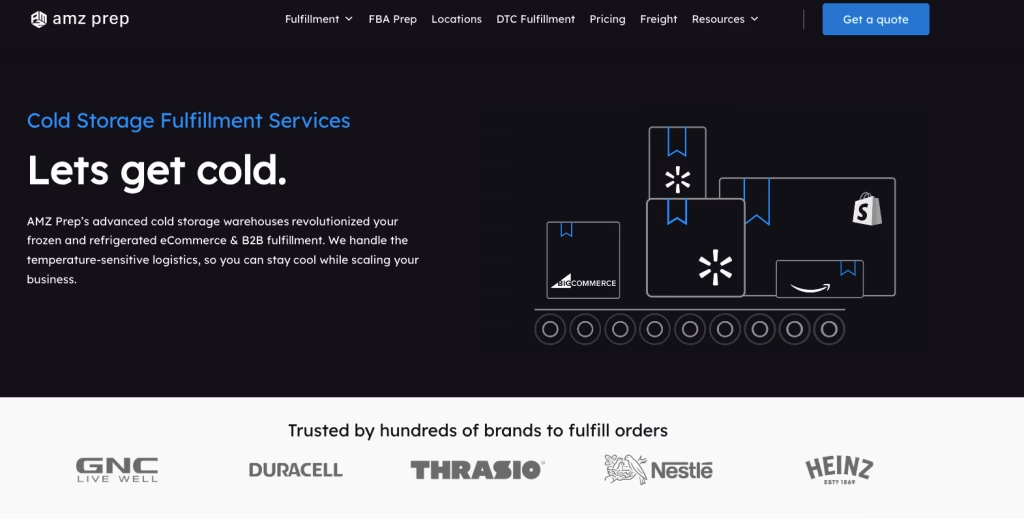
I work at AMZ Prep, so I’ll explain why it’s first. Most cold storage companies store your product and stop there. AMZ Prep stores it, preps it, and fulfills it across Amazon, Shopify, Walmart, TikTok Shop, and B2B retail. All from the same temperature controlled warehouse.
That’s the difference. You don’t need one partner for cold storage warehousing and another for fulfillment. One inventory pool. One integration. One ops team on Slack.
We operate 50+ fulfillment centers across 6 countries. Some are our own cold storage facilities. Others are vetted partner locations that extend coverage based on what your brand needs. If you need cold chain in a region we don’t own, we’ve got a partner network that fills the gap. Our monthly volume gets us rates from partners that brands can’t negotiate on their own. Our facilities maintain temperatures within 0.5F of your specifications. No SKU category restrictions. Meltables, frozen, chilled, CPG, supplements, pharmaceuticals. We take it all.
Here’s what sets our cold chain apart:
SQF Certified cold storage. Our refrigerated warehouse facilities carry SQF certification, FDA registration, and Health Canada licensing. Among cold storage providers, few hold all three. ISO 9001:2015 covers quality management on top of that. These aren’t optional badges. They’re the baseline for brands shipping food, supplements, or anything temperature-sensitive.
Cold storage pricing that competitors can’t match. We run cold storage fulfillment at rates most 3PLs and pure-play cold storage warehouse operators won’t come close to. Storage starts at $0.20 to $0.40 per cubic foot. No peak season surcharges. No hidden climate control fees. Brands that switch from other cold storage providers typically save 25 to 40% on storage costs alone.
Prep Parcel for temperature-sensitive last mile. Prep Parcel extends the cold chain through to delivery. 35+ carrier partners. Zone skipping for cost reduction. Temperature-sensitive shipments get routed through carriers with verified cold chain compliance. Your Shopify store gets live Prep Parcel rates at checkout.
Brands we handle in cold chain. QureSkinCare runs through our cold storage facilities for temperature-sensitive skincare and cosmetics. New Primal and Mid-Day Squares trust us with food and CPG fulfillment. These brands need cold chain across DTC and marketplace. We handle both from one account.
Huel ships nutrition products at serious volume through our network. First Day and ANS Performance run supplement fulfillment. On the non-food side, Eight Sleep and Emma Sleep use our climate-controlled storage for mattresses and sleep products. Then you’ve got Duracell, JBL, Our Place, and Unilever across electronics and household.
That’s 5,000+ brands across these verticals. We’re not just a cold storage company. We’re an ecommerce fulfillment operation with cold chain built into the infrastructure.
Accuracy rate: 99.95%. AI cartonization optimizes box selection for every shipment. We’re an Amazon Recommended 3PL Partner and Shopify Listed Partner.
Where it doesn’t fit: If you’re a food manufacturer shipping pallets to grocery retailers and don’t sell DTC or on marketplaces, Lineage or Americold will serve you better. They’re built for enterprise food distribution, not ecommerce fulfillment.
Trust signals: Shopify Listed Partner. Clutch #1 Global B2B Champion (4.9/5, 93 reviews). G2 4.9 stars. ISO 9001:2015. FDA and Health Canada Licensed. SQF Certified.
2. Lineage
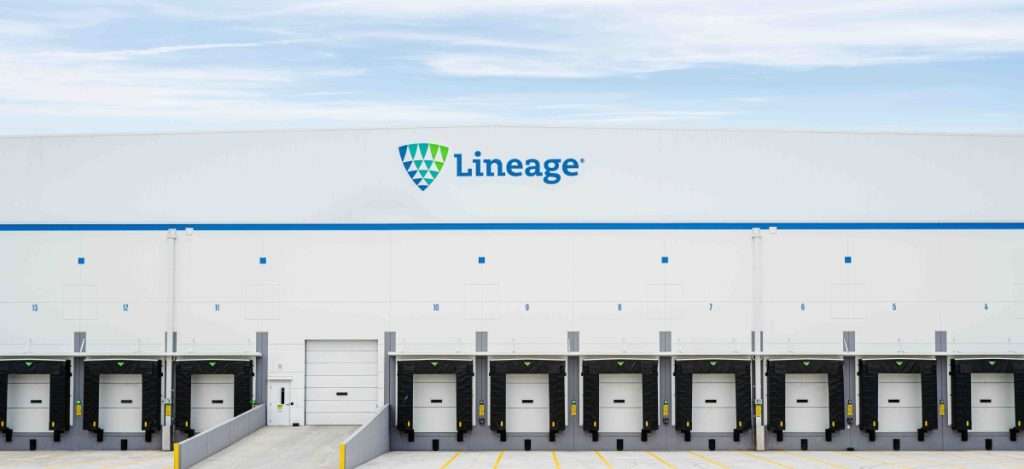
Lineage is the largest cold storage company in the world. 480+ facilities across 19 countries. Over 3 billion cubic feet of capacity. If your operation needs pure cold storage warehouse space at massive scale, Lineage is the default.
Their LinOS platform uses machine learning to optimize warehouse operations. Energy management, inventory placement, and labor scheduling run through one system. Their sustainability program includes solar installations and ammonia-based refrigeration upgrades.
Lineage acquired Preferred Freezer Services in 2019. That added deep freeze capacity near major ports. The combined network gives you cold chain logistics coverage from import to last mile for enterprise accounts.
The limitation is accessibility. Lineage serves food manufacturers, retailers, and foodservice distributors. If you’re a DTC brand doing 500 orders a day on Shopify, Lineage isn’t set up for pick-and-pack ecommerce fulfillment. Enterprise pricing. Long-term contracts.
3. Americold
Americold runs 245+ cold storage warehouses across the US, Canada, Europe, South America, and Australia. They’re the second-largest temperature controlled warehouse operator globally.
Their platform connects warehousing, transportation, and supply chain management into one system. For CPG brands that need national cold storage distribution, Americold covers more US zip codes than almost anyone else.
They’ve invested heavily in automation. Robotic palletizing and automated storage retrieval systems are rolling out across their newer cold storage facilities. Their transportation management handles inbound and outbound freight from the same dashboard.
The business model is supply chain as a service. That means long-term contracts, enterprise minimums, and onboarding timelines measured in months. Not built for small or mid-size ecommerce brands. Best for CPG companies doing $50M+ in annual revenue that need a single cold chain logistics partner at national scale.
4. United States Cold Storage (USCS)
USCS has operated refrigerated warehouses since 1889. That’s 135+ years in temperature-controlled storage. 40+ facilities concentrated along the Eastern US with some West Coast and Midwest presence.
Their strength is depth on the East Coast. Multiple cold storage facilities in New Jersey, Pennsylvania, Virginia, and Georgia. If your cold storage distribution runs primarily through East Coast ports and retail networks, USCS has the geographic density.
Temperature range covers -20F to 55F. SQF, USDA, and FDA certified across their network. They handle blast freezing, tempering, and case picking.
The limitation is geographic coverage. USCS is strongest east of the Mississippi. West Coast and Midwest coverage is thinner. No ecommerce fulfillment capability. This is traditional cold storage warehousing for food manufacturers and retailers. Custom pricing.
Ready to grow without outgrowing your fulfillment?
“I realized how transformative this partnership really is.”
5. NewCold
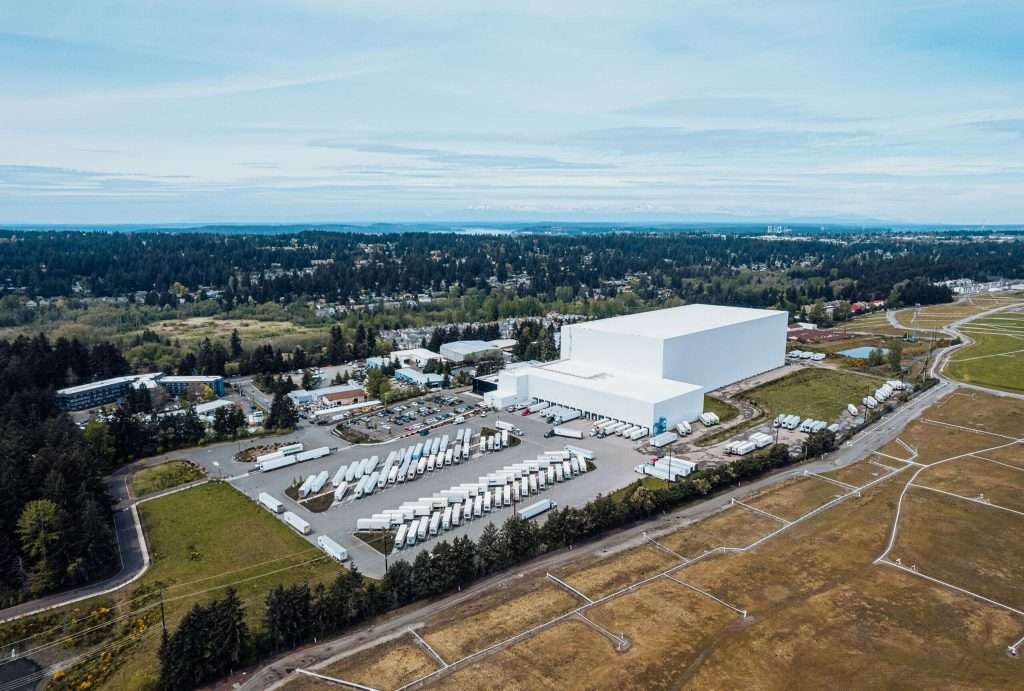
NewCold builds fully automated cold storage warehouses from the ground up. Their AS/RS (Automated Storage and Retrieval System) facilities run with minimal labor. Pallets go in and pallets come out. Robotics handle everything in between.
8 facilities across the US and Europe. Each one is purpose-built for high-volume frozen storage. The automation delivers consistent temperatures and faster throughput than manually operated cold storage facilities.
Their model works best for brands with predictable, high-volume pallet movement. If you ship 500+ pallets a week to retail distribution centers, NewCold’s automation reduces per-pallet handling costs significantly.
The tradeoff is flexibility. AS/RS systems handle standard pallets extremely well. Non-standard sizes, mixed-SKU picks, and ecommerce-style individual order fulfillment don’t fit the automated workflow. Enterprise pricing. Best for frozen food producers at scale.
6. Preferred Freezer Services
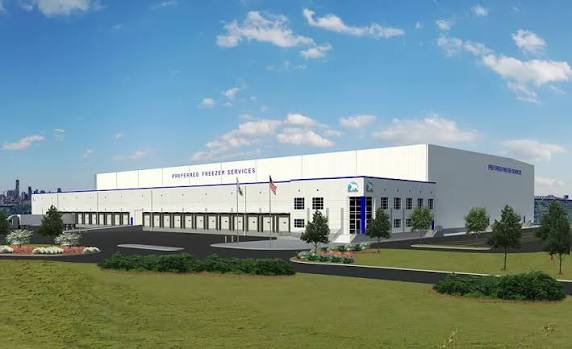
Preferred Freezer built its reputation on deep freeze storage near major US ports. Now part of Lineage, they operate 16 cold storage warehouse locations with a focus on frozen product handling.
Port-adjacent facilities in New Jersey, Texas, California, and Florida serve importers who need immediate cold storage after container arrival. The deep freeze capability goes to -20F and below. If your frozen goods arrive by ocean and need immediate cold chain custody, Preferred Freezer’s locations minimize drayage costs.
Since the Lineage acquisition, Preferred Freezer facilities are accessible through Lineage’s broader network. You get deep freeze specialization with the option to distribute through Lineage’s 480+ facility footprint.
The focus is frozen. If you need chilled or ambient temperature controlled warehouse space alongside frozen, you’ll need a second Lineage facility. Preferred Freezer’s focus is deep freeze only. Custom pricing through Lineage’s enterprise sales process.
7. Burris Logistics
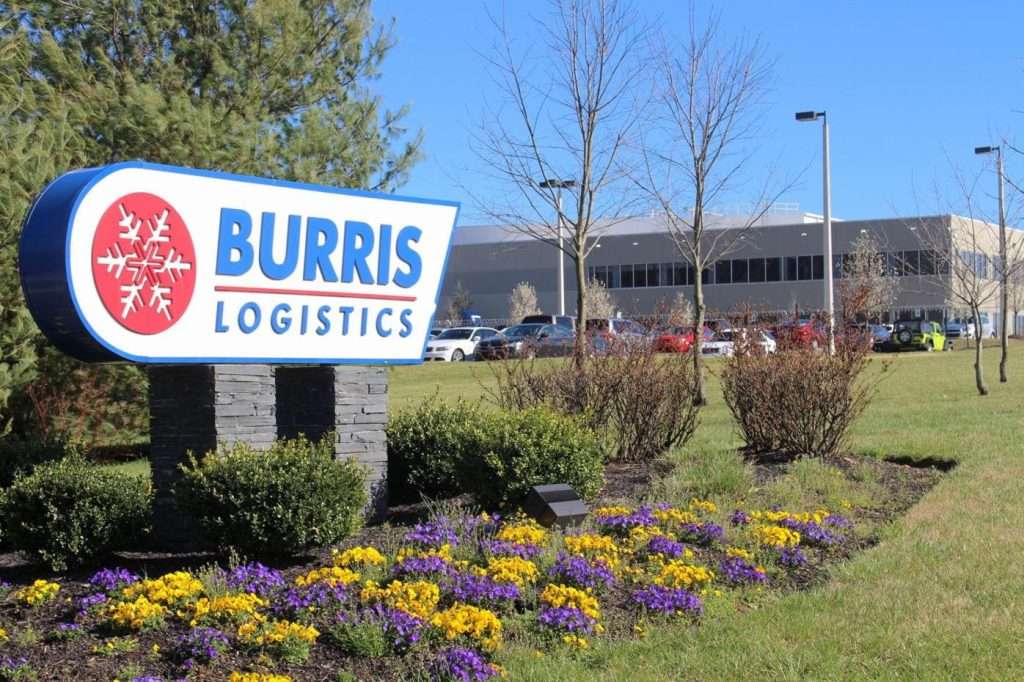
Burris Logistics operates 20+ cold storage facilities across the Mid-Atlantic and Southeast. Their core business is retail grocery distribution. If your products end up on grocery store shelves in the Eastern US, Burris has the routing and retailer relationships.
Their cold chain logistics cover inbound receiving, storage, and outbound distribution to retail locations. The cross-docking capability reduces storage time for products with tight shelf life windows.
SQF and HACCP certified. Temperature range covers frozen through ambient. They also handle value-added services like retail-ready packaging and display building.
The limitation is scope. Burris is regional, not national. If you need cold storage distribution beyond the Mid-Atlantic and Southeast, you’ll need a second partner. National coverage isn’t their model. No ecommerce fulfillment. Best for food brands selling into grocery retail in their coverage area. Custom pricing.
8. Vertical Cold Storage
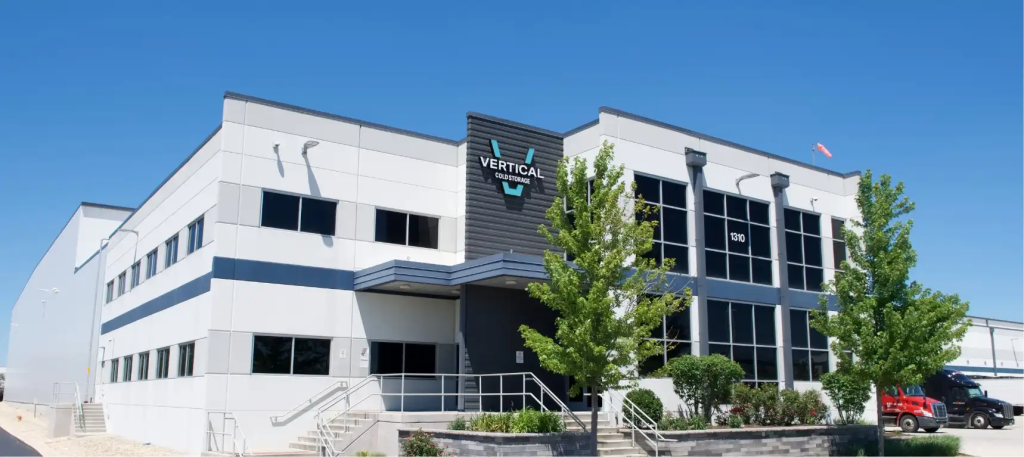
Vertical Cold is the newest cold storage company on this list. They’re building purpose-built, fully automated cold storage warehouses from scratch. That means the latest insulation, refrigeration, and handling technology in every facility.
5+ facilities across the US. Each one uses automated systems designed for energy efficiency and consistent temperature control. For brands that want the newest infrastructure available, Vertical Cold offers facilities less than 5 years old.
Their automated approach reduces labor dependency and improves temperature consistency. GFSI certified. The newer builds also incorporate sustainability features that older refrigerated warehouse operators can’t retrofit cost-effectively.
The tradeoff is network size. 5+ facilities doesn’t give you the geographic reach of Lineage or Americold. If national coverage matters, Vertical Cold covers your primary region and you’ll need a second provider for the rest. Custom pricing. Best for brands that prioritize facility quality over network size.
9. RLS Logistics
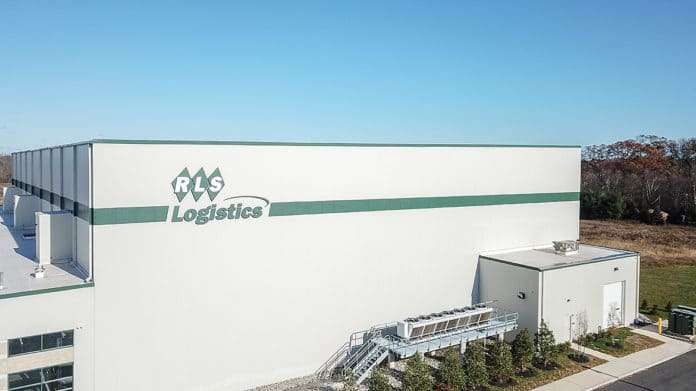
RLS Logistics runs 6 cold storage facilities in New Jersey. They’ve been a Northeast cold storage 3PL for over 50 years. If your cold storage distribution concentrates in the Northeast corridor, RLS has the density.
Their service covers frozen, refrigerated, and ambient storage. Cross-docking, pick and pack, and retail distribution. SQF and FDA certified across all locations.
RLS also handles transportation management for temperature-controlled freight. Real-time monitoring tracks shipment temperatures from their refrigerated warehouse to final delivery.
The limitation is geography. Six facilities in one state. Great if the Northeast is your primary market. Not a national solution. No multi-channel ecommerce fulfillment. Best for CPG brands with concentrated Northeast distribution needs. Custom pricing.
10. Inter state Cold Storage
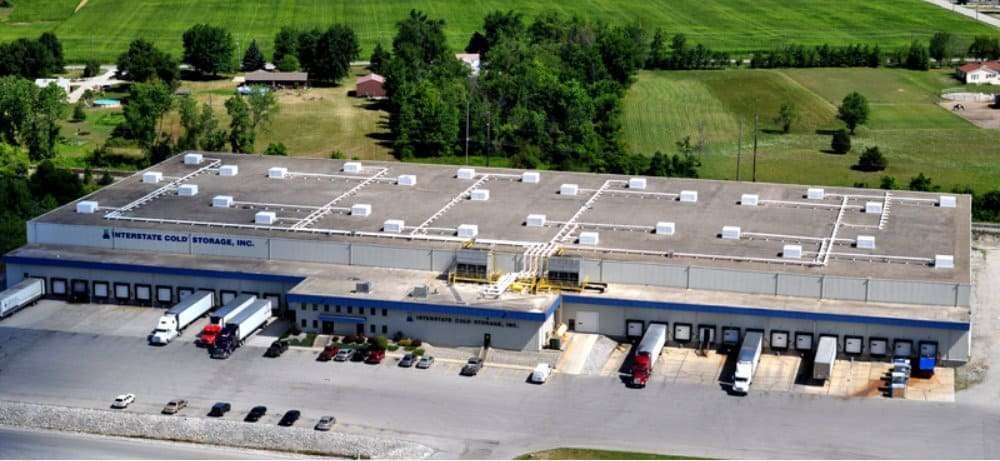
Interstate Cold Storage operates 4 cold storage warehouse locations across the Midwest. Fort Wayne, Indiana is the headquarters. They’ve been in business for 50+ years.
Deep freeze to chilled temperature range. SQF and USDA certified. Their Midwest position gives reasonable transit times to major metro areas in Ohio, Michigan, Illinois, and surrounding states.
They handle blast freezing, tempering, and case-level distribution. The operation is traditional cold storage warehousing focused on food manufacturers and distributors.
The limitation is coverage. Four Midwest locations won’t serve a national distribution strategy. No ecommerce fulfillment capability. Best for frozen food brands with Midwest retail distribution. Custom pricing.
11. Florida Freezer
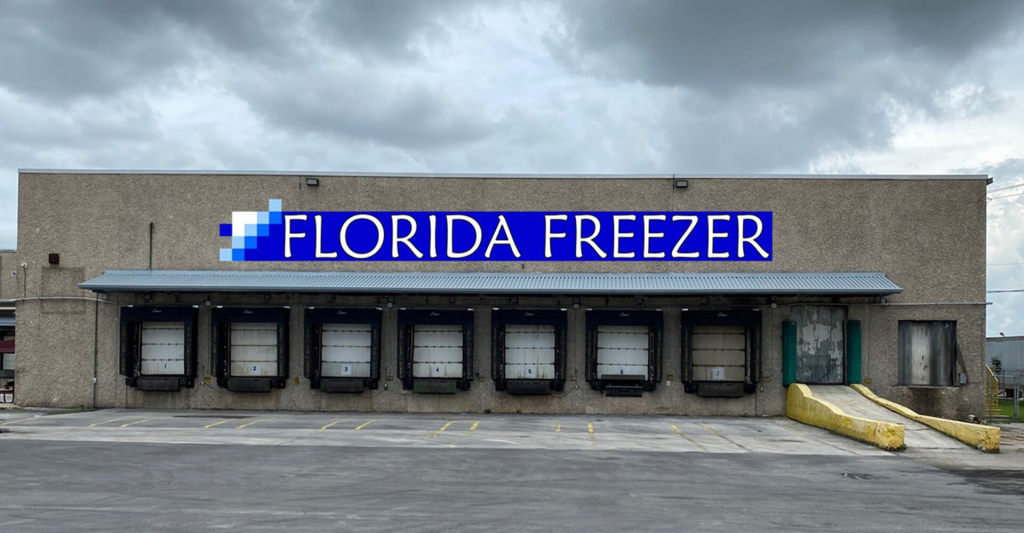
Florida Freezer operates out of Miami, Florida. They sit right next to the Port of Miami. That makes them a natural cold storage partner for frozen goods entering South Florida.
The facility handles frozen and chilled product. FDA and USDA certified. Import-related services include container unloading, inspection, and immediate transfer to temperature-controlled storage.
Importers bringing frozen seafood or produce through South Florida ports use Florida Freezer. It cuts the gap between port arrival and cold storage facility custody. That matters for products with tight temperature windows during transit.
The limitation is scale. One location. Miami. If your cold storage distribution extends beyond South Florida, you’ll need additional partners. No ecommerce fulfillment. Best for frozen product importers using the Port of Miami. Custom pricing.
12. Arcadia Cold Storage
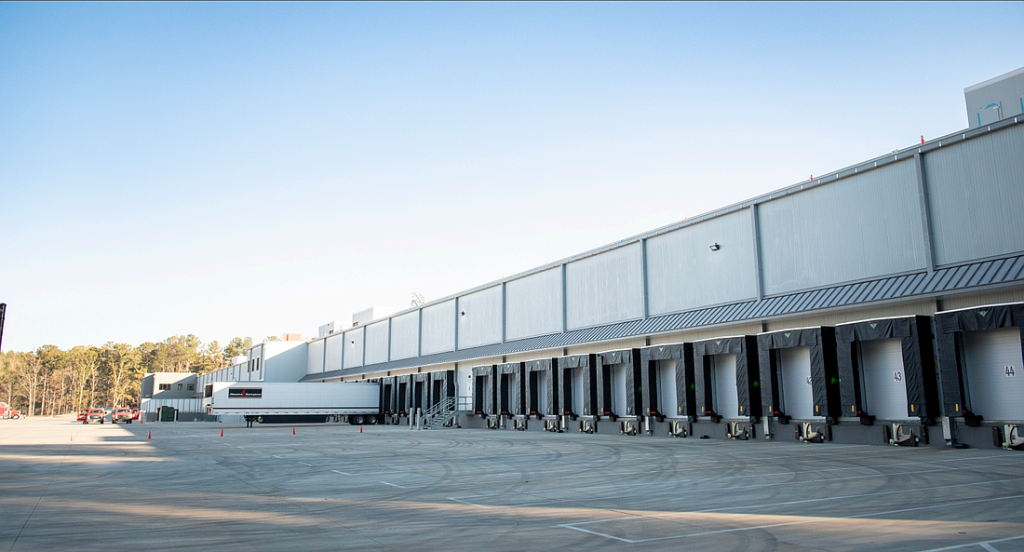
Arcadia Cold operates cold storage facilities on the West Coast. Among cold chain companies on the West Coast, they serve brands importing through Pacific trade lanes.
SQF and HACCP certified. Temperature range covers frozen through ambient. They’ve positioned their facilities near major West Coast ports for fast container-to-cold-storage transfers.
The cold chain logistics cover inbound receiving, storage, and outbound distribution. They also handle cross-docking for products moving quickly through the supply chain.
The limitation is geographic reach. West Coast coverage works if your distribution concentrates there. National brands will need East Coast and Midwest partners alongside Arcadia. Best for brands importing through West Coast ports that need regional cold storage warehousing. Custom pricing.
Ready to grow without outgrowing your fulfillment?
“I realized how transformative this partnership really is.”
How We Ranked These Cold Storage Companies
No provider paid for placement. I put AMZ Prep first because I work here and laid out the reasoning in that section. The remaining 11 are ranked by their strength as cold storage companies in 2026.
I evaluated every provider against 6 criteria:
Temperature control precision. This separates the best cold storage companies from the rest. How tight is the temperature band? A cold storage warehouse that holds within 0.5F serves pharmaceutical and cosmetics brands. One that fluctuates 3 to 5F works for frozen bulk goods but fails temperature-sensitive SKUs.
Certifications. SQF, HACCP, FSMA, FDA, USDA. These aren’t marketing badges. They determine which products you can legally store and ship. A cold storage 3PL without SQF certification limits your options in food and supplements.
Geographic coverage. More cold storage facilities in the right regions means faster delivery and lower freight costs. Single-facility providers can’t compete on transit time with distributed networks.
Ecommerce capability. Most cold storage companies handle pallets. Very few handle individual order fulfillment for Shopify, Amazon, or DTC. If you sell online, this is the filter that eliminates 80% of the list.
Pricing transparency. Published rates scored higher than enterprise-only quote processes. Brands deserve to know cold storage costs before signing a multi-year contract.
Technology. Automated storage systems, real-time temperature monitoring, WMS integration. A refrigerated warehouse running on manual processes and paper logs doesn’t belong in a 2026 ranking.
What to Look for in a U.S Cold Storage Company
Check certifications first. Most cold storage companies claim compliance. SQF is the gold standard for food safety in cold storage warehousing. HACCP covers hazard analysis. FSMA compliance is required for most food products in the US. If your cold storage 3PL doesn’t carry these, your products may not be legally storable.
Ask about temperature monitoring. Real-time IoT sensors with automated alerts are the standard. If a cold storage warehouse relies on manual temperature checks, walk-in readings, or daily logs, you’re accepting risk. Ask for monitoring data samples before signing.
Location strategy matters. A cold storage facility near a port saves on drayage for imports. One near your customer base reduces last-mile costs. Two or three cold storage facilities in different regions beat one central location for transit times.
Understand the pricing model. Cold storage companies charge by cubic foot, pallet position, or a combination. Ask about peak season adjustments, minimum commitments, and charges for handling, in/out, and blast freezing. Get total cost, not just storage rate.
Ecommerce vs. bulk storage are different businesses. Most cold storage companies handle pallets only. If you sell DTC, you need a cold storage 3PL in USA that handles individual orders. If you ship pallets to retailers, you need a cold storage distribution partner. These are different operations. Make sure your provider matches your actual workflow.
Frequently Asked Questions
What is cold storage warehousing?
Cold storage warehousing is storing products in temperature-controlled facilities. Temperatures range from -20F for frozen goods to 55F for chilled items like produce and dairy.
How much does cold storage cost?
Storage runs $0.20 to $2.50+ per cubic foot per month. Price depends on temperature range, location, and volume. AMZ Prep starts at $0.20/cu ft with no peak surcharges.
What certifications should a cold storage warehouse have?
At minimum, SQF and FDA registration. HACCP for food safety. FSMA compliance for US food storage. USDA if you handle meat or poultry. ISO 9001 for quality management.
What’s the difference between a cold storage company and a cold storage 3PL?
A cold storage company stores product on pallets. A cold storage 3PL stores it, picks individual orders, and ships to end customers. If you sell online, you need the 3PL.
Can cold storage handle ecommerce fulfillment?
Most can’t. Traditional cold storage warehouses handle pallets, not individual orders. AMZ Prep is one of the few that does temperature-controlled pick-and-pack for Shopify, Amazon, and DTC channels.
What temperature range do cold storage facilities use?
Deep freeze runs -20F and below. Frozen storage holds 0F. Chilled storage runs 33F to 40F. Climate-controlled ambient is 55F to 75F. Your product type determines the range.
Can cold storage handle ecommerce fulfillment?
Most can’t. Traditional cold storage warehouses handle pallets, not individual orders. AMZ Prep is one of the few that does temperature-controlled pick-and-pack for Shopify, Amazon, and DTC channels.
What temperature range do cold storage facilities use?
Deep freeze runs -20F and below. Frozen storage holds 0F. Chilled storage runs 33F to 40F. Climate-controlled ambient is 55F to 75F. Your product type determines the range.
How do I ship temperature-sensitive products to customers?
Use insulated packaging with gel packs or dry ice. A cold storage 3PL like AMZ Prep handles this through Prep Parcel. 35+ carriers with verified cold chain compliance for last mile delivery.
What’s the biggest risk with cold storage fulfillment?
Temperature excursion during transit. Product leaves the cold storage facility at spec but warms during shipping. Carrier selection and packaging design prevent this. Ask your provider about transit temperature monitoring.
What’s the biggest risk with cold storage fulfillment?
Temperature excursion during transit. Product leaves the cold storage facility at spec but warms during shipping. Carrier selection and packaging design prevent this. Ask your provider about transit temperature monitoring.






Curious about regional coverage gaps. Cold storage in the US Southeast and Pacific Northwest seems massively underserved compared to the Midwest. Any of these 19 fill that gap?
Useful for a brand evaluating their first cold storage partner. For mid-stage brands, I’d add a section on how to negotiate energy escalator clauses, that’s where the real money is.
As a beginner in CPG, I didn’t realize the difference between blast freezers and standard freezers. That alone explains why our last provider quote was so much higher than expected.
The point about HACCP and FSMA compliance was the most useful section. Most cold storage providers say “compliant” without specifying which framework, and that matters legally.
Question, do any of these handle dry ice replenishment for outbound DTC shipments? That’s the constraint we keep hitting and it’s never mentioned in vendor pitches.
Honestly surprised Lineage Logistics didn’t get more coverage given they’re the largest cold storage operator in North America. Was that a deliberate omission?
As a food brand co-founder, this is the only roundup I’ve seen that distinguishes between frozen, refrigerated, and ambient temp-controlled. Most articles lump them all together and confuse new founders.
Got burned in 2023 when our previous 3PL passed through a 22% utility hike with no notice. The “cheap per-pallet rate” almost always hides the real cost in cold storage.
Two things I’d love expanded: which of these do FBA inbound prep for refrigerated SKUs (Amazon’s cold chain is famously limited), and energy cost pass-through clauses in contracts.
Came here researching for our supplement brand, we have probiotics needing 2–8°C, and most cold storage content online is written for restaurant supply or pharma. Practical mid-market take, finally.
Lineage and Americold always come up glad you listed other players too.
Loved the section on automation. Robots in freezers = genius.
Would love to see a similar comparison for US cold storage companies too.
The future section was my favorite. Predictive warehousing sounds wild.
You nailed it on scalability—most providers don’t talk about how flexible the storage terms are.
The breakdown of temperature + humidity levels was really helpful.
The features checklist is gold. Easy way to compare providers
Glad to see Congebec and VersaCold on the list—both are industry staples!
Appreciate the coverage on temperature monitoring tech it’s becoming a game changer.
This list saved me hours of research for Canadian cold chain options.
As someone shipping perishables abroad, the scalability point really stood out.
Didn’t realize how much science goes into cold storage. Super informative!
This is super helpful for our food startup—we’ve been struggling to compare providers.
Interesting that even cosmetics and wine need specialized cold storage.
Great breakdown of services beyond storage like packaging and last-mile delivery.
Perfect timing—I was just looking into 3PLs with cold chain capabilities for our meat exports.
Cold chain logistics is something I’ve struggled with. This gave clarity.
Super thorough guide best cold storage breakdown I’ve read.
We’ve worked with Lineage Logistics—your write-up is very accurate!
Bookmarking this for our procurement team—super useful list of vetted partners.
Cold storage companies list, good one to read. You always justify the topic with great detail and simple presentation.
What makes me return to your site is, you always have some additional information and give a detailed knowledge on each topic. You not only mentioned the companies list but have given a proper information on how it is done and why it should be done. Very few follow this approach!
The science behind cold storage, how wonderfully you have stated it. Keep posting!
Great post! Good to read with valuable information. Thanks for sharing
What a well researched article! Amazing work on the list of cold storage companies.
Good one! Really liked your writing style
Simply loved your writing! So well balanced
You made the article so simple that any layman would understand the importance and relevance of cold storage. Great job!
Cold storage is a critical concern and the way you included every aspect of it in the article is commendable. Keep up the good work!
Landed on this website searching for best 3pl, and I found an ocean of knowledge on 3pl. Amazing choices of topics and great explanation.
Well written post!
Lovely presentation of Cold storage companies. You have given a very well explanation of the companies and why one should opt for it. Great Reading!