
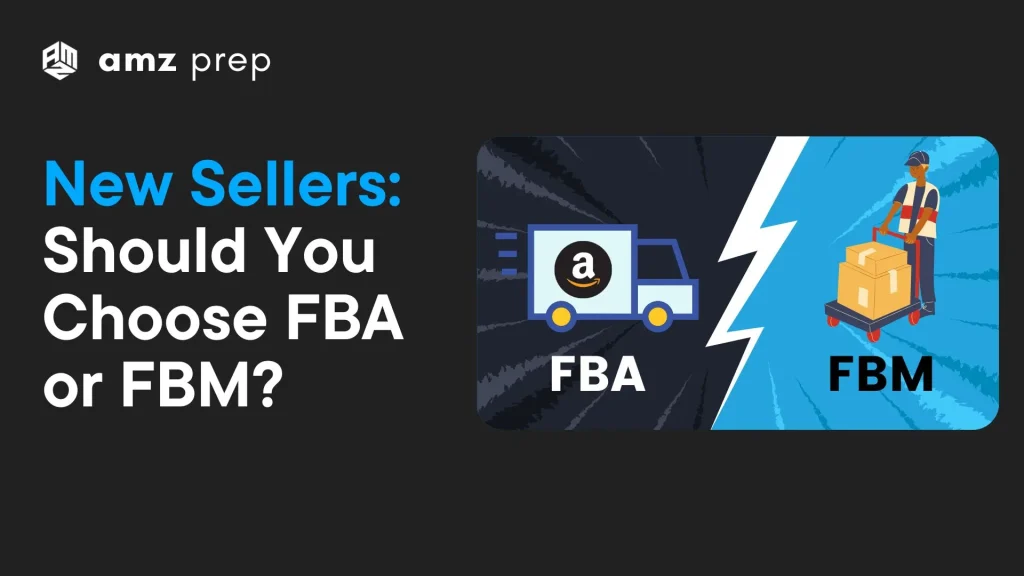
Fulfillment is the core element of the eCommerce business that drives your brand’s success. As an Amazon seller, you undeniably rely on either Fulfillment by Amazon or Fulfillment by Merchant.
One key risk that pushed many sellers toward FBM is the loss of inventory control under commingled inventory on Amazon, where your products could be mixed with those from other sellers, creating counterfeit and quality risks outside your control.
Delighting your customers depends on fulfillment efficiency. If you’re new and waiting to choose anyone, you’ve got to make it more strategically.
A few mishaps can result in a major setback. In e-commerce order fulfillment, everything runs behind the screens from start to finish.
Once the order is placed, customers preview the stages, not the end-to-end happening from picking to shipping.
But as a matter of fact, if any one activity in the fulfillment gets disturbed, the entire supply chain collapses. It’s rare, and you don’t have to worry about it.
Well, technically, your job is not yet done. Yep. You have to track the progress of fulfillment irrespective of FBA and FBM.
Are You Ready for Amazon FBA or FBM?
Before going ahead with the actual context, we would like to post some simple questions in front of your screen.
If you’re a newbie to Amazon selling, the following are the queries we wish to ask you.
1) What’s your understanding of FBA and FBM?
2) Have you checked with public forums like Seller Central, Quora, and Reddit?
3) Do you know the pros and cons?
4) Have you found your 3PL Partner?
5) Are you referring to our content piece to make a final decision?
That’s it! We are done with the basic questions. If we’re right, you would be thinking, what’s the need to raise these questions?
The reason is “our content is crafted to give you the answers that you need.” Sound and clear!
Are you ready to learn the business essentials to make your Amazon selling more fruitful? Let’s roll in.
FBA vs FBM: Choosing Your Fulfillment
Let us start with a quote: “The more you discuss, the less you decide.”
Just ask yourself, till now, how many Amazon fulfillment experts have you approached? If you’re reading this, we assume you are not yet clear.
It’s natural that second thoughts arise when your mind is fed with opinions. It is agreed that it’s a costlier decision that you’re about to make.
From day one, both FBA and FBM have had their own cult followers. It is a blend of brands ranging from small to enterprise. The debate goes on until/unless Amazon strikes out either of the fulfillment options.
The decision on which to opt in varies from brand to brand. Nevertheless, you should keep in mind that their fulfillment strategy won’t fit in with your ultimate objectives.
Making the wrong move forces you to take the leap in profitability. Your fulfillment strategy helps you go ahead or behind the market competition. If you’re asking How Much Do Amazon Sellers Make? The answer differs significantly between FBA and FBM operators, and the income data breaks it down by model.
| Metric | FBA (Fulfillment by Amazon) | FBM (Fulfillment by Merchant) |
|---|---|---|
| Control Over Inventory | Limited control; Amazon manages storage and stock levels | Full control; you manage inventory and stock levels |
| Fulfillment Speed | Fast (Prime-eligible products), relies on Amazon’s infrastructure | Dependent on your logistics; variable shipping speed |
| Storage Costs | Pay storage fees at Amazon’s fulfillment centers | You manage storage costs based on your facilities |
| Shipping Costs | Amazon’s rates apply, competitive for large orders | You control shipping rates, but may need to negotiate with carriers |
| Shipping Speed | Same-day or two-day shipping for Prime members | Dependent on your shipping provider and logistics system |
| Prime Eligibility | Products can become Prime-eligible with FBA | Products are not Prime-eligible unless fulfilled through Amazon directly |
| Branding & Packaging Control | Limited control over packaging; Amazon’s standard packaging | Full control over packaging, including custom options and inserts |
| Customer Service | Amazon handles returns and customer service | You manage all customer service and returns processes |
| Fees | Amazon charges fulfillment fees for (pick, pack, ship) + storage fees | No FBA fees; costs include warehousing, packaging, and shipping |
| International Sales | Global reach with Amazon’s international shipping network | Must handle your own international logistics and shipping |
| Multi-Channel Fulfillment (MCF) | Yes, can fulfill orders from Shopify, eBay, etc., via Amazon | No, must manage all channels independently |
| Scalability | Highly scalable with Amazon’s infrastructure | Scalability depends on your logistics and warehousing capabilities |
| Return Management | Handled by Amazon; efficient and standardized | You are responsible for managing returns and customer service |
| Inventory Visibility | Amazon provides detailed reports and tracking | Full control over inventory management and reporting |
| Operational Complexity | Low complexity; Amazon handles most operations | High complexity; requires your own system and processes |
| Automation | Automated systems for picking, packing, and shipping | Limited automation; relies on your own systems and processes |
| Costs for High-Volume Sellers | Competitive rates for large sellers, but additional fees apply | Lower operational costs but requires more manual effort |
| Customer Trust & Loyalty | High customer trust due to Prime and Amazon’s reputation | Requires building trust and loyalty directly with customers |
| Flexibility | Limited; must adhere to Amazon’s rules and policies | High flexibility; can implement custom strategies and adapt to changes |
| Marketing Opportunities | Access to Amazon’s advertising tools and sponsored listings | Must manage your own marketing channels outside of Amazon |
| Return on Investment (ROI) | Can be high due to Amazon’s infrastructure and Prime access | ROI depends on your operational efficiency and customer retention |
| Compliance & Regulations | FBA handles compliance with Amazon’s policies and regulations | You are responsible for ensuring compliance with your logistics and sales channels |
| Technology Integration | Seamless integration with Amazon’s ecosystem | Requires third-party solutions or in-house development for integration |
| Shipping Handling | Amazon’s fulfillment centers handle packing and shipping | You handle all packing, shipping, and logistics coordination |
| Order Fulfillment Accuracy | High accuracy with Amazon’s established processes | Dependent on your systems and fulfillment practices |
| Product Size and Weight | High fees for large or heavy items due to storage and handling costs. | Better for large/heavy products with no extra fees. |
| Sales Volume | Best for high-volume sales due to efficient fulfillment. | More suited for low-volume sales with direct fulfillment. |
| Branding Needs | Limited customization options for packaging. | Full control over packaging and branding for a personalized experience. |
| Customer Service | Amazon handles customer service and returns. | You handle all customer service and returns directly. |
| International Expansion | Easy global sales with Amazon’s fulfillment network. | You manage international shipping and logistics on your own. |
For a deeper understanding of the differences between SFP and FBA, review a detailed comparison.
What is FBA (Fulfillment by Amazon)l?
Fulfillment by Amazon (FBA) is a service that enables you to tap into Amazon’s fulfillment network and warehouses.
Amazon will take care of the picking, packing, shipping, and customer service when you enroll in the FBA program.
Did You Know? Surprising Stats about Amazon FBA
- Approximately 82% of Amazon sellers use FBA in the U.S. as their primary fulfillment method.
FBA sellers benefit from savings of up to 70% per item shipped when compared to major U.S. carriers. - Amazon’s fulfillment expenses reached $90.619 billion in 2023, representing a 7.5% increase compared to the previous year, says the sellers who sell on Amazon.
- Third-party sellers utilizing FBA sold over 4.5 billion items on Amazon in 2023, with an average of 8,600 items sold per minute. Before exploring the benefits, it’s smart to understand the Amazon FBA fees that affect your bottom line.
Key Benefits of Amazon FBA
Prime-Eligible Status:
One of the most attractive features of FBA is the Prime-eligible status, assuring faster shipping options to Amazon Prime customers.
This is presumed to be a high-value tag that makes a difference during the Prime Day sale. At the time of seasonal sales, the conversion of potential to loyal customers happens within a few seconds.
That’s the power of the Prime badge. It increases your product’s visibility, builds customer trust, and leads to faster sales and higher revenue.
Hands-Off Inventory and Shipping Management:
Managing your inventory, order fulfillment, and shipping logistics becomes tension-free with FBA.
Amazon’s automated systems take care of your inventory, sending you rounds of alerts on the stock level.
Hence, irrespective of the season or prime day, your order fulfillment will go as planned without any delays from the designated Amazon warehouses.
Scalability and Automation:
FBA’s Multi-Channel Fulfillment (MCF) program helps you fulfill orders from platforms like Shopify and eBay.
In addition, you save time, expand your product range, and enter new markets while delivering consistent service across all channels.
Global Reach:
Enrolling in FBA helps you tap into Amazon’s global marketplace to sell to worldwide customers in Europe, Canada, Japan, and other countries.
Amazon’s international network makes shipping overseas simpler. This helps you to open up new revenue opportunities from the new marketplaces.
Customer Service & Returns Management:
Amazon handles customer service and returns orders on behalf of you. Hence, staying in compliance with the FBA guidelines will be easier than expected.
For every activity involved, from replacement to refund, FBA will support you in every possible way.
Best Product Categories & Locations for FBA
| Product Categories | Reason |
|---|---|
| Consumer Electronics | High demand, fast shipping, ideal for tech gadgets. |
| Health & Beauty Products | Fast fulfillment and customer trust with Prime eligibility. |
| Toys & Games | High turnover, especially during peak seasons like holidays. |
| Clothing & Apparel | Ideal for fashion due to fast returns and scalability. |
| Books & Media | Low overhead, steady demand, cost-effective with FBA. |
| Home & Kitchen | Steady demand, perfect for bulk purchases, and holiday gifting. |
| Location | Region/City | Reason |
|---|---|---|
| California | Los Angeles, San Francisco, San Diego | Large population, high online shopping activity |
| Texas | Dallas, Houston, Austin | Fast-growing e-commerce market, ideal for consumer goods |
| New York/New Jersey | New York City, Newark | High-density metro areas with massive e-commerce activity |
| Florida | Miami, Orlando, Tampa | Popular for consumer electronics, health & beauty, home goods |
| Illinois | Chicago | Major logistics hub, suitable for books, fashion, and home goods |
What is Fulfillment by Merchant (FBM)?
Registering for the Fulfillment by Merchant (FBM) program allows you to manage every aspect of the order fulfillment process.
It involves storing, packing, and shipping products directly to customers’ doorsteps. Choosing FBM offers you complete control over fulfillment operations, costs, and customer experience.
Partnering with a 3PL is the strategic choice to achieve maximum efficiency for orders fulfilled by merchants.
Discover the Essential Figures Behind FBM
- Around 14% of sellers use Amazon FBM in the U.S. exclusively for their fulfillment needs.
- A total of 34% of Amazon sellers use FBM, either exclusively or in conjunction with FBA.
- FBM sellers realize savings of approximately 30% per item shipped when compared to major U.S. carriers.
- 20% of FBM merchants invest more than 40 hours per week managing their Amazon businesses.
Why FBM Works Best for Sellers with 3PL Partnership
Seller Fulfilled Prime
Seller Fulfilled Prime (SFP) is a Fulfilled by Merchant feature that allows you to offer Prime shipping benefits while managing your fulfillment.
It gives you control over inventory, packing, and shipping, while meeting Amazon’s high standards, including 1-2 day delivery and excellent customer service. If you need a dedicated two day delivery service to back your SFP commitments, having the right parcel partner in place is essential.
Partnering with a 3PL makes it easier to meet these SFP requirements. For context on why these requirements were put in place and what the SFP trial metrics sellers must hit actually look like, it helps to understand the regulatory history behind the program’s reopening.
3PLs also provide flexible solutions to manage order volumes, returns, and reduce shipping costs, helping you maintain consistent, timely service and stay on track for SFP qualification.
Suggested Read: 3PL vs 4PL: Key Differences in Modern Supply Chain Fulfillment
Take Charge of Your Inventory
You decide how much stock to keep, where to store it, and how to manage fulfillment. Supply chain optimization and warehouse management systems (WMS) integration help you track inventory in real time. At any time of expansion, you can scale up your stock level with FBM.
Reduce Costs and Boost Profitability
FBM helps you optimize the fulfillment fees and costs to match your budget. You can optimize warehouse locations based on your brand’s target location.
Partnering with a 3PL incorporated with a logistics network helps you fulfill customer orders at the best cost-effective fulfillment rates. If you’re just starting out, exploring dedicated shipping services for small business can help you manage costs even before your order volumes justify a full 3PL contract.
Deliver a Personalized Customer Experience
FBM gives you the freedom to create a unique shopping experience for customers. Custom-branded packaging, eco-friendly shipping options, and premium handling will help you stay ahead of the market competition.
FBM lets you include promotional inserts to make your brand remain unique in the cluttered marketplace.
Best Product Categories & Locations for FBM
| Product Categories | Reason |
|---|---|
| Furniture | Heavy, bulky items are best handled through FBM due to high shipping costs and specialized handling. |
| Custom/Personalized Products | Custom items benefit from FBM for tailored packaging and handling. |
| Heavy-Duty Industrial Equipment | Best for FBM due to the size and specialized shipping requirements of industrial tools and equipment. |
| Art & Handmade Goods | Custom handling and packaging of fragile items are better suited for FBM. |
| Grocery & Gourmet Food | Perishable items and those with specific storage needs are better suited for FBM. |
| Auto Parts & Accessories | Large, bulky items are ideal for FBM where specialized packaging and shipping can be controlled. |
| Location | Region/City | Reason |
|---|---|---|
| Midwest | Chicago, Illinois | Cost-effective for shipping heavy items |
| Southern U.S. | Atlanta, Georgia, Dallas, Texas | Ideal for custom goods and heavy products |
| Pacific Northwest | Portland, Oregon, Seattle, Washington | Suited for niche, delicate items |
| Northeast | Boston, Massachusetts, New York City | Great for custom products and local fulfillment |
How a 3PL Provider Bridges the Gap for Your Business
Juggling around to decide between FBA and FBM? A third-party logistics (3PL) provider can be the perfect match for your ecommerce fulfillment.
They bridge the gap with customized strategies that align with your unique needs. Here’s how a 3PL can help you:
Seamless Integration with FBA and FBM
Your reliable 3PL provider has tailored fulfillment plans to integrate FBA and FBM operations. You have the competitive edge to switch to an FBM or 3PL partner and to scale up with the FBA.
Expert Inventory Management for Scalable Growth
With the help of a 3PL, you gain access to advanced inventory management systems. They provide the technology from tracking inventory to handling order spikes around the clock.
Cost-Efficient Logistics Tailored to Your Business
A 3PL provider has a well-seasoned partnership with the leading logistics solutions providers. They offer more competitive rates and superior service compared to handling fulfilment in-house.
The Final Verdict on FBA vs FBM
Your fulfillment strategy isn’t just a choice—it’s the foundation of your Amazon business success. FBA offers scalability and Prime benefits, while FBM provides control and cost efficiency. What’s best for you? That depends on your goals.
Looking for effortless fulfillment and Prime eligibility? FBA is your best bet.
Want complete control and cost flexibility? FBM might be the right path.
Need the best of both worlds? A 3PL partner can customize a fulfillment strategy that balances efficiency, cost, and growth.
The choice is yours—but waiting too long can cost you sales, efficiency, and customer satisfaction. The sooner you define your fulfillment strategy, the sooner you can scale, optimize costs, and dominate your niche.
So, what’s your next move? Decide today and take the next step toward a more substantial, more profitable Amazon business.
FAQs
What’s the difference between FBA and FBM?
FBA means Amazon will handle storage, packing, and shipping for you, while FBM means it is up to you to manage the entire fulfillment process, from inventory to shipping.
Which is more cost-effective, FBA or FBM?
Cost-effectiveness really depends on the size of your business. FBA offers convenience but has numerous fees for storage, picking, and packing. FBM allows you more control over what shipping costs can be, but at the same time, more work and effort from your side is required.
How do Amazon FBA and FBM impact my seller ranking?
FBA can uplift your seller rating by offering Prime eligibility and fast shipping, thus increasing customer satisfaction. FBM sellers may do well to ensure faster and more reliable shipping in a competitive ranking.
Is FBA better for new sellers than FBM?
FBA can be perfect for new sellers. FBM can appeal to sellers who are integrated with infrastructure in place to handle their fulfillment.
Can I switch from FBA to FBM or vice versa?
Yes, you can switch between FBA and FBM. Most sellers prefer switching based on inventory management, seasonal demands, and the changes required in their custom fulfillment strategies. You can also explore other Amazon FBA alternatives.
Which fulfillment method is more scalable: FBA or FBM?
Generally, FBA is more scalable, given that the fulfillment is under Amazon. It takes more effort to scale an FBM since it requires additional attention on warehousing, shipping, and handling returns.
How does FBA vs FBM affect customer experience?
FBA offers faster shipping and Prime eligibility, hence improving customer experience. However, with FBM, you need to be timely and reliable with your shipping service in order to compete with Amazon.
Can I use FBA for some products and FBM for others?
Yes, many sellers implement FBA and FBM strategies for various products. The combination allows sellers to use Amazon’s fulfillment services for high-volume or fast-moving items while retaining control of slow-moving inventory.
How do returns work with FBA vs FBM?
FBA handles returns for you, which is undoubtedly easier for customers. FBM sellers are responsible themselves for handling returns; therefore, this can be time-consuming, but ultimately gives you more control over the process.

Diggy oversees comprehensive fulfillment strategies for eCommerce brands at AMZ Prep, bringing deep expertise in warehouse operations and shipping optimization. His strategic background includes serving as account director at Slate Asset Management, where he developed unique insights that now enhance his supply chain optimization approach. At AMZ Prep, he works closely with supply chain teams to ensure seamless product availability during peak seasons and promotional events. His analytical expertise in fulfillment KPIs has helped brands reduce shipping costs by 20% while improving delivery reliability.
















Valuable info. Lucky me I found your website accidentally, and I
am shocked why this twist of fate didn’t came about in advance!
I bookmarked it.