
Amazon dominates ecommerce. We all know that. But here is the reality most sellers eventually face: putting all your eggs in Amazon’s basket is risky.
Between listing suppressions, account suspensions, rising fees, and increasingly aggressive competition from Amazon’s own private labels, smart sellers are looking elsewhere. And they should be.
The global ecommerce market hit $6.3 trillion in 2024 and is racing toward $8 trillion by 2027. Amazon captures roughly 37% of US ecommerce sales, which sounds massive until you realize that means 63% of sales happen somewhere else.
That somewhere else is where opportunity lives.
We work with thousands of sellers at AMZ Prep, helping them fulfill orders across multiple platforms. What we have learned firsthand is that diversification is not just smart, it is essential for long term growth. Sellers who spread their presence across multiple marketplaces consistently outperform those who rely solely on Amazon.
This guide breaks down every major Amazon competitor worldwide. We are covering the established players, the regional powerhouses, and the emerging challengers that are reshaping ecommerce as we speak. Whether you are a US based seller looking to expand internationally or an established brand seeking to reduce Amazon dependency, this is your roadmap.
Let us dive in.
Note: AMZ Prep is not an Amazon competitor. We are the fulfillment infrastructure that helps brands sell across Amazon and every platform on this list at the same time.
FBA prep , DTC fulfillment, Walmart compliance, and B2B EDI routing run from one partner and one inventory pool. Here is how AMZ Prep supports multi-channel growth.
Quick Comparison: Amazon Competitors at a Glance
Before we go deep on each platform, here is the overview. This table covers the major competitors across all regions so you can quickly identify which platforms align with your business goals.
| Platform | Region | Seller Fees | Best For | Monthly Visitors | Key Strength |
|---|---|---|---|---|---|
| eBay | Global | 10 to 12% | Used goods, collectibles, electronics | 1.2B+ | Auction format, global reach |
| Walmart Marketplace | USA, Canada | 6 to 20% | Established brands, high volume | 500M+ | No subscription fees, trusted brand |
| Shopify | Global | $29+/month | DTC brands, custom products | N/A (own store) | Full brand control |
| Etsy | Global | 6.5% + $0.20 | Handmade, vintage, crafts | 450M+ | Targeted creative audience |
| Flipkart | India | 5 to 20% | Consumer electronics, fashion | 1.5B+ | 47% India market share |
| Meesho | India | Zero commission | Value focused sellers | 200M+ | Social commerce, tier 2/3 cities |
| Shopee | Southeast Asia | 2 to 10% | Fashion, electronics, beauty | 2B+ | 52% SEA market share |
| MercadoLibre | Latin America | 10 to 16% | General merchandise, electronics | 700M+ | Dominant LATAM player |
| OTTO | Germany, EU | 10 to 15% | Fashion, home goods, electronics | 50M+ | Second largest German marketplace |
| Zalando | Europe | Negotiated | Fashion, footwear, accessories | 300M+ | Premium fashion positioning |
| Kogan | Australia | Varies | Electronics, value goods | 25M+ | Leading Australian pure play |
| Noon | Middle East | 5 to 15% | Consumer goods, electronics | 50M+ | Dominant UAE/Saudi platform |
Now let us break these down region by region with the depth you need to make informed decisions.
Global Amazon Competitors
These platforms operate worldwide and represent the most direct alternatives to Amazon regardless of where your customers are located.
eBay: The Original Marketplace
eBay was selling products online when Amazon was still figuring out how to ship books. Founded in 1995, it remains one of the most recognizable ecommerce platforms globally with over 1.9 billion live listings and 134 million active buyers.

What Makes eBay Different
Unlike Amazon’s fixed price model, eBay built its reputation on auctions. While the platform has evolved to support fixed price listings (which now account for over 80% of sales), the auction heritage means eBay attracts a different buyer psychology. Shoppers come looking for deals, unique items, and second hand goods in ways they do not on Amazon.
For sellers, this creates opportunity. Categories that struggle on Amazon, like vintage items, refurbished electronics, collectibles, and used goods, thrive on eBay. The platform is also more forgiving of imperfect inventory. That customer return with damaged packaging that Amazon would reject? eBay buyers will snap it up at a discount.
Revenue and Market Position
eBay generated $10.3 billion in revenue for fiscal year 2024, with the marketplace serving as the core business driver. Q1 2025 revenue came in at $2.585 billion, representing modest but steady growth of 1.13% year over year.
The platform has shifted strategy in recent years, focusing on enthusiast categories like sneakers, trading cards, and luxury goods rather than competing directly with Amazon on commodity products. This pivot has helped stabilize the business and create defensible niches.
Seller Fees
Final value fees range from 10% to 12% depending on category. Some categories like guitars and musical instruments have lower rates around 6%, while others like jewelry can reach 15%. eBay also charges insertion fees for listings beyond your free monthly allocation, typically $0.35 per listing.
There is no monthly subscription required to sell, though eBay Stores subscriptions ($4.95 to $299.95 per month) provide additional free listings and reduced fees for higher volume sellers.
Who Should Sell on eBay
eBay works best for sellers with unique, hard to find, or second hand inventory. It is also strong for liquidating overstock, selling refurbished electronics, and reaching international buyers without the complexity of Amazon Global Selling. The platform’s buyer protection policies and established trust make it easier to sell higher priced items to first time buyers compared to newer marketplaces.
If you are selling commodity products that compete on price alone, eBay will be tougher. But for differentiated inventory, it remains one of the best Amazon alternatives.
Shopify: Build Your Own Empire
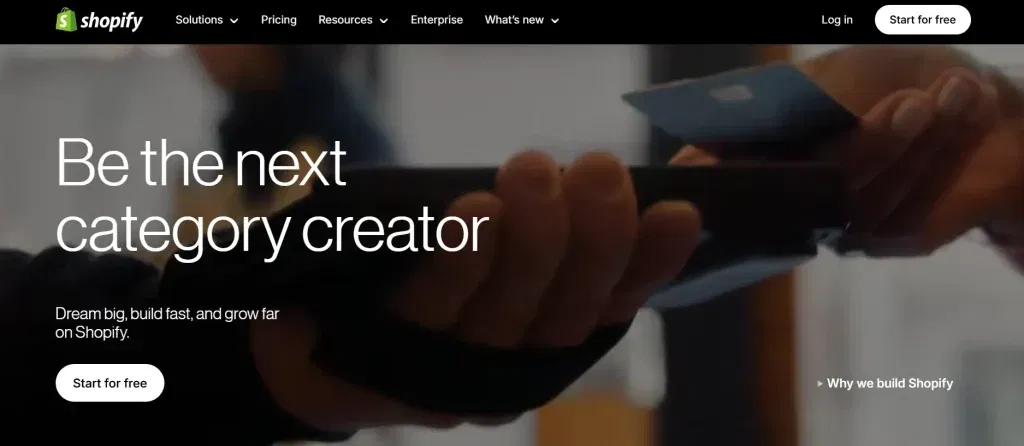
Shopify is not a marketplace in the traditional sense. Instead, it is a platform that lets you build your own branded online store with complete control over the customer experience. This distinction matters.
When you sell on Amazon or eBay, you are renting shelf space in someone else’s store. When you build on Shopify, you own the relationship with your customers. You control the branding, the pricing, the data, and the destiny of your business.
The DTC Revolution
Direct to consumer (DTC) selling has exploded over the past decade, and Shopify sits at the center of this movement. Over 5.23 million websites run on Shopify globally, ranging from single product stores to billion dollar brands like Gymshark, Allbirds, and Kylie Cosmetics.
The appeal is straightforward. Amazon takes your customers. Shopify gives them to you. Those email addresses, purchase histories, and browsing behaviors become your assets to use for retention marketing, product development, and building genuine brand loyalty.
Revenue and Growth
Shopify reported $2.36 billion in revenue for Q1 2025, representing explosive 26.81% year over year growth. The company has become the de facto standard for ecommerce entrepreneurship, with merchant GMV exceeding $75 billion quarterly.
The platform has expanded well beyond simple storefronts. Shopify Payments handles transactions, Shopify Fulfillment Network competes with Amazon FBA, and Shopify Capital provides loans to merchants. It is becoming a complete commerce operating system.
Pricing Structure
Shopify offers tiered monthly plans. Basic starts at $29 per month, Shopify at $79 per month, and Advanced at $299 per month. Enterprise level Shopify Plus starts around $2,000 per month for high volume merchants.
Transaction fees apply if you use external payment processors instead of Shopify Payments. These range from 2% on Basic to 0.5% on Advanced. Using Shopify Payments eliminates these fees, leaving only credit card processing rates of 2.4% to 2.9% plus $0.30 per transaction.
The Trade Off
The catch with Shopify is traffic. Amazon and eBay have built in audiences. Shopify stores do not. You need to drive your own customers through paid advertising, content marketing, social media, email campaigns, and other acquisition channels. This requires marketing expertise and budget that not every seller has.
For brands with strong identities and existing audiences, Shopify is transformative. For commodity sellers or those just starting out, the traffic challenge can be overwhelming.
Who Should Sell on Shopify
Shopify excels for brands that want full control over their customer relationships. It works best when you have a differentiated product, a story to tell, and the marketing capability to drive traffic. Many successful sellers use Shopify alongside Amazon, capturing brand searches directly while using Amazon for discovery.
Etsy: The Creative Economy Marketplace
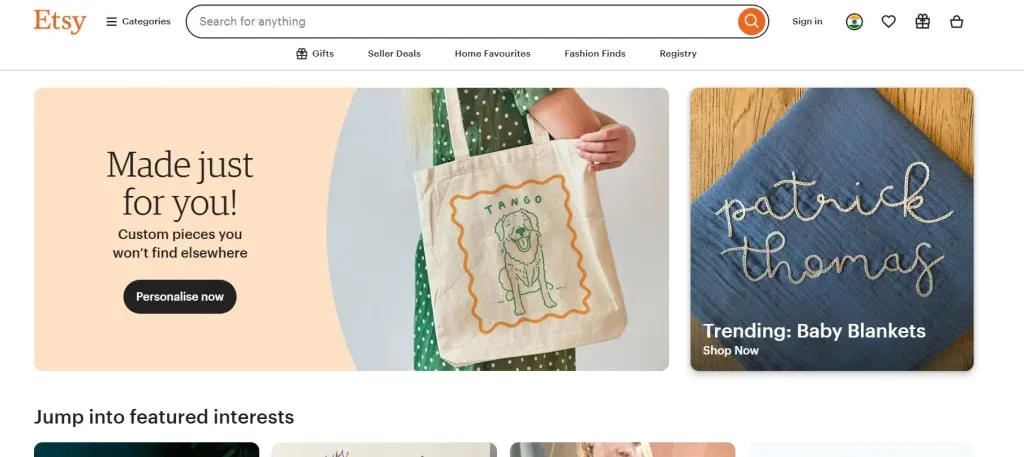
Etsy occupies a unique position in ecommerce. It is not trying to be Amazon. Instead, it has carved out a defensible niche around handmade goods, vintage items, and craft supplies that attracts buyers specifically looking for products with personality.
The Etsy Ecosystem
With 95.5 million active buyers and 6.2 million active sellers, Etsy has built a thriving community around creativity. The platform generated $651 million in revenue during Q1 2025, representing steady growth of 0.81% year over year.
What makes Etsy different is buyer intent. People browsing Etsy are not looking for the cheapest version of a commodity product. They want something unique, handcrafted, or personalized. This buyer psychology supports higher margins and reduces the race to the bottom pricing that plagues Amazon sellers.
The platform has expanded beyond its handmade roots to include digital downloads, print on demand products, and craft supplies. Some sellers have built seven figure businesses selling digital planners, SVG files, and printable art.
Fee Structure
Etsy charges a $0.20 listing fee per item (listings last four months or until sold), plus a 6.5% transaction fee on the sale price. Payment processing adds another 3% plus $0.25 per transaction. For US sellers using Offsite Ads (mandatory above certain thresholds), Etsy takes an additional 12% to 15% on sales attributed to their advertising.
All in, expect to pay roughly 10% to 15% of your sale price in fees, which is comparable to Amazon but with significantly less competition in most categories.
Who Should Sell on Etsy
Etsy works best for artisans, crafters, and sellers of unique or personalized products. Vintage sellers (items 20+ years old) also thrive here. UK sellers should also understand Etsy returns for UK sellers before listing products, particularly when selling personalized or made to order items. The platform has become increasingly popular for wedding items, custom gifts, home decor, and digital products.
If you are selling mass produced commodity goods, Etsy is not the right fit. The platform’s community actively enforces handmade standards, and listings for generic products often get flagged or removed.
AliExpress: The Cross Border Giant
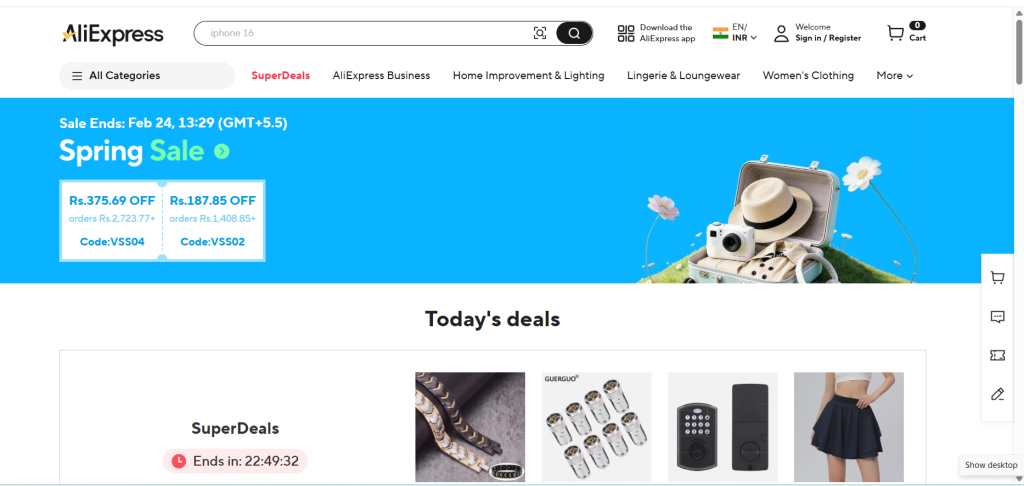
AliExpress is Alibaba Group’s consumer facing marketplace, connecting Chinese manufacturers and sellers directly with international buyers. While primarily known as a sourcing platform for dropshippers, AliExpress has evolved into a legitimate retail destination for budget conscious consumers worldwide.
Global Reach and Scale
AliExpress serves buyers in 220+ countries with over 150 million active users. The platform processes hundreds of millions of orders annually, with particular strength in Europe, Russia, South America, and Southeast Asia. Revenue figures are consolidated within Alibaba Group’s international commerce segment, which generated over $9 billion in fiscal 2024.
The value proposition is simple: direct access to factory prices without retail markup. Products ship directly from China to consumers worldwide, typically taking 15 to 45 days for delivery. Faster shipping options have improved significantly, with some sellers offering 7 to 15 day delivery through AliExpress Standard Shipping.
Seller Opportunity
For sellers already manufacturing in China, AliExpress offers a direct route to global consumers without the complexity of Amazon Global Selling or establishing international distribution. The platform handles payment processing, provides buyer protection, and manages cross border logistics.
Commission rates typically range from 5% to 8% depending on category. There are no listing fees or monthly subscriptions, making it accessible for smaller manufacturers and trading companies.
Considerations
AliExpress faces significant challenges in some markets. Tariff changes, particularly in the US under various administrations, have impacted the platform’s competitiveness. Shipping times, while improved, still lag behind domestic alternatives. And trust issues around product quality persist despite improved buyer protection.
Who Should Sell on AliExpress
AliExpress works best for manufacturers and trading companies with direct access to Chinese production. It can also serve as a testing ground for products before investing in Amazon FBA inventory. Western brands typically avoid AliExpress due to brand perception issues.
Amazon Competitors in the United States
The US remains the world’s largest ecommerce market by consumer spending, making competition for Amazon intense. These platforms have carved out meaningful positions despite Amazon’s dominance.
Walmart Marketplace: The Retail Giant Goes Digital
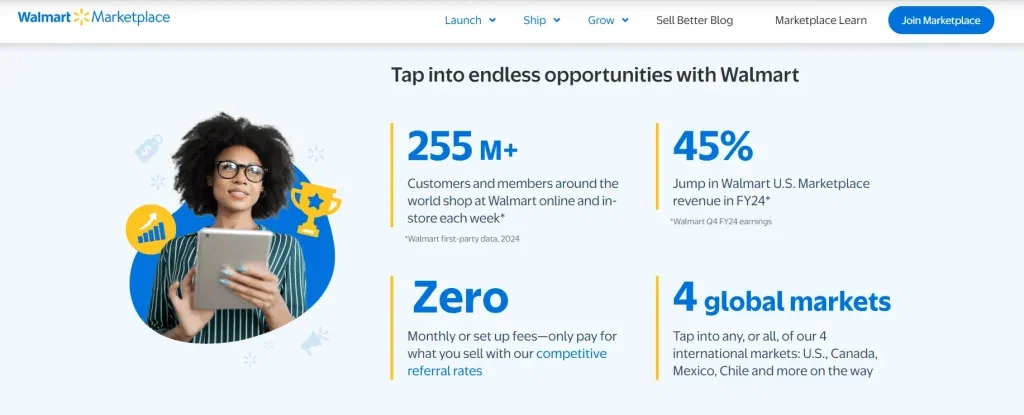
Walmart represents Amazon’s most credible US competitor. The company’s combination of physical retail footprint, brand trust, and aggressive ecommerce investment has created a marketplace that sellers cannot ignore.
The Walmart Opportunity
Walmart Marketplace hosts over 150,000 third party sellers and attracts more than 120 million monthly visitors. The platform generated approximately $100 billion in ecommerce sales during 2024, growing significantly faster than the company’s overall retail business.
What makes Walmart different from Amazon is the integration between online and offline. With 4,700+ stores across the US, Walmart offers pickup, returns, and delivery options that pure ecommerce players cannot match. Approximately 90% of Americans live within 10 miles of a Walmart store.
Walmart’s total revenue for Q1 2025 reached $165.6 billion, with ecommerce contributing an increasingly significant portion.
Fee Structure
Walmart charges referral fees ranging from 6% to 20% depending on category. Unlike Amazon, there is no monthly subscription fee. You only pay when you make a sale.
For sellers using Walmart Fulfillment Services (WFS), storage and Walmart fulfillment fees apply. These are generally competitive with Amazon FBA, sometimes lower, and include no long term storage fees during your first year.
Getting Approved
Walmart is more selective than Amazon about who can sell on the platform. The application process requires demonstrating ecommerce experience, competitive pricing, and operational capability. Sellers with existing Amazon stores often have an easier approval path.
Once approved, Walmart tends to be less volatile than Amazon. Sellers report fewer arbitrary suspensions and more predictable policy enforcement.
Who Should Sell on Walmart
Walmart Marketplace works best for established sellers with proven track records and competitive pricing. The platform attracts a value focused customer base, so premium or luxury positioning is harder to maintain. Sellers in categories like home goods, electronics, toys, and grocery tend to perform well.
For Amazon sellers looking to diversify, Walmart is typically the first expansion because the operational model is similar enough to leverage existing skills while reaching a different customer segment.
Target Plus: Invitation Only Premium

Target Plus takes a completely different approach than Walmart or Amazon. Rather than opening the floodgates to any seller, Target maintains a curated, invitation only marketplace focused on quality and brand alignment.
The Target Difference
Target Plus partners with select sellers whose products complement Target’s existing assortment and brand image. The marketplace is not about volume. It is about extending Target’s reach into categories and products that make sense for their customer base.
This selectivity benefits approved sellers significantly. Competition is limited, brand association with Target provides credibility, and the platform’s more affluent customer base supports premium pricing.
Target reported revenue of $105.9 billion for the twelve months ending April 2025, with digital sales contributing an growing share.
How to Get Invited
You cannot apply to Target Plus. Target’s merchandising team identifies and invites brands based on product fit, quality, and market positioning. Sellers with strong presence in their categories, positive reviews elsewhere, and products that align with Target’s aesthetic have the best chances of receiving invitations.
Fee Structure
Fees are negotiated individually with Target and vary by category and seller. Expect commission structures similar to other marketplaces, typically in the 10% to 15% range, but specifics depend on your agreement.
Who Should Pursue Target Plus
Target Plus suits established brands with strong products that align with Target’s customer base. Categories like baby products, home decor, beauty, and wellness tend to perform well. If your brand aesthetic matches Target’s, reaching out through business development channels or waiting for an invitation makes sense.
Best Buy, Newegg, and Category Specialists
Beyond the general merchandise giants, category focused marketplaces offer opportunities for sellers in specific niches.
Best Buy Marketplace
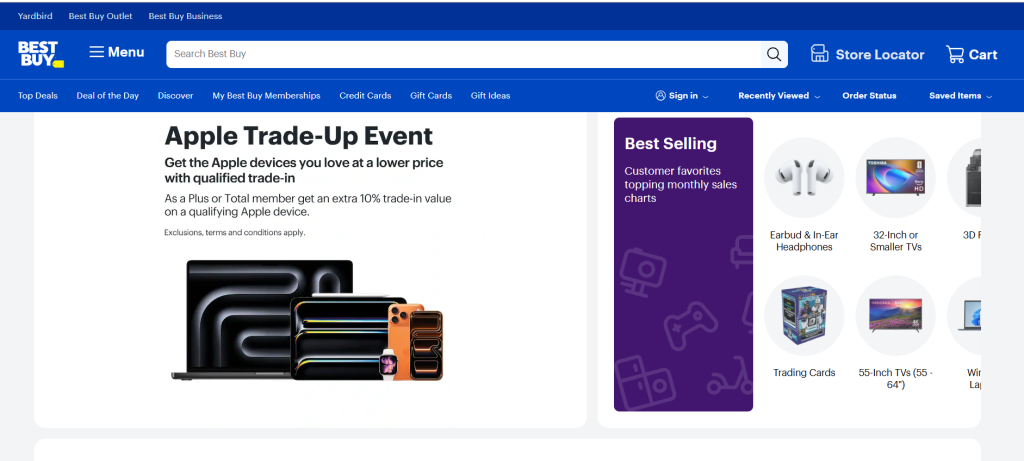
Best Buy expanded beyond its own inventory to include third party sellers in 2022. The marketplace focuses on consumer electronics, appliances, and related accessories. With Best Buy’s reputation for electronics expertise and service, sellers of quality electronics products can access a customer base willing to pay for reliability.
Newegg
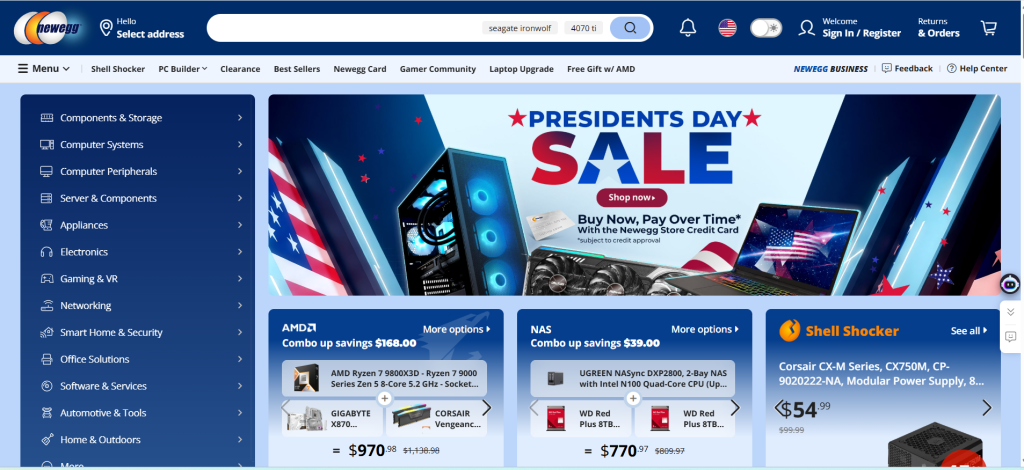
Newegg dominates in computer hardware, components, and gaming products. For sellers of PC parts, peripherals, and tech accessories, Newegg’s enthusiast audience often converts better than Amazon’s more general traffic. The platform hosts over 30 million registered members who specifically seek tech products.
Other Specialists
Chewy has captured significant pet product market share and works with brand partners. Wayfair dominates online furniture and home goods. Poshmark and ThredUp lead in resale fashion. Each specialist marketplace offers access to buyers with specific purchase intent.
Amazon Competitors in India
India represents one of the world’s most exciting ecommerce opportunities. With 969 million internet subscribers and a rapidly growing middle class, the market is projected to reach $200+ billion by 2027. Understanding the competitive landscape here is essential for any seller with global ambitions.
Flipkart: The Walmart Owned Giant
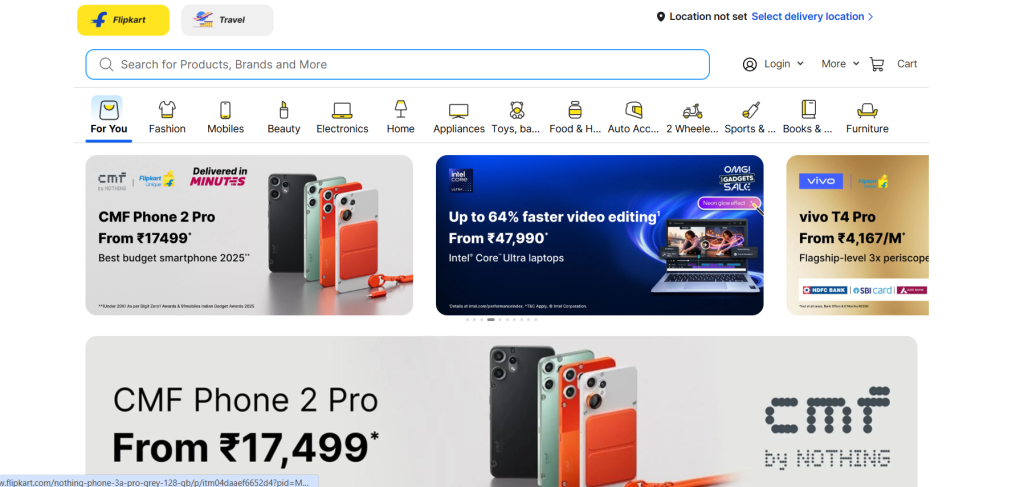
Flipkart is Amazon’s primary competitor in India and currently leads the market. Owned by Walmart since 2018 (acquired for $16 billion), Flipkart commands approximately 47% market share compared to Amazon India’s 30 to 35%.
Market Dominance
Flipkart generated ₹82,350 crore ($9.8 billion) in revenue during fiscal year 2025, processing orders from 450 million registered users with 180 million monthly active users. The platform’s strength lies in its deep understanding of Indian consumer behavior, particularly in tier 2 and tier 3 cities where internet adoption is accelerating fastest.
Electronics and fashion dominate Flipkart’s sales mix, contributing approximately 50% and 30% respectively. The platform’s annual Big Billion Days sale event has become India’s biggest shopping festival, generating over $5 billion in merchandise value during the 2024 edition alone.
The Flipkart Advantage
Flipkart has invested heavily in logistics infrastructure suited to India’s challenges. The company operates one of the largest delivery networks in the country with fulfillment centers strategically positioned to reach 95%+ of Indian pin codes. This logistics capability gives sellers access to consumers that would be nearly impossible to reach independently.
The platform also owns Myntra (fashion) and Shopsy (social commerce), creating an ecosystem that captures different consumer segments. Combined, the Flipkart Group processes more ecommerce orders than any other player in India.
Seller Fees
Commission rates on Flipkart range from 5% to 20% depending on category. Electronics tend toward the lower end while fashion and lifestyle products sit higher. Fulfillment fees apply for sellers using Flipkart’s logistics services, with rates varying by product weight and dimensions.
IPO Coming
Flipkart has been preparing for a public offering expected in late 2025 or early 2026. The company relocated its domicile from Singapore to India in 2025, a prerequisite for listing on Indian stock exchanges. Going public will bring additional capital and scrutiny to the platform.
Who Should Sell on Flipkart
Flipkart suits sellers targeting Indian consumers across most categories, with particular strength in electronics, fashion, and home goods. International sellers can access the platform through Flipkart Global, though the process requires navigating Indian regulations and establishing local presence for fulfillment.
Meesho: Social Commerce Pioneer
Meesho represents a fundamentally different approach to ecommerce. Built around social selling and zero commission for sellers, the platform has captured India’s value conscious consumers in ways traditional marketplaces have not.
The Meesho Model
Meesho began as a social commerce platform enabling homemakers and micro entrepreneurs to resell products through WhatsApp and Facebook. This model tapped into existing trust networks, solving the challenge of reaching consumers skeptical of buying from unknown online sources.
The platform has since evolved into a direct marketplace while retaining its zero commission structure. Yes, you read that correctly. Meesho does not charge sellers any commission on sales. Instead, the company monetizes through logistics services and optional advertising.
Explosive Growth
Meesho generated ₹9,390 crore ($1.1 billion) in operating revenue during FY 2025, serving 213 million transacting users. The platform processes approximately 2 billion orders annually, representing nearly 30% of all ecommerce shipments in India.
What makes these numbers remarkable is the customer demographic. 87% of Meesho’s orders come from outside India’s top eight cities. The platform has cracked the code for reaching Bharat (the term used for non metro India), where price sensitivity is highest and brand loyalty to platforms lowest.
Meesho went public through an IPO in December 2025, raising $603 million and validating its business model.
Why Sellers Choose Meesho
The zero commission model is the obvious draw, but Meesho offers additional advantages. Seller onboarding is simple, with vernacular language support in Hindi, Tamil, Bengali, and other regional languages. The platform handles logistics through its Valmo network, which covers 15,000+ pin codes with 6,000 logistics partners.
For sellers, Meesho provides access to price sensitive consumers who are not browsing Amazon or Flipkart. The typical Meesho buyer is looking for unbranded, affordable products. If your margin structure supports low prices, Meesho opens a massive customer base.
Considerations
Return rates on Meesho run higher than traditional marketplaces due to Cash on Delivery (COD) prevalence and the nature of value focused shopping. Failed deliveries also eat into margins when COD orders are refused. Sellers need to factor these costs into pricing.
Who Should Sell on Meesho
Meesho works best for sellers of affordable, unbranded products targeting value conscious Indian consumers. Fashion, home goods, and daily essentials perform particularly well. Sellers manufacturing in India have natural advantages given the platform’s domestic focus.
JioMart and Other Indian Players
JioMart
Reliance Retail’s JioMart combines physical stores with digital commerce, leveraging parent company Reliance Industries’ massive distribution network. The platform focuses primarily on groceries and daily essentials but has expanded into electronics and fashion.
JioMart’s advantage lies in its integration with Reliance’s ecosystem, including Jio telecom services used by hundreds of millions of Indians. This built in distribution channel gives JioMart customer acquisition advantages that pure play competitors cannot match.
Myntra
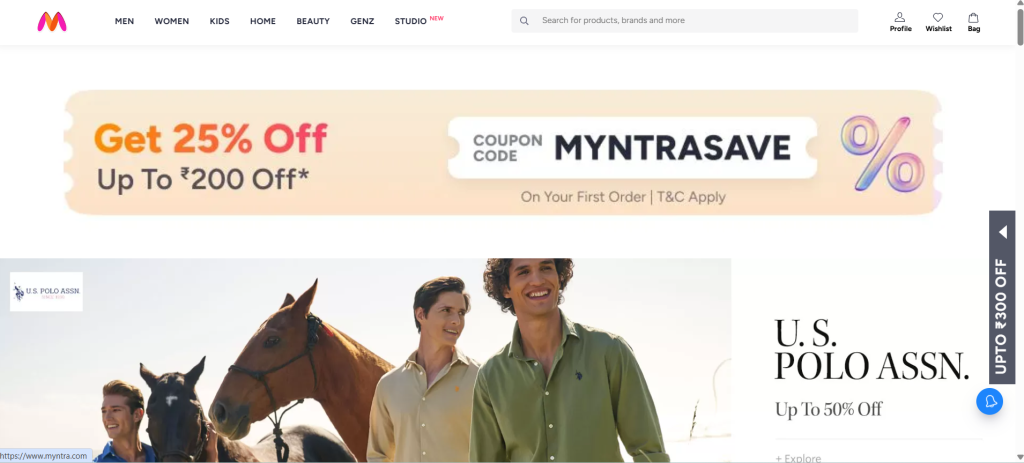
Owned by Flipkart, Myntra dominates fashion ecommerce in India with over 50% market share among active online fashion shoppers. The platform generated ₹7,232 crore in combined advertising revenue with Flipkart during FY 2025. For fashion sellers, Myntra provides access to India’s most engaged fashion consumers.
Nykaa
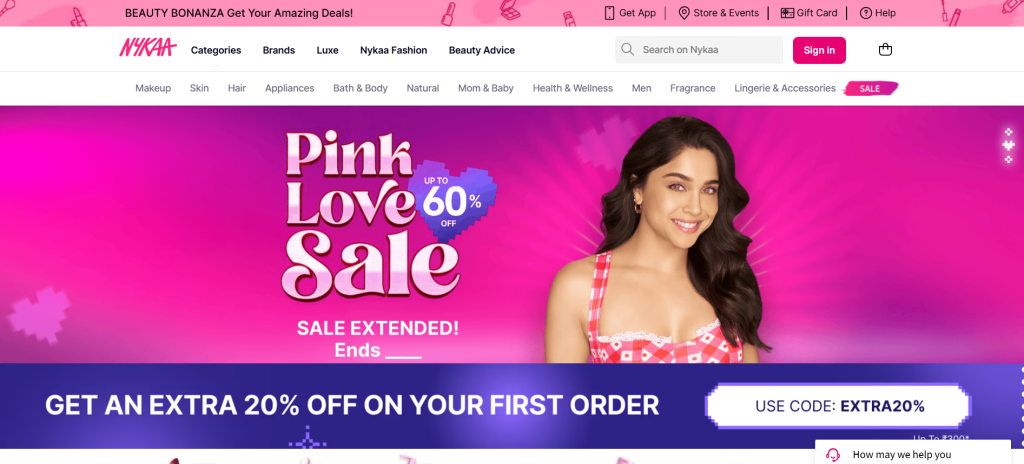
Nykaa has established itself as India’s leading beauty and personal care ecommerce platform. The publicly listed company (FSN E Commerce Ventures) generated ₹5,142 crore in FY 2023 revenue. Beauty and cosmetics sellers targeting Indian consumers should prioritize Nykaa alongside broader marketplaces.
Amazon India
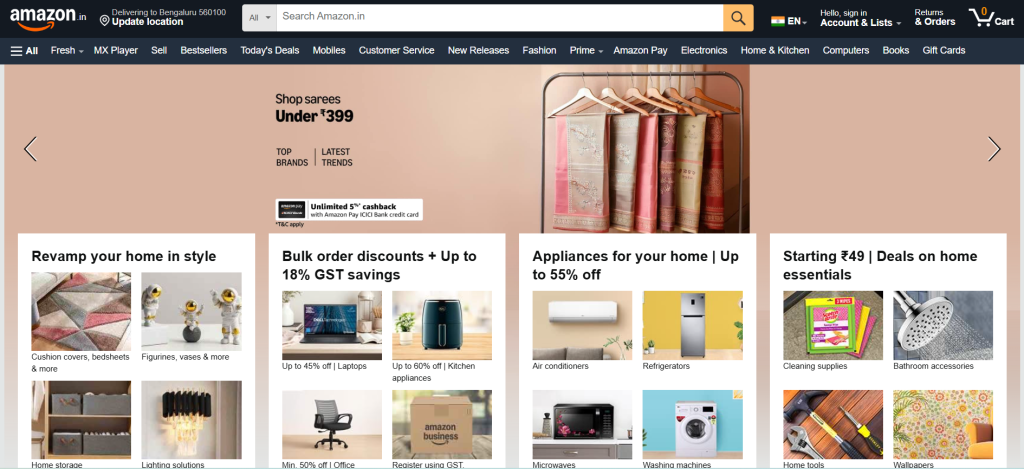
Amazon remains a major force with approximately 30 to 35% market share. Amazon India reported 19% revenue growth in FY 2025, reaching ₹30,138 crore. For international sellers, Amazon India often provides the easiest entry point due to integration with Amazon Global Selling.
Amazon Competitors in the United Kingdom
The UK represents Europe’s second largest ecommerce market with sophisticated online shoppers and well developed logistics infrastructure. Amazon UK dominates but faces meaningful competition.
OnBuy: The Transparent Alternative
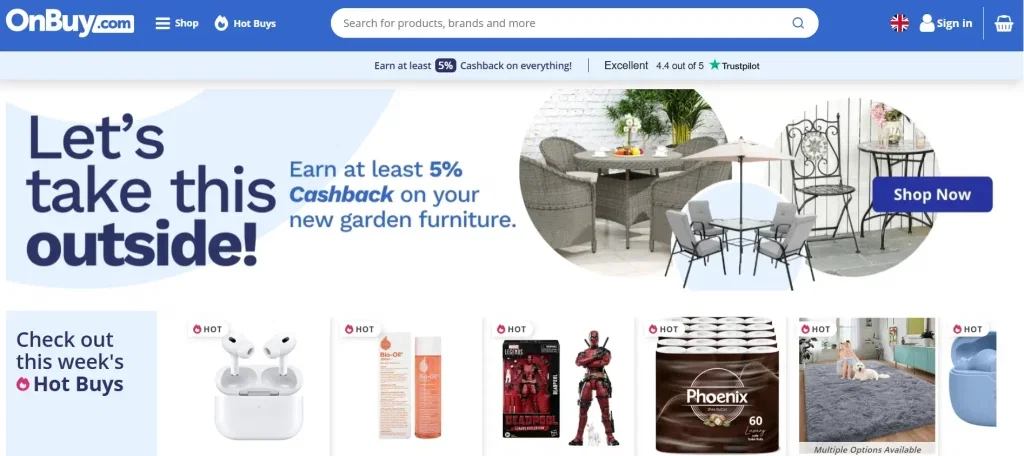
OnBuy has positioned itself as the anti Amazon, building its entire value proposition around not competing with its own sellers. The platform explicitly does not sell its own products or develop private labels, addressing one of sellers’ biggest Amazon frustrations.
Rapid Growth
Founded in 2016, OnBuy has grown rapidly to become one of the UK’s notable marketplace alternatives. The platform processes approximately $41.2 million in annual revenue and continues expanding its seller base and category coverage.
OnBuy’s commitment to seller fairness extends to its fee structure and policies. Commission rates range from 5% to 9% depending on category, significantly lower than Amazon UK. There are no listing fees, and the monthly seller subscription is £19 plus VAT.
The OnBuy Advantage
For sellers frustrated with Amazon’s competitive practices, OnBuy offers peace of mind. Your bestselling products will not suddenly face competition from OnBuy’s own private label. Seller support tends to be more accessible than Amazon’s automated systems.
The platform attracts deal seeking UK shoppers and has invested in marketing to build consumer awareness. While traffic does not match Amazon’s scale, conversion rates can be higher due to less competition per listing.
Who Should Sell on OnBuy
OnBuy works well for UK based sellers seeking a low fee, transparent marketplace without Amazon’s competitive tensions. The platform is particularly strong in electronics, home goods, and garden categories. International sellers can access OnBuy but need UK fulfillment capability.
Additional UK Marketplaces
ASOS
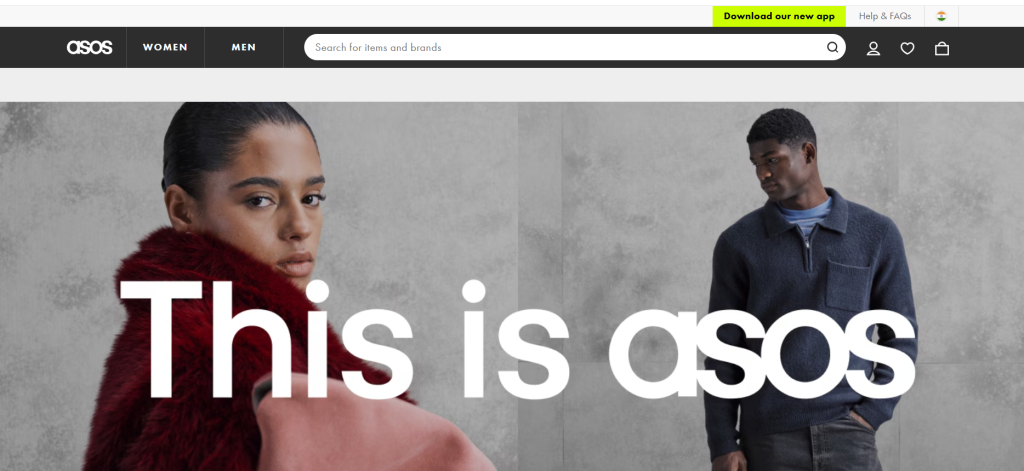
ASOS dominates online fashion in the UK, particularly among younger consumers. The platform operates as both a retailer and marketplace, with partner brands able to sell through ASOS’s traffic. Fashion sellers targeting UK millennials and Gen Z should explore ASOS partnership opportunities.
Argos
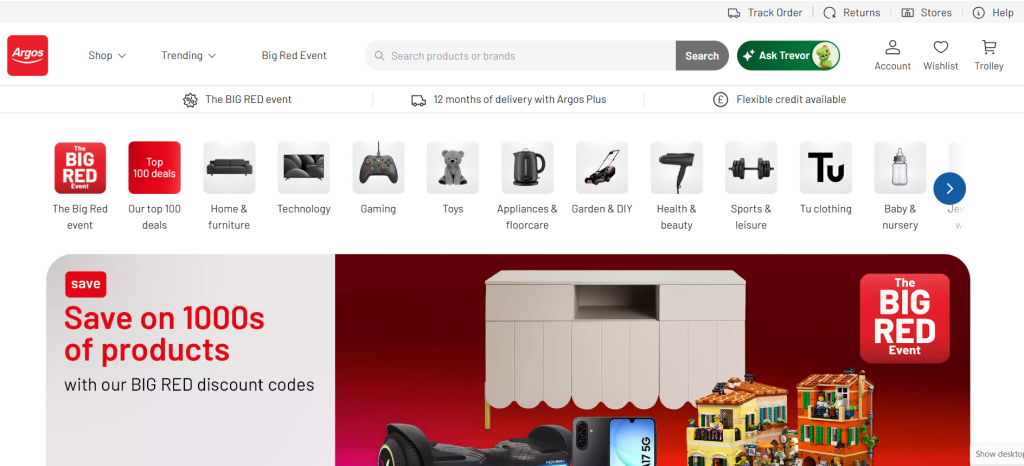
Owned by Sainsbury’s, Argos combines ecommerce with click and collect through its store network. The platform is particularly strong in electronics, toys, and home goods. Sellers can access Argos through Sainsbury’s partner programs.
Not On The High Street
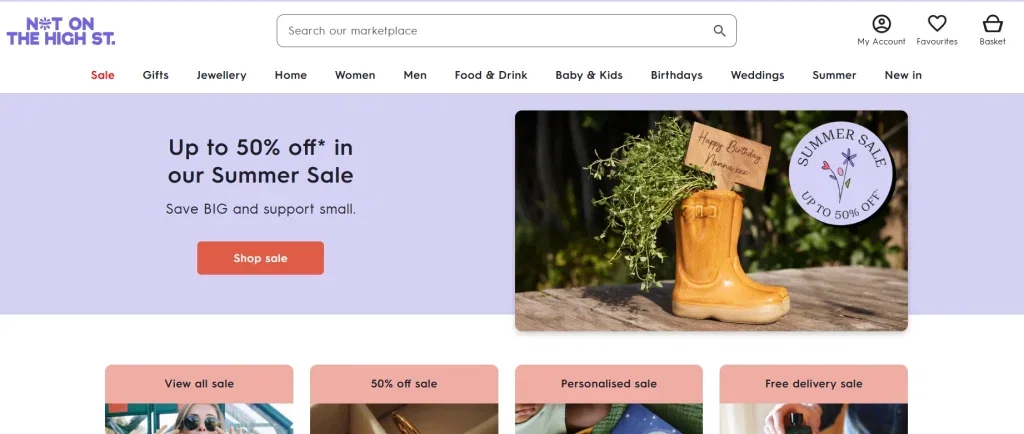
This curated marketplace focuses on unique, personalized, and handmade gifts. Not On The High Street has built a loyal following among UK shoppers looking for alternatives to mass produced products. The platform charges approximately 25% commission plus VAT and requires application approval.
With 5 star ratings from over 27,000 reviewers on Feefo, the platform has established strong consumer trust. Sellers of personalized gifts, unique home decor, and handcrafted items should consider this platform despite higher fees.
eBay UK
eBay maintains a strong position in the UK market with significant traffic across multiple categories. UK sellers often find eBay more accessible than Amazon for certain products, particularly used goods, vintage items, and collectibles.
Amazon Competitors in Canada
Canada presents unique opportunities and challenges for ecommerce sellers. The market is smaller than the US but features high purchasing power and concentrated urban populations. Cross border selling from the US is common but domestic alternatives exist.
Canadian Tire Marketplace
Canadian Tire Corporation is Canada’s largest general merchandise retailer with $16.66 billion CAD in annual revenue. The company has expanded into ecommerce and marketplace selling to complement its 502 stores nationwide.
The Canadian Tire Ecosystem
Canadian Tire’s marketplace connects third party sellers with Canadian consumers through the trusted Canadian Tire brand. The company supports $1.1 billion in annual ecommerce sales across its banners, including Mark’s, SportChek, and the core Canadian Tire stores.
For sellers, Canadian Tire Marketplace offers access to loyal Canadian consumers who trust the brand. The platform’s integration with physical stores enables fulfillment options like buy online, pick up in store that pure play competitors cannot offer.
Canadian Tire generated $520 million in online store revenue during 2024, with projections indicating continued growth in 2025.
Who Should Sell on Canadian Tire
Canadian Tire works best for sellers in automotive, outdoor, sporting goods, and home improvement categories. These align with Canadian Tire’s core customer expectations and brand positioning.
Additional Canadian Marketplaces
Walmart Canada
Walmart Canada operates similarly to Walmart US, with marketplace expansion complementing owned inventory. Canadian sellers often find Walmart Canada more accessible than the US marketplace due to domestic fulfillment requirements.
Amazon Canada
Amazon.ca remains the dominant ecommerce player in Canada. US sellers can easily expand through Amazon Global Selling, though Canadian fulfillment (either FBA Canada or merchant fulfilled) is recommended for Prime eligibility and shipping speeds.
Best Buy Canada
Best Buy Canada has expanded its marketplace to include third party sellers in electronics and related categories. For consumer electronics sellers, Best Buy Canada offers access to tech focused Canadian consumers.
Hudson’s Bay
The historic Canadian department store operates both physical locations and ecommerce. While smaller than other options, Hudson’s Bay provides access to premium Canadian consumers in fashion and home categories.
Amazon Competitors in Europe
Europe presents a fragmented but lucrative ecommerce opportunity. Unlike the US where Amazon dominates, European markets feature strong regional players who have built loyal customer bases over decades.
OTTO: Germany’s Second Largest Marketplace
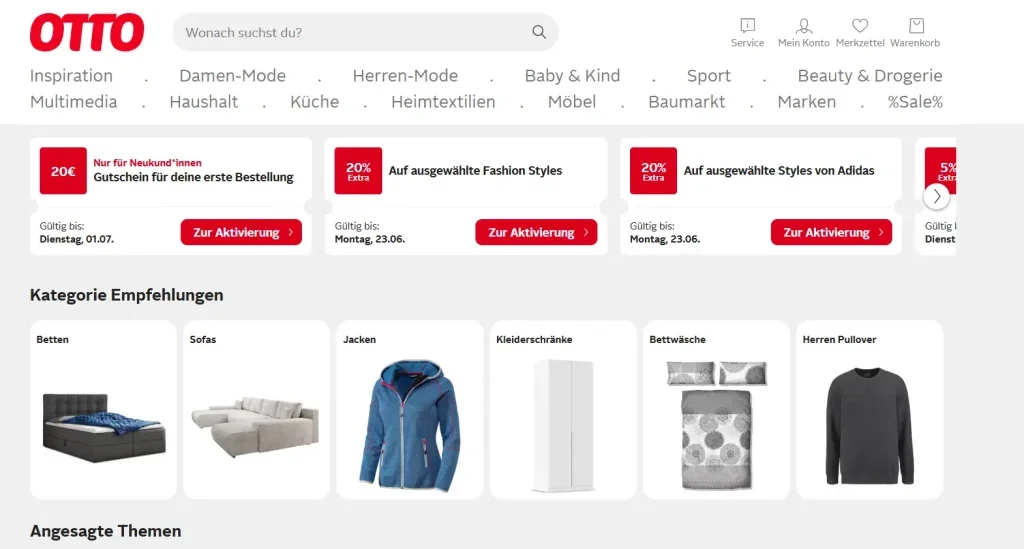
OTTO is one of Germany’s most established retail brands, having evolved from a mail order catalog company into a major ecommerce player. For sellers targeting German consumers, OTTO offers access to a trusted platform with deep market penetration.
Market Position
OTTO Group generated €15 billion ($17.1 billion) in revenue during fiscal year 2024-25, making it one of Europe’s largest ecommerce operators. The core OTTO marketplace connects millions of German consumers with third party sellers across fashion, home goods, electronics, and lifestyle categories.
Germany represents Europe’s largest ecommerce market by volume. Amazon.de dominates, but OTTO has maintained its position as the country’s second most important ecommerce destination, particularly among older consumers who grew up with the OTTO catalog.
Seller Requirements
OTTO is selective about marketplace sellers. The platform requires adherence to German consumer protection laws, VAT compliance, and German language customer service. Commission rates typically range from 10% to 15% depending on category.
For international sellers, the regulatory and language requirements create meaningful barriers. However, these same barriers reduce competition and protect margins for sellers who invest in proper compliance.
Who Should Sell on OTTO
OTTO works best for sellers with established European operations and German language capability. Fashion, home goods, and consumer electronics perform well. Brands seeking to reach German consumers outside of Amazon should prioritize OTTO.
Zalando: Europe’s Fashion Powerhouse
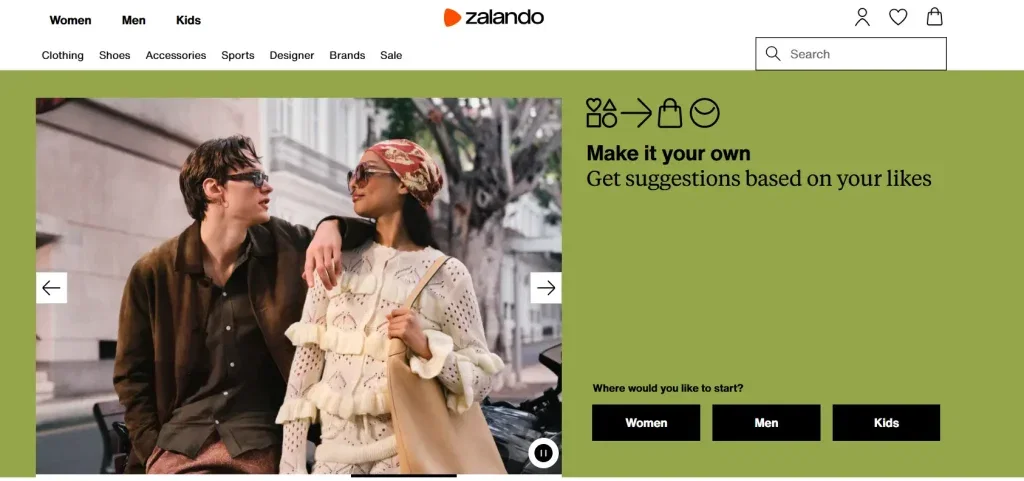
Zalando has built Europe’s leading fashion platform with operations across 25 markets. For fashion sellers, Zalando offers access to engaged consumers willing to pay for quality and style.
Scale and Reach
Zalando generated $2.549 billion in Q1 2025 revenue, representing 4.74% year over year growth. The platform serves over 50 million active customers across Europe, with particular strength in Germany, France, and Northern Europe.
Unlike general marketplaces, Zalando focuses exclusively on fashion, footwear, and accessories. This specialization creates a curated shopping experience that attracts fashion conscious consumers willing to spend more per order.
Partner Program
Zalando’s Partner Program enables brands to sell directly through the platform while leveraging Zalando’s traffic, payments, and logistics. Commission rates are negotiated based on category and volume, with rates varying significantly by brand.
Zalando also offers Fulfillment by Zalando (ZFS), handling storage, picking, packing, and shipping. This program simplifies European expansion for brands without local logistics infrastructure.
Who Should Sell on Zalando
Zalando suits fashion brands seeking pan European distribution through a premium channel. The platform’s curation standards mean not every brand gets approved. Those that do benefit from reduced competition and premium positioning.
Cdiscount: France’s Value Leader
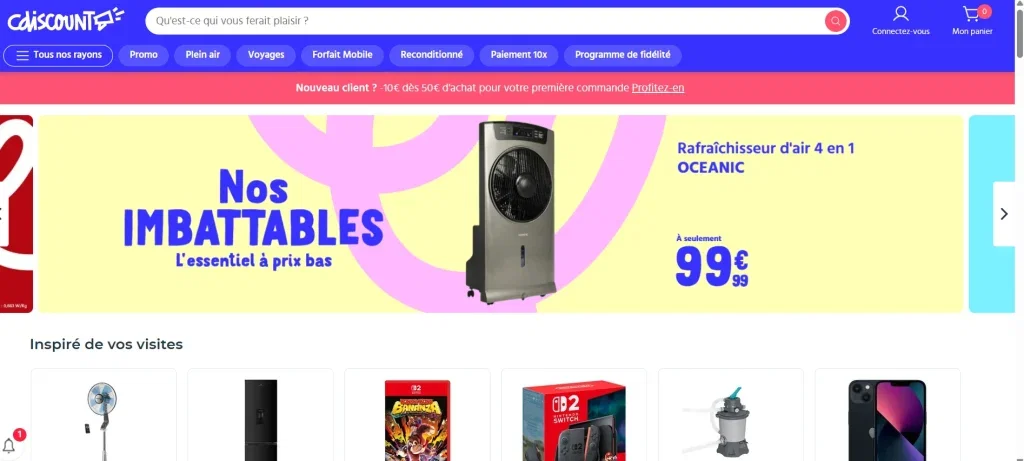
Cdiscount is one of France’s largest ecommerce platforms, known for competitive pricing and broad product selection. For sellers targeting French consumers, Cdiscount provides meaningful reach beyond Amazon.fr.
Market Position
Cdiscount generates approximately $1.8 billion in annual revenue, serving price conscious French shoppers across electronics, home goods, furniture, and appliances. The platform has built its reputation on deals and discounts, attracting a value focused customer base.
Seller Requirements
Cdiscount requires a €39.99 monthly subscription plus category based commissions ranging from 5% to 20%. French language capability and EU VAT compliance are essential. The platform offers Cdiscount Fulfillment (FBC) for sellers needing logistics support.
Competition on Cdiscount centers heavily on price. Sellers need margin structures that support aggressive pricing while maintaining profitability. Premium positioning is difficult given buyer expectations.
Who Should Sell on Cdiscount
Cdiscount works for sellers with competitive pricing in electronics, home goods, and appliances targeting French consumers. The platform complements rather than replaces Amazon.fr for most sellers.
Rakuten France and Additional European Marketplaces
Rakuten France
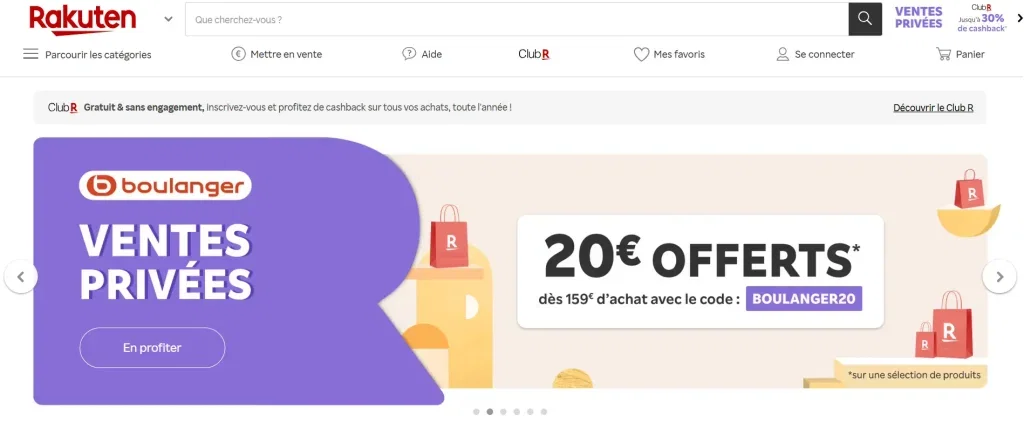
Rakuten France operates a marketplace serving French consumers with a loyalty program (Super Points) that drives repeat purchases. Commission rates range from 8% to 15% depending on category. The platform attracts deal seekers and bargain hunters.
Bol.com (Netherlands and Belgium)
Bol.com dominates ecommerce in the Netherlands and Belgium with over 13 million active customers. The platform is owned by Ahold Delhaize and serves as the primary Amazon alternative in Benelux countries. Sellers targeting Dutch and Belgian consumers should prioritize bol.com.
Allegro (Poland)
Allegro is Poland’s dominant marketplace with over 20 million active users and 135,000+ sellers. The publicly listed company processes billions in GMV annually, making it the clear leader in Central Europe’s largest economy. Sellers expanding into Eastern Europe should start with Allegro.
Amazon Competitors in Australia
Australia’s ecommerce market is projected to reach $108 billion by 2030, growing at 21.87% CAGR. Amazon entered Australia in 2017 but has not achieved the dominance seen in other markets, leaving room for domestic competitors.
Kogan: Australia’s Ecommerce Pioneer
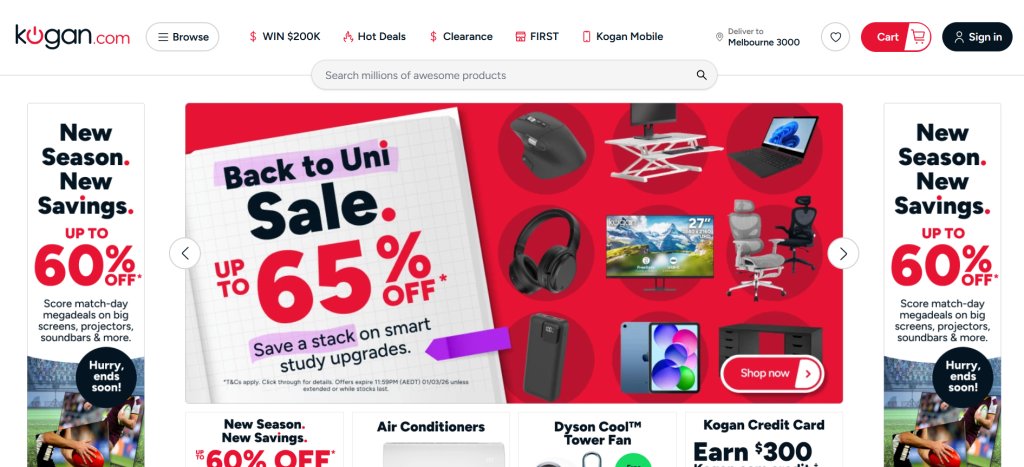
Kogan is Australia’s leading pure play ecommerce company, built by founder Ruslan Kogan from a single laptop in 2006. The platform has grown into a multi category retailer and marketplace serving millions of Australian consumers.
Business Performance
Kogan generated $489 million AUD in total revenue during fiscal year 2025, with the core Kogan.com platform showing 15.4% growth in gross sales. The company operates profitably with positive cash flow, having overcome challenges faced during the post pandemic normalization.
Kogan’s marketplace now hosts third party sellers alongside its own inventory, with marketplace gross sales reaching $150.8 million in the first half of fiscal 2025. Active customers grew 48.3% to 2.8 million, demonstrating strong consumer engagement.
The Kogan Model
Kogan built its reputation on private label electronics at aggressive prices. The company sources products directly from manufacturers, cutting out traditional retail markup. This model has expanded to home goods, fitness equipment, and daily essentials through the Kogan marketplace.
Kogan First, the company’s loyalty subscription service, provides members with discounts and free delivery benefits similar to Amazon Prime. Approximately 50% of product gross sales now come from Kogan First members, demonstrating successful customer retention.
Who Should Sell on Kogan
Kogan works for sellers with competitively priced products targeting Australian consumers. The platform’s value focused positioning means premium brands may struggle, but sellers with strong margin structures can access a large, engaged customer base.
Additional Australian Marketplaces
Catch
Catch (owned by Wesfarmers, which also owns Bunnings and Kmart) operated as a major Australian marketplace but announced closure in 2024, consolidating into other Wesfarmers retail channels. This exit has benefited remaining competitors including Kogan and eBay Australia.
eBay Australia
eBay maintains a strong position in Australia with significant traffic across most categories. For sellers already on eBay, Australia represents an accessible expansion market through eBay’s global selling program.
MyDeal
MyDeal specializes in furniture, home goods, and garden products. The publicly listed company serves as an alternative for bulky goods that are expensive to fulfill through Amazon.
Temple and Webster
Temple and Webster dominates online furniture and homewares in Australia, similar to Wayfair’s position in the US. The publicly traded company has built a loyal customer base among Australian home decorators.
Amazon Competitors in Emerging Markets
Beyond established markets, several regions offer significant ecommerce opportunity with dominant local players that outsell Amazon in their home territories.
Southeast Asia: Shopee’s Kingdom
Southeast Asia’s ecommerce market reached $128.4 billion in platform GMV during 2024, growing 12% year over year. The region features young, mobile first populations with rapidly increasing purchasing power.
Shopee: Regional Domination
Shopee (owned by Sea Limited) commands 52% market share across Southeast Asia, processing $66.8 billion in regional GMV during 2024. The platform operates in Singapore, Malaysia, Thailand, Vietnam, Indonesia, Philippines, and Taiwan.
What makes Shopee dominant is its combination of low prices, gamification, and mobile first design. The app features in app games, flash sales, and loyalty rewards that keep users engaged. Shopee Pay and Shopee Mall handle payments and premium seller programs respectively.
Sea Limited is guiding for 20 to 25% GMV growth in 2025 with improving profitability. After years of subsidizing growth, Shopee has achieved positive EBITDA while maintaining market leadership.
Lazada
Lazada (owned by Alibaba) holds second position in Southeast Asia with significant presence across the region. The platform benefits from Alibaba’s logistics and technology expertise. Combined with TikTok Shop, the top three platforms now control 84% of regional ecommerce.
Seller Opportunity For sellers targeting Southeast Asian consumers, Shopee is the essential platform. Commission rates range from 2% to 10% depending on category and seller tier. The platform supports cross border selling, though local presence improves performance.
Latin America: MercadoLibre’s Dominance
MercadoLibre is Latin America’s answer to Amazon, but with deeper market penetration in its home region. The company operates in 18 countries with particular strength in Brazil, Mexico, Argentina, and Chile.
Financial Performance
MercadoLibre reported $7.4 billion in Q3 2025 revenue, marking the 27th consecutive quarter of 30%+ year over year growth. The company’s Q1 2025 revenue reached $5.9 billion with strong profitability.
In 2024, MercadoLibre achieved net revenue of approximately $21 billion, up 37% from the prior year. The platform’s active user base reached 161 million between fintech (Mercado Pago) and marketplace users.
Market Position
MercadoLibre’s GMV represents over 21% of all Latin American ecommerce sales, significantly ahead of the next 15 competitors combined. The company’s dominance stems from integrated services including Mercado Pago (payments), Mercado Envios (logistics), and Mercado Credito (lending).
Physical retail still represents approximately 85% of spending in Latin America, giving MercadoLibre enormous runway for continued growth as ecommerce penetration increases.
Seller Considerations
Commission rates on MercadoLibre range from 10% to 16% depending on category. Sellers can leverage Mercado Envios for fulfillment, with the platform operating one of Latin America’s fastest shipping networks. Inventory positioning in regional fulfillment centers improves delivery speeds.
Who Should Sell on MercadoLibre
MercadoLibre is essential for any seller targeting Latin American consumers. The platform’s integrated ecosystem handles payments, logistics, and even financing that would be challenging to arrange independently in the region.
Middle East: Noon’s Rise
Noon has emerged as the leading homegrown ecommerce platform in the UAE and Saudi Arabia, backed by Saudi Arabia’s Public Investment Fund and other regional investors.
Market Position
Noon operates across UAE, Saudi Arabia, and Egypt, offering a local alternative to Amazon (which acquired Souq.com in 2017). The platform features a wide product selection with particular strength in electronics, fashion, and daily essentials.
Seller Opportunity
Commission rates on Noon range from 5% to 15% depending on category. The platform offers Noon Fulfillment Network for logistics, with warehouses across the UAE and Saudi Arabia. Arabic language support and regional payment methods give Noon advantages with local consumers.
Amazon vs Noon
Amazon.ae (the rebranded Souq.com) remains a major competitor in the Middle East. Sellers typically need presence on both platforms to maximize regional reach. Noon’s local ownership and marketing create brand affinity that Amazon cannot match.
Africa: Jumia’s Early Mover Advantage
Jumia operates as Africa’s leading ecommerce platform, serving 11 countries across the continent including Nigeria, Egypt, Kenya, and South Africa.
The African Opportunity
Africa’s ecommerce market remains nascent but growing rapidly. Jumia has built logistics infrastructure, payment solutions, and marketplace capabilities across diverse and challenging markets.
Considerations
African ecommerce presents unique challenges including logistics infrastructure, payment collection, and internet penetration. Jumia has addressed many of these through its JumiaPay payment platform and proprietary logistics network. However, profitability remains elusive as the company invests in growth.
Who Should Consider Jumia
Jumia makes sense for sellers with long term vision for African markets and patience for the region’s development. Near term opportunity is limited compared to more developed markets, but early positioning could pay dividends as African ecommerce matures.
Amazon Prime Competitors
Beyond marketplace competition, Amazon faces challengers to its Prime membership program. These subscription services provide free shipping and additional benefits that compete for consumer loyalty.
Walmart Plus
Walmart Plus launched in 2020 as Walmart’s direct response to Amazon Prime. The $98 annual membership ($12.95 monthly) provides free shipping on orders over $35, free grocery delivery, fuel discounts, and other benefits.
For sellers on Walmart Marketplace, Walmart Plus creates a loyal customer base with higher purchase frequency. The program reportedly has over 25 million subscribers, though Walmart does not disclose exact figures.
Target Circle 360
Target Circle 360 costs $99 per year ($49 for Target RedCard holders) and provides free same day delivery on orders over $35, free two day shipping, and access to Shipt delivery services.
The program complements Target Plus marketplace, creating an ecosystem that competes with Amazon for suburban family shoppers.
Instacart Plus
Instacart Plus ($99 per year) provides free delivery on grocery orders over $35, reduced service fees, and other benefits. While focused on grocery delivery, Instacart’s expansion into other retail categories makes it increasingly relevant for marketplace competition.
Amazon FBA Alternatives for Sellers
Fulfillment represents one of Amazon’s key competitive advantages through FBA. However, alternatives exist for sellers seeking to diversify their logistics or reduce FBA dependency.
Walmart Fulfillment Services (WFS)
Walmart Fulfillment Services operates similarly to FBA, with Walmart storing, picking, packing, and shipping orders from its fulfillment centers. Products using WFS receive preferential treatment in Walmart Marketplace search and qualify for Walmart Plus free shipping.
WFS fees are generally competitive with FBA, often slightly lower. The program makes sense for any seller already on Walmart Marketplace seeking to improve performance.
Shopify Fulfillment Network
Shopify has built its own fulfillment network to support Shopify merchants with fast, reliable shipping. The network operates warehouses across the US, providing two day delivery to most customers.
For Shopify sellers, the fulfillment network simplifies logistics while keeping everything within the Shopify ecosystem. Integration is seamless, and pricing is transparent based on order complexity.
Third Party Logistics (3PL) Providers
Beyond platform specific solutions, independent 3PL providers offer fulfillment services that work across multiple channels. Companies like ShipBob, Deliverr (now part of Shopify), and AMZ Prep (that’s us) handle storage and shipping for sellers on Amazon, Walmart, Shopify, and other platforms.
The advantage of independent 3PL is flexibility. Rather than being locked into one platform’s fulfillment, you can manage inventory centrally and fulfill orders wherever they come from. This becomes increasingly important as sellers diversify across multiple marketplaces.
Temu and Shein: The New Challengers
No discussion of Amazon competition would be complete without addressing the Chinese platforms that have disrupted ecommerce over the past few years.
Temu: Aggressive Expansion
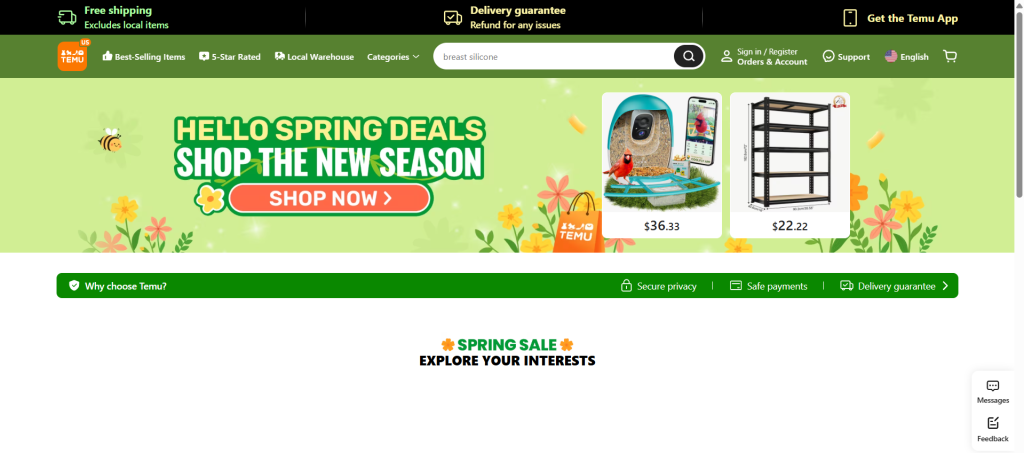
Temu (owned by PDD Holdings, parent of Pinduoduo) launched in the US in September 2022 and has since expanded to 50+ countries. The platform operates differently from traditional marketplaces, working directly with manufacturers to offer ultra low prices.
Temu has reportedly achieved 292+ million monthly active users and approximately $70 billion in annual revenue, making it one of ecommerce’s fastest growing platforms ever. The app consistently ranks among the most downloaded shopping apps globally.
How Temu Competes
Temu’s model eliminates middlemen, connecting Chinese manufacturers directly with global consumers. Products ship from China with longer delivery times (typically 7 to 15 days) but at dramatically lower prices than domestic alternatives. For insight into distribution, check where is Temu warehouse located to see how stock is positioned internationally.
Heavy subsidies on shipping and aggressive customer acquisition spending have fueled growth. Whether this is sustainable long term remains unclear, but the impact on consumer expectations and competitor pricing is already visible.
For Sellers
Temu operates a curated model rather than open marketplace, working primarily with manufacturers and large suppliers. Independent sellers cannot easily access the platform. This differs from Amazon’s open marketplace approach.
Shein: Fast Fashion Domination
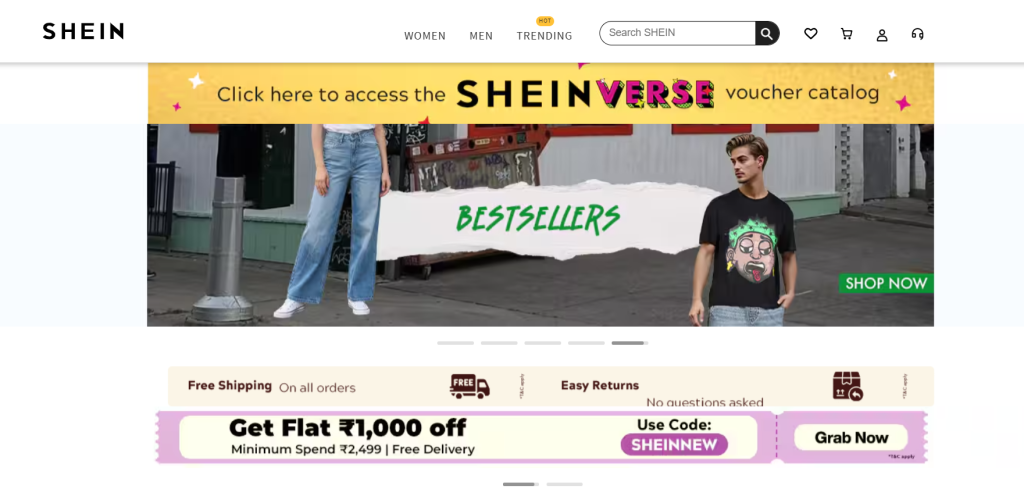
Shein has captured the fast fashion market with trend responsive manufacturing and direct to consumer sales. The company has expanded beyond fashion into home goods and other categories.
Shein has opened its platform to third party sellers, with 3P sales expected to represent approximately 18% of revenue by 2025. For fashion sellers, Shein’s massive traffic and engaged customer base present opportunity, though brand positioning alongside ultra low price fast fashion may not suit everyone.
How to Choose the Right Amazon Alternative
With dozens of marketplace options worldwide, choosing where to expand requires strategic thinking. Here is a framework for evaluation.
Consider Your Product Category
Not every marketplace fits every product. Before selecting platforms, it helps to ensure you’re working with high demand products that justify the operational investment of multi-channel selling. Fashion sellers should prioritize Zalando (Europe), Myntra (India), and Shopee (Southeast Asia). Electronics sellers should look at Best Buy, Newegg, and Kogan. Handmade goods belong on Etsy. Match platform strengths to your catalog.
Evaluate Fee Structures
Fees vary dramatically across platforms. eBay’s 10 to 12% compares favorably to Amazon’s roughly 15% all in cost. Meesho charges zero commission. Walmart has no monthly fee. Map out your unit economics across platforms before committing.
Assess Traffic Quality
High traffic does not always mean high sales. Etsy’s focused buyers convert better than Amazon’s broader traffic for unique products. Walmart’s value focused shoppers may not respond to premium positioning. Understand who visits each platform and whether they match your target customer.
Factor in Operational Complexity
Each marketplace has different requirements for listings, fulfillment, customer service, and compliance. Adding platforms means adding complexity. Start with platforms where operations most closely match what you already do.
Think Regional Strategy
If international expansion is a goal, choose platforms that provide regional learning. Selling on Shopee teaches Southeast Asian commerce. MercadoLibre teaches Latin American logistics. OTTO teaches European compliance. Use each platform as education for broader regional expansion.
Frequently Asked Questions
Who is Amazon’s biggest competitor?
Walmart is Amazon’s most significant US competitor, with 22% grocery market share and a rapidly growing marketplace. Globally, Alibaba and its various platforms represent the largest competitive threat, though the companies mostly compete in different regions.
Is Temu a competitor of Amazon?
Yes, Temu competes with Amazon for consumer attention and spending, but operates a different model. While Amazon allows third party sellers, Temu works directly with manufacturers. Temu’s ultra low prices have forced Amazon to respond with its own discount Amazon Haul initiative.
What are the best Amazon alternatives for US sellers?
For US sellers, Walmart Marketplace and eBay represent the most straightforward expansion options. Both have significant traffic, similar operational models, and proven seller success. Shopify suits sellers seeking brand control and direct customer relationships.
Which platforms work best for international expansion?
It depends on the region. For Europe, consider OTTO (Germany), Zalando (fashion), and bol.com (Netherlands). For India, Flipkart and Meesho are essential. For Southeast Asia, Shopee dominates. For Latin America, MercadoLibre is the clear leader.
How do fulfillment options compare across marketplaces?
Amazon FBA sets the standard, but alternatives have improved significantly. Walmart WFS offers comparable service at sometimes lower costs. Shopify Fulfillment Network serves Shopify merchants. Independent 3PLs like AMZ Prep provide flexibility across multiple channels.
Can I sell on multiple marketplaces simultaneously?
Absolutely, and most successful sellers do exactly this. Multi channel selling reduces platform dependency risk and reaches different customer segments. The operational complexity is real but manageable with the right tools and processes.
What are the lowest fee Amazon alternatives?
Meesho (India) charges zero commission, making it the lowest fee major marketplace. eBay (10 to 12%), OnBuy (5 to 9%), and Walmart (6 to 20% with no subscription) offer competitive alternatives to Amazon’s roughly 15% all in cost.
Should I prioritize marketplaces or my own store?
Both have value. Marketplaces provide built in traffic and trust. Your own store (via Shopify or similar) provides customer ownership and brand control. Many successful sellers use marketplaces for discovery and drive repeat purchases to their own stores.
How do I handle customer service across multiple platforms?
Each platform has its own customer service requirements and systems. Start with one additional platform, master its requirements, then expand. Tools exist to centralize customer service across channels, but expect operational complexity to increase with each platform added.
What percentage of sales should come from outside Amazon?
There is no universal answer, but sellers with 100% Amazon dependency face significant risk. Aiming for at least 30% of revenue from non Amazon channels provides meaningful diversification. Some sellers achieve 50% or more across multiple platforms.
Does Amazon price match competitors?
Amazon does not formally price match, but its algorithm aggressively adjusts prices to remain competitive. If your products appear cheaper elsewhere, Amazon may suppress your Buy Box or flag pricing issues. Keep pricing relatively consistent across platforms.
What are Amazon FBA alternatives for fulfillment?
Options include Walmart WFS (for Walmart sellers), Shopify Fulfillment Network (for Shopify merchants), platform specific programs like Cdiscount Fulfillment or Zalando ZFS, and independent 3PLs that handle multiple channels. Choice depends on which platforms you sell on and operational preferences.
How important is localization for international marketplaces?
Localization significantly impacts performance. Language appropriate listings, local payment methods, domestic fulfillment, and cultural understanding all improve conversion. Platforms like OTTO (Germany) and Rakuten (France) essentially require native level localization.
What trends should sellers watch in ecommerce competition?
Watch for continued growth of social commerce (TikTok Shop, Instagram Shopping), expansion of quick commerce and same day delivery, increasing importance of retail media and advertising, and potential regulatory changes affecting platform dominance.
Is it worth selling on smaller regional marketplaces?
Smaller marketplaces often feature less competition and loyal customer bases. Success depends on whether the platform’s audience matches your products and whether operational requirements are manageable. Test before fully committing.
Final Thoughts
Amazon transformed ecommerce and remains the dominant force in most markets. But dominance is not monopoly. Billions of dollars in sales happen every day on other platforms, often with less competition, lower fees, and different customer segments.
Smart sellers diversify. They test new platforms systematically. They learn regional preferences and compliance requirements. They build brands that transcend any single marketplace.
The platforms we have covered represent the most significant Amazon alternatives across the globe. Each offers unique opportunities and challenges. Your job is matching your products, capabilities, and goals to the platforms where you can win.
Start with one new platform. Master its requirements. Then expand again. Over time, you will build a multi channel business that no single platform decision can threaten.
That is real sustainability. That is how you build a business that lasts.

Arishekar N is a Vice President (VP) of Marketing at AMZ Prep, specializing in ecommerce fulfillment and Amazon logistics strategies with a proven track record of driving growth for e-commerce businesses. He is a strategic leader with extensive expertise in marketing, e-commerce operations, SEO & advertising, and branding.
Stay updated on his latest insights by following him

















Insightful and practical. Perfect timing as I plan to expand my sales channels this year.
Well done! This article simplified a complex topic and presented it in an easy-to-digest way.
The competitive analysis is spot-on. It’s encouraging to see solid alternatives for sellers.
A balanced and thoughtful look at e-commerce platforms that every brand should consider.
Thank you for this comprehensive guide! It’s invaluable for anyone selling online in 2025.
Great insights here. Loved learning about the different fee structures and their impact on sellers.
This post gave me a fresh perspective on marketplaces like Walmart and Shopify. Very useful read.
Concise and clear—perfect for sellers looking to diversify beyond Amazon. Highly recommend!
Informative and well-structured article! I appreciate how the details are broken down by platform and region.
Excellent roundup of Amazon competitors. This really helps sellers explore profitable alternatives!
Nicely listed competitors, you did it really well. Keep posting!
Great post!Thanks
I commend the balanced approach taken in this analysis. The article effectively illustrates the dynamic nature of e-commerce without overstating any platform’s dominance.
This well-researched article offers critical insights for both established businesses and startups in the e-commerce sector. The competitive analysis is particularly enlightening.
As an industry professional, I find this piece highly informative. It highlights key trends and innovations that are shaping the future of online retail.
The comparative breakdown of these platforms’ strengths is invaluable. It offers a clear perspective on the diversification of the e-commerce ecosystem.
This article provides a comprehensive overview of the evolving e-commerce landscape. The insights on emerging competitors are particularly valuable for strategic planning.
Increasing competition is the new motivation in the industry. Amazon competitors are big ones, you have righty stated them.
Good Read!! Keep posting
I appreciate your overview table section, its rightly framed.
Simplified the content with balanced information. Keep posting!
Suggested by a friend, I loved the posts on your site. Highly recommended for eCom sellers.
How can I connect with you for fulfilment services?
I appreciate the well-crafted and informative nature of your post. The thoroughness of your analysis is commendable, and the engaging writing style made for an enlightening read. I’ve gained much from this article and will surely refer it in times to come. Continue the excellent work!
Amazon competitors need to be more alert as it is growing with a balanced approach for its sellers and customers.
Have been following your blogs for a while, you justify each topic. Please to read your content. Keep up the good work!
You have rightly stated the Unsung Heroes of Ecom industry, delivery and customer service are the essential and crucial aspects of it. Being an eCommerce seller, I have realized it through years.
Your blogs are quite convincing and informative. However, the posts are a bit brief for beginners. Could you please make them a little longer next time? Thanks for the post.
Your website blogs are awesome…. appreciate your choice of topics and simplification of information.
Brief and informative, thats the quality of your blogs. Your website is recommended by me for the eCom sellers, even for beginners and for the existing fishes.
Nice to read!
Appreciate your work
Landing on your website leaves me with a lot to ponder on for my business growth. You provide an immense detailed information. Keep on writinng
Thanks for listing down the Amazon competitors at one place. This could be beneficial for the Amazon sellers like me, to understand the maarket in a better way.
Time spent well! I just read random articles on ecommerce industry to understand the future prospect. Your writings have been informative and simple.
Thank You for writing. I like to read your blogs, and recommend your website to my friends too