
DDP shipping (Delivered Duty Paid) is an international Incoterm where the seller covers all costs to get goods to the buyer’s door, including import duties, customs clearance, and taxes.
Understanding DDP delivery terms is critical for any eCommerce seller shipping across borders, especially between the US and Canada.
In this DDP shipping guide, we break down what DDP means, how DDP shipment costs are calculated, how it compares to DAP and DDU, and when to use it.
What is DDP Shipping?
DDP shipping (Delivered Duty Paid) is an Incoterm under the ICC’s Incoterms 2020 framework. It is the seller assumes complete responsibility for delivering goods to the buyer, covering all transportation, import duties, customs clearance, and taxes.
This offers buyers peace of mind, eliminating concerns about international shipping complexities and customs. It also simplifies the receiving process since the seller handles all logistics.
What Does DDP Mean in Shipping?
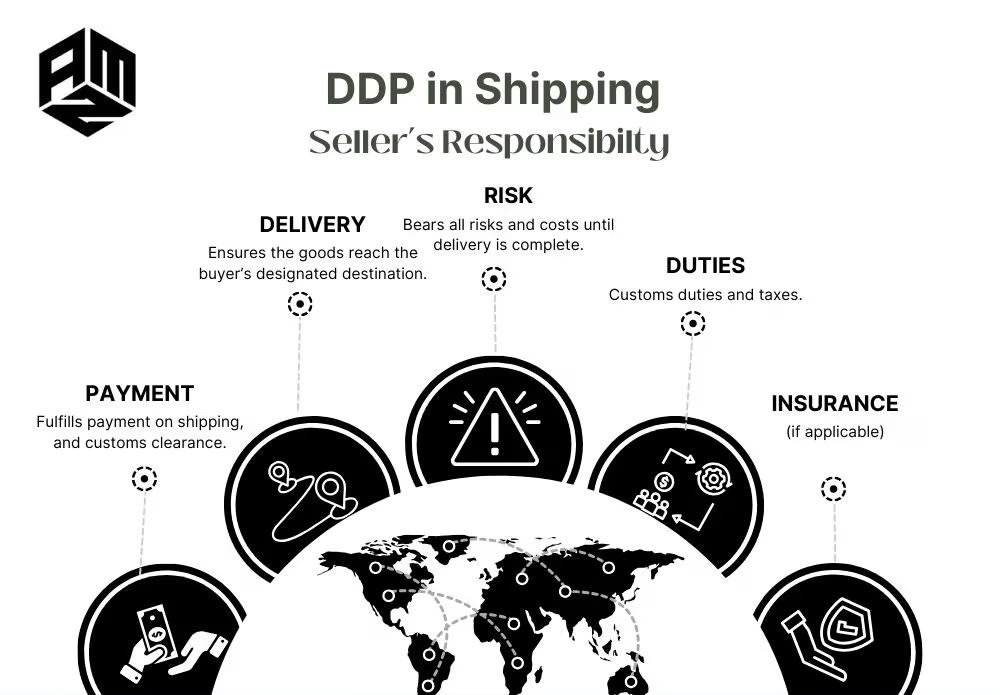
DDP pricing is higher because of
- Import duties and taxes
- These can vary significantly depending on the destination country.
- Customs clearance fees
- Managing compliance with local regulations can add to the expense.
- Freight and last-mile delivery costs.
These added expenses make DDP a pricier option. Now note these prices are often variable according to the location and often subject to change.
Now if you are curious to know what kind of fees are involved in sending a package. This blog “ Amazon FBA Fees” is for you
Does DDP shipping include tax?
Yes, DDP shipping includes all taxes, customs duties, and other import fees. Businesses involved in international trade may also explore duty drawback programs to recover eligible duties paid on imported goods that are later exported. This is one of the primary benefits of DDP, as it eliminates surprise charges at delivery.
Who pays DDP shipping terms?
DDP shipping terms, the seller pays for everything required to deliver the goods to the buyer’s specified location.
- Shipping costs
- Customs duties and taxes
- Import clearance fees
- Insurance (if agreed)
Who Pays Insurance in DDP Incoterms?
This is a gray area in DDP shipping. The seller is usually responsible for insurance, but there are exceptions. Buyer-seller agreements can shift this burden. Regional laws may mandate buyer-held insurance instead. It depends on the deal terms and local rules.
Carefully review contracts to determine coverage obligations. Businesses often choose DDP pricing because it provides transparency and convenience, which can improve customer satisfaction in international transactions.
How Much Does DDP Shipping Cost?
DDP shipping cost is typically higher than other Incoterms because the seller absorbs all landed costs.
Key factors that affect DDP shipping cost include:
- Product value and HS code classification
- Country of origin and destination import duty rates
- Freight mode (air vs. ocean vs. road)
- Customs broker fees and local taxes (VAT/GST)
- Last-mile delivery charges
DDP Shipping Cost Calculator: To estimate your DDP shipping costs, you can use our Import Duty Calculator to see what duties and taxes will apply before you ship.
What are the Disadvantages of DDP?
While DDP offers many advantages for buyers, It often puts the seller at disadvantage
- High upfront costs
Sellers must cover all expenses. This includes unforeseen expenses.
- Complex regulations
More than the monetary aspect, understanding and complying with local import laws will require a lot of time and investment.
- Risk of disputes
You will be dealing with many jurisdictions. Disagreements may arise over the calculation of duties and taxes.
Under DDP terms, the seller takes care of everything, from expedited shipping and customs to paying duties, giving buyers a hassle-free experience from start to finish.
What is DAP?
DAP (Delivered At Place) is an Incoterm like DDP. The seller delivers goods to an agreed location, usually in the buyer’s country, covering all costs and risks. The buyer then unloads the goods and manages further transport. All fees during this further transport period are managed by the buyer. DAP is favored for its clarity of responsibilities. When sellers offer a DDP price, it means everything is included upfront: shipping, duties, taxes, and any fees, so the buyer doesn’t have to worry about additional costs later.
Key Responsibilities under DAP
Seller’s Responsibilities
- Delivery to the Named Place
The seller must deliver the goods to the agreed location. This could be anywhere the buyer specifies.
- Export Clearance
The seller takes care of all the paperwork and customs requirements in the seller’s country.
- Transportation and Costs
The seller is responsible for organizing and paying for the transport of goods to the named place.
- Risk Transfer
The risk of damage or loss of goods shifts from the seller to the buyer.
Buyer’s Responsibilities
- Import Clearance and Taxes
After the goods arrive at the agreed location, the buyer handles everything related to customs clearance, including paying any import duties, taxes, and other fees.
- Unloading Costs
The buyer typically covers the cost of unloading the goods from the vehicle at the named location.
- Further Transportation
If the named place isn’t the final destination, the buyer arranges transportation from there to wherever they need the goods to go.
DAP vs. DDP
Let’s take a look at the benefits and considerations of both DDP, DAP
Benefits
- Clear division of responsibilities
DAP makes it clear when the responsibility for the goods shifts from the seller to the buyer, which helps avoid confusion.
- Flexibility for buyers
The buyer gets to control the import process, and might even save money by using their own customs brokers or preferred procedures.
Considerations
- More work for the buyer
The buyer needs to be able to deal with the country’s import rules and customs procedures.
- Potential for delays and extra costs
If there’s any issue with customs or the import process, the buyer could face delays or unexpected costs.
When to Use DAP
DAP works well when
- The buyer knows how to handle import procedures and prefers to manage them themselves.
- The buyer wants to take control of the customs process and possibly save money on fees.
- The buyer has specific needs for how the goods are handled once they arrive at the named location.
Key Differences
| Aspect | DDP (Delivered Duty Paid) | DAP (Delivered At Place) |
|---|---|---|
| Customs Clearance | Seller handles it | Buyer handles it |
| Duties & Taxes | Paid by the seller | Paid by the buyer |
| Risk Transfer | Upon delivery to buyer’s location | Upon arrival at agreed destination |
| Cost to Buyer | Higher (no surprise fees) | Lower (potential additional fees) |
Related Terms Explained
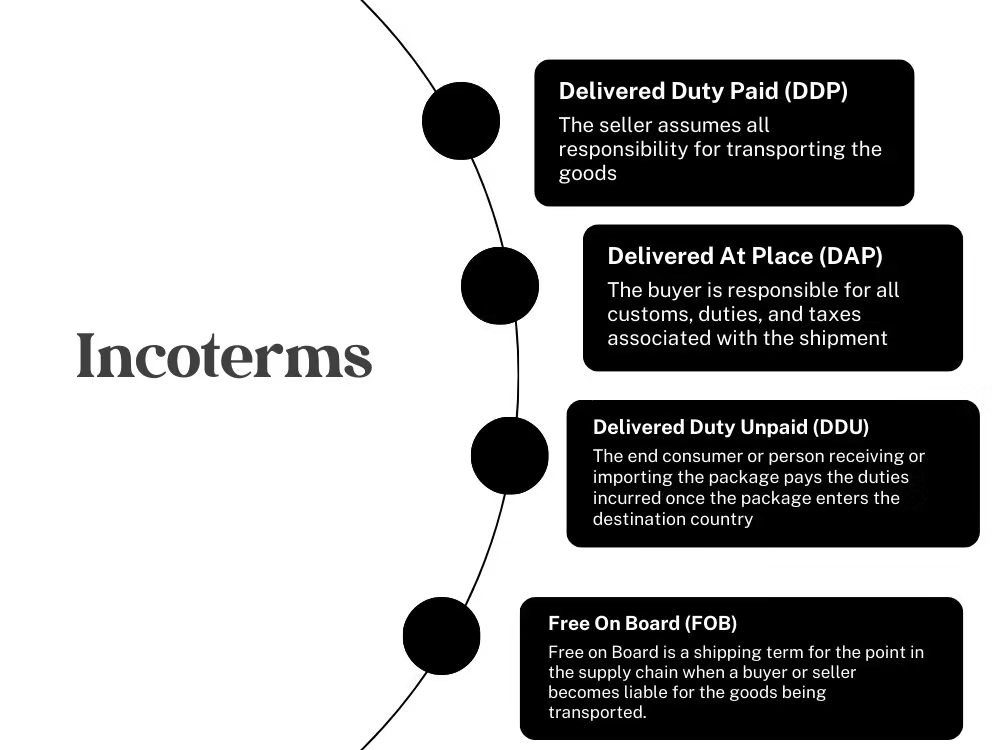
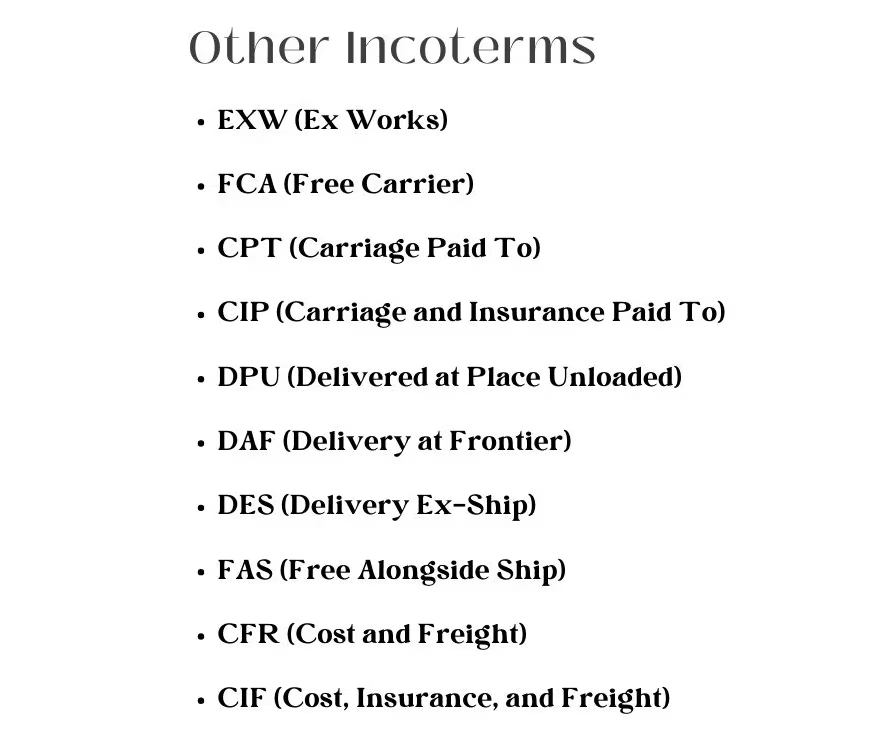
- DDU (Delivered Duty Unpaid)
DDU Incoterms, or Delivered Duty Unpaid, means the seller delivers goods to a specified destination. The buyer is responsible for handling everything else
The DDU meaning can be summed up as a division of responsibilities—while the seller delivers the goods, the buyer takes care of all charges upon arrival.
- DDP Freight vs DDU Shipping
DDP freight means the seller handles all costs and responsibilities, including import duties and taxes, while DDU shipping requires the buyer to cover customs clearance and import fees upon delivery.
- DDP Courier Services
Specialized services that ensure all DDP terms are met, including last-mile delivery.
Who Should Use DDP Delivery Services?
For brands shipping from the US to Canada or from Canada to the US, DDP shipping terms eliminate the friction of cross-border duties and CBSA clearance.
This is especially relevant for eCommerce sellers using AMZ Prep’s US to Canada shipping services, where DDP delivery ensures your Canadian customers receive packages without unexpected import fees.
DDP delivery services are ideal for:
- E-commerce businesses shipping internationally, especially B2C sellers.
- Companies that seek to build a brand and reputation
- Companies that looks for long term relationships.
It’s crucial to partner with a reliable DDP courier or logistics provider who provides premium fulfillment to manage the complexities of international shipping. Sellers operating under DDP terms often benefit from pairing their courier with Cross Border Shipping Services that handle storage, customs documentation, and duty-paid delivery under one roof.
Conclusion
Buyers will love DDP shipping’s hassle-free approach. It covers all costs and ensures smooth delivery. It’s ideal for a customer-focused business. Yet sellers face higher expenses and complexity. Being a customer-friendly company pays for itself in the long run. DDP shipping is not something to be adopted for the short term.
Whether you’re evaluating DDP shipping costs for cross-border fulfillment or comparing DDP vs DAP delivery terms, choosing the right Incoterm comes down to your margin tolerance and customer experience goals.
AMZ Prep’s fulfillment network spanning the US, Canada, and Europe is built to handle DDP shipments seamlessly, so you can offer customers a delivered duty paid experience without the complexity.

Arishekar N is a Vice President (VP) of Marketing at AMZ Prep, specializing in ecommerce fulfillment and Amazon logistics strategies with a proven track record of driving growth for e-commerce businesses. He is a strategic leader with extensive expertise in marketing, e-commerce operations, SEO & advertising, and branding.
Stay updated on his latest insights by following him

















Customers appreciate clear total costs upfront. Surprises are never good in this business.
Global e-commerce growth depends on DDP if you don’t want a timesink.
Customers appreciate clear total costs upfront. Surprises are never good in this business.
This article helped me a lot, I should have found it earlier.
A well-structured DDP strategy removes friction in cross-border transactions.
Customs clearance with DDP results in fewer delays.
Predictable shipping costs help businesses manage their margins more effectively.
Providing upfront duty and tax calculations increases transparency
DDP shipping make international logistics so much easier.
Unexpected duties and fees are largely avoided with DDP shipping in my experience.