A reefer shipping company moves temperature-sensitive cargo in refrigerated containers or vessels. Common reefer cargo includes produce, seafood, meat, dairy, frozen food, flowers, and pharmaceuticals.
The best reefer shipping companies in 2026 are Maersk, MSC, and CMA CGM for global reach. Hapag-Lloyd and ZIM stand out for cargo monitoring.
The best choice is not always the biggest fleet. It is the carrier that serves your lane, holds your temperature range, and shows you conditions in transit.
In this guide, we break down the Top 10 Best Reefer Shipping Companies for Temperature-Controlled Cargo Worldwide (2026), plus specialist carriers for niche lanes.
TL;DR
- Maersk is a leading choice for global reefer shipping and real-time cargo visibility.
- MSC has one of the world’s largest and most advanced reefer container fleets.
- CMA CGM combines reefer shipping with controlled-atmosphere and pharmaceutical solutions.
- Hapag-Lloyd offers reefer monitoring and specialized services for temperature-sensitive cargo.
- COSCO Shipping has strong coverage across Asia, Europe, Latin America, and other major markets.
- ONE offers strong Asian coverage and specialized refrigerated equipment.
- ZIM focuses heavily on reefer monitoring and high-value temperature-sensitive cargo.
- Evergreen, HMM, and Yang Ming provide large-scale reefer services across major Asian and global trade routes.
- Specialized companies such as Seatrade and Seaboard Marine are also important options for specific reefer markets.
- The best reefer shipping company depends on the cargo, route, service frequency, equipment, and total shipping cost.
What Is Reefer Shipping?
Reefer shipping is the transportation of temperature-sensitive cargo in refrigerated containers or specialized refrigerated vessels.
A reefer container has a built-in refrigeration system that keeps cargo within a specified temperature range during transportation. It is not necessarily cold, just within a certain temperature range. Depending on the equipment, reefers can also control ventilation, humidity, and the atmosphere inside the container.
Reefer shipping is commonly used for:
- Fresh fruits and vegetables
- Meat and poultry
- Seafood
- Dairy products
- Frozen food
- Flowers
- Pharmaceuticals
- Other temperature-sensitive products
Temperature control is important because many of these products can lose quality if they are exposed to the wrong conditions during transportation.
Modern reefer shipping also includes technologies such as remote monitoring, controlled atmosphere systems, humidity control, and cold treatment. These services can help businesses protect cargo quality during long ocean journeys.
What Makes a Strong Reefer Shipping Company
Fleet size alone does not decide the right reefer carrier. Lane coverage, equipment, and monitoring matter just as much.
Reefer Capacity: Enough refrigerated containers for your volume, even in peak produce season.
Lane Coverage: Regular direct sailings between your origin and destination.
Temperature Range: Equipment that holds your product’s required setting.
Live Monitoring: Real-time data on temperature, humidity, location, and power status.
Controlled Atmosphere: Oxygen and carbon dioxide control that slows ripening in fresh produce.
Cold Treatment: In-transit treatment that meets phytosanitary import rules.
Transit Time: Total time including port handling and transshipment, not just sailing time.
Inland Links: Trucking, rail, and storage on both ends of the ocean leg.
Total Cost: The full landed cost, not just the ocean freight rate.
For perishable cargo, the right carrier is the one that protects product quality from port to port.
Top 10 Best Reefer Shipping Companies for Temperature-Controlled Cargo Worldwide (2026)
| Rank | Reefer Shipping Company | Core Reefer Services | Signature Technology |
|---|---|---|---|
| 1 | A.P. Moller-Maersk | Global reefer shipping, inland logistics, cargo visibility | Remote Container Management, Captain Peter |
| 2 | MSC | High-volume reefer shipping, controlled atmosphere, cold treatment | iReefer monitoring |
| 3 | CMA CGM | Perishable and pharmaceutical reefer shipping | CLIMACTIVE controlled atmosphere |
| 4 | Hapag-Lloyd | Monitored reefer shipping, controlled atmosphere, cold treatment | Hapag-Lloyd LIVE |
| 5 | COSCO Shipping Lines | Asia-linked reefer shipping, seasonal perishables | Digital reefer monitoring |
| 6 | Ocean Network Express (ONE) | Asia-origin reefer shipping, specialized equipment | Controlled atmosphere units |
| 7 | ZIM Integrated Shipping Services | High-value and sensitive cargo, in-transit cold treatment | ZIMonitor real-time alerts |
| 8 | Evergreen Marine | Reefer shipping on Asian and global routes | Electronic temperature and humidity control |
| 9 | HMM | High-volume reefer capacity on mainline routes | Large-vessel reefer allocation |
| 10 | Yang Ming Marine Transport | Chilled and frozen cargo, humidity-sensitive cargo | Dehumidification controls |
This ranking covers container lines with major reefer operations. It weighs global coverage, reefer capacity, technology, and specialized services.
1. A.P. Moller-Maersk
Maersk pairs one of the largest container networks with live reefer monitoring through Remote Container Management and Captain Peter.
- Services: Reefer containers, remote container monitoring, inland transport, supply chain logistics
- Key Service: Global reefer shipping with live cargo visibility
- Geo Coverage: Global
- Headquarters: Copenhagen, Denmark
- Ideal For: Shippers needing global reefer coverage plus inland logistics
- Strength: Scale and real-time temperature, humidity, and atmosphere data
- Consideration: Sailing frequency and equipment availability vary by lane
2. MSC
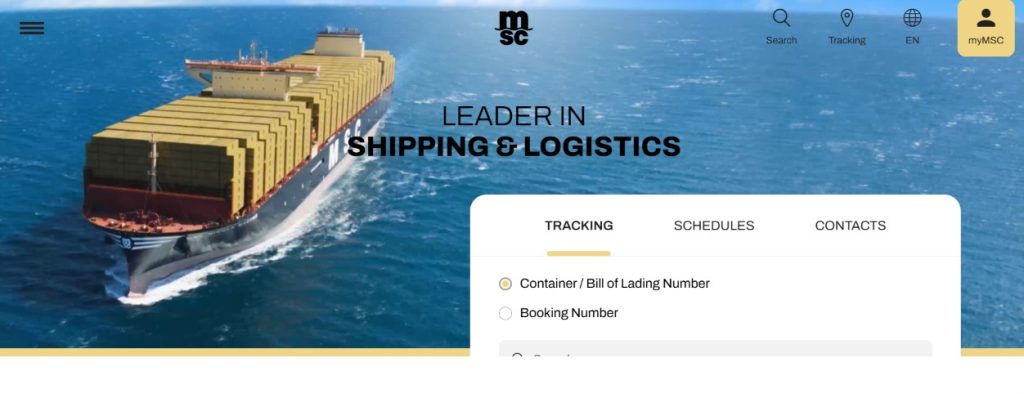
MSC runs one of the largest reefer fleets in the industry, with controlled atmosphere and cold treatment for selected cargo.
- Services: Reefer containers, controlled atmosphere, cold treatment, iReefer monitoring
- Key Service: High-volume international reefer shipping
- Geo Coverage: Global
- Headquarters: Geneva, Switzerland
- Ideal For: Large-volume shippers of fresh, frozen, and chilled cargo
- Strength: Reefer capacity and advanced equipment
- Consideration: Specific reefer services and sailing frequency differ by route
3. CMA CGM
CMA CGM has invested heavily in reefer technology, including CLIMACTIVE controlled atmosphere and dedicated pharmaceutical solutions.
- Services: Reefer containers, CLIMACTIVE, pharmaceutical cold chain, logistics services
- Key Service: Specialized reefer equipment for perishables and pharmaceuticals
- Geo Coverage: Global
- Headquarters: Marseille, France
- Ideal For: Produce, pharmaceutical, and seafood shippers
- Strength: Controlled-atmosphere and pharmaceutical capability
- Consideration: Equipment and monitoring options vary by route
4. Hapag-Lloyd

Hapag-Lloyd offers digital reefer monitoring through Hapag-Lloyd LIVE, plus controlled atmosphere and cold treatment for eligible cargo.
- Services: Reefer containers, Hapag-Lloyd LIVE, controlled atmosphere, cold treatment
- Key Service: Monitored reefer shipping for sensitive cargo
- Geo Coverage: Global
- Headquarters: Hamburg, Germany
- Ideal For: Produce, pharmaceutical, seafood, and meat shippers
- Strength: Monitoring and specialized cargo handling
- Consideration: Service availability depends on route and equipment
5. COSCO Shipping Lines
COSCO has deep Asian trade coverage and supports seasonal perishables with digital reefer monitoring.
- Services: Reefer containers, reefer monitoring, seasonal perishable services
- Key Service: Asia-linked reefer shipping
- Geo Coverage: Asia, Europe, the Americas, and Africa
- Headquarters: Shanghai, China
- Ideal For: Cold chain supply chains tied to China and Asia
- Strength: Depth on Asian trade lanes
- Consideration: Direct services versus transshipment vary by lane
6. Ocean Network Express (ONE)
ONE formed in 2017 from the container businesses of NYK Line, K Line, and Mitsui O.S.K. Lines.
- Services: Reefer containers, controlled atmosphere, specialized temperature equipment
- Key Service: Asia-origin reefer shipping
- Geo Coverage: Asia, North America, Europe, Latin America, and Africa
- Headquarters: Singapore
- Ideal For: Seafood, meat, and produce shippers from Asia
- Strength: Asian network and specialized reefer equipment
- Consideration: Equipment for chilled versus frozen cargo varies by route
7. ZIM Integrated Shipping Services
ZIM focuses on sensitive and high-value reefer cargo, with ZIMonitor tracking conditions and sending alerts in real time.
- Services: Reefer containers, ZIMonitor, dehumidification, in-transit cold treatment
- Key Service: Real-time reefer monitoring with condition alerts
- Geo Coverage: Global
- Headquarters: Haifa, Israel
- Ideal For: Pharmaceutical, fresh food, and high-value cargo
- Strength: Monitoring depth and alerts
- Consideration: Smaller network than the largest global carriers
8. Evergreen Marine

Evergreen runs a broad global network with electronic reefer controls built to hold stable conditions in transit.
- Services: Reefer containers, electronic temperature and humidity control
- Key Service: Reefer shipping on Asian and global trade routes
- Geo Coverage: Asia, Europe, North America, the Middle East, and Africa
- Headquarters: Taoyuan, Taiwan
- Ideal For: Food and agricultural exporters in Asia
- Strength: Broad Asian network
- Consideration: Reefer equipment and temperature range differ by service
9. HMM
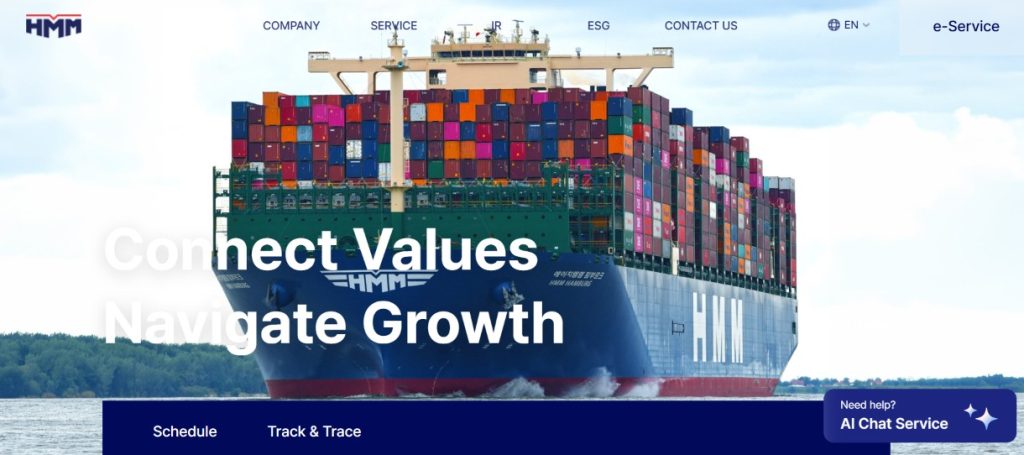
HMM, formerly Hyundai Merchant Marine, can allocate substantial reefer capacity across its large mainline vessels.
- Services: Reefer containers, mainline container shipping
- Key Service: High-volume reefer capacity on major routes
- Geo Coverage: Asia, Europe, North America, Latin America, and the Middle East
- Headquarters: Seoul, South Korea
- Ideal For: High-volume Asian import and export programs
- Strength: Large-vessel reefer capacity
- Consideration: Lane-level reefer availability matters more than total fleet size
10. Yang Ming Marine Transport
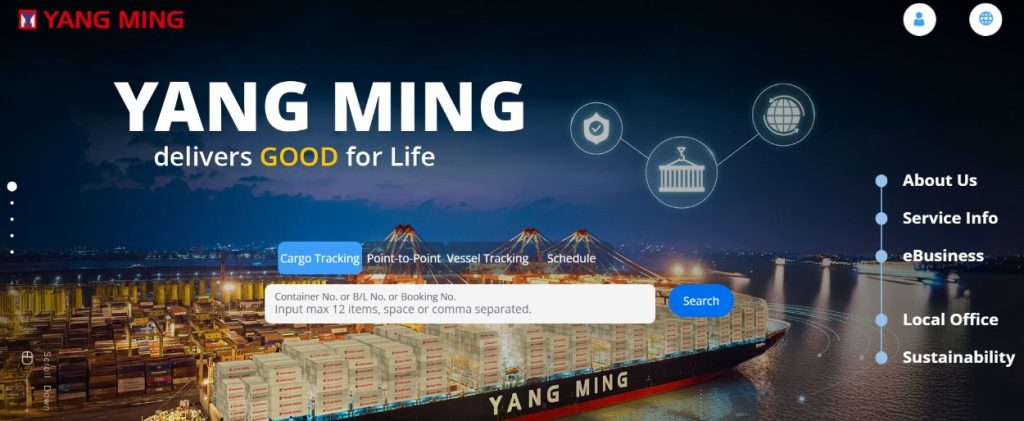
Yang Ming offers reefer units with settings from about -35°C to +30°C, plus dehumidification controls.
- Services: Reefer containers, temperature and dehumidification control
- Key Service: Wide-range temperature control for chilled and frozen cargo
- Geo Coverage: Asia, Europe, North America, Latin America, and Africa
- Headquarters: Keelung, Taiwan
- Ideal For: Cargo needing both temperature and humidity control
- Strength: Wide operating temperature range
- Consideration: Reefer model and humidity settings vary by lane
Comparison Table: Best Reefer Shipping Companies
| Company | Best For | Key Strength | Main Limitation |
|---|---|---|---|
| Maersk | Global reefer programs | Scale and live visibility | Service varies by lane |
| MSC | High-volume perishables | Reefer fleet size | Route-specific services |
| CMA CGM | Produce and pharma | Controlled atmosphere | Equipment varies by route |
| Hapag-Lloyd | Sensitive cargo | Reefer monitoring | Route-dependent availability |
| COSCO | Asia-linked lanes | Asian trade depth | Transshipment on some lanes |
| ONE | Asia-origin cargo | Specialized equipment | Asia-weighted network |
| ZIM | High-value cargo | Real-time alerts | Smaller network |
| Evergreen | Asian exporters | Broad network | Equipment varies by service |
| HMM | High-volume Asian trade | Vessel reefer capacity | Lane-level availability |
| Yang Ming | Humidity-sensitive cargo | Temperature range | Model-specific settings |
Specialist Reefer Carriers Worth Knowing (2026)
| Rank | Reefer Carrier | Core Reefer Services |
|---|---|---|
| 1 | Seatrade | Specialized reefer vessels, perishables on dedicated reefer routes |
| 2 | Seaboard Marine | Reefer cargo between the U.S., Caribbean, Central America, and South America |
| 3 | PIL (Pacific International Lines) | Reefer cargo on Asia-Africa and Asia-Latin America routes |
Hamburg Süd now operates within the Maersk network. K Line’s container business is now part of ONE.
1. Seatrade
Seatrade is a Netherlands-based specialist in refrigerated cargo and perishables.
Best For: Large perishable volumes on specialized reefer routes
Strength: Dedicated reefer vessels
Consideration: Narrower route network than global container lines
2. Seaboard Marine
Seaboard Marine is a U.S.-based carrier focused on the Caribbean and Latin America.
Best For: Fruit, vegetables, and seafood moving between the U.S. and Latin America
Strength: Regional lane focus
Consideration: Limited coverage outside the Americas
3. PIL
PIL is a Singapore-based carrier with strong coverage across Asia, Africa, and Latin America.
Best For: Reefer cargo between Asia and emerging markets
Strength: Regional network depth
Consideration: Smaller presence on main East-West lanes
Global Container Lines vs. Specialist Reefer Carriers: Key Differences
Global container lines offer broad lane coverage, large reefer fleets, and built-in monitoring.
Specialist carriers focus on perishables and specific regions, often with dedicated reefer vessels.
The right choice depends on your cargo, your lane, and how much volume you move.
How to Choose the Right Reefer Shipping Company
The largest carrier is not always the best fit for every reefer shipment. Start with fit:
Product Requirements: Match the exact temperature setting and handling your product needs.
Shipping Route: Choose a carrier with regular direct service on your lane.
Shipment Volume: High-volume shippers benefit from large fleets. Smaller shippers should prioritize equipment availability.
Monitoring: Highly sensitive cargo needs real-time temperature and power alerts.
Transit Time: Perishable products need short total transit, including port handling.
Controlled Atmosphere: Fresh produce shippers should confirm CA equipment is available.
Cold Treatment: Some agricultural imports require it, along with proper documentation.
Total Cost: Add ocean freight, reefer charges, port fees, inland transport, storage, and detention.
Moving Reefer Cargo After the Port
The ocean leg is only part of the cold chain. Cargo still needs temperature-controlled trucking, storage, and fulfillment once it lands.
AMZ Prep runs reefer freight for inland moves and cold storage fulfillment for chilled and frozen inventory. That keeps the product in range from port to shelf.
Final Thoughts
Large carriers like Maersk, MSC, and CMA CGM lead on global reefer coverage and technology. Specialists like Seatrade and Seaboard Marine often win on focused lanes.
The right reefer shipping company is the one that serves your lane and holds your temperature range. Fleet size comes second.
Compare equipment, monitoring, transit time, and total landed cost before booking.
Frequently Asked Questions About Reefer Shipping
Which is the best reefer shipping company?
Maersk and MSC are the strongest picks for global reefer coverage and capacity. CMA CGM and Hapag-Lloyd lead on specialized equipment. ZIM stands out for monitoring. The best fit depends on your lane, cargo, and volume.
Who are the largest reefer shipping companies?
The largest container lines with major reefer operations are Maersk, MSC, CMA CGM, Hapag-Lloyd, COSCO, ONE, Evergreen, HMM, and Yang Ming. Each runs refrigerated containers across major international trade routes, with services varying by lane.
What is a reefer container?
A reefer container is a shipping container with its own built-in refrigeration unit. It holds cargo at a set temperature during transit. Many units also control humidity and ventilation, and some support controlled atmosphere for produce.
What products are shipped in reefer containers?
Common reefer cargo includes fresh fruit and vegetables, meat, poultry, seafood, dairy, frozen food, flowers, and pharmaceuticals. Any product that loses quality outside a set temperature range is a candidate for reefer shipping.
What temperature can a reefer container maintain?
Most modern reefer containers hold settings from about -35°C to +30°C, depending on the unit and carrier. Yang Ming publishes that range for its equipment. Always confirm the exact setting your product needs before booking.
What is controlled-atmosphere reefer shipping?
Controlled-atmosphere reefer shipping manages oxygen and carbon dioxide levels inside the container. For suitable fruits and vegetables, this slows ripening and protects quality on long voyages. MSC and CMA CGM both offer controlled-atmosphere equipment.
What is cold treatment in reefer shipping?
Cold treatment holds cargo at a set low temperature for a required period during transit. It controls pests and helps certain agricultural products meet phytosanitary import rules. MSC, Hapag-Lloyd, and ZIM offer it on eligible cargo.
Are reefer containers monitored during transportation?
Yes. Most major carriers now offer remote reefer monitoring. Maersk uses Captain Peter, MSC offers iReefer, Hapag-Lloyd runs Hapag-Lloyd LIVE, and ZIM uses ZIMonitor. These track temperature, humidity, location, and power in real time.
What is the difference between a reefer container and a reefer ship?
A reefer container is a single refrigerated box that can move by ship, truck, rail, or barge. A reefer ship is a vessel built to carry refrigerated cargo in bulk, often fruit, seafood, and meat.

Chadwick Collins is an Enterprise Fulfillment Consultant at AMZ Prep, where he partners with high growth ecommerce brands to design and scale Amazon first logistics strategies. He brings extensive experience in freight, supporting brands across domestic and cross border transportation, routing optimization, and cost control.
At AMZ Prep, Chadwick works closely with enterprise clients to improve inventory flow, reduce landed costs, and accelerate delivery performance across North America. His expertise spans FBA, DTC, and B2B fulfillment, with a strong focus on aligning freight strategy with overall supply chain efficiency. He helps brands navigate complex logistics challenges while turning operations into a competitive advantage.
















Comments