In 2025, Facebook Marketplace become a powerhouse of social commerce,using Facebook’s massive user base and sophisticated recommendations to make selling almost impossibly easy. Facebook Marketplace has transformed from a simple peer-to-peer selling platform into a digital marketplace rivalling ecommerce giants like eBay. What makes Facebook Marketplace so compelling right now is its incredible user-friendly interface and deep social integration. Unlike traditional eCommerce platforms, you’re not just listing an item – you’re selling within a trusted network, ie potential buyers can instantly view your profile, mutual connections, and community reputation. This built-in social verification creates an inherent trust mechanism that platforms like Craigslist or eBay simply can’t match. Another massive advantage is the zero listing fees and minimal transaction friction.
Facebook has designed Marketplace to be a pure connection platform, which means more money stays in sellers’ pockets. It doesn’t matter if you’re a seasoned seller or a complete newbie looking to clear out some space, this comprehensive guide will equip you with the insider knowledge that turns casual selling into a potential side hustle or even a full-blown digital business.

Getting Started with Facebook Marketplace
How to Sale on Facebook Marketplace
Set Up Your Account
- Ensure you have a Facebook account. If you don’t, create one.
- Find the Marketplace icon on the app or website to access the Marketplace feature.( Search on Google “ facebook market place)
- Provide necessary contact and banking information for verification and tax purposes.
Create a New Listing
- Click “Create New Listing” in the Marketplace section.
- Choose the type of item l: “Item for Sale,” “Vehicle for Sale,” “Home for Sale or Rent,” or “Job Opening.”
Fill in the Details
- Title: Write a clear and descriptive title for your item.
- Photos:high-quality images arerecommended. Use clear, well-lit photos.
- Description: Provide a detailed description, including condition, size, brand, and any other relevant information. Incorporate keywords to improve search visibility.
- Price: Set a competitive price based on market research.
Choose Your Location
- Specify your location to help potential buyers find your listing easily.
Select Delivery Options
- Indicate how you plan to deliver the item (e.g., local pickup, shipping).
Publish Your Listing
- Review all information for accuracy and click “Publish” to make your listing live.
Expanding your presence across multiple platforms, including Facebook Marketplace and Etsy, can boost your sales. Discover how to sell on Etsy UK
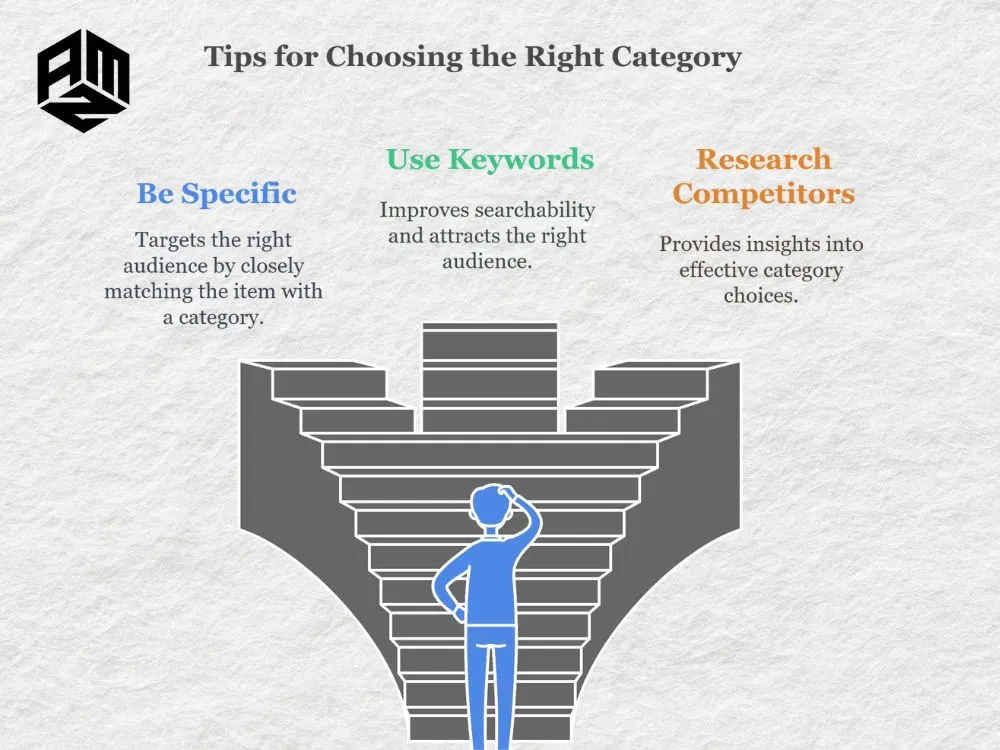
Choosing the right category and pricing strategy
Here are the key categories available on Facebook Marketplace
- Vehicles
- Property Rentals
- Apparel
- Electronics
- Home Goods
- Toys & Games
- Musical Instruments
- Health & Beauty
- Garden & Outdoor
- Sports Equipment
Also, look at similar listings to see which categories they are using. This can provide insights into where your item might fit best. Finding high-demand products to sell on Facebook Marketplace can set you up for success, just like on Amazon. Check out a list of high-demand Amazon products.
Creating a Winning Listing
Use High-Quality Photos
- Upload up to 10 clear, well-lit images showcasing different angles of your item.
- Use a simple, uncluttered background to keep the focus on the product.
- Highlight any unique features or flaws to set accurate expectations.
Write a Compelling Title
- Create a clear and descriptive title that includes relevant keywords (e.g., “iPhone 13 Pro – 256GB, Excellent Condition”).
- Keep it concise (around 65 characters) and avoid excessive punctuation or emojis.
- Use proper capitalization.
Craft an Informative Description
- Include key details like condition, size, brand, color, and any notable features.
- Use short paragraphs or bullet points.
- Naturally incorporate 3-5 relevant keywords.
Set a Competitive Price
- Research similar listings on Facebook Marketplace to determine a fair and competitive price.
- Factor in demand, condition, and location when pricing your item.
- Consider offering free shipping or local delivery to attract more buyers.
Add Tags for Enhanced Visibility
- Use up to three relevant tags to help Facebook categorize and promote your listing.
- Choose tags that accurately describe the item’s use, brand, or key attributes.
Proofread Your Listing
- Review your title and description for typos or formatting issues before publishing.
- A well-written listing appears more professional and builds buyer confidence.
Additional Tips for Success
- Respond quickly to messages to maintain interest.
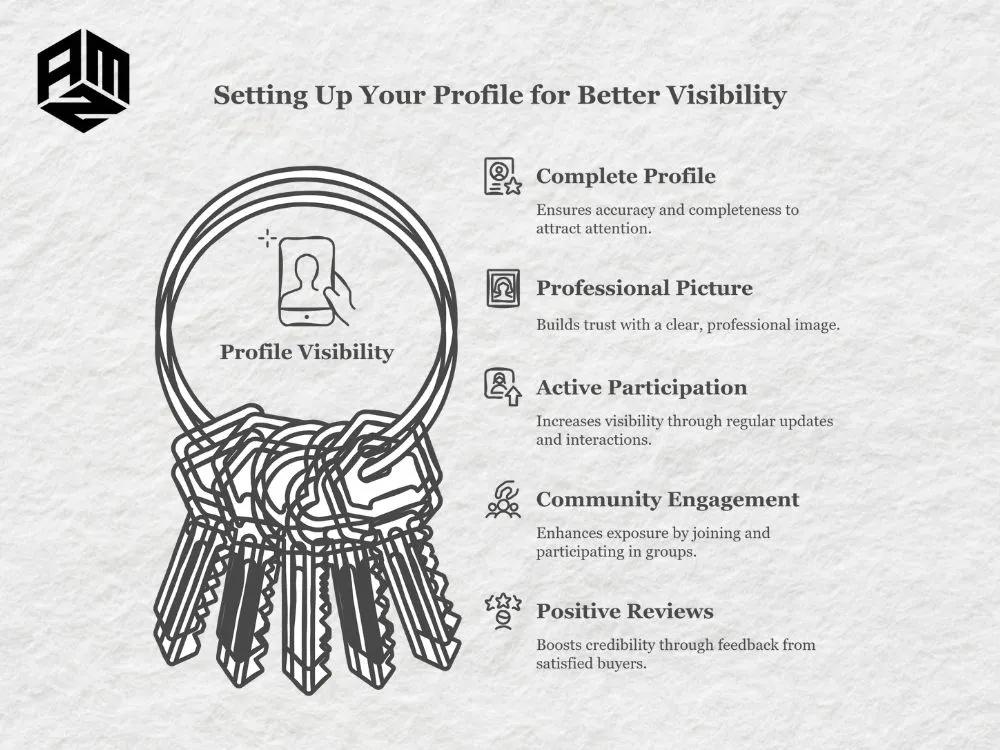
- Post it on your Facebook profile and in relevant buy/sell groups.
- Track views and engagement, adjusting details if needed to improve sales.
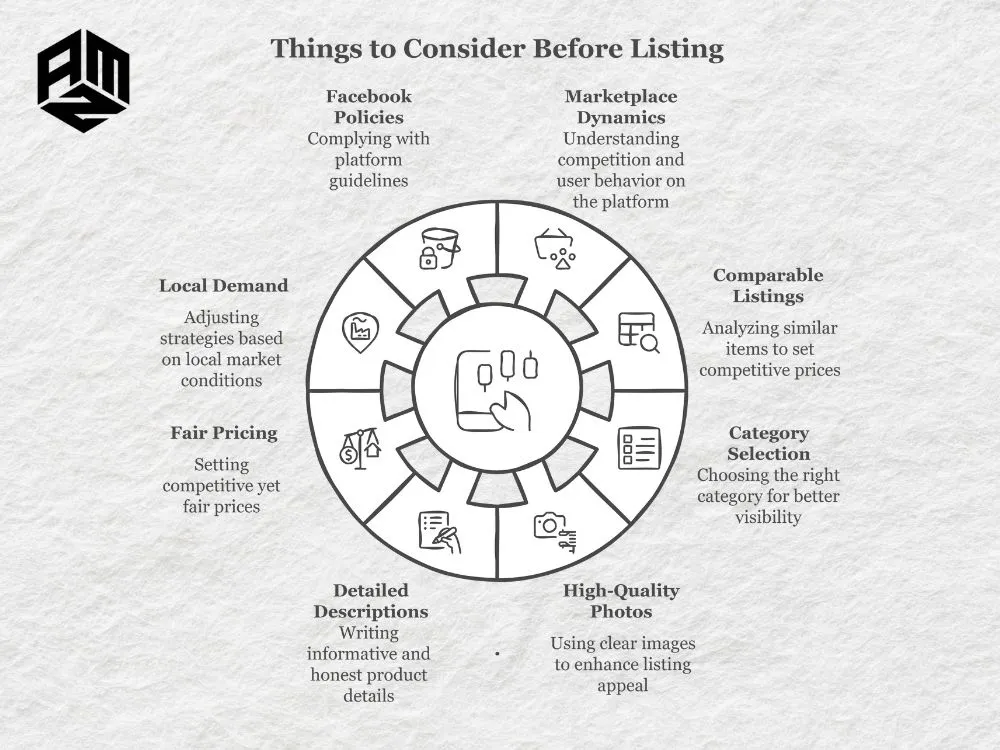
Things to Consider Before Listing
Marketplace policies and prohibited items
General Policy: Physical Products Only
- Listings must feature tangible, physical items.
- Services, digital goods, subscriptions, and non-physical products are not allowed.
Prohibited Categories
- Weapons and Ammunition
- The platform implements comprehensive restrictions on weapons and weapon-related accessories, reflecting both regulatory requirements and safety considerations. Notable elements include:
- Complete prohibition of firearms and explosives
- Selective allowance for utility implements (kitchen knives)
- Systematic exclusion of weapon modifications and accessories
- The platform implements comprehensive restrictions on weapons and weapon-related accessories, reflecting both regulatory requirements and safety considerations. Notable elements include:
- Controlled Substances
- Absolute restriction on illegal narcotics
- Regulatory-driven limitations on prescription medications
- Integration with pharmaceutical distribution regulations
Age-Restricted Products
- Complete prohibition of alcohol and tobacco products
- Extension to emerging product categories (e.g., vaping devices)
- Alignment with cross-jurisdictional regulatory requirements
- Adult-oriented products and services
- Live animals and protected species products
- Materials designated as hazardous under transportation regulations
Best Practices to Avoid Policy Violations
- Read Facebook’s Commerce Policies before listing items.
- Avoid using restricted keywords that could flag your listing.
- If unsure, check Facebook’s Help Center for clarification on specific products.
While Facebook Marketplace is an excellent platform for many sellers, it’s also worth considering top eCommerce platforms to expand your reach. Find out which ones made the list.
How to Avoid Scams and Fraudulent Transactions
Protecting yourself from Facebook or Amazon scams that are active there is crucial when buying or selling on Facebook Marketplace. Here’s how to stay safe:
Verify Buyer Profiles
Before engaging with a buyer, check their profile for authenticity. Look for:
- A profile picture and active timeline.
- Mutual friends or past Marketplace activity.
- Signs of a new or fake account (e.g., no history, generic profile details).
Communicate Through Facebook Messenger
Keep all conversations within Facebook Messenger to:
- Track interactions for security purposes.
- Avoid sharing personal contact details until necessary.
- reduce the risk of various phishing attacks
Avoid Unusual Payment Methods
Stick to secure and verifiable payment options such as:
- Facebook Pay, Venmo, PayPal (Goods & Services), or cash for local transactions.
- Avoid wire transfers, checks, or gift cards, as they are common tools for scammers.
Trust Your Instincts
Red flags to watch for:
- A buyer who rushes the transaction or pressures you.
- Requests to ship items before payment is confirmed.
- Overpayment scams where they ask you to refund excess money.
Best Practices for Selling on Facebook Marketplace


Facebook Shop vs. Marketplace: What’s the Difference?
Facebook provides two primary platforms for selling products: Facebook Shop and Facebook Marketplace.They cater to different types of sellers and business models.
When to Use Facebook Shop
Ideal for Businesses and Brands
The platform supports sophisticated brand presence management, enabling businesses to construct customized storefronts that aligns with established brand guidelines and marketing strategies. Create a logo to strengthen brand recognition and give your shop a professional appearance.
Integration with eCommerce Platforms
Facebook Shop supports integration with third-party platforms like Shopify, WooCommerce, and BigCommerce. A key advantage lies in Shop’s robust API framework, facilitating integration with major eCommerce platforms:
- Direct inventory synchronization capabilities
- Real-time stock management protocols
- Unified order processing systems
Advertising and Promotions
The platform’s integration with Meta’s advertising ecosystem provides advanced targeting capabilities, with data indicating up to 40% higher conversion rates compared to standalone eCommerce platforms.
If you ever need to pivot from Amazon to Facebook Marketplace, knowing how to cancel your Amazon seller account can be useful.
When to Use Facebook Marketplace
Great for Individual Sellers and Small Businesses
Marketplace is ideal for individuals, resellers, and local businesses looking to sell directly to buyers. Marketplace is optimized for peer-to-peer transactions, offering reduced complexity in listing creation and management. Transaction data indicates 60% of successful sales occur within local geographic zones.
No Setup Required
Unlike Facebook Shop, Marketplace doesn’t require a Facebook Page or a business account. Zero-barrier entry model eliminates traditional eCommerce setup requirements, enabling immediate market access for individual sellers.
Focus on Local Sales
Marketplace is optimized for local transactions, making it a great choice for selling used items, furniture, electronics, and more.
Buy and Sell Groups: A Hidden Goldmine
How to Find and Join the Right Groups Strategic group selection criteria should focus on:
- Active user engagement metrics
- Demographic alignment with target market
- Transaction velocity indicators
Posting Etiquette and Community Guidelines
- Follow each group’s posting rules to avoid spam-like behavior.
- Be clear and transparent in your listings, including pricing and item details.
- Engage with potential buyers by responding promptly and professionally.
Advantages of Selling in Groups vs. Marketplace
- More direct buyer interaction, creating a sense of trust and community.
- Less competition compared to Marketplace, making it easier to stand out.
- Some groups have dedicated buyers looking for specific types of items.
Which One Should You Choose?
Platform selection should align with operational scale and business objectives:
- Facebook Shop: Optimal for scalable business operations requiring comprehensive eCommerce functionality
- Marketplace: Efficient for individual sellers prioritizing local market access
- Buy & Sell Groups: Effective for targeted market penetration in specific product categories
Understanding fees is crucial when selling on any marketplace, including Facebook. For example, Amazon charges inbound placement fees.
Frequently Asked Questions (FAQs)
How do I increase my chances of selling an item quickly?
Success in rapid sales on Facebook Marketplace requires strategic implementation of key listing elements. High-quality visual documentation through clear photography is essential, complemented by comprehensive item descriptions incorporating relevant keywords. Market analysis for competitive pricing and prompt communication protocols enhance transaction velocity. Integration with buy/sell groups extends market reach, optimizing visibility metrics.
Facebook Marketplace free to use?
The platform maintains a zero-cost structure for individual sellers, implementing complete fee elimination for basic listing services. However, business entities utilizing Facebook Shops or advanced checkout functionalities may encounter transaction-based fee structures according to platform policies.
Can I ship items to buyers?
The platform supports domestic shipping capabilities within U.S. territories. Sellers can utilize Facebook’s integrated shipping label system or implement independent shipping protocols. A 5% transaction fee applies to shipped items processed through Facebook checkout, with a reduced $0.40 fee for transactions under $8.
What should I do if I encounter a scammer?
Implementation of immediate risk mitigation protocols is essential upon fraud detection. This includes cessation of communication channels, utilization of platform reporting mechanisms, and strict adherence to secure payment methodologies. Maintaining inventory control until payment verification is critical for transaction security.
How to Start an Online Business on Facebook?
Business implementation requires systematic platform integration through Facebook Business Page establishment, followed by Shop or Marketplace configuration. Optional integration with third-party eCommerce platforms enhances operational capabilities. Marketing optimization through Facebook Ads and consistent customer engagement protocols ensures sustainable growth.
What are the Best Payment Methods for Online Sellers?
Optimal transaction security is achieved through platform-integrated payment systems including Facebook Pay and PayPal Goods u0026amp; Services. Local transactions benefit from cash-based systems in secure locations. While Venmo and Zelle offer convenience for verified buyers, risk mitigation requires avoiding non-secure payment methods like wire transfers or gift cards.
Facebook Marketplace vs. eBay: Which is Better?
Platform selection should align with specific business objectives. Facebook Marketplace optimizes local market penetration with zero-fee structures, while eBay provides enhanced global reach and comprehensive seller protection frameworks. Transaction requirements and market scope should guide platform selection decisions.
Conclusion
Let’s wrap this up with some real talk about why Facebook Marketplace isn’t just another selling platform – it’s your ticket to turning that “I should probably sell this” pile into actual profit. Whether you’re clearing out your closet or building an empire from your garage, the magic happens when you combine smart strategy with consistent action.
Remember, your success story starts with that first listing. The platform’s massive reach, zero startup costs, and local-first approach make it a goldmine of opportunity. So what are you waiting for? That item you’ve been meaning to sell isn’t going to list itself!
Time to transform those unused items into unexpected income – your future buyers are already scrolling!

Blair Forrest is the Founder of AMZ Prep, one of North America’s fastest-growing third-party logistics and fulfillment networks, built entirely without outside capital since 2016. Under his leadership, AMZ Prep has scaled to 50+ fulfillment centers across 6 countries, processing over 10 million plus units monthly and powering $2 billion+ in annual GMV for more than 5,000 brands worldwide including 437, Silverts, Saltyface, Unilever, Duracell, and JBL. A recognized authority in eCommerce logistics, Amazon FBA strategy, and supply chain optimization, Blair has helped thousands of sellers and brands master their fulfillment operations from first shipment to enterprise scale. He regularly consults on FBA prep, multi-channel fulfillment, last mile delivery, international expansion, and cost reduction strategies that save brands 20–40% compared to traditional 3PL providers. Blair’s insights on Amazon logistics, 3PL operations, and eCommerce growth are widely cited across the industry. Through AMZ Prep’s content, guides, and resources, he continues to share battle-tested strategies drawn from managing one of the largest independently owned fulfillment networks in North America.







This feels less like a blog and more like a mini playbook. Exactly what I needed to level up my selling.
Quick and actionable guide. The part about writing better titles and using keywords really clicked for me.
The structured “Getting Started” steps are perfect for beginners like me. Super easy to follow.
Love how you highlighted free listing fees. That’s honestly why I prefer Marketplace over Etsy.
I’ve been debating between using Facebook Shop and Marketplace, this finally cleared it up.
This is the clearest breakdown I’ve seen on Facebook Marketplace. Love how you compared it with eBay and Craigslist.
Appreciate the section on scams! I almost got hit with an overpayment scam last year.
Great point about social verification, trust is exactly why I sell here more than anywhere else.
I never realized how powerful groups could be for selling. Definitely going to try that strategy.
The tips about categories and pricing are gold. I always struggled to figure out where to list my products.