
So you are an eCommerce seller looking to starting you Amazon Journey and you came across Amazon FBA,I know it can be very exciting but at the same time a bit overwhelming too, especially when it comes to prep packaging rules. I’ve been there, trust me! But once you get it, the whole process is but a child’s play. As Amazon sellers, understanding Amazon FBA prep requirements, Amazon FBA fees and packaging guidelines is essential for success. This guide explains everything that you need to know about the proper preparation and packaging of your products so that you can confidently send your stock to Amazon without any problems. Stick Around and We will help each other!

Understanding the Role of Amazon FBA in Your Order Fulfillment
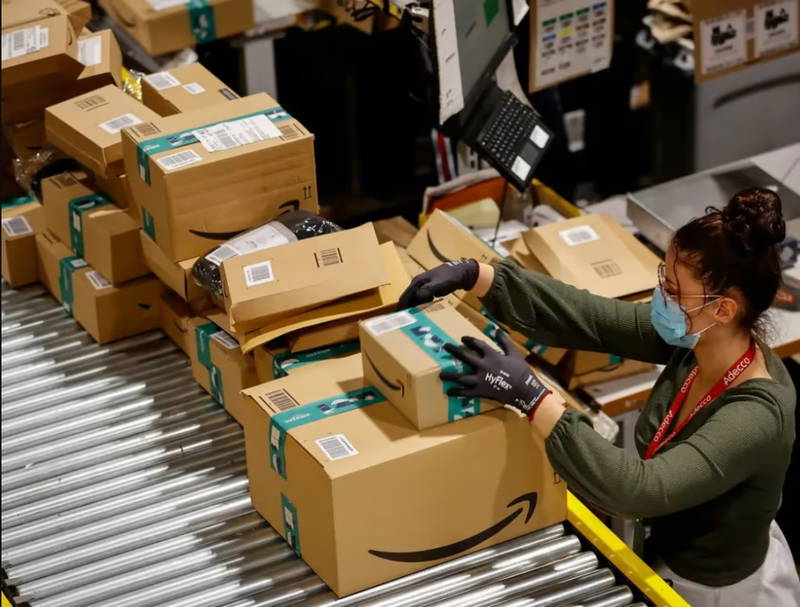
You may have heard of FBA and wondered what might that be. FBA is Fulfillment by Amazon and it is the logistical process that involves the shipping, packaging, and direct delivery of products to customers. When customers order, Amazon collects, packages, and ships products, allowing sellers to focus more on marketing and growing their businesses. This option provides fast delivery, reliable customer service, and hassle-free returns. In other words, Amazon takes care of the order fulfillment process. Whether you’re preparing CDS or other products for shipment, following the detailed Amazon prep requirements is crucial.
Essential FBA Packaging Standards You Should Know
So if Amazon handles the order fulfillment why should a seller care about the Order Fulfillment process? Even though Amazon handles most of the logistics in their Fulfillment by Amazon (FBA) program, sellers still have the natural responsibility for how their inventory is prepped and packaged to Amazon prep centers. Amazon FBA has strict packaging standards to ensure the safe handling of products. Sellers who fail to follow these requirements may face product rejection, additional fees, or even suspension from the program. Here are key packaging rules to keep in mind
- Box Size & Weight Limits
Boxes must not exceed 25 inches on any side or weigh more than 50 lbs unless the item itself is larger. If the weight surpasses 50 lbs, include a “Team Lift” label, and for boxes over 100 lbs, a “Mechanical Lift” label is required.
- Approved Packaging Materials
Use materials like bubble wrap, full sheets of paper, and inflatable air pillows. Avoid packing peanuts, foam strips, crinkle wrap, and shredded paper.
Preparing Your Products for Amazon FBA
When it comes to selling, getting your products ready for the big league is a big deal. The thing is no matter how great your product is it has to reach your customers in the same great condition. Compliance with Amazon FBA code of hot products packaging requirements ensures that your products meet the packaging and prep standards.
General Packaging Requirements
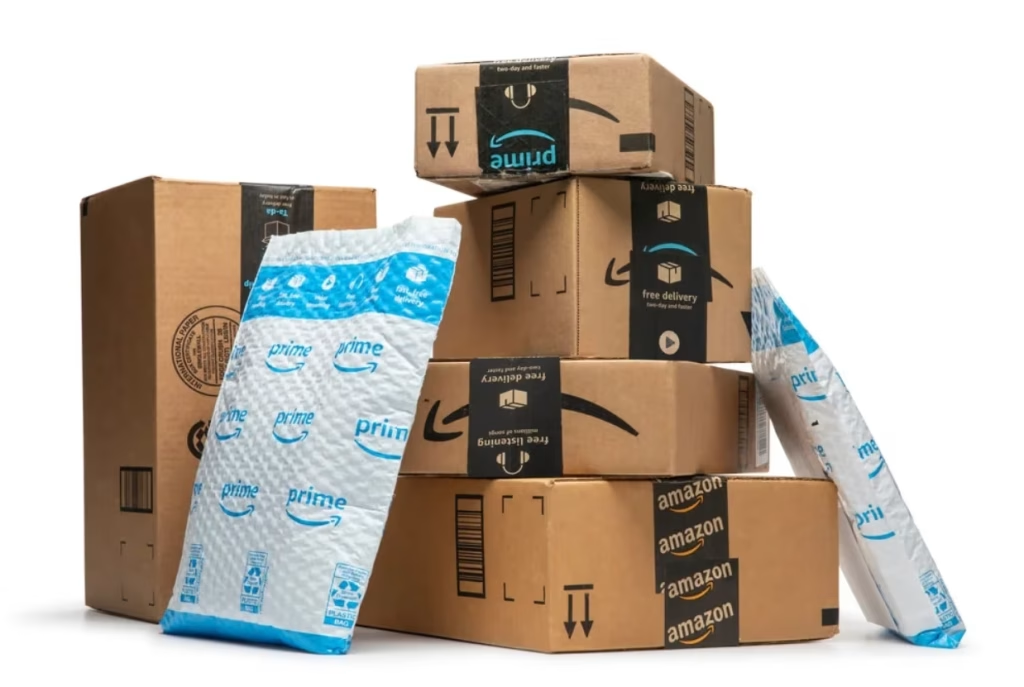
The right packaging makes sure that your products reach your customers in the same great condition.
- Amazon Barcode (FNSKU)
Every product needs a unique barcode called the FNSKU. This barcode connects the item to your seller account and helps avoid mixing up your inventory with other sellers. You can print and label the barcodes yourself, ask your supplier to do it, or let Amazon handle it for a fee. Using custom packaging along with a barcode generator ensures products stay organized, protected, and compliant.
- Scannable Barcodes
All products need an exterior barcode that’s easy for Amazon to scan. Make sure it’s on the outside and easy to reach.
- Clean, Secure Packaging
New, sturdy boxes are a must. No old labels, please! Pack your items securely so they don’t get damaged on the way to Amazon. And yes, they have specific packing materials you should use—especially for fragile items.
- Labeling for Sets
Selling multiple items as one product? Bundle them together and label them clearly with “Sold as Set” or “Do not separate.”
Packaging Requirements for Specific Product Types
Not all products can be packaged equally
- Loose Products
Loose items need to be bagged or secured with tape that can be easily removed. The barcode should still be scannable through the bag or tape. For example, shoes should be in a shoebox or poly bag with a suffocation warning, ensuring nothing is exposed.
- Poly-Bagged Units
If you’re using poly bags, make sure there’s a suffocation warning on bags with openings larger than 5 inches. The bag should be see-through, at least 1.5 mm thick, and fully sealed.
- Boxed Units
Boxed items need to be properly sealed with tape and strong enough to hold up during shipping. If the box has any perforations, it should pass a 3-foot drop test. Otherwise, it’ll need to go inside a poly bag for extra protection.
Some Products require extra special care
- Baby Products Secure in a transparent poly bag with a barcode placed on the outside.
- Sharp or Pointed Items Wrap in bubble wrap or place in a box to cover exposed edges.
- Fragile Items Must pass a 3-foot drop test without breaking and be wrapped in protective packaging like bubble wrap.
Must-Have Packaging Supplies for Amazon FBA
The right supplies can make all the difference in ensuring your products meet FBA standards. Here’s a list of essential packaging materials
- Bubble wrap
- Poly bags (1.5 mm thick, with suffocation warnings for bags larger than 5 inches)
- Shrink wrap
- Thermal or laser printers for clear, scannable labels
Properly preparing for shipment helps streamline the entire process and avoids any issues during fulfillment.
A Step-by-Step Approach to Sending Your Products to Amazon FBA
Once you’ve got the guidelines down, it’s time to get your products ready. Here’s what you’ll need to do
Step 1. Prep Your Products
- Inspect Products
You do not want to be shipping damaged and defective products. In the short term, you’d be forced to handle returns and in the long, it may even cause your Amazon account to be banned.
- Labeling
Every product needs a clear, scannable label. If you’re using FNSKU labels, make sure they are easy to read and meet the standard of 1×2 Inches. For added convenience, you can use best QR Code Generator to create dynamic codes that complement your labeling system. If you’re selling items as a set, label it as “Sold as Set” or “Do Not Separate. You can link to forms for data collection, making it useful to understand the form definition, especially if you’re new.
- Protective Packaging
For fragile items, use materials like bubble wrap, foam, or air pillows. If you’re shipping liquids, make sure they meet Amazon’s double-sealing or bagging requirements and double-check for leaks.
Step 2. Create a Shipping Plan
So you got your Products prepped. Now it’s time to create a shipping plan on Amazon Seller central. Here’s what you’ll need to do
- Choose a Fulfillment Method
Whether you’re sending new items or restocking existing inventory, select the appropriate option in Seller Central.
- Provide Product Information
This includes details like the type of product, how many you’re shipping, how they’re packed (individual or case-packed), and the dimensions and weight of your boxes, which is why many sellers use a CBM calculator to accurately determine shipment volume before finalizing the shipping plan.
- Select a Shipping Method and Carrier
For small shipments, choose Small Parcel Delivery (SPD). For larger shipments, go with Less Than Truckload (LTL) or Full Truckload (FTL). Amazon’s partnered carriers (like UPS) can save you money on shipping costs. If you use a different carrier, don’t forget to update your tracking info in Seller Central.
Step 3. Package Your Shipment
How you package your shipment depends on whether you’re sending individual items or case-packed products. Here’s what to keep in mind
- Case-Packed Products
Each box should contain identical items with matching SKUs and conditions. Follow Amazon’s labeling guidelines for each box.
- Individually Packed Products
Each item must have its own FNSKU label.
- Small Parcel Shipments
Your boxes shouldn’t exceed 25 inches on any side or weigh more than 50 pounds. Attach one FBA box ID label and one shipping label to the side of each box—make sure they’re away from the edges and seams.
- LTL/FTL Shipments
If you’re shipping pallets, use high-quality wooden pallets that meet Amazon’s standards. Wrap them securely in clear plastic to ensure barcodes are visible and attach four pallet labels (one on each side).
Step 4. Ship to Amazon
After your shipment is packaged, print the shipping labels Amazon provides and attach them to your boxes or pallets. Make sure everything is properly labeled and ready to go before sending it to the designated Amazon fulfillment center.
Once properly packaged and labeled, your products enter the middle mile for Amazon sellers phase transportation from your location to Amazon’s fulfillment centers. Proper packaging isn’t just about Amazon compliance; it must also protect products during middle mile transit, which involves multiple touchpoints and handling. Additionally, optimizing box sizes for dimensional weight can significantly reduce middle mile shipping costs while ensuring your products arrive safely at Amazon facilities.
Explore our detailed list of Amazon FBA warehouse locations worldwide to better plan your shipping strategy and reduce lead times.
Strategies for Successful FBA Prep
To successfully navigate the FBA prep process
- Collaborate with Suppliers
Ensure that your suppliers understand Amazon’s packaging requirements if they are shipping directly to fulfillment centers.
- Consider Third-Party Logistics (3PL) Providers
Outsourcing to USA FBA prep services or a 3PL can help streamline the process, especially for larger volumes of inventory. This becomes even more valuable as Amazon FBA capacity limits continue to tighten, requiring smarter inventory distribution and prep strategies. If you’re not sure where to start, check out our curated list of the 19 best Amazon FBA prep centers to find a reliable partner that meets your business needs.
As Amazon sellers utilizing Fulfillment by Amazon (FBA), it’s crucial to adhere to the specific FBA packaging and prep requirements to ensure a smooth and efficient process. Whether you’re sending products to an Amazon fulfillment center or preparing FBA shipments, understanding the packaging guidelines, labeling requirements, and weight limits is essential. Sellers need to meet these specific requirements to avoid any delays or issues with their shipments. From prepping products to generating the correct shipping label, Amazon also enforces strict rules to ensure everything arrives at the fulfillment center in compliance. Following these guidelines helps FBA sellers streamline their Amazon selling process and maintain a positive customer experience.
Factors Determining the Amazon Prep and Pack Process
Several factors, including the type of product, packaging method, and shipping method, determine the appropriate preparation steps for Amazon FBA
| Category | Factors | Details |
|---|---|---|
| Product Characteristics | Product Category | Fragile Items Need extra protection (e.g., glass, liquids). Sharp Items Must be securely packaged. Sets Bundle and label together. Expiration Dates Require specific labeling. |
| Product Size and Weight | SPD Limits Max 25 inches per side, 50 pounds. Oversize Items Special labels required (e.g., “Team Lift”). |
|
| Shipping Methods | Small Parcel Delivery (SPD) | Suitable for smaller shipments. Carriers DHL, UPS, FedEx, or local postal services. |
| Less Than Truckload/Full Truckload (LTL/FTL) | For larger shipments. Requires wooden pallets (GMA standard Grade B or higher). Pallet weight Up to 1,500 pounds. Height limit 72 inches. |
|
| Amazon’s Carrier Program | Amazon-Partnered Carriers | Offers cost savings and integration with Amazon systems. Example UPS. |
| Non-Partnered Carriers | Requires manual tracking ID updates in Seller Central. Provides more flexibility in carrier choice. |
Consequences of Incorrect FBA Prep
Improper prep can result in long-term storage fees, restrictions on restocking, or even disposal of inventory that doesn’t meet expiration guidelines.
| Category | Consequences | Details |
|---|---|---|
| Inventory Rejection and Delays | Rejection at Fulfillment Center | Non-compliant shipments may be rejected. Costs for return shipping or repackaging. Delayed product availability, affecting sales. |
| Extra Fees and Penalties | Non-Compliance Fees | Charged for each unit needing corrections. Amazon may apply fees for labeling, packaging, or prep issues. |
| Repackaging Fees | Fees for Amazon to repackage non-compliant products. | |
| Relabeling Fees | Fees for Amazon to relabel incorrect or missing labels. | |
| Return Shipping Costs | Costs for returning inventory rejected by Amazon. | |
| Suspension of Selling Privileges | Repeated violations can lead to suspension, limiting your selling ability. | |
| Damaged Products and Customer Dissatisfaction | Negative Customer Reviews | Damage leads to poor reviews and impacts reputation. |
| Increased Returns | Damaged items increase return rates, adding processing costs. | |
| Lower Seller Ratings | Higher returns and negative reviews affect seller rating and visibility. | |
| Operational Inefficiencies | Disruptions to Workflow | Handling rejected inventory and complaints consumes time and resources. |
| Strain on Warehouse Staff | Continuous prep mistakes put pressure on warehouse staff, affecting productivity. | |
| Impact on Inventory Performance Index (IPI) | Increased Storage Fees | Lower IPI scores lead to higher fees for storing inventory. |
| Limited Restocking Limits | Restricted inventory amounts if IPI score is low, affecting demand fulfillment. | |
| Reduced Storage Space | Lower IPI scores result in less storage space, requiring inventory adjustments. |
Common Mistakes in FBA Prep and How to Avoid Them
Here are a few common mistakes that sellers often make
- Overlooking Product Condition
- The Issue Not checking for defects or damages before sending products to Amazon can lead to returns and negative feedback.
- Solution Implement a robust quality control process. Inspect each item carefully for quality and accuracy before packaging.
- Incorrect Labeling and Barcodes
- The Issue Errors with barcodes or labels can disrupt Amazon’s inventory management, causing misplaced or misidentified products.
- Solution Ensure labels are clear, scannable, and placed correctly. Regularly verify label accuracy and use reliable printing equipment.
- Inadequate Packaging
- The Issue Poor packaging can result in damaged goods, leading to customer dissatisfaction and returns.
- Solution Use high-quality packaging materials like sturdy boxes, bubble wrap, and air pillows. Conduct drop tests to ensure your packaging holds up during shipping.
- Non-Compliance with Product-Specific Requirements
- The Issue Different products have specific packaging requirements, and failing to meet these can lead to rejection or additional fees.
- Solution Follow Amazon’s guidelines for each product type. Check their requirements for liquids, fragile items, and products with expiration dates.
- Ignoring Amazon’s Updates and Guidelines
- The Issue Amazon frequently updates its FBA policies, and not staying updated can lead to compliance issues.
- Solution Regularly review Amazon’s FBA policies on Seller Central. Attend training sessions or consult their resources to keep up with changes.
Here is how to Avoid Mistakes
- Standardize Processes
- Develop clear SOPs for each stage of FBA prep to ensure consistency and reduce errors. This includes inventory receiving, inspection, labeling, packaging, and shipping.
- Use Checklists
- Implement checklists to verify critical steps, like inspecting items, checking label accuracy, and final box inspections before shipping.
- Regular Audits and Feedback
- Conduct internal or external audits to review FBA prep operations. Use feedback to improve processes and ensure compliance with Amazon’s guidelines.
- Employee Training
- Invest in training certificates to keep your staff updated on the latest FBA guidelines and best practices. You can use employee training software to make sure that your team is well-trained, more efficient, and less likely to make mistakes.
- Leverage Technology
- Use inventory management systems that integrate with Amazon’s platforms. Automation can help with tasks like barcode scanning and label printing, reducing human error.
- Consider Third-Party Logistics (3PL) Providers
- If managing in-house becomes overwhelming, a 3PL provider can help. They specialize in FBA prep and fulfillment, offering expertise and infrastructure to handle large volumes efficiently.
Adhering to Amazon FBA packaging requirements is essential for any seller looking to successfully sell on Amazon. By following the precise Amazon FBA packaging guidelines, you ensure that your products are properly prepped and ready to send to Amazon, meeting all necessary standards for a smooth fulfillment process.
Conclusion
So there you have it—the comprehensive guide to Amazon FBA prep and packaging. It might seem like a lot to tackle, but don’t worry! You got this you will get the hang of this in no time. Remember, the key is to stay organized and informed. Develop clear processes, use checklists, and keep up with any updates from Amazon. Don’t hesitate to invest in training for your team or consider a best 3PL providers if you need a helping hand.
So cheers to your success on Amazon FBA! If you have any questions or need more tips, feel free to reach out. Happy selling!

Arishekar N is a Vice President (VP) of Marketing at AMZ Prep, specializing in ecommerce fulfillment and Amazon logistics strategies with a proven track record of driving growth for e-commerce businesses. He is a strategic leader with extensive expertise in marketing, e-commerce operations, SEO & advertising, and branding.
Stay updated on his latest insights by following him






Clear rules + real examples = less guesswork for FBA packaging. This is a keeper.
Seeing common mistakes and fixes side by side helps me audit my current inventory better.
The section on drop tests + overboxing gave me a fresh perspective on packaging robustness.
Following the FBA packaging requirements is non-negotiable — this guide lays it out clearly.
Understanding compliance with polybag requirements is invaluable — thanks for explaining it well.
I didn’t realize how strictly Amazon enforces label placement rules until reading this.
Prep complexity often scares new sellers — this article makes compliance feel manageable.
Your prep guidelines help avoid rejections and unexpected fees. Very practical.
The guide’s balance between strict requirements and practical tips is rare and useful.
The emphasis on barcode scannability and label clarity is something every seller must internalize.
This blog helped tremendously. I’d been struggling with labeling requirements.
Thank you for this! It’s hard to understand what to do as a New seller
Super informative and detailed! It’s easy to overlook these details
Thanks for the breakdown of the packaging guidelines, Really Helpful
This is great, I was looking for a blog like this for troubleshooting.