
Getting inventory from a supplier to a warehouse is only the first step.
For ecommerce brands, the bigger challenge often comes after that.
Products need to move from warehouses into Amazon fulfillment centers, retail distribution centers, stores, or other fulfillment locations.
This part of the supply chain is called the middle mile.
A strong middle mile partner can help brands move inventory faster, reduce unnecessary freight costs, improve delivery reliability, and simplify complex shipping processes.
But choosing the right provider is not always simple.
Some middle mile logistics companies focus on Amazon FBA inbound shipments. Others specialize in retail replenishment, freight transportation, cold chain, or enterprise distribution.
The best provider depends on where your inventory needs to go and what support your business requires.
For example:
- Amazon sellers need providers that understand FBA requirements.
- Retail brands need providers that can meet store and DC delivery rules.
- Omnichannel brands need solutions that connect Amazon, DTC, and retail inventory.
In this guide, we compare the best middle mile providers, explain how they work, and help you choose the right middle mile solution for your business.
Quick Comparison of the Best Middle Mile Logistics Companies
| Company | Best For | Main Strength |
|---|---|---|
| AMZ Prep | Amazon FBA and ecommerce brands | FBA prep, warehousing, consolidation, middle mile |
| Pattern | Enterprise Amazon brands | Marketplace-focused logistics |
| ZonPrep | High-volume Amazon sellers | FBA prep and inbound operations |
| RJW Logistics | Retail replenishment | Retail distribution and store delivery |
| ShipBob | Ecommerce fulfillment | Distributed fulfillment network |
| Amazon Freight | Freight transportation | Amazon-connected freight movement |
| RXO | Flexible transportation | Freight network and capacity |
| Hub Group | Enterprise logistics | Managed transportation |
| Ryder | Supply chain operations | Warehousing and transportation |
| XPO Logistics | Freight distribution | Large transportation network |
| C.H. Robinson | Freight management | Global logistics network |
| J.B. Hunt | Multimodal transportation | Large freight capacity |
| DHL Supply Chain | Global brands | International logistics |
| GXO Logistics | Contract logistics | Warehouse operations |
| FedEx Supply Chain | Distribution networks | Fulfillment infrastructure |
| Flexport | Global supply chains | Freight visibility |
| Locus | Logistics technology | Supply chain optimization software |
| Lineage Logistics | Food and cold chain | Temperature-controlled logistics |
| Americold | Cold storage brands | Refrigerated supply chains |
What Is Middle Mile Logistics?
Middle mile logistics is the movement of inventory between supply chain locations before the final customer delivery.
In ecommerce, this usually means moving products from:
Supplier → Warehouse → Amazon FC / Retail DC / Fulfillment Center → Customer
The middle mile sits between the first mile and last mile.
First Mile
The first mile moves inventory from the manufacturer or supplier to a warehouse.
Example:
A factory in China ships products to a US-based 3PL.
Middle Mile
The middle mile moves inventory between business locations.
Examples:
- A 3PL warehouse sending pallets to Amazon fulfillment centers.
- A distribution center sending products to retail stores.
- A fulfillment network moving inventory between warehouses.
Last Mile
The last mile is the final customer delivery.
Example:
Amazon delivers a product to a shopper’s destination.
Why Middle Mile Matters for Ecommerce Brands
Many brands focus heavily on product sourcing and customer delivery.
However, the middle mile often creates hidden problems.
A weak middle mile process can lead to:
- Longer inventory delays
- Higher freight costs
- More shipment coordination
- Amazon receiving issues
- Retail compliance problems
- Poor inventory visibility
A strong middle mile operation helps brands:
Move inventory faster
Brands can replenish Amazon or retail locations before inventory levels become a problem.
Reduce unnecessary transportation costs
Consolidated shipments can reduce the need for multiple smaller freight movements.
Improve inventory control
A connected logistics system gives brands better visibility into where products are located.
Simplify complex supply chains
Instead of managing multiple warehouses, carriers, and service providers, brands can work with fewer partners.
How We Selected the Best Middle Mile Providers
A company appearing on this list does not mean it is the right fit for every brand.
We evaluated providers based on the areas that matter most for ecommerce and retail operations.
Amazon and Marketplace Experience
Amazon sellers need providers that understand:
- FBA shipment requirements
- Inventory preparation
- FC deliveries
- Marketplace timelines
Warehouse Network
Strong providers need facilities that support:
- Storage
- Cross-docking
- Consolidation
- Regional distribution
Transportation Capabilities
Important factors include:
- Freight capacity
- Delivery speed
- Lane coverage
- Shipment visibility
Retail Support
Retail brands often require:
- Store replenishment
- Distribution center delivery
- Routing compliance
- Appointment management
Technology
Modern middle mile solutions should provide:
- Inventory visibility
- Shipment tracking
- Integrations
- Reporting
The 19 Best Middle Mile Logistics Companies for Ecommerce, Retail & Amazon FBA
1. AMZ Prep – Best Middle Mile Solution for Amazon FBA and Ecommerce Brands
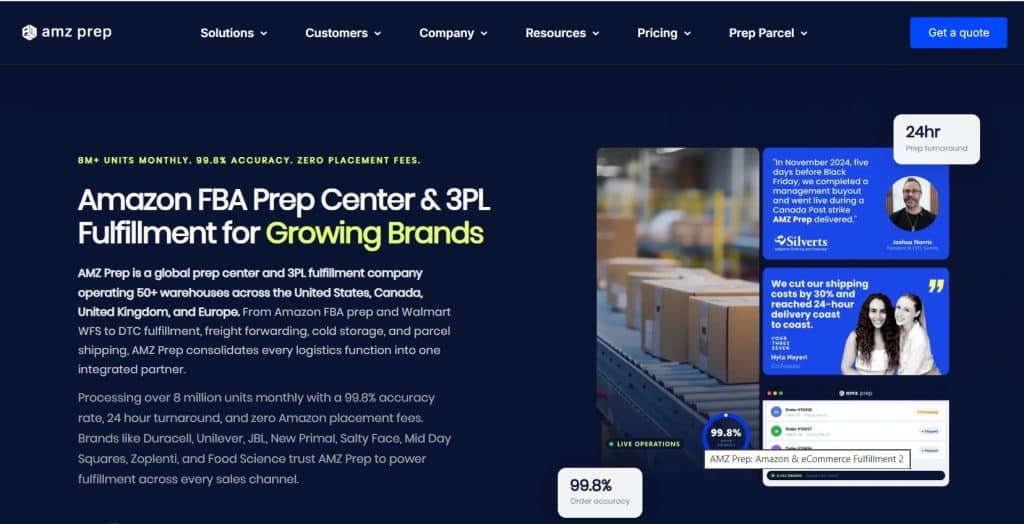
AMZ Prep is built for ecommerce brands that need more than transportation.
Many Amazon sellers struggle because their inventory journey involves several disconnected steps.
They need to:
- Receive products from suppliers
- Prepare inventory for Amazon requirements
- Create shipments
- Move products into Amazon fulfillment centers
- Manage inventory across multiple channels
AMZ Prep combines these operations through one connected workflow.
Its middle mile services help brands move inventory from a warehouse into Amazon FBA using organized shipment planning, consolidation, and transportation support.
Best for:
- Amazon FBA sellers
- DTC brands selling across multiple channels
- Brands that need prep + storage + inbound logistics
- Companies looking to simplify their supply chain
Key capabilities:
- Amazon FBA prep
- Inventory receiving
- Warehousing
- Shipment consolidation
- Middle mile transportation
- Retail and ecommerce fulfillment
- Multi-channel inventory support
Choose AMZ Prep if:
You want one logistics partner that can handle inventory before it reaches Amazon, not just move a truck from one location to another.
2. Pattern – Best for Enterprise Amazon Marketplace Brands

Pattern focuses heavily on marketplace growth and Amazon operations.
For larger brands selling through Amazon, middle mile challenges often involve managing inventory movement at scale.
Pattern’s middle mile solution focuses on helping brands move inventory into Amazon fulfillment centers while reducing operational complexity.
Best for:
- Enterprise Amazon sellers
- Brands with large marketplace operations
- Companies looking for Amazon-specific support
Key capabilities:
- Amazon inbound support
- Inventory movement planning
- Marketplace operations
- Fulfillment support
- Global ecommerce infrastructure
Choose Pattern if:
Amazon is your main marketplace channel and you need a provider focused heavily on marketplace operations.
3. ZonPrep – Best for High-Volume Amazon Sellers
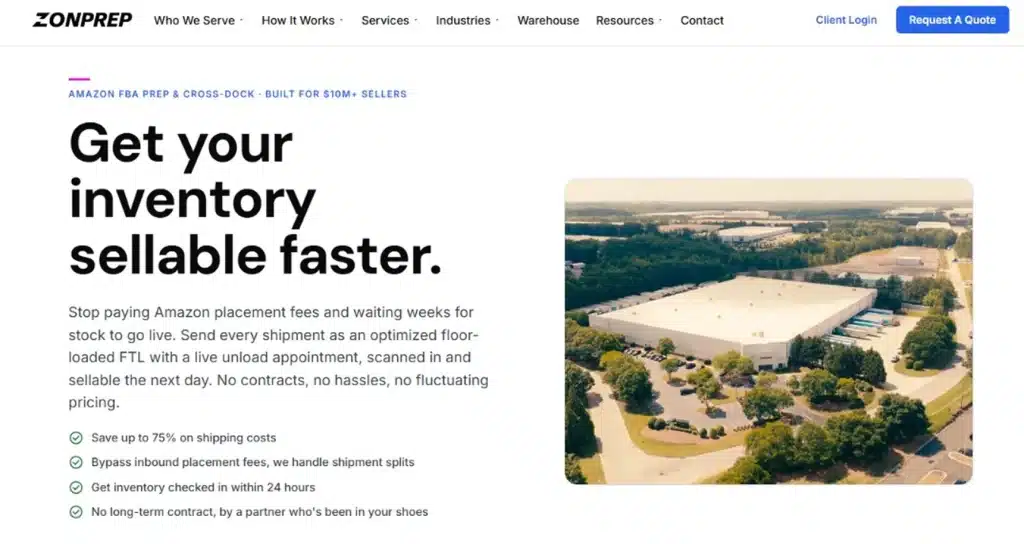
ZonPrep specializes in Amazon-focused fulfillment and preparation.
Amazon sellers often need more than freight transportation.
They need inventory to arrive correctly prepared, labeled, and ready for Amazon receiving.
ZonPrep supports sellers with FBA preparation and inbound logistics workflows.
Best for:
- High-volume Amazon sellers
- Private label brands
- Businesses needing FBA preparation support
Key capabilities:
- FBA prep
- Labeling
- Shipment preparation
- Inventory handling
- Amazon inbound support
Choose ZonPrep if:
Your business depends heavily on Amazon FBA and you need specialized marketplace preparation.
4. RJW Logistics Group – Best for Retail Store Replenishment
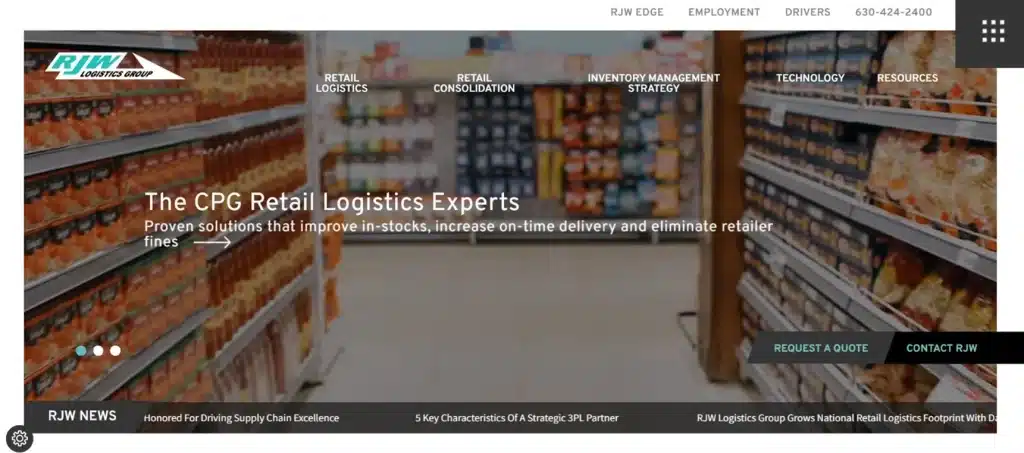
RJW Logistics Group focuses on retail distribution and consumer packaged goods.
Unlike Amazon-focused middle mile providers, RJW is designed around retail networks.
Retail replenishment requires different capabilities.
Brands need to meet:
- Store delivery schedules
- Retail routing requirements
- Distribution center rules
- Inventory timing expectations
Best for:
- Consumer brands
- Grocery companies
- Retail suppliers
Key capabilities:
- Retail distribution
- Store replenishment
- Warehouse operations
- Transportation management
- Retail compliance
Choose RJW if:
Your biggest challenge is getting products into retail stores or retailer distribution centers.
5. ShipBob – Best for Ecommerce Fulfillment Networks
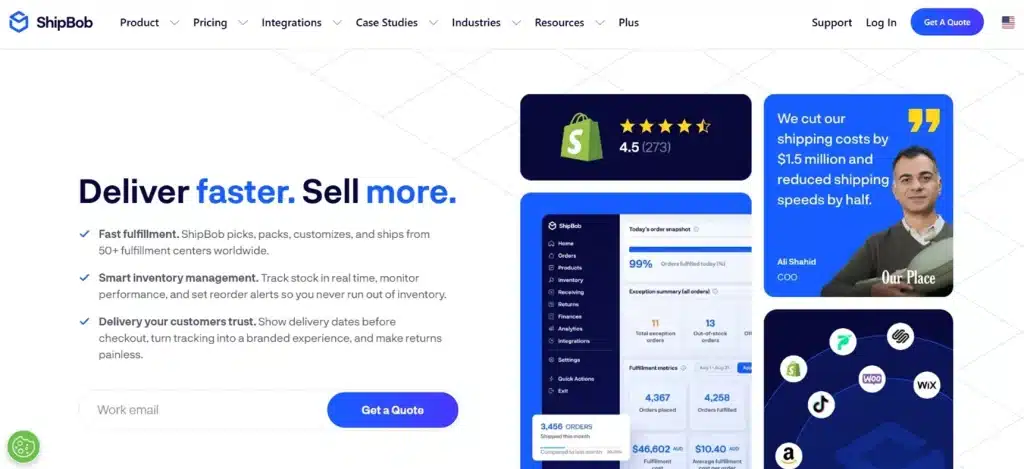
ShipBob helps ecommerce brands distribute inventory through multiple fulfillment locations.
Its network model focuses on placing inventory closer to customers.
This helps brands improve delivery speed while managing ecommerce fulfillment.
Best for:
- DTC brands
- Ecommerce companies
- Subscription businesses
Key capabilities:
- Fulfillment centers
- Inventory distribution
- Order fulfillment
- Ecommerce integrations
- Warehouse transfers
Choose ShipBob if:
Your main goal is improving ecommerce fulfillment speed across customer orders.
6. Amazon Freight – Best for Amazon-Connected Freight Transportation
Amazon Freight provides freight transportation services through Amazon’s logistics network.
It is different from an integrated 3PL.
Amazon Freight mainly focuses on moving freight between locations.
Best for:
- Brands that already manage warehouse operations
- Companies needing freight capacity
- Businesses shipping larger freight volumes
Key capabilities:
- Freight transportation
- Truckload movement
- Shipment visibility
- Amazon-connected logistics
Choose Amazon Freight if:
Your inventory is already prepared and you mainly need transportation support.
7. RXO – Best for Flexible Transportation Solutions
RXO provides transportation services through a large carrier network.
RXO supports brands that need flexible freight movement across different lanes.
Best for:
- Large shippers
- Retail distribution
- Companies needing transportation flexibility
Key capabilities:
- Freight brokerage
- Truckload transportation
- Less-than-truckload solutions
- Managed transportation
Choose RXO if:
You need transportation capacity without requiring a fully integrated ecommerce 3PL.
8. Hub Group – Best for Enterprise Middle Mile Operations
Hub Group supports large-scale supply chains through transportation and logistics services.
Enterprise brands often need middle mile operations that connect suppliers, warehouses, and retail networks.
Best for:
- Large retailers
- Manufacturers
- Enterprise supply chains
Key capabilities:
- Managed transportation
- Intermodal services
- Distribution support
- Supply chain solutions
Choose Hub Group if:
You operate a large supply chain that requires multiple transportation options.
9. Ryder Supply Chain – Best for Integrated Supply Chain Operations
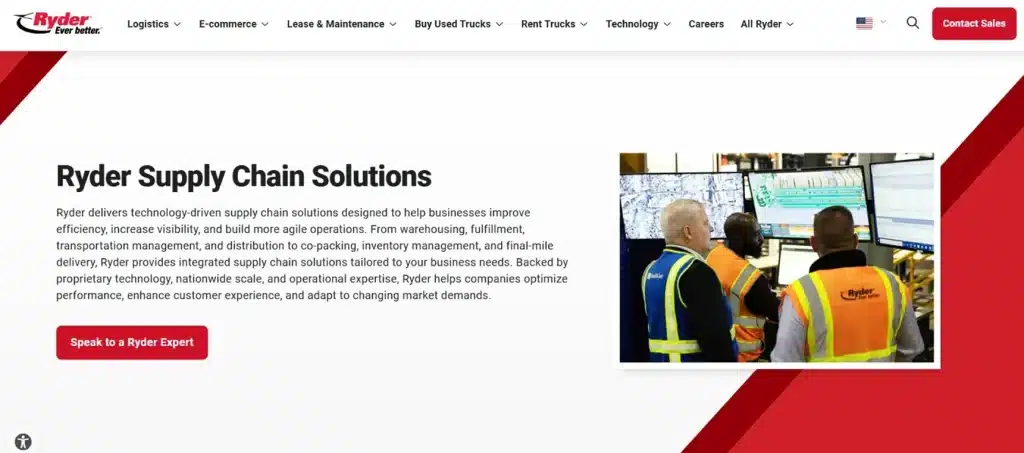
Ryder System provides transportation, warehousing, and supply chain services.
Ryder works with brands that need broader logistics support beyond freight movement.
Best for:
- Enterprise companies
- Manufacturers
- Large distributors
Key capabilities:
- Warehousing
- Transportation management
- Distribution
- Fleet solutions
Choose Ryder if:
You need a large logistics partner for complex operations.
10. XPO Logistics – Best for Large Freight Networks
XPO operates one of the largest transportation networks in North America.
XPO is designed for companies that need reliable freight movement at scale.
Best for:
- Large retailers
- Manufacturers
- High-volume shippers
Key capabilities:
- Less-than-truckload shipping
- Freight transportation
- Distribution networks
- Shipment visibility
Choose XPO if:
Your business requires broad freight coverage and transportation scale.
11. C.H. Robinson – Best for Freight Management
C.H. Robinson helps brands manage freight through a large global logistics network.
It focuses heavily on transportation coordination.
Best for:
- Brands shipping across multiple regions
- Companies needing freight expertise
Key capabilities:
- Freight brokerage
- Transportation management
- Global logistics
- Carrier coordination
Choose C.H. Robinson if:
You need help managing multiple freight routes and transportation partners.
12. J.B. Hunt – Best for Multimodal Transportation
J.B. Hunt Transport Services provides transportation services across multiple shipping methods.
Its network supports businesses moving large volumes across the country.
Best for:
- Large manufacturers
- Retail supply chains
- National distribution
Key capabilities:
- Truckload shipping
- Intermodal transportation
- Logistics management
Choose J.B. Hunt if:
Your supply chain requires multiple transportation options.
13. DHL Supply Chain – Best for Global Logistics Operations
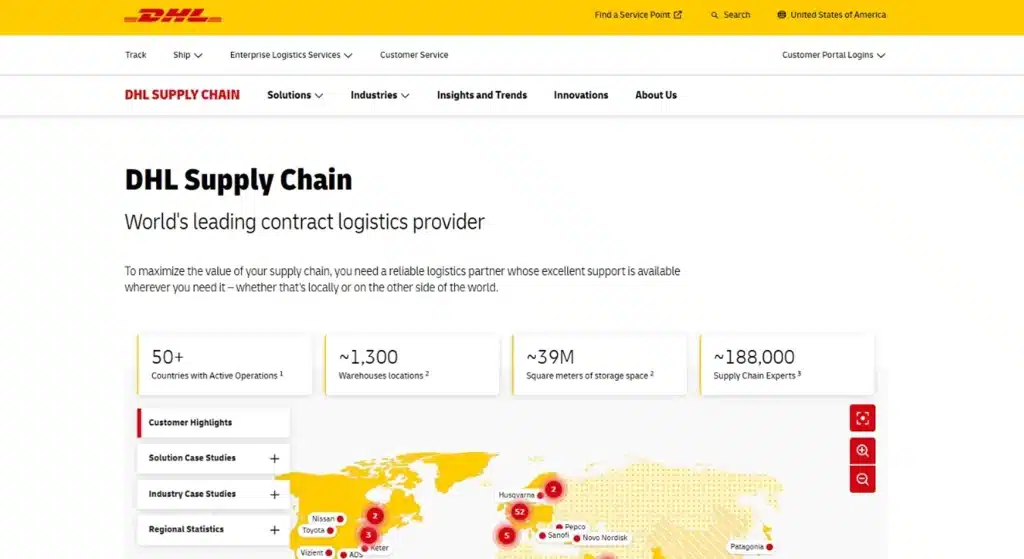
DHL Supply Chain supports international and enterprise supply chains.
Its services cover warehousing, transportation, and distribution.
Best for:
- Global brands
- International supply chains
- Enterprise businesses
Key capabilities:
- Warehousing
- Transportation
- Global distribution
- Supply chain management
Choose DHL if:
Your operations extend across multiple countries and regions.
14. GXO Logistics – Best for Contract Logistics and Warehouse Operations
GXO Logistics focuses on large-scale warehouse operations and supply chain management.
For many brands, the middle mile is connected closely with storage and inventory handling.
GXO helps companies manage products before they move into retail, ecommerce, or distribution networks.
Best for:
- Large ecommerce companies
- Retail brands
- Manufacturers
Key capabilities:
- Warehouse management
- Distribution operations
- Inventory handling
- Contract logistics
- Supply chain technology
Choose GXO if:
Your business needs a large logistics partner that can manage warehouse operations and distribution together.
15. FedEx Supply Chain – Best for Distribution Infrastructure
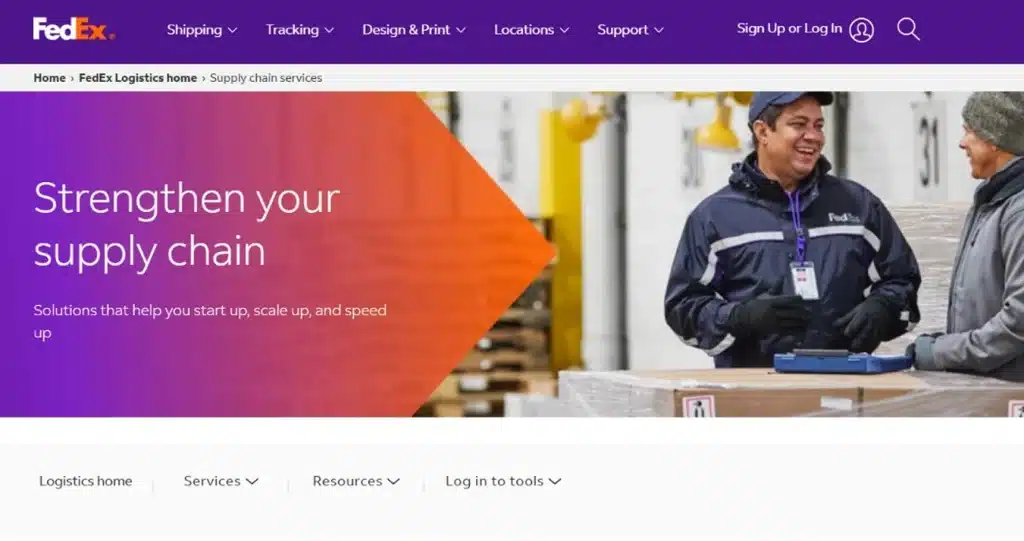
FedEx Supply Chain provides warehousing, transportation support, and distribution services.
While many people know FedEx for parcel shipping, its supply chain division supports larger business logistics needs.
Best for:
- Brands needing established infrastructure
- Companies with complex distribution needs
Key capabilities:
- Warehousing
- Fulfillment
- Distribution
- Returns management
- Transportation support
Choose FedEx Supply Chain if:
You want a logistics partner backed by a large transportation network.
16. Flexport – Best for Global Supply Chain Visibility
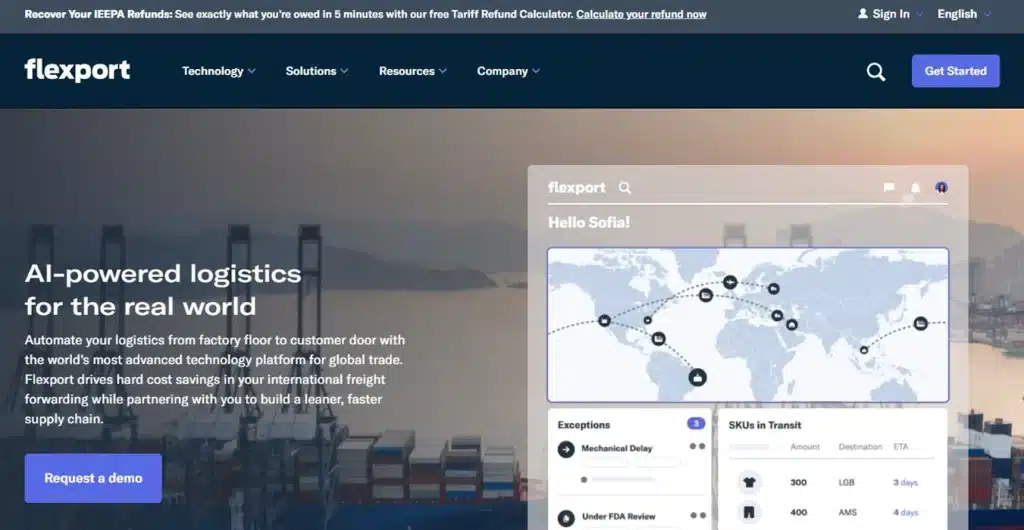
Flexport focuses on helping brands manage international supply chains.
For global sellers, the middle mile often begins after imported inventory reaches domestic warehouses.
Flexport helps connect transportation, freight visibility, and supply chain management.
Best for:
- International brands
- Importers
- Global ecommerce companies
Key capabilities:
- Freight forwarding
- Supply chain visibility
- Shipment tracking
- Global logistics management
Choose Flexport if:
Your biggest challenge is understanding and managing international inventory movement.
17. Locus – Best for Logistics Technology and Optimization
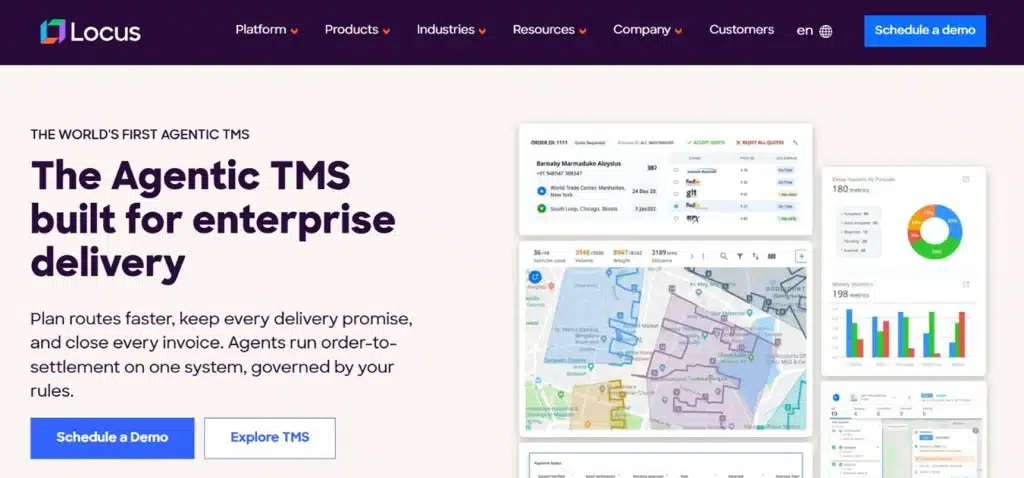
Locus is different from traditional middle mile logistics companies.
It focuses on logistics software rather than directly operating warehouses or transportation networks.
Its platform helps businesses optimize routes, planning, and delivery operations.
Best for:
- Companies building internal logistics systems
- Enterprises needing better visibility
Key capabilities:
- Route optimization
- Logistics automation
- Planning tools
- Data-driven operations
Choose Locus if:
You already have logistics operations and need technology to improve efficiency.
18. Lineage Logistics – Best for Food and Cold Chain Middle Mile
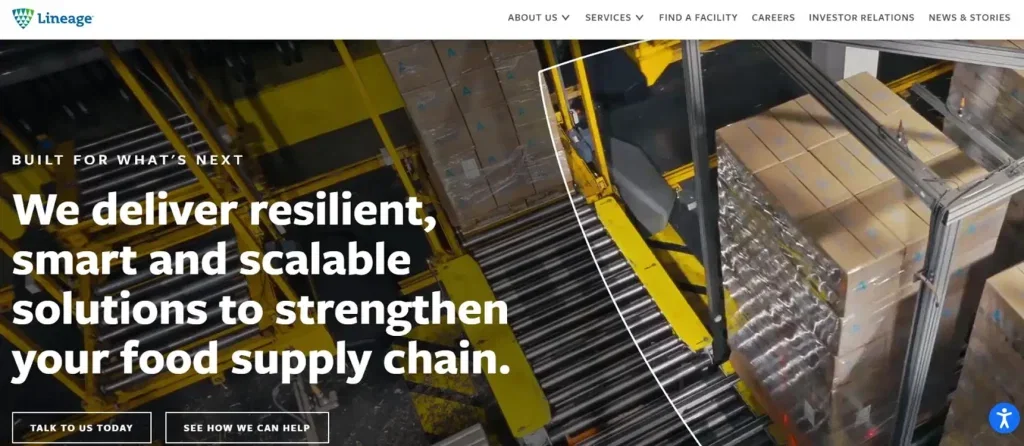
Lineage Logistics specializes in temperature-controlled supply chains.
Food and beverage brands often need specialized middle mile solutions because products require controlled storage and transportation.
Best for:
- Food brands
- Beverage companies
- Frozen products
Key capabilities:
- Cold storage
- Temperature-controlled transportation
- Food distribution
- Inventory management
Choose Lineage if:
Your products require cold chain handling throughout the supply chain.
19. Americold – Best for Temperature-Controlled Distribution
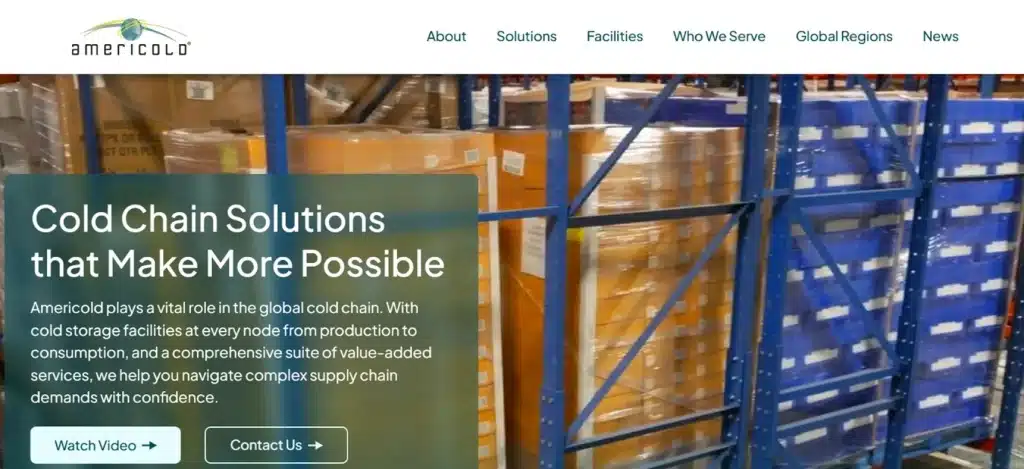
Americold Logistics provides cold storage and logistics services for temperature-sensitive products.
Its network supports companies moving food products through refrigerated supply chains.
Best for:
- Frozen food brands
- Refrigerated products
- Food manufacturers
Key capabilities:
- Cold storage
- Refrigerated distribution
- Food logistics
- Supply chain support
Choose Americold if:
Your inventory requires temperature-controlled storage and transportation.
Which Middle Mile Provider Should You Choose?
The best middle mile logistics company depends on where your products are going and what support you need.
A provider that works well for Amazon FBA may not be the best choice for retail store replenishment.
Different supply chains need different solutions.
Best Middle Mile Providers for Amazon FBA
If your main goal is moving inventory into Amazon fulfillment centers, prioritize providers that understand Amazon requirements.
Look for:
- FBA preparation experience
- Shipment planning support
- Inventory consolidation
- Amazon receiving requirements
- Multi-location inbound experience
Strong options include:
AMZ Prep
Best for brands that need:
- FBA prep
- Storage
- Shipment consolidation
- Middle mile transportation
- Multi-channel fulfillment
Pattern
Best for:
- Large Amazon marketplace brands
- Enterprise ecommerce operations
ZonPrep
Best for:
- Amazon sellers needing specialized FBA preparation
Amazon Freight
Best for:
- Brands that already manage preparation and only need freight transportation
Best Middle Mile Providers for Retail Store Replenishment
Retail supply chains work differently from marketplace fulfillment.
Retailers often require:
- Scheduled deliveries
- Distribution center appointments
- Store compliance
- Inventory accuracy
- Consistent replenishment
Strong options include:
RJW Logistics
Good fit for:
- Consumer packaged goods
- Retail store delivery
- Grocery brands
Hub Group
Good fit for:
- Enterprise retail networks
- Large distribution operations
Ryder
Good fit for:
- Brands needing warehouse and transportation support
DHL Supply Chain
Good fit for:
- Global retail operations
Best Middle Mile Solutions for Omnichannel Brands
Many modern brands sell through multiple channels.
They may have:
- Amazon FBA
- Walmart
- Shopify
- Retail stores
- Wholesale customers
For these brands, the challenge is not only transportation.
The challenge is keeping inventory connected across every channel.
An effective omnichannel middle mile solution should support:
- Shared inventory pools
- Flexible fulfillment
- Warehouse transfers
- Marketplace requirements
- Retail compliance
Providers such as AMZ Prep, ShipBob, GXO, and DHL Supply Chain can support different parts of these workflows.
How Do You Get Inventory Into Amazon FBA Faster Without Paying Placement Fees?
Amazon sellers often face a difficult choice.
They can send inventory to multiple Amazon fulfillment centers themselves, or they can pay Amazon placement fees for simpler shipment routing.
A strong middle mile provider can help brands manage this process more efficiently.
The goal is to create a smoother path:
Supplier → 3PL warehouse → Shipment preparation → Amazon fulfillment centers
Instead of managing every step separately, brands can use a logistics partner to:
- Receive inventory
- Prepare shipments
- Organize destinations
- Consolidate freight
- Coordinate transportation
Ways Middle Mile Providers Help Reduce Amazon FBA Delays
1. Better Shipment Planning
Amazon inbound shipments require accurate planning.
A provider familiar with Amazon can help avoid mistakes that delay receiving.
2. Inventory Consolidation
Instead of sending many small shipments, brands can consolidate inventory through a warehouse.
This can reduce unnecessary freight movement.
3. Faster Processing
A warehouse that already handles Amazon shipments can move inventory faster.
The process becomes:
Receive → Prep → Ship
instead of:
Receive → Find another provider → Prepare → Arrange transportation.
4. Better Visibility
A strong middle mile solution gives brands visibility into:
- Inventory status
- Shipment progress
- Delivery timelines
- Warehouse activity
What Should You Look for in a Middle Mile Delivery Service?
Before choosing a provider, ask these questions.
Do they understand your sales channels?
Amazon, retail, and DTC brands have different requirements.
Do they offer more than transportation?
A carrier only moves freight.
A strong 3PL can support preparation, storage, and fulfillment.
Can they scale with your growth?
Your needs may change from:
10 pallets per month
to:
10 truckloads per week.
Your provider should support that growth.
Do they provide shipment visibility?
You should know:
- Where inventory is located
- When shipments leave
- When destinations receive products
Can they handle your product category?
Different products require different capabilities.
Examples:
- Food requires compliance and temperature control.
- Oversized products need special handling.
- Retail products need strict delivery requirements.
How Much Does Middle Mile Logistics Cost?
There is no fixed price for middle mile delivery services.
Costs depend on several factors:
Freight Volume
More inventory usually changes pricing.
Distance
Longer routes generally cost more.
Shipment Type
Full truckload and smaller shipments have different pricing models.
Handling Requirements
Storage, prep, labeling, and consolidation can affect total costs.
Destination Requirements
Amazon fulfillment centers and retail locations may have different requirements.
The lowest transportation quote is not always the lowest total cost.
Brands should consider:
Total middle mile cost = transportation + handling + storage + delays + operational complexity
Final Thoughts: Choosing the Right Middle Mile Provider
The right middle mile partner depends on your supply chain.
Amazon sellers need providers that understand marketplace inbound.
Retail brands need providers that understand store and distribution center requirements.
Large enterprises need providers that can manage complex transportation networks.
Before choosing a provider, focus on more than freight rates.
Look at:
- Experience
- Technology
- Warehouse capabilities
- Transportation coverage
- Industry knowledge
For growing ecommerce brands, a connected middle mile solution can make inventory movement faster, simpler, and easier to manage.
The best provider is the one that fits your business today and can support where you are going next.
Frequently Asked Questions About Middle Mile Logistics Companies
What are middle mile logistics companies?
Middle mile logistics companies move inventory between supply chain locations, such as warehouses, Amazon fulfillment centers, retail distribution centers, and other facilities. They help businesses manage inventory movement before the final customer delivery.
What is the difference between a middle mile carrier and a 3PL?
A middle mile carrier mainly transports freight. A 3PL can manage additional services such as storage, preparation, inventory handling, and transportation coordination.
Which middle mile provider is best for Amazon FBA?
The best provider depends on your business size and requirements. Amazon-focused providers such as AMZ Prep, Pattern, and ZonPrep are designed around marketplace inbound operations.
Which middle mile provider is best for retail replenishment?
Retail-focused providers such as RJW Logistics, Hub Group, Ryder, and DHL Supply Chain are designed for retail distribution networks.
Can a middle mile provider help reduce Amazon placement fees?
A middle mile provider can help brands organize inventory movement and shipment planning. However, placement fee outcomes depend on Amazon’s current inbound options and shipment requirements.

Chadwick Collins is an Enterprise Fulfillment Consultant at AMZ Prep, where he partners with high growth ecommerce brands to design and scale Amazon first logistics strategies. He brings extensive experience in freight, supporting brands across domestic and cross border transportation, routing optimization, and cost control.
At AMZ Prep, Chadwick works closely with enterprise clients to improve inventory flow, reduce landed costs, and accelerate delivery performance across North America. His expertise spans FBA, DTC, and B2B fulfillment, with a strong focus on aligning freight strategy with overall supply chain efficiency. He helps brands navigate complex logistics challenges while turning operations into a competitive advantage.
















Comments