
April didn’t feel like a turning point while it was unfolding. Nothing stood out as a defining moment that made sellers immediately pause and reassess. There wasn’t a single announcement or headline that clearly split things into a “before” and “after.”
But when all of it is laid out together, April 2026 starts to look very different.
This was the month Amazon quietly reset the operating system.
A trickle of changes becomaing a ocean.Costs, cash flow, pricing, advertising, and infrastructure all shifted in ways that reinforce each other. The result is a platform that feels more controlled, more efficient, and noticeably less flexible than before.
For sellers, that shift is not theoretical. It shows up in margins, in cash flow, and in how decisions need to be made day to day.
As costs increase and systems become tighter, understanding your Amazon seller profit margins is no longer optional.
Amazon FBA Fees April 2026: The Small Surcharge That Scales Fast
The 3.5 percent fuel and logistics surcharge is easy to brush off at first.
On paper, it looks like a temporary adjustment tied to rising fuel costs and global shipping pressure. It is applied to fulfillment fees, not the total sale price, and for many products it translates to something like a few extra cents per unit.
That is exactly why it is easy to underestimate.
Because this is not about one unit. It is about all of them.
A seller moving 10,000 units a month might notice it. A seller moving 100,000 units feels it. At scale, even a small increase becomes a line item that cannot be ignored. What used to be a stable fulfillment cost is now a moving target.
The more important detail is not the amount. It is the logic behind it.
Amazon has shown that fees can now adjust based on real-world conditions. Fuel prices rise, costs adjust. Shipping lanes get disrupted, fees follow. This introduces something sellers have not had to deal with in a long time inside FBA.
Uncertainty.
Forecasting used to be cleaner. You could model fulfillment costs months ahead with confidence. Now, part of that model depends on factors outside the business entirely.
That changes how pricing decisions are made. It changes how margins are protected. And over time, it changes how comfortable a seller feels relying entirely on FBA.
Programs like Amazon Seller Flex highlight how sellers are balancing control with Amazon’s infrastructure.
Amazon Fee Structure 2026: Why It Feels Tighter Even Without One Big Increase
The surcharge did not land in a vacuum.
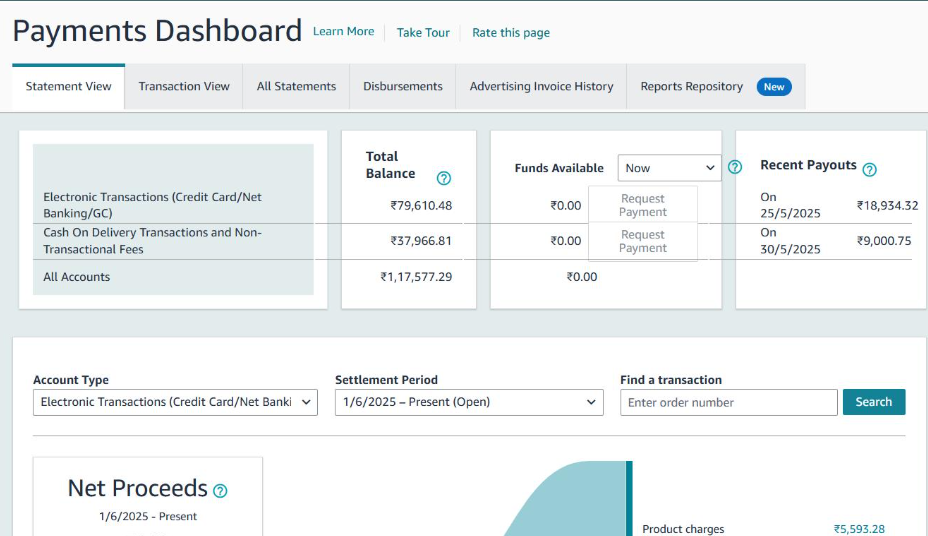
It stacked on top of a fee environment that had already been tightening since the start of the year. Inbound defect fees were simplified but made more direct. Inventory aging became more granular. Low inventory penalties moved down to the SKU level.
None of these changes, on their own, feel dramatic.
But together, they create a system… A system that punishes inefficiency
Holding too much inventory ties up capital and increases storage costs. Holding too little risks stockouts and lost ranking. Sending shipments incorrectly triggers defect fees. And now, every unit costs more to move through the network.
This is what margin compression actually looks like in 2026.
Not one big hit, but multiple smaller pressures that stack together.
The sellers who feel it the most are not always the ones doing poorly. It is often the ones running at scale, where small inefficiencies multiply quickly.
The system rewards precision now more than ever.
Expanding into new markets comes with added complexity, especially when it comes to compliance and logistics. If you’re dealing with regulated products, understanding shipping supplements to Canada becomes critical.
Amazon Inventory Management April 2026: When Inventory Stops Being Neutral
Inventory used to feel like a safety net.
More stock meant fewer stockouts. It meant being ready for demand spikes. It gave sellers a sense of control.
That thinking does not hold up as well anymore.
The meltable inventory deadline in April is a simple example. If products are not removed in time, they can be disposed of. That is not new, but enforcement has become more consistent. There is less flexibility built into the system.
Beyond meltables, the broader trend is clear.
Inventory that sits too long is no longer neutral. It actively costs money.
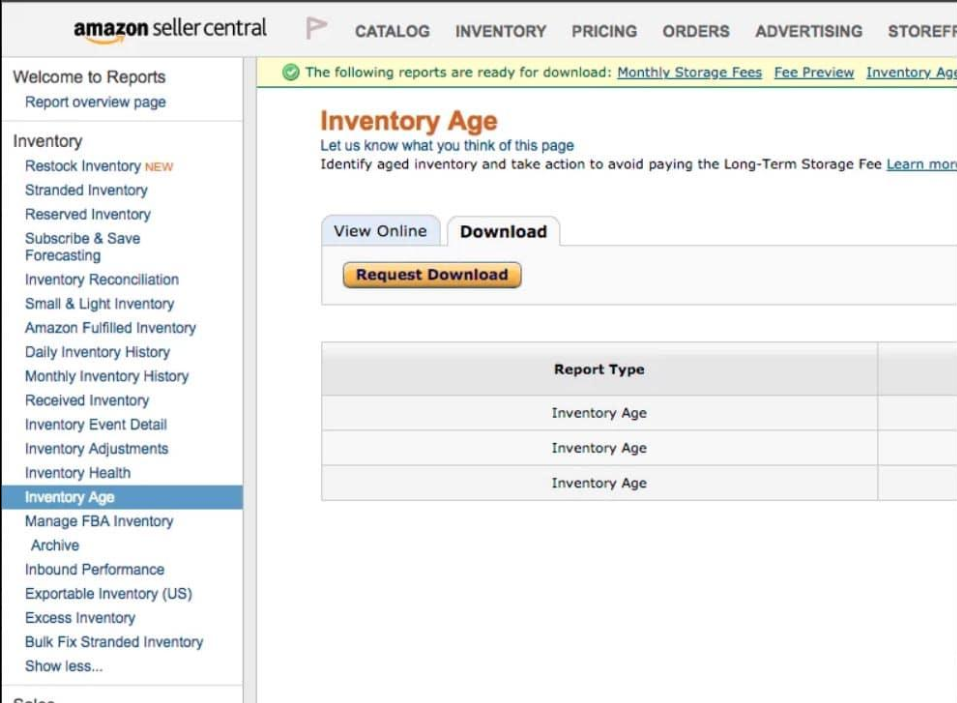
Storage fees increase over time. Aging tiers extend those costs further. When products sit too long without selling, they start costing more to keep.
So the focus shifts. It’s not just about having stock ready, it’s about selling it faster.
What really matters is how quickly your inventory moves.
To do that, you need better planning. You have to predict demand more accurately, work closely with suppliers, and be more sure about what will sell. Guessing can get expensive.
Inventory is no longer just a safety net. It’s about running things efficiently.
Amazon Prime Day 2026 Strategy: Earlier, Faster, Less Forgiving
Moving Prime Day to June might seem like a simple calendar change, but it forces a different kind of preparation.
Everything moves forward.
Inventory has to be ordered earlier. Shipments have to arrive sooner. Promotions need to be locked in ahead of time. Advertising budgets must be set before there is full clarity on demand.
That reduces flexibility.
There is less time to react. Fewer chances to adjust based on real-time data. Decisions have to be made earlier, often with less information.
Amazon’s incentives reinforce this. Lower deal fees for early submissions reward sellers who commit ahead of time.
From Amazon’s perspective, this makes sense. It improves predictability and helps the system run more smoothly.
From a seller’s perspective, it raises the stakes.
Planning matters more. Mistakes cost more. Timing becomes critical.
Amazon Advertising Payments April 2026: The Change That Hits Cash Flow First
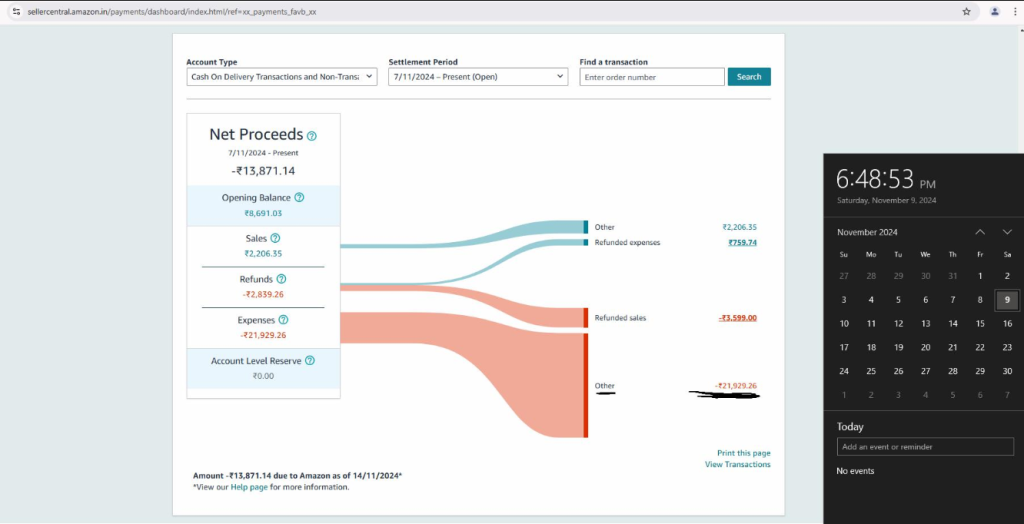
The most meaningful change in April is not a fee. It is how money moves.
Advertising costs being automatically deducted from seller proceeds changes the rhythm of cash flow. Pair that with payouts shifting to seven days after delivery, and the effect becomes clear.
Money leaves the business sooner and arrives later.
That gap matters.
Many sellers relied on credit cards to manage ad spend. It created a buffer. Spend now, pay later. That flexibility allowed for aggressive scaling without immediate cash pressure.
Auto-deduct removes that buffer.
Now, ad spend directly reduces available funds before payouts are received. For businesses running high ad budgets, this creates a noticeable squeeze.
Growth starts to feel different.
It is no longer just about finding opportunities. It is about having the cash to support them.
This is where the shift becomes real.
Not in theory, but in day-to-day operations.
Amazon Seller Boycott April 2026: A Reaction That Says More Than It Lasted
The advertising boycott on April 15 did not last long.
But it did not need to.
What mattered was that it happened at all.
When large sellers pause spend, even briefly, it signals something deeper than frustration. It signals that the economics are changing in a way that cannot be ignored.
This was not just about one policy or one fee.
It was about the accumulation of changes.
Sellers are starting to see the system as a whole. Fees, ads, payouts, inventory, all connected. When pressure increases in multiple areas at once, the impact compounds.
The boycott was a moment where that pressure became visible.
Amazon Pricing Policy April 2026: When Discounts Have to Be Real
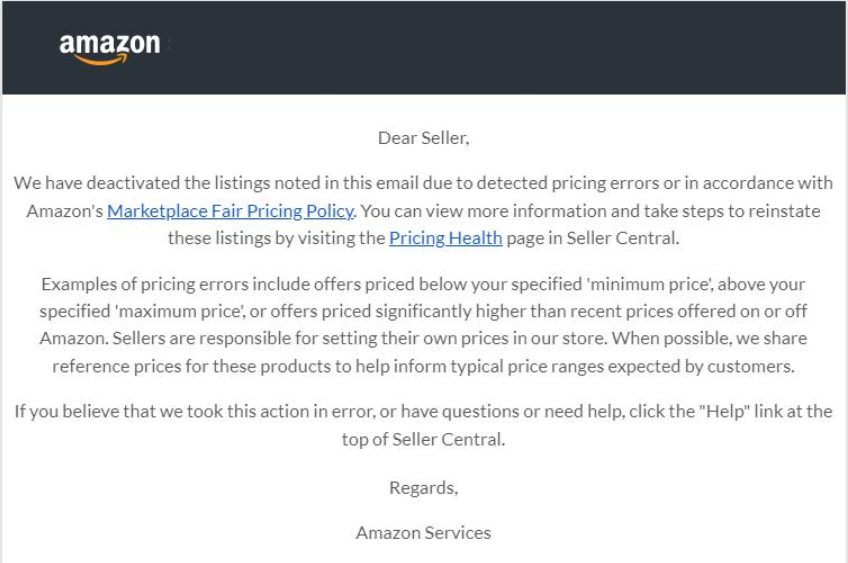
Pricing on Amazon has always been part strategy, part psychology.
Reference prices, strikethroughs, and “you save” messaging played a big role in driving conversions. They created urgency and made deals feel more compelling.
April changed that.
With stricter list price validation, those reference points now need to be backed by real data. External retailer pricing or actual transaction history.
If that validation is not there, the reference price disappears.
That changes how products are perceived.
Without a visible discount, the same price can feel less attractive. Conversion rates can drop, even if nothing else changes.
This forces a shift.
Pricing strategies need to reflect reality. Discounts need to be genuine. Positioning becomes more important than presentation tricks.
It is a cleaner system, but also a stricter one.
Amazon Rufus April 2026: Shopping Starts to Feel Like a Conversation
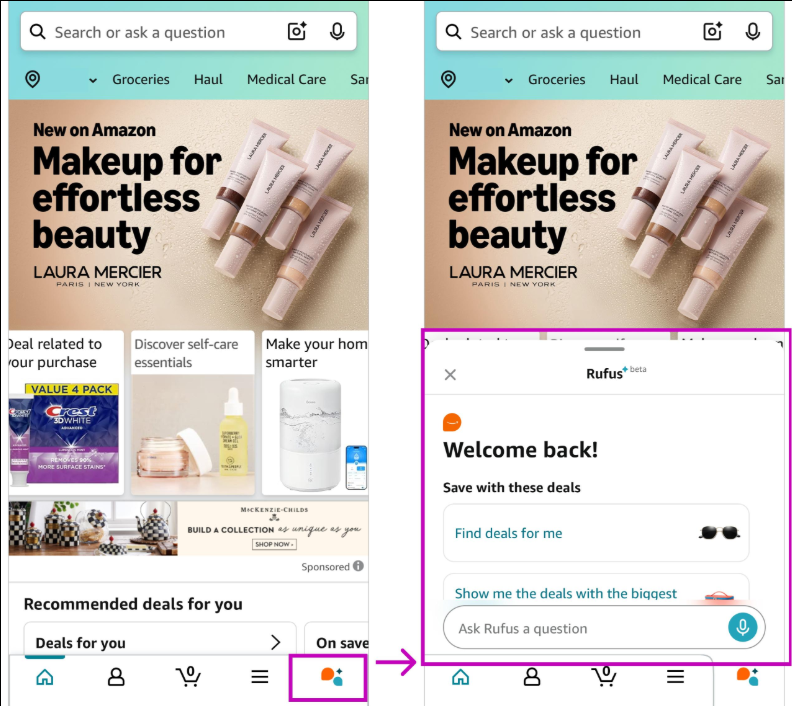
Rufus is where things start to feel different. The Rufus today is tweaked to the point it knows what you are looking for.. For example…. Why does one model cost more than the other even though they have the same specs Rufus now answer like a proper tech youtuber ( But actually useful
Instead of typing in keywords and scrolling through listings, customers can now ask questions and explore products through conversation. It feels more natural, more intuitive.
And that changes how products are discovered.
Search was always about matching keywords. Rufus is about understanding intent.
That shift is bigger than it first appears.
Product discovery isn’t just about keywords anymore. It’s starting to lean more on context. What people mean is becoming just as important as what they type. With sponsored prompts, brands can now show up inside conversations instead of just sitting in search results.
That changes the game a bit.
It’s not just about ranking number one for a keyword and calling it a day. Now it’s about showing up when it actually makes sense in a customer’s journey. If your product fits the situation, you win. If it doesn’t, ranking alone won’t save you.
That means better data, clearer messaging, and actually understanding what your customer is trying to solve. The margin for guesswork is shrinking.
Amazon Advertising Tools April 2026: Less Button-Clicking, More System Thinking
Amazon’s ad tools are clearly moving in one direction.There’s less manual work now, and more automation handling the heavy lifting.
There is less manual work now, and more automation doing the hard parts.
Tools help you see the full picture, even if you manage many brands or places. Other tools help you make ads faster. AI also helps improve ads in the background.
So what does this mean for advertisers?
It means their job is changing. They don’t have to control everything. They just need to set things up well and let the system help.
With automation becoming the standard, investing in the right ecommerce shipping software can significantly reduce manual workload.
You’re not really “managing” every little detail anymore. You’re guiding the system. Setting things up properly. Feeding it the right inputs. Then stepping back and focusing on strategy instead of constantly tweaking bids.
It’s more efficient, sure. But it’s also a different kind of work.
You need to understand how the system behaves, not just how to operate it.
Amazon AI Strategy April 2026: Playing the Long Game
While all of this is happening on the surface, something bigger is going on behind the scenes.
Amazon is spending a lot of money on AI. It’s not just to make its store better, but to build the base that future tools will use.
This is similar to what happened with cloud computing.
At the time, not everyone saw where it was going. Now it’s obvious. Amazon positioned itself right in the middle of it.
Same idea here.
They’re not chasing short-term returns. They’re putting money into something that could define the next phase of tech. That’s why you see pressure on things like free cash flow. It’s intentional.
Amazon Satellite Strategy April 2026: Building Beyond the Usual Limits
The satellite move might sound random at first, but it fits the pattern.
Amazon isn’t just expanding. It’s trying to control more of the foundation.
Direct-to-device connectivity means reaching users in places that were harder to access before. Fewer limitations, more reach.
It’s another layer in the system they’re building.
And when you zoom out, it’s pretty clear. They’re not just participating in the ecosystem. They’re trying to own more of it.
Amazon Devices April 2026: Quiet but Powerful
Devices like Alexa don’t get a lot of attention, but they are still important.
They help people use Amazon more often without thinking about it. Small daily actions add up.
Check the weather. Set a reminder. Buy something again.
These actions matter.
They collect data, help give better suggestions, and keep people using Amazon. Over time, it becomes a normal habit.
And the more it becomes a habit, the harder it is to stop using it.
Many sellers are shifting toward structured workflows like Amazon Buy Shipping to stay compliant and efficient.
Amazon Operations April 2026: Tightening Things Up
Layoffs and store closures aren’t new, but they do tell you something.
Amazon is focusing more.
They’re pulling back from areas that aren’t delivering and doubling down on the ones that are, especially AI and infrastructure.
This is what mature companies do.
It’s less about trying everything and more about being selective. Putting resources where they actually move the needle.
Amazon April 2026 Conclusion: It’s Getting More Structured
April did not feel very big or dramatic at the time, but many small changes were happening quietly in the background.
There was no single moment where everything changed all at once. Instead, things were slowly shifting step by step.
Even though it was not obvious right away, a lot was moving in the same direction.
Many parts of the system were changing together, becoming more connected and more organized over time.
For sellers, that means stepping up.
You need tighter operations. Better numbers. Clearer positioning.
It’s not necessarily harder, but it is less forgiving.
The system is becoming more defined.
And usually, the people who figure that out early are the ones who come out ahead.


















Comments