You send out a truck with your latest shipment, only to open the container and find products scattered everywhere. Boxes are crushed, products are broken, and your profits just disappear. This happens every day because businesses skip one simple step – proper dunnage.
Poor cargo protection causes over $50 billion in shipping damage each year. Most of this damage could be prevented with the right dunnage system.
But what is dunnage exactly? And how can it save your business thousands of dollars?
This guide will walk you through everything you want to know about dunnage so your cargo arrives in perfect condition.
Understanding Dunnage Terms
What is Dunnage Meaning?
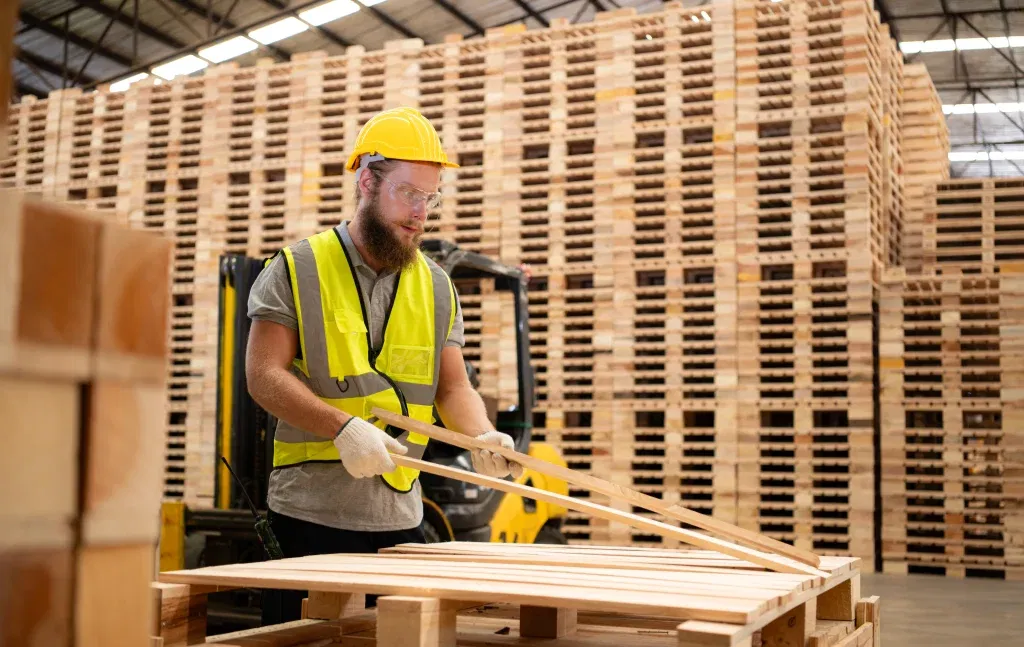
Dunnage is a material used to protect, separate, or secure cargo during transport and storage. It keeps products safe from bumps, moisture, and shifting during their journey. The dunnage definition encompasses any material that provides protection and stability for goods in transit.
What is dunnage in shipping?
In ocean freight, dunnage prevents cargo from shifting in containers during rough seas. Salt air and humidity can destroy products, so dunnage helps act as a barrier. Ship containers face extreme conditions for weeks at a time. Without proper protection, your goods become expensive scrap metal.
Maritime dunnage also helps with weight distribution. Ships need balanced loads to stay stable in rough weather. Smart dunnage placement keeps containers from becoming dangerous during storms.
Dunnage for trucking serves a different purpose. Trucks stop and start constantly, creating momentum that throws cargo around. Highway vibrations can slowly damage sensitive products over hundreds of miles. Proper truck dunnage absorbs these impacts and keeps loads secure.
But here’s what most people miss: Trucking dunnage must meet DOT safety regulations. Improperly secured loads can cause accidents or hefty fines. Many businesses even pay more than $15,000 penalties for poor load securing practices.
Warehouse dunnage focuses on long-term storage protection. Products might sit for months before shipping. Dust, pests, and humidity can ruin inventory during storage. Good dunnage systems create clean, organized storage that protects your investment.
Essential Dunnage Types
Different types of dunnage serve specific purposes in protecting cargo during transit. Let’s look into the dunnage types that help you with shipping your products.
Understanding types of dunnage materials is crucial for logistics professionals.
Wood Dunnage
Dunnage lumber remains popular because it’s strong, cost-effective, and works everywhere. Wood dunnage is one of the most traditional dunnage materials used in the shipping industry.
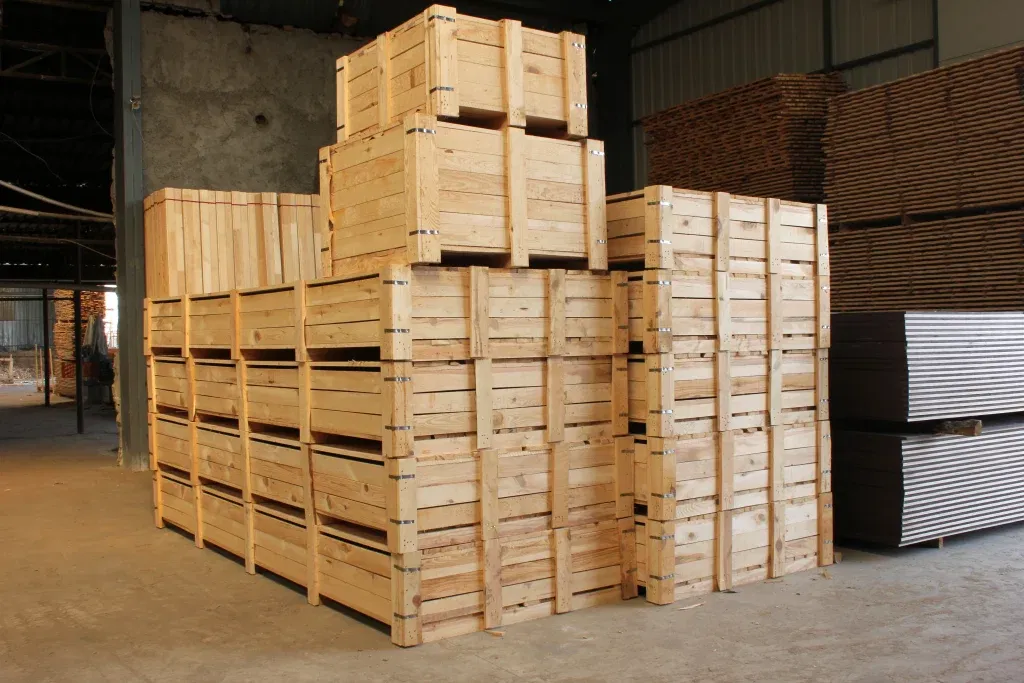
- Softwood lumber – Cheap and works well for most cargo
- Hardwood lumber – Stronger, good for heavy machinery and equipment
- Treated lumber – Resists moisture and bugs, works for longer storage
But lumber has problems. It’s heavy, so your shipping costs go up. Wood can develop pests that spread between your shipments. Some countries ban certain wood types that create customs delays.
Steel Dunnage
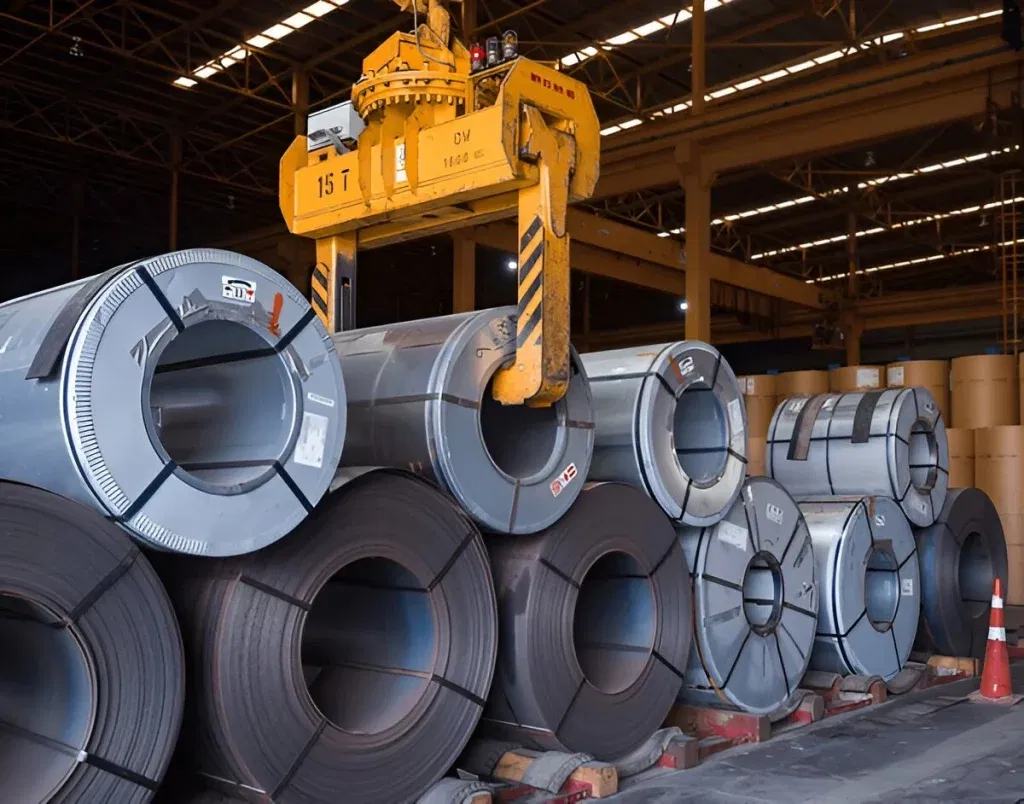
Dunnage steel helps with heavy-duty protection problems. Steel is one of the strongest dunnage materials that handles extreme weights that would crush wood. It works well for machinery, car parts, and construction materials. Steel won’t rot, bend, or attract bugs like wood.
The downside? Steel costs more at the start and makes shipments heavier. But for high-value shipping, the protection justifies the expense.
Modern materials are changing the world of dunnage completely.
Plastic dunnage protects better and is easier to use. It’s lightweight, doesn’t get water damage, and lasts for years. Plastic doesn’t attract bugs or rot like wood does. Many plastic options interlock for custom-fit protection.

The automotive industry loves plastic dunnage because it’s clean and precise. Electronics companies use it because plastic doesn’t create dust or debris. Food businesses prefer it because plastic meets sanitation requirements.
Dunnage paper works great for void filling and light cushioning. Paper dunnage costs very little and biodegrades naturally. It works for Amazon FBA packaging, which requires materials that are better for the environment.
Kraft paper dunnage works for most cushioning needs. Corrugated paper gives extra protection for breakable items. Some paper dunnage includes moisture barriers for climate protection.
Dunnage air bags provide instant, custom-fit protection. These inflatable cushions expand to fill any space perfectly. They’re lightweight before inflation but provide serious protection when needed.
Air-Based Solutions
Dunnage bags provide instant, custom-fit protection. These inflatable cushions expand to fill any space perfectly. They’re lightweight before inflation but provide serious protection when needed. Air pillows are a popular dunnage option for void filling applications.
Air bags work great for irregular-shaped cargo that traditional dunnage can’t protect. They adjust to different load sizes without buying new materials. Many bag systems reuse the same bags multiple times.
Specialized Systems
Packaging integrates protection directly into your shipping containers. This removes extra dunnage steps and speeds up packing. Custom packaging often has dunnage features already built in.
Dunnage box systems are containers you can use again and again with protection built in. They stack without problems and keep contents safe automatically. You’ll pay more upfront but the savings add up after shipping thousands of times.
Dunnage systems combine multiple materials for complete protection. Smart systems use different types of dunnage for different protection needs. They might combine foam dunnage with rigid blocking and moisture barriers.
Note: To know more about the requirements, read the blog on the guidelines on custom product packaging.
Quick Comparison: Choosing the Right Type of Dunnage
| Dunnage Type | Best For | Cost | Reusable | Weight | Weather Resistance |
|---|---|---|---|---|---|
| Lumber | General cargo, heavy items | Low | Limited | Heavy | Poor |
| Steel | Heavy machinery, extreme loads | High | Excellent | Very Heavy | Excellent |
| Plastic | Electronics, automotive, food | Medium | Excellent | Light | Excellent |
| Paper | Void fill, light cushioning | Very Low | No | Very Light | Poor |
| Air Bags | Irregular shapes, custom fit | Medium | Good | Very Light | Good |
Quick Selection Guide:
- Budget-conscious? Choose lumber or paper dunnage
- Heavy cargo? Go with steel or lumber dunnage
- Long-term use? Pick plastic or steel systems
- Weight limits? Use paper or air bag solutions
- Weather exposure? Select plastic or steel options
Dunnage Equipment: The Tools That Make It Work
Storage and organization equipment are the backbone of any dunnage operation you choose.
What is a dunnage rack?
A Dunnage rack is a raised platform that keeps materials off the ground and organized. Warehouse operations need systematic dunnage storage to work efficiently. Warehouse management becomes much easier with proper rack systems.

Dunnage racks come in countless configurations for different needs. Fixed racks work for permanent storage locations. Mobile racks move materials where you need them. Adjustable racks adapt to changing inventory sizes.
Dunnage rack aluminum offers the perfect balance of strength and weight. Aluminum racks don’t rust in humid places. They’re strong enough for heavy materials but light enough to move around. Food-grade aluminum racks meet cleanliness standards for food facilities.
Steel racks are cheaper but rust when wet. Plastic racks work for light materials but break under heavy loads. Aluminum splits the difference and works in most situations.
Weight capacity matters more than most people realize. Overloaded racks collapse and damage inventory. It is recommended to buy racks rated for 150% of your maximum load. Safety margins prevent you from expensive accidents.
Production equipment helps create custom dunnage solutions.
Dunnage machine systems produce protection materials on-demand. Paper dunnage machines create void fill from kraft paper rolls. This eliminates storage needs for pre-made materials.
Air bag inflation systems prepare protective cushions quickly. Some systems blow up hundreds of bags every hour for busy operations. Automatic inflation keeps pressure the same for consistent protection.
Cutting and shaping equipment makes dunnage fit specific products. Foam cutters create cushioning that fits exactly. Wood cutting equipment cuts lumber to the right size.
Smart Applications: Matching Dunnage to Your Needs
Dunnage for Flatbed Trucks
Flatbed trucks deal with problems that closed containers don’t. Rain and snow mean you need waterproof materials and strong attachments. Wind at highway speeds can rip loose dunnage right off.
Flatbed dunnage needs to spread weight evenly across the trailer. Too much weight in one spot can damage your trailer or make driving dangerous. Spreading weight properly saves fuel and makes tires last longer.
Blocks and braces keep loads from moving when you brake or turn. Chains and straps need solid dunnage behind them. Steel dunnage works well because it won’t get crushed when pulled tight.
When you put tarps over dunnage, use smooth surfaces. Sharp edges tear tarps fast, so use rounded edges and tight attachments.
Dunnage for Containers and Enclosed Transport
Closed containers have different problems. Moisture builds up on long trips and damages cargo, so you need barriers and moisture absorbers. Air flow helps control humidity inside.
Filling empty spaces matters too. Gaps in partially filled containers let products slide around and crash into each other. Packaging materials and fillers keep cargo from moving.
Products that need certain temperatures require insulation. Insulating dunnage keeps conditions steady, while thermal barriers protect from extreme heat or cold.
Dunnage for Warehouse Operations
Warehouse storage needs careful dunnage planning. Long-term storage requires materials that resist pests and hold up over time. Regular checks and good airflow stop mold, rust, and material breakdown.
Moving inventory matters. Dunnage systems should let you reach items easily so older stock ships first. The good pick and pack operations team will make this process easier.
Fire safety matters when picking materials. Some dunnage catches fire easily or makes toxic smoke. Check local fire rules before choosing dunnage for warehouse storage.
Smart Selection: Choosing Your Perfect Dunnage System
Cargo Analysis
Look at your cargo before buying dunnage. Breakable products need cushioning that absorbs hits. Heavy items need blocking materials that won’t crush. Expensive cargo needs better protection systems to avoid damage claims.
Knowing what you’re shipping helps you pick the right dunnage. Different cargo needs different protection.
Product Shapes
Product shape matters when picking materials. Standard boxes stack easily with regular dunnage, but odd shapes need custom or adjustable systems. Round products roll around without the right cradles.
Surface Sensitivity
Surface type affects which materials work. Soft surfaces scratch easily and need gentle cushioning. Hard surfaces can handle rigid blocking. Make sure cargo and materials don’t react with each other, or you’ll get damaged.
Transportation Method
Different shipping modes demand different dunnage characteristics. Shippers use dunnage differently based on transportation methods.
Ocean shipping battles moisture, corrosive salt, and extended journey times that demand rust-proof materials.
Road transport subjects cargo to constant vibration, shifting temperatures, and multiple loading cycles that test material strength. Trucking and shipping operations must consider DOT compliance requirements.
Air cargo limits weight and dimensions, favoring lightweight options that handlers can move quickly.
Environmental Factors
Your packaging must withstand environmental challenges at every step. Temperature extremes weaken materials through brittleness or softening that compromises safety.
High humidity triggers mold problems, rust formation, and structural decay without adequate protection and ventilation systems. Chemical interactions pose hidden dangers, making material compatibility research absolutely essential.
Cost-Benefit Analysis
You need to balance cost against potential loss. The weak materials save money now but risk more damage. Better materials cost more but often prevent claims. Expensive dunnage can save money long-term if you reuse it.
Dunnage lasts through multiple uses when you take care of it. Labor costs add up. Setup, removal, and disposal all take time. Simpler systems save both time and money. Dunnage is worth the cost when you think about what damage would cost you.
The Role of Dunnage in Modern Logistics
Dunnage is important in shipping today. It used to just fill empty spaces, but now it’s a full cargo protection system. Shipping professionals know dunnage keeps products safe through the whole supply chain.
Shippers rely on dunnage to protect against damage. When you ship valuable or fragile items, the right dunnage gets them there safely. All shipping methods use dunnage because bubble wrap alone isn’t enough.
Dunnage protects goods during shipping like by ocean, truck, or plane. It fills gaps between products and walls so nothing moves and gets damaged.
Dunnage ranges from simple paper filling to complex systems. Some require special handling or setup steps. It can do multiple jobs at once like blocking, bracing, and cushioning.
Knowing what materials work in shipping helps you find the right dunnage. Materials keep changing with new technology and environmental concerns. Each type of dunnage ensures specific protection characteristics that traditional methods cannot provide.
Dunnage is one of the most cost-effective ways to prevent shipping damage. Dunnage like air bags and foam padding offers modern alternatives to traditional lumber. The popular dunnage choice varies by industry, but effectiveness remains the primary concern.
Dunnage to protect your shipments is an investment in customer satisfaction and business reputation. Appropriate dunnage selection requires understanding both product requirements and transportation challenges. Dunnage is a common term in logistics, but its importance cannot be overstated.
One of the most expensive mistakes businesses make is skipping proper dunnage protection. Dunnage is used throughout the supply chain, from manufacturer to end customer. Proper using dunnage techniques can save thousands in damage claims.
Future Trends: Where Dunnage Technology is Heading
Sustainable Solutions Are Reshaping the Industry
- Recyclable materials reduce waste and environmental impact. Many options use recycled content or biodegrade naturally.
- The shipping industry increasingly demands eco-friendly packaging options.
- Circular economy approaches reuse materials multiple times.
- Rental programs and return systems enable refurbishment and reuse.
- Biodegradable options solve disposal problems.
- Plant-based materials break down naturally and work for single-use needs.
Technology Integration Creates Smarter Protection Systems
- IoT sensors track cargo conditions like temperature, humidity, and impacts. Alerts tell operators when protection fails.
- Smart materials respond to conditions. Barriers expand when hot, or cushioning hardens during impacts.
- Automated systems reduce labor costs. Robots install dunnage consistently, while removal systems speed up processing.
- Predictive analytics use machine learning to spot damage patterns. Route analysis helps match dunnage to shipping challenges.
Conclusion
Dunnage isn’t just padding. It protects your profits. Smart businesses invest in proper cargo protection because damaged goods cost too much. When products arrive broken, you lose customers and waste money.
The right dunnage depends on what you need and how you ship. Traditional materials work well for basic protection. Modern materials handle specialized needs. Smart systems use multiple types for complete protection.
3PLs like AMZ Prep have helped businesses save millions in damage claims by using proper dunnage. Skipping this step leads to expensive problems you could have avoided. Don’t let your products get damaged in shipping.
Start by looking at what your cargo needs. Pick materials that match how you transport them and where they go. Test your system with small shipments before going big.
The future brings smarter materials and automated systems. But the basic rule stays the same: protect your cargo or lose money. Use proper dunnage today so your shipments arrive safely.
Frequently Asked Questions
What are the main dunnage types?
The five main types are lumber, steel, plastic, paper, and air bags. Each type works best for different cargo protection needs.
How do I choose between lumber and plastic dunnage?
Lumber costs less but weighs more and attracts pests. Plastic costs more initially but lasts longer and resists moisture.
What size dunnage rack do I need for my warehouse?
Rack size depends on your material dimensions and weight capacity needs. Plan for 150% of your maximum expected load.
When should I use dunnage air bags vs. paper?
Air bags work better for void filling and irregular shapes. Paper works better for light cushioning and eco-friendly packaging.
What’s the difference between shipping dunnage and trucking?
Shipping dunnage handles long-term moisture and temperature exposure. Trucking dunnage focuses on vibration and impact protection over shorter distances.

Lakshita is the Head of Customer Success, focused on turning fulfillment operations into a growth advantage. Her expertise helps brands reduce operational friction, improve customer satisfaction, and scale efficiently.

















This guide has been instrumental in improving our shipping practices. The detailed explanations made complex topics easy to understand.
The section on warehouse dunnage and its role in long-term storage protection was eye-opening. Very helpful!
This guide is a lifesaver! Understanding dunnage is crucial for safe shipping.
This article is a game-changer for understanding how to protect goods during transit. Thanks for the valuable insights!
I never realized how vital dunnage is until reading this post. It’s a crucial element in ensuring product safety.
I appreciate how this guide simplifies complex shipping concepts. A must-read for anyone in logistics.
The tips on preventing cargo damage during rough seas were particularly useful for my shipping operations.
The breakdown of different dunnage materials and their applications was incredibly informative. Great resource!
I had no idea poor cargo protection could cost over $50 billion annually. This blog opened my eyes to the significance of dunnage.
As a small business owner, this article helped me grasp the importance of proper cargo protection. Highly recommend!