
A new trade agreement between the United States and China has been announced that will significantly impact tariffs and trade relations between the two economic powerhouses.
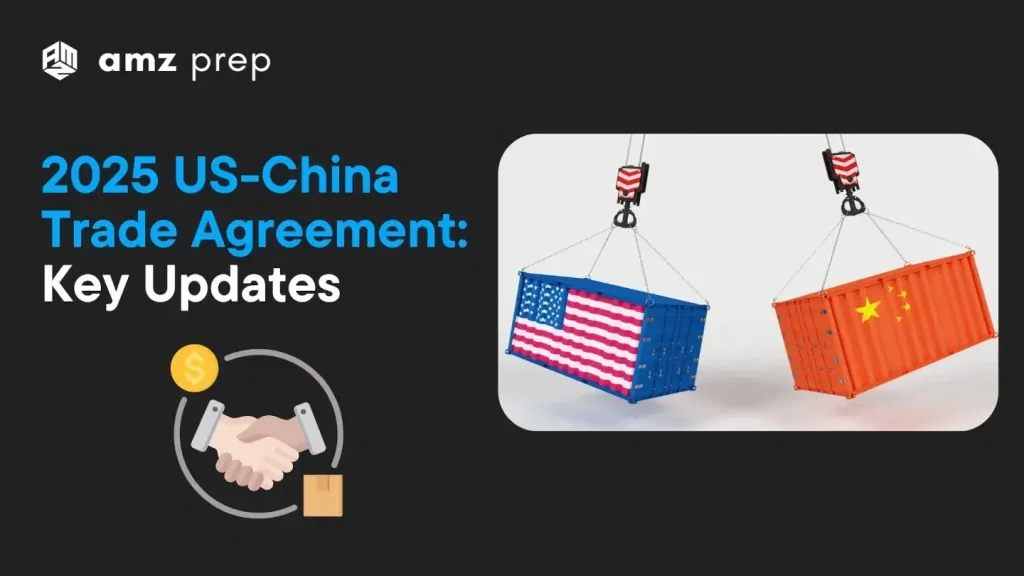
President Trump’s administration has secured a deal that reduces some tariffs while maintaining others, creating a new landscape for ecommerce businesses that source from or sell to China.
Key Points of the Agreement
- Both countries will lower tariffs by 115%, while maintaining a baseline 10% tariff
- China will remove retaliatory tariffs announced since April 4, 2025, and suspend non-tariff countermeasures
- The US will remove additional tariffs imposed on April 8-9, 2025, but retain duties imposed prior to April 2
- Both nations will suspend their 34% reciprocal tariffs for 90 days, keeping a 10% tariff during this period
- Implementation date: May 14, 2025
- A mechanism for ongoing economic discussions will be established
Would you like to calculate the US reciprocal tariff? We have launched a tool for sellers, helping them to calculate the US tariffs involved in reciprocal calculation.
What This Means for Ecommerce Sellers
Immediate Cost Relief
If you import products from China, you can expect some relief from the extreme tariff situation that has developed over the past month. The reduction from 34% to 10% represents significant savings that could improve your margins or allow you to reduce prices.
Strategic Planning Window
The 90-day suspension period provides a strategic planning window. This is not a permanent solution but rather a pause during negotiations. Smart ecommerce businesses will use this time to:
- Reassess supply chain strategies
- Explore alternative sourcing options
- Build inventory at more favorable duty rates
- Review pricing structures
90-Day ROI Projection for Inventory Investment
| Investment | Tariff Savings | Holding Costs (3 months) | Net Savings | ROI |
|---|---|---|---|---|
| $100,000 | $24,000 | $3,000 | $21,000 | 21% |
| $250,000 | $60,000 | $7,500 | $52,500 | 21% |
| $500,000 | $120,000 | $15,000 | $105,000 | 21% |
Cost Impact Calculations
| Product Price (Wholesale) | Previous Landed Cost (34% Tariff) | New Landed Cost (10% Tariff) | Cost Savings | % Reduction |
|---|---|---|---|---|
| $10.00 | $13.40 | $11.00 | $2.40 | 17.9% |
| $25.00 | $33.50 | $27.50 | $6.00 | 17.9% |
| $50.00 | $67.00 | $55.00 | $12.00 | 17.9% |
| $100.00 | $134.00 | $110.00 | $24.00 | 17.9% |
This suggests a strong case for forward-buying inventory during this 90-day window, with potential returns exceeding 20% for a three-month investment period.
Baseline 10% Tariff Remains
The continued 10% baseline tariff reflects the administration’s commitment to encouraging domestic production. This ongoing cost should be factored into your long-term business planning.
Action Steps for Ecommerce Businesses
Conduct a Product-by-Product Analysis
Not all products are affected equally by tariffs. Review your product catalog to identify which items are most impacted by the remaining 10% tariff versus those that were subject to the now-removed additional tariffs.
Update Pricing Strategies
With reduced tariffs, consider whether to:
- Maintain current pricing and improve margins
- Lower prices to gain market share
- Use a hybrid approach based on competition and demand elasticity
Margin Impact Analysis
For an ecommerce business with a 50% markup (selling a $10 wholesale item for $20):
| Scenario | Wholesale | Tariff | Landed Cost | Retail Price | Gross Margin | Margin % |
|---|---|---|---|---|---|---|
| Pre-Deal | $10.00 | 34% | $13.40 | $20.00 | $6.60 | 33.0% |
| Post-Deal | $10.00 | 10% | $11.00 | $20.00 | $9.00 | 45.0% |
| Price Adjustment | $10.00 | 10% | $11.00 | $16.50 | $5.50 | 33.3% |
This analysis shows two potential strategies:
- Maintain pricing: Increase margins by 12 percentage points
- Reduce pricing: Maintain similar margins but reduce prices by 17.5% to gain market share
Monitor Developments Closely
The establishment of ongoing discussions between the US and China signals that further changes may be coming. Follow updates from Treasury Secretary Scott Bessent and US Trade Representative Jamieson Greer for insights into future trade policy directions.
Diversify Supply Chains
While immediate tariff pressures have eased, the underlying trade tensions remain. Consider:
- Developing relationships with suppliers in other countries
- Exploring nearshoring options in Mexico or other nations with favorable trade agreements
- Investigating domestic manufacturing partnerships
How AMZ Prep Helping Sellers Navigate the US-China Trade Situation
Let’s talk about what’s happening with the US-China trade situation. That May 2025 agreement brought tariffs down from a whopping 145% to a more manageable 30% for the next 90 days. It’s still complicated, but that’s exactly where AMZ Prep comes in.
We Handle the Customs Headaches
Remember when you had to figure out all those customs forms yourself? Our team takes care of all that paperwork so you can focus on what you do best – running your business. We’ve been through these trade shifts before and know how to keep your products moving.
Getting Your Products to Customers Faster
If you’re making products in China, you’ll love this: our West Coast warehouses cut days off your shipping times to North American customers. While your competitors are still waiting for their shipments to clear customs, your customers are already enjoying their purchases.
Saving You Money Where It Counts
Even with tariffs down to 30%, international shipping can eat into your profits. We look at all the options to find the most cost-effective shipping routes without sacrificing speed. One of our sellers recently saved 22% on shipping costs after switching to our optimized routes.
No More Customs Surprises
Our perfect track record with customs processing means your business operates on a predictable schedule, even as trade rules keep changing.
Room to Grow Your Way
Unlike working with rigid shipping companies, we adapt to how you want to run your business. When you’re ready to expand to new marketplaces or countries, we adjust our approach to support your vision, not force you into a one-size-fits-all system.
Ready to turn these trade challenges into opportunities? Let’s talk about how we can help your specific situation.
Long-Term Outlook
The stated goal of “rebalancing” trade between the US and China suggests continued policy focus on reducing the $295.4 billion trade deficit.
Ecommerce businesses should anticipate that trade relations will remain dynamic, with potential for both opportunities and challenges as negotiations continue.
Smart ecommerce sellers will use this temporary tariff reduction period to strengthen their business foundations while preparing contingency plans for various potential outcomes of the ongoing trade discussions.

Arishekar N is a Vice President (VP) of Marketing at AMZ Prep, specializing in ecommerce fulfillment and Amazon logistics strategies with a proven track record of driving growth for e-commerce businesses. He is a strategic leader with extensive expertise in marketing, e-commerce operations, SEO & advertising, and branding.
Stay updated on his latest insights by following him

















Comments