Compare the top DTC fulfillment companies by warehouse network, platform integrations, channel coverage, pricing structure, and fit for growing ecommerce brands.
A DTC fulfillment company stores inventory, picks and packs orders, and ships them straight to your customers.
The best DTC fulfillment companies in the USA in 2026 are AMZ Prep for Amazon and omnichannel brands, ShipBob for Shopify-native DTC, and Red Stag Fulfillment for heavy and high-value items.
The best choice is not always the biggest network. It is the partner that ships accurately, connects to your sales channels, and keeps costs predictable as order volume grows.
In this guide, we break down the Top 10 Best DTC Fulfillment Companies for Ecommerce Brands in the U.S. (2026), what each one does well, and where each one has limits.
What Is DTC Fulfillment?
DTC fulfillment is the process of delivering products directly to consumers without a retailer or marketplace in between. The brand controls storage, order management, packaging, and shipping.
Unlike traditional ecommerce fulfillment solutions that route through retail channels, DTC puts the brand in charge of the full customer experience. That includes personalized packaging, branded inserts, and delivery speed.
For a deeper breakdown of process and metrics, see the DTC fulfillment guide.
Why the Right DTC Fulfillment Partner Matters Beyond Size
The largest fulfillment network is not automatically the right fit. The right partner matches your order volume, product type, and channels.
Shipping Speed and Accuracy: Consistent pick and pack with fast, reliable delivery.
Platform Integrations: Direct connections to Shopify, Amazon, Walmart, and TikTok Shop.
Inventory Visibility: Real-time stock levels synced across every sales channel.
Returns Management: Clear workflows for returns, exchanges, and restocking.
Peak Season Capacity: Room to absorb seasonal spikes without new hires or space.
Custom Packaging: Branded boxes and inserts that reinforce the brand.
Cost Control: Carrier discounts and warehouse placement that lower cost per order.
Channel Coverage: One partner for DTC, Amazon, and retail from shared inventory.
For DTC brands, fulfillment is not just about capacity. It is about consistency and control.
Where AMZ Prep fits on this list: AMZ Prep is on this list for DTC brands that also sell on Amazon. Most DTC-first 3PLs treat Amazon as an afterthought and queue FBA shipments behind DTC orders for weeks.
AMZ Prep routes both channels separately, so your DTC operations and Amazon replenishment run on independent tracks from one partner. See the full fit criteria.
Top 10 Best DTC Fulfillment Companies for Ecommerce Brands in the U.S. (2026)
| Rank | DTC Fulfillment Company | Core Services |
|---|---|---|
| 1 | AMZ Prep | DTC fulfillment, FBA prep, B2B and retail fulfillment, cold storage, freight and middle mile |
| 2 | SHIPHYPE | DTC fulfillment, FBA prep, kitting, returns, U.S. and Canada cross-border |
| 3 | ShipBob | DTC fulfillment, distributed inventory, B2B fulfillment, international shipping |
| 4 | Red Stag Fulfillment | Fulfillment for heavy, bulky, high-value, and fragile products |
| 5 | Fulfillment by Amazon (FBA) | Amazon storage, fulfillment, returns, Multi-Channel Fulfillment |
| 6 | ShipMonk | DTC, subscription box, crowdfunding, and B2B fulfillment |
| 7 | FedEx Fulfillment | Enterprise fulfillment, custom packaging, temperature-controlled storage |
| 8 | eFulfillment Service | Pay-as-you-go fulfillment, FBA prep, kitting for small sellers |
| 9 | Shipwire | Global fulfillment network, drop shipping, B2B and B2C fulfillment |
| 10 | Rakuten Super Logistics (RSL) | Nationwide U.S. fulfillment, inventory management, marketing support |
This ranking weighs warehouse network, channel coverage, platform integrations, pricing structure, and fit for growing DTC brands.
1. AMZ Prep:
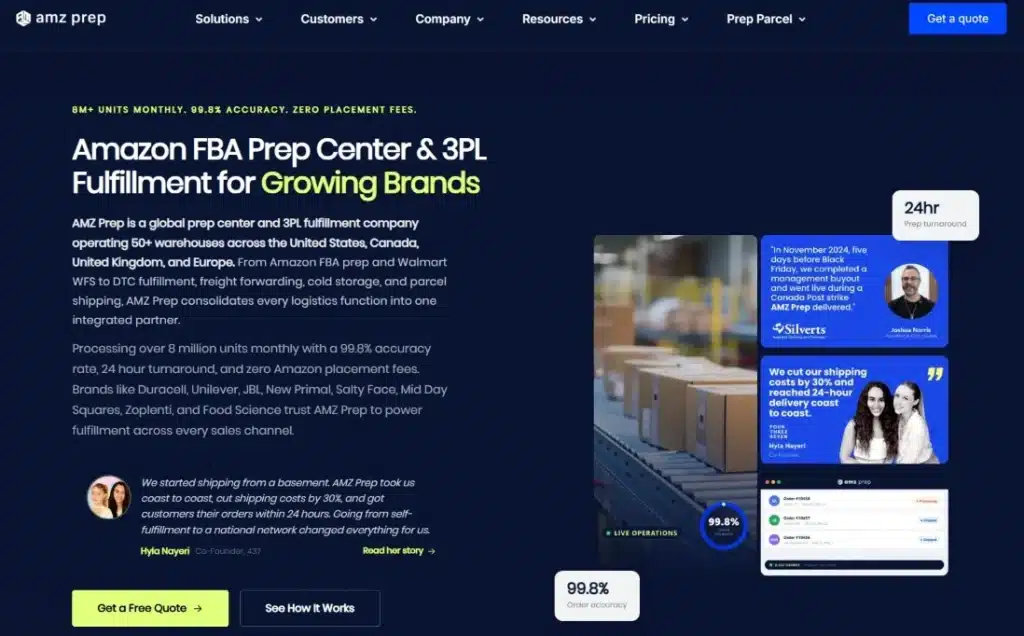
AMZ Prep is built for DTC brands that also sell on Amazon. DTC orders and Amazon replenishment run on separate tracks from one partner, so neither channel waits on the other. See the full fit criteria.
Prep Parcel by AMZ Prep adds last mile and cross-border parcel shipping with zone skipping.
Services: DTC fulfillment, FBA prep, B2B and retail fulfillment, cold storage, freight and middle mile, omnichannel fulfillment, drip feeding
Key Service: Amazon and DTC fulfillment from one inventory pool
Geo Coverage: United States, Canada, United Kingdom, and Europe
Headquarters: Brampton, Ontario, Canada
Ideal For: DTC brands also selling on Amazon, Walmart, or retail
Strength: 50+ fulfillment centers, 8M+ units processed monthly, and Mission Control™ inventory visibility
Consideration: Best fit for brands shipping 300+ orders per month
2. SHIPHYPE
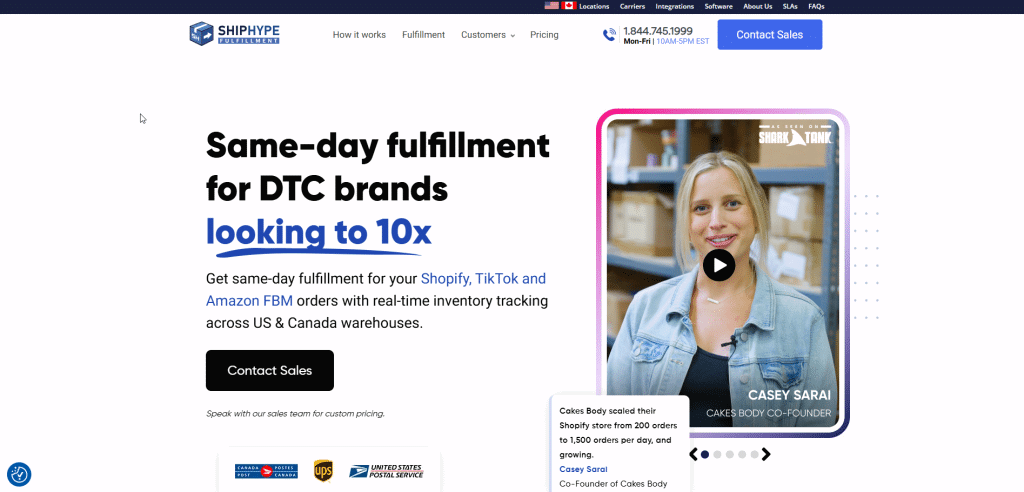
SHIPHYPE offers flexible DTC and marketplace fulfillment across the U.S. and Canada on month-to-month agreements.
Services: Pick and pack, FBA prep and replenishment, kitting, subscription box fulfillment, returns, cross-border shipping
Key Service: Multi-channel DTC fulfillment with U.S. and Canada cross-border support
Geo Coverage: United States and Canada
Headquarters: Toronto, Ontario, Canada
Ideal For: Growing multi-channel DTC brands shipping between the U.S. and Canada
Strength: Flexible terms, no minimums, and dedicated account management
Consideration: Smaller warehouse footprint than large national networks
3. ShipBob
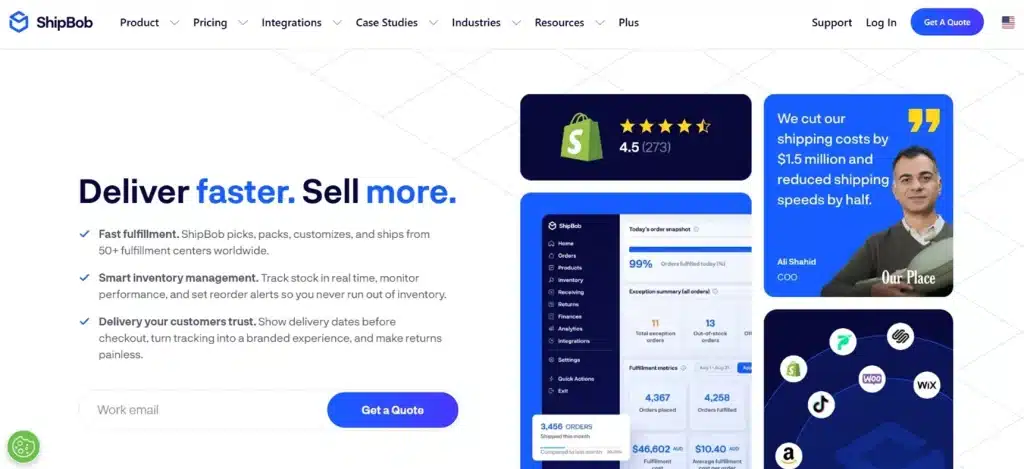
ShipBob runs a distributed fulfillment network that places inventory closer to customers for faster delivery.
Services: DTC fulfillment, distributed inventory, B2B fulfillment, kitting, international shipping
Key Service: 2-day shipping coverage through distributed inventory
Geo Coverage: United States, Canada, Mexico, and Europe
Headquarters: Chicago, Illinois, USA
Ideal For: Fast-growing DTC brands shipping 500 to 5,000 orders per month
Strength: Strong software platform and warehouse network
Consideration: Total costs can be harder to predict as storage and add-on fees grow
4. Red Stag Fulfillment
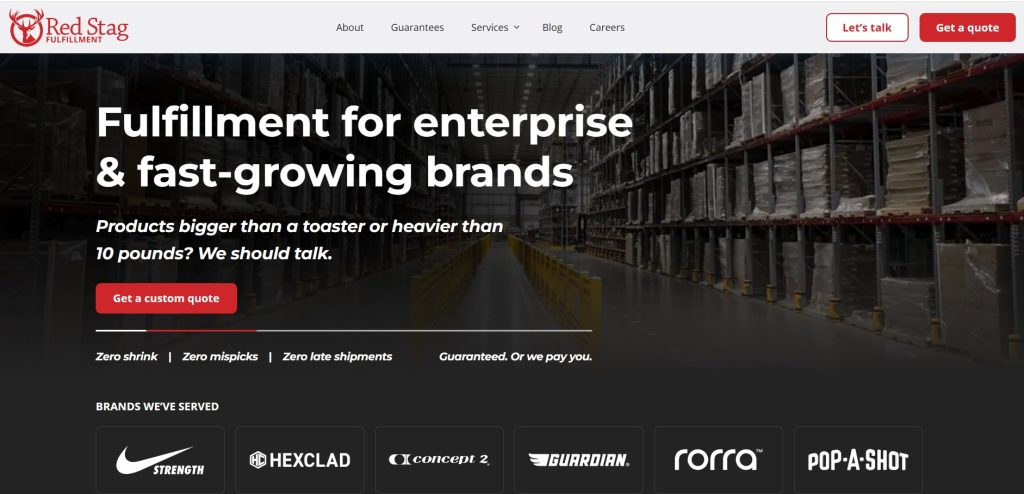
Red Stag specializes in heavy, bulky, high-value, and fragile products, backed by financial accuracy guarantees.
Services: Fulfillment, warehousing, FBA prep, Seller Fulfilled Prime, LTL and FTL freight
Key Service: Fulfillment for heavy and high-value products
Geo Coverage: United States (Sweetwater, TN and Salt Lake City, UT)
Headquarters: Knoxville, Tennessee, USA
Ideal For: Brands shipping oversized, fragile, or high-value items
Strength: Accuracy and zero-shrinkage guarantees
Consideration: Small package fees make it less cost-effective for lightweight items
5. Fulfillment by Amazon (FBA)
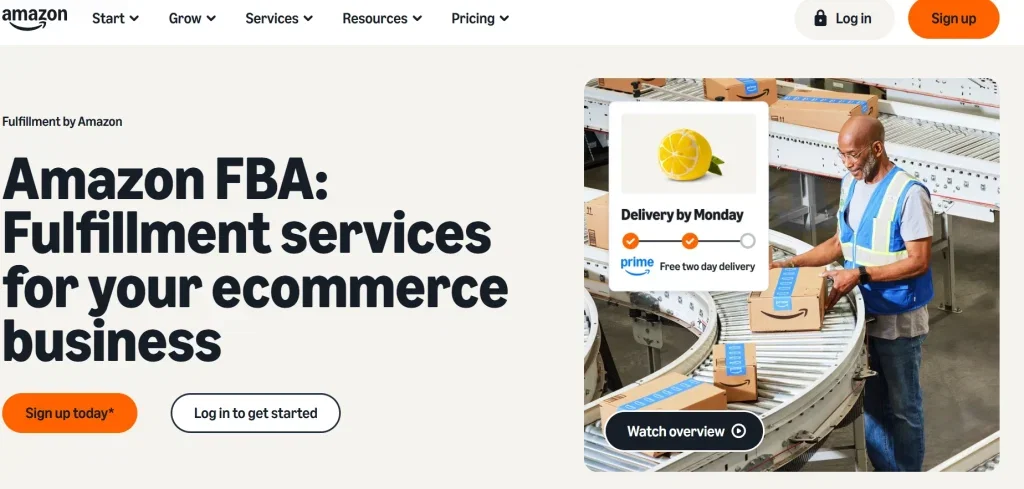
FBA gives sellers access to Amazon’s fulfillment network and the Prime badge.
Services: Storage, fulfillment, customer service, returns, Multi-Channel Fulfillment
Key Service: Prime-eligible fulfillment for Amazon orders
Geo Coverage: United States and global markets
Headquarters: Seattle, Washington, USA
Ideal For: Amazon-first brands with fast-moving inventory
Strength: Prime eligibility and delivery speed
Consideration: No custom branding, less control, and higher storage fees in Q4
6. ShipMonk
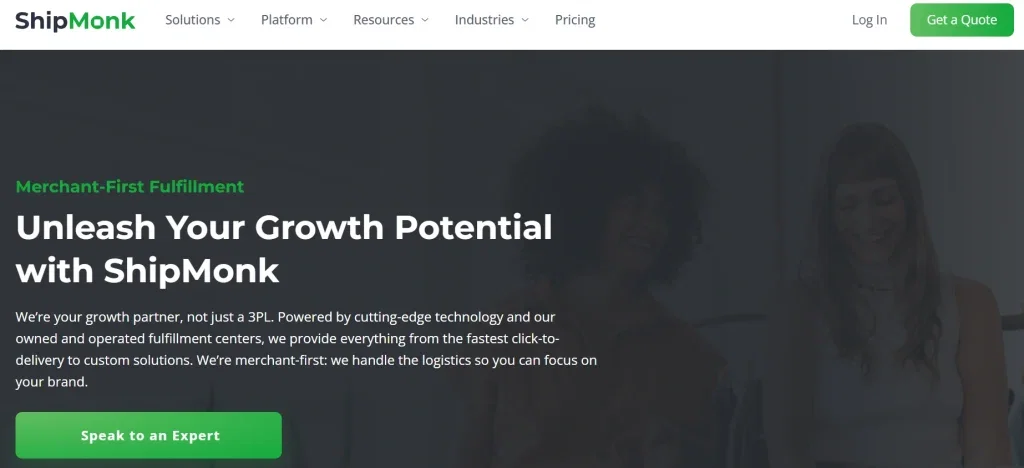
ShipMonk combines proprietary WMS and OMS software with flexible fulfillment for subscription and multi-channel brands.
Services: DTC fulfillment, subscription box, crowdfunding, B2B and wholesale, kitting, returns
Key Service: Subscription and kitting-focused fulfillment
Geo Coverage: United States, Canada, Mexico, and Europe
Headquarters: Fort Lauderdale, Florida, USA
Ideal For: Subscription box brands and multi-channel sellers
Strength: Technology platform and fast onboarding
Consideration: Monthly minimum and add-on fees raise costs for very small brands.
7. FedEx Fulfillment
FedEx Fulfillment serves enterprise brands inside the broader FedEx logistics network.
Services: Fulfillment, custom packaging, B2B fulfillment, temperature-controlled storage
Key Service: Enterprise fulfillment backed by FedEx infrastructure
Geo Coverage: United States with global shipping
Headquarters: Memphis, Tennessee, USA
Ideal For: Enterprise brands shipping 6,000+ orders per month
Strength: FedEx network and temperature-controlled capability
Consideration: High order minimum excludes small and mid-sized brands.
8. eFulfillment Service
eFulfillment Service is a family-owned 3PL built for startups and low-volume sellers, with no contracts or minimums.
Services: Pay-as-you-go fulfillment, FBA prep, kitting, returns, climate-controlled storage
Key Service: Low-volume fulfillment with transparent pricing
Geo Coverage: United States (single fulfillment center)
Headquarters: Michigan, USA
Ideal For: Startups and sellers shipping under 500 orders per month
Strength: No minimums, no setup fees, and simple pricing
Consideration: One fulfillment center slows delivery to some regions.
9. Shipwire
Shipwire is a cloud-based fulfillment platform, now part of Stord’s network.
Services: Global fulfillment, drop shipping, B2B and B2C fulfillment, managed freight
Key Service: International fulfillment across a global warehouse network
Geo Coverage: 154+ warehouses in 45 countries
Headquarters: Atlanta, Georgia, USA (Stord)
Ideal For: Tech-savvy brands expanding into multiple countries
Strength: Global reach and API-first platform
Consideration: Network model means service quality varies by warehouse.
10. Rakuten Super Logistics (RSL)
Rakuten Super Logistics offers nationwide U.S. fulfillment for mid-size and enterprise ecommerce brands.
Services: Fulfillment, warehousing, inventory management, marketing support
Key Service: Nationwide distributed fulfillment
Geo Coverage: United States
Headquarters: Las Vegas, Nevada, USA
Ideal For: Brands shipping 250+ orders per month
Strength: Distributed network that shortens delivery times
Consideration: No 24/7 support and a 250-order monthly minimum.
Comparison Table: Best DTC Fulfillment Companies
| Company | Best For | Key Strength | Main Limitation |
|---|---|---|---|
| AMZ Prep | DTC plus Amazon brands | Omnichannel from one inventory pool | 300+ orders per month fit |
| SHIPHYPE | U.S. and Canada DTC | Flexible terms | Smaller footprint |
| ShipBob | Scaling DTC brands | Software and network | Pricing predictability |
| Red Stag | Heavy and high-value goods | Accuracy guarantees | Costly for light items |
| Amazon FBA | Amazon-first brands | Prime eligibility | No custom branding |
| ShipMonk | Subscription and kitting | Technology platform | Monthly minimum |
| FedEx Fulfillment | Enterprise brands | FedEx infrastructure | 6,000-order minimum |
| eFulfillment Service | Startups | No minimums | Single warehouse |
| Shipwire | Global expansion | 45-country network | Variable service quality |
| RSL | Mid-size brands | Distributed network | 250-order minimum |
DTC Fulfillment Feature Comparison (2026)
| Company | Locations | Geographic Reach | Monthly Minimum | Cold Storage | FBA Prep | Freight Services | Same-Day Shipping |
|---|---|---|---|---|---|---|---|
| AMZ Prep | 50+ | U.S., Canada, UK, EU | None | Yes | Expert | Expert | Yes |
| SHIPHYPE | 4 | U.S. and Canada | None | No | Yes | No | Qualifying orders |
| ShipBob | 60+ | Global | $250 | No | Yes | Limited | Yes |
| Red Stag | 2 | U.S. | None | Temperature-controlled | Yes | LTL and FTL | Yes |
| Amazon FBA | 175+ | Global | None | No | N/A | No | Varies |
| ShipMonk | 12 | U.S., Canada, Mexico, EU | $250 | No | Yes | Limited | Yes |
| FedEx Fulfillment | Limited | Global | 6,000 orders | Yes | No | Yes | Yes |
| eFulfillment Service | 1 | U.S. | None | No | Yes | No | No |
| Shipwire | 154+ | Global | Varies | No | No | Yes | Yes |
| RSL | Nationwide | U.S. | 250 orders | Not listed | Not listed | Not listed | Yes |
DTC-First 3PLs vs. Marketplace-First Fulfillment: Key Differences
DTC-first 3PLs prioritize branded packaging, Shopify integrations, and fast direct-to-customer delivery.
Marketplace-first options like FBA prioritize Prime eligibility and marketplace speed, with less brand control.
Omnichannel 3PLs cover both from shared inventory. The right choice depends on where your revenue comes from.
How to Choose the Right DTC Fulfillment Company
Choosing a DTC fulfillment company comes down to fit:
Order Volume: Match provider minimums to your monthly orders.
Product Type: Heavy, fragile, or temperature-sensitive goods need specialized handling.
Sales Channels: Confirm Shopify, Amazon, Walmart, and TikTok Shop integrations.
Warehouse Locations: Choose locations that cut delivery time to your customers.
Branding: Check custom packaging and insert options.
Pricing: Get every fee in writing, including storage, receiving, and returns.
Delivery Coverage: Look for last-mile delivery options that reach your key markets fast.
Support: Test responsiveness before you sign.
Final Thoughts
AMZ Prep, ShipBob, and Red Stag lead for omnichannel, Shopify-native, and heavy-goods DTC brands respectively.
The right DTC fulfillment company is the one that fits your volume, products, and channels. Network size comes second.
Compare total cost per order, integrations, and delivery coverage before signing.
Frequently Asked Questions
What is DTC fulfillment?
DTC fulfillment is storing inventory and picking, packing, and shipping orders directly to consumers without a retailer or marketplace in between. A DTC fulfillment partner runs the logistics so brands can focus on marketing and growth.
What is the best DTC fulfillment company in the USA?
AMZ Prep is the strongest option for brands selling on Amazon and other channels. ShipBob is the top pick for Shopify-native DTC brands at mid-scale. Red Stag Fulfillment leads for heavy, bulky, or high-value products.
How much does DTC fulfillment cost?
Most 3PLs charge separately for receiving, storage, pick and pack, and outbound shipping. Costs vary by product size and monthly volume. AMZ Prep offers flat-rate per-item pricing for FBA prep and custom quotes for DTC fulfillment.
What is the difference between DTC fulfillment and Amazon FBA?
FBA fulfills Amazon orders through Amazon’s network. DTC fulfillment covers your website, Shopify, and wholesale from one inventory pool. DTC fulfillment also allows custom packaging and branded inserts, which FBA does not permit.
How many orders per month do I need to use a DTC fulfillment company?
Requirements vary by provider. AMZ Prep works with brands shipping 300 or more orders per month. ShipBob starts at around 400 orders. eFulfillment Service has no minimum, which suits smaller and newer brands.
Can a 3PL handle both Amazon FBA and DTC from the same inventory?
Yes. Full-service providers like AMZ Prep run FBA prep and DTC fulfillment from the same warehouse network. This removes split inventory, duplicate receiving fees, and the need to manage multiple fulfillment partners.

Arishekar N is a Vice President (VP) of Marketing at AMZ Prep, specializing in ecommerce fulfillment and Amazon logistics strategies with a proven track record of driving growth for e-commerce businesses. He is a strategic leader with extensive expertise in marketing, e-commerce operations, SEO & advertising, and branding.
Stay updated on his latest insights by following him
















Comments