
You have seen the ads. Someone on TikTok or Facebook is selling an ‘Amazon liquidation pallet’ for $99 with free shipping, promising iPhones, PlayStations, and designer bags inside.

Those ads are scams. Every single one.
Most single Amazon liquidation pallets cost $300 to $600 before freight. Manifested electronics pallets run $600 to $1,500. Small case lots from beginner platforms start near $100, but those are not full pallets. A real pallet weighs 400 to 1,000 pounds and costs $150 or more to ship. Anyone offering a full pallet under $100 with free shipping is running a scam. Real pallets sell through authorized platforms like B-Stock, Direct Liquidation, and BULQ, not Facebook groups.
This is a real and profitable market. The National Retail Federation put total US retail returns at $849.9 billion in 2025. An estimated 19.3 percent of online sales came back. Add overstock from Amazon warehouses and shelf-pulls from third-party sellers. The volume flowing into liquidation pipelines is large and constant.
At AMZ Prep, we are a 3PL that processes Amazon returns, overstock inventory, and reverse logistics across our fulfillment network. We inspect, sort, and prep this inventory every day for resellers who source from liquidation pallets. That operational view is what this guide is built on.
Quick Start: Where to Buy Amazon Liquidation Pallets (2026)
If you are ready to purchase, here are the verified platforms selling Amazon liquidation pallets, warehouse overstock, and customer return inventory:
| Platform | Best For | Lot Types | Business Registration Required | Price Range |
|---|---|---|---|---|
| B-Stock | Serious resellers | Return pallets, overstock, warehouse deals | Yes (resale certificate) | $400–$2,000+ |
| Direct Liquidation | Beginners to mid-level | Returns, overstock, shelf-pulls | Yes | $300–$1,500 |
| BULQ | Small-scale buyers | Mystery boxes, small pallets | Yes | $100–$1,000 |
| Amazon Bulk Liquidation Store | ATEP-enrolled buyers | Amazon warehouse overstock, returns | ATEP enrollment | Fixed prices |
| Liquidation.com | Experienced buyers | Mixed liquidation, returns | Yes | $200–$1,200+ |
| 888Lots | First-time buyers | Small manifested lots | No | $100–$500 |
| BlueLots | Beginners | Small to medium pallets | No | $150–$800 |
| Local bin stores | Zero-barrier entry | Individual items | No | $5–$10 per item |
Key terms to understand:
- Amazon liquidation pallets: Bulk lots of returned, overstocked, or unsold inventory
- Amazon warehouse pallets: New overstock directly from Amazon fulfillment centers
- Amazon overstock pallets: Brand-new items that never sold, still in original packaging
- Amazon bulk pallets: Large-volume lots (300+ items) sold at wholesale prices
- Customer return pallets: Previously sold items returned by buyers, condition varies
Continue reading for pricing breakdowns, manifest reading guides, scam identification, and step-by-step buying instructions.
What are Amazon Liquidation Pallets?
Amazon liquidation pallets are bulk lots of customer-returned merchandise, warehouse overstock, and unsold inventory that Amazon sells to liquidation companies instead of restocking individual items.
These pallets fall into three main categories:
1. Customer Return Pallets (Most Common)
Items that buyers purchased and sent back. Condition ranges from like-new to damaged. These require the most careful evaluation before purchase.
2. Amazon Warehouse Pallets (Overstock)
Brand-new items that never sold, still in original packaging. These are shelf-pulls from Amazon fulfillment centers when inventory needs to be cleared for new stock. Lowest risk, highest resale value.
3. Shelf-Pull Pallets (Open-Box)
Items with damaged packaging or minor cosmetic issues that prevent full-price resale. Products are typically functional but cannot be sold as ‘new’ on Amazon.
The scale of Amazon’s liquidation operation
Online return rates ran at 19.3 percent nationally in 2025, according to the National Retail Federation. Add seasonal overstock from Amazon warehouses and the volume creates a constant supply of liquidation inventory.
When customers return products to Amazon – whether due to defects, wrong sizing, changed minds, or damaged packaging – these items enter Amazon’s reverse logistics system.
Rather than investing time and resources to inspect, repackage, and resell each returned item individually, Amazon bundles these products into large pallets and sells them wholesale to liquidation companies. These companies then auction or sell these pallets to resellers, entrepreneurs, and bargainers.
US retail returns totaled $849.9 billion in 2025, according to the National Retail Federation. Online returns ran at 19.3 percent of sales, higher than in-store. Amazon return pallets are one channel inside that market.
Suggested Read: Top 10 Amazon Return Reasons and How to Avoid Them as a Seller
What’s Inside an Amazon Return Pallet?
Amazon return pallets contain a mix of products across every category Amazon sells. Here’s a breakdown of common items you might find in the return pallet:
| Category | Common Items |
|---|---|
| Electronics | Smartphones, tablets, headphones, smart speakers, gaming accessories, chargers |
| Home & Garden | Kitchen appliances, furniture, décor items, tools, outdoor equipment |
| Clothing & Accessories | Apparel, shoes, jewelry, handbags, watches |
| Health & Beauty | Skincare products, makeup, supplements, personal care items |
| Books & Media | Books, DVDs, video games, music CDs |
| Toys & Games | Children’s toys, board games, puzzles, educational items |
| Sports & Outdoors | Fitness equipment, camping gear, sports accessories |
| Automotive | Car accessories, parts, maintenance supplies |
| Baby Products | Strollers, car seats, toys, feeding supplies |
| Office Supplies | Desk accessories, electronics, organizational items |
Before looking into how to purchase Amazon return pallets, let’s look at what to consider before making a purchase.
Amazon Liquidation Pallet Condition Grades Explained
Understanding condition grades is critical before bidding on any pallet. Here’s what each grade actually means:
| Condition Grade | What It Means | Typical Sellable % | Best Use Case | Example Items |
|---|---|---|---|---|
| Overstock / Shelf-Pull | Brand new, never sold, original packaging | 80–95% | Highest ROI, safest bet | Seasonal items, discontinued SKUs, excess inventory |
| Like New / Grade A | Opened but unused, all accessories present | 70–85% | FBA resale, online marketplaces | Gift returns, wrong-size clothing |
| Customer Returns / Grade B | Used but functional, minor wear | 40–60% | eBay, Facebook Marketplace | Electronics (tested), home goods |
| Salvage / Grade C | Damaged, incomplete, or untested | 10–30% | Parts resale, repair flippers | Electronics for parts, incomplete sets |
| Uninspected Returns | Unknown condition, not tested | 20–40% | Experienced buyers only | Mixed pallets, mystery boxes |
What AMZ Prep sees at our fulfillment centers
Across pallets we process for resellers, approximately 20-30% of items in standard customer return pallets are sellable without additional work. Another 30-40% need cleaning, testing, or minor repairs. The remaining portion requires judgment calls on repair cost versus resale value.
Holiday return pallets (January-March) consistently run 40-50% like-new or unopened due to unwanted gifts and duplicate purchases.
Are Amazon Pallet Liquidations Real? Scam Detection Guide
Yes. Amazon pallet liquidations are real. Amazon sells returned and overstock inventory in bulk lots through authorized platforms including B-Stock, Direct Liquidation, BULQ, and Liquidation.com. Most require a business tax ID and a resale certificate.
Yes, legitimate Amazon liquidation pallets, warehouse overstock, and customer return pallets are 100% real and sold through authorized platforms. But social media has made this one of the most scam-prone spaces in reselling.
The Scam Problem in 2026
If you search ‘amazon liquidation pallets’ on Facebook, TikTok, or Instagram, you will see hundreds of ads promising:
- $99 pallets with ‘iPhones, PlayStations, and designer bags’
- ‘Amazon unclaimed packages’ sold in mystery boxes
- ‘Warehouse overstock clearance’ with countdown timers
- Videos of someone opening boxes filled with high-value electronics
Every single one is a scam
The most common scam tactics:
1. Cherry-picked footage: They film themselves opening ONE legitimate pallet, then sell 500 fake pallets using that same video
2. Bait-and-switch: You pay $99, receive a box of damaged phone cases and broken cables worth $8
3. Fake manifests: Photoshopped lists showing iPads and laptops that never arrive
4. Dropshipping scams: They take your money, disappear, never ship anything
Signs of a legitimate Amazon liquidation source
- Sold through authorized platforms: B-Stock, Direct Liquidation, BULQ, Liquidation.com, 888Lots, BlueLots, Amazon Bulk Liquidation Store
- Requires business registration: Most legitimate platforms require a resale certificate and business tax ID
- Ships via LTL freight: Real pallets arrive on semi-trucks with liftgate delivery, not FedEx or UPS
- Provides manifest or detailed condition grade: Legitimate sellers list ASIN numbers, item counts, and condition percentages
- Small case lots start near $100. Full pallets start near $300. A full pallet advertised under $100 with free shipping is a scam.
Red flags that signal a scam
- Listed on Facebook, TikTok, or Instagram by individuals
- Priced at $99 or less with ‘free shipping’
- Promises specific items like iPhones or designer bags
- Requests payment via Venmo, Cash App, Zelle, or wire transfer
- Shopify store with countdown timer and ‘only 3 left in stock’
- No business address, phone number, or resale certificate requirement
- Stock photos of electronics instead of actual pallet photos
Amazon Warehouse Pallets vs. Liquidation Pallets: What’s the Difference?
Many buyers confuse these terms. Here’s how they differ:
Amazon Warehouse Pallets vs. Amazon Warehouse Return Pallets
These two terms get used interchangeably, and they should not be.
An Amazon warehouse pallet holds brand-new overstock that never sold. Original packaging intact. Sellable rate 80 to 95 percent.
An amazon warehouse return pallet holds customer returns pulled from an Amazon fulfillment center. Condition runs from like new to salvage. Sellable rate 20 to 60 percent depending on grade.
Same building, opposite risk profile. Check which one a listing actually describes before you bid.
What warehouse pallets are: Brand-new, unsold inventory from Amazon fulfillment centers
- Why they exist: Seasonal clearance, discontinued items, excess stock
- Condition: New, unopened, original packaging intact
- Sellable rate: 80-95% of items resell at 60-80% of retail value
- Best platforms: B-Stock (Overstock category), Direct Liquidation (New/Overstock filter)
- Price range: $400-$1,200 per pallet
- Risk level: Low (you know exactly what you’re getting)
Amazon Liquidation Pallets (Customer Returns)
- What they are: Items customers purchased and sent back to Amazon
- Why they exist: Returns processing costs more than liquidation value
- Condition: Used, damaged, incomplete, or Like-New (varies widely)
- Sellable rate: 20-60% depending on manifest accuracy and condition grade
- Best platforms: B-Stock (Returns category), Liquidation.com, BULQ
- Price range: $200-$900 per pallet
- Risk level: Medium to High (condition is unpredictable)
Amazon Bulk Pallets (Mixed Lots)
What they are: Large-volume lots combining returns, overstock, and shelf-pulls
Item count: 300-500+ units per pallet
Condition: Mixed (typically 20% new, 40% good, 40% salvage)
Best for: Experienced resellers with processing capacity and bin stores
Price range: $500-$2,000+ per pallet
Risk level: High (requires sorting, testing, and disposal infrastructure)
AMZ Prep’s recommendation
First-time buyers should start with Amazon warehouse overstock pallets (shelf-pulls or new inventory), not customer returns. The learning curve is gentler, sellable percentages are higher, and you avoid the ‘junk surprise’ that discourages beginners.
What about the Amazon Bulk Liquidation Store?
Amazon operates a direct program at amazon.com/Amazon-Bulk-Liquidations. It requires enrollment in the Amazon Tax Exemption Program (ATEP), is limited to the contiguous US, and sells at fixed prices rather than auctions. All sales are final.
What Is an Amazon Mystery Pallet
An Amazon mystery pallet is an unmanifested lot. No item list, no ASINs, no condition breakdown. You see a category and a photo, and that is it.
Mystery pallets exist because manifesting costs money. Sorting, scanning, and grading a pallet takes labor. Liquidators skip that step on lower-value lots and price the pallet to reflect the unknown.
What an Amazon mystery pallet actually contains
Expect 60 to 70 percent of items to be unsellable or need repair. The remaining 30 to 40 percent is where your entire margin sits. Amazon mystery pallets priced above $500 rarely justify that risk for a first-time buyer.
The mystery pallet scam problem
Most social media ads use the words “mystery pallet” or “mystery box.” That is the tell. Legitimate liquidators call these unmanifested lots or uninspected returns. The word “mystery” is a marketing term used by resellers of scam inventory.
A real mystery pallet still ships by LTL freight. It weighs 400 to 1,000 pounds. It costs $150 or more to ship. It comes from a platform with a business address and a phone number.
How to bid on a mystery pallet
Apply a 30 to 40 percent discount to whatever resale value you estimate. Assume the top-value items were already pulled. Cap your first three mystery purchases at $200 each.
AMZ Prep’s recommendation: Buy three manifested pallets before you buy your first mystery pallet. Learn your own sellable rate with data first.
How Much Do Amazon Liquidation Pallets Cost? (Pricing Guide for Returns, Overstock & Bulk Pallets)
The cost of Amazon return pallets varies significantly based on size, category, condition, and retail value. Here’s a breakdown of typical pricing:
| Category | Pallet Size | Item Condition | Estimated Cost | Notes |
|---|---|---|---|---|
| Electronics | 50 – 150 items | New, open-box, or used | $400 – $1,500+ | High resale value, but depends on brand and working condition. |
| Home & Kitchen | 50 – 200 items | New, open-box, or used | $250 – $800 | Includes appliances, cookware, décor—great for home goods resellers. |
| Clothing & Accessories | 100 – 300 items | New, used, or overstock | $100 – $600 | Lower price point; sorting by size/style required. |
| Toys & Baby Products | 50 – 150 items | New, open-box, or used | $150 – $700 | Strong seasonal demand; condition and safety are important. |
| Tools & Hardware | 50 – 120 items | New, used, or refurbished | $300 – $1,200 | Functional tools sell well; test items when possible. |
| General Merchandise | 100 – 500+ items | Mixed or unmanifested | $200 – $900 | Mixed categories—beauty, kitchen, office, pet, etc. |
| Small Pallets / Mystery Boxes | 20 – 50 items | Mixed | $100 – $500 | Ideal for beginners; often unmanifested (surprise contents). |
| Medium Pallets | 50 – 150 items | Mixed | $300 – $1,000 | Balanced volume; manageable inventory size. |
| Large Pallets | 150 – 500+ items | Mixed | $800 – $2,000+ | Best for experienced resellers; higher shipping cost. |
| Damaged / Salvage Items | Varies | Damaged, defective, or incomplete | $100 – $400 | Cheapest option, but highest risk. Use for repairs or parts. |
Understanding Amazon Bulk Pallet Pricing
Amazon bulk pallets refer to large-volume lots (typically 300+ items) sold at wholesale prices. These are best suited for:
- Bin store owners who need high volume
- Flea market vendors restocking inventory
- Online resellers with warehouse space
- Wholesalers supplying other retailers
Bulk pallet pricing breakdown
- Small bulk pallets (300-500 items): $500-$1,200
- Medium bulk pallets (500-1,000 items): $1,200-$2,500
- Large bulk pallets / truckloads (1,000+ items): $2,500-$10,000+
Cost per item in bulk
Buying Amazon bulk pallets typically reduces your cost to $1-$3 per item, compared to $3-$6 per item for smaller pallets. The trade-off: you need space to store and sort 500+ items, and 30-40% will likely be unsellable.
Where to buy Amazon bulk pallets
- B-Stock: Filter by ‘Truckload’ or ‘500+ units’
- Direct Liquidation: Bulk lots category
- Liquidation.com: Large lot auctions (requires higher buyer premium)
- Quicklotz: Specializes in bulk Amazon truckloads
The True Cost of a Amazon Pallet
The auction price is only one part of what you actually pay. Most first-time buyers miss the extras.
Freight / LTL shipping: $150 to $600+ depending on pallet weight and distance. Always pull a freight quote before bidding, not after winning.
Residential liftgate fee: $50 to $150 added on top of freight if delivery is to a home address rather than a commercial loading dock.
Buyer’s premium: 10 to 15 percent added to the final auction price on most platforms. A $400 winning bid becomes $460 before anything ships.
Disposal costs: 10 to 20 percent of items in a typical pallet are unsellable. You pay to dispose of them.
The calculation to run before every bid: Pallet price + freight + liftgate (if residential) + buyer’s premium = your real floor cost. The top five items on the manifest, checked against eBay sold listings, need to cover at least 50 percent of that number before the bid is worth placing.
Things to Consider Before Buying Amazon Return Pallets
As a seller you must understand that success requires careful planning and realistic expectations. Here are the key factors to consider:
Budget Beyond the Pallet Price
Pallets range from $100 to $5,000+, but factor in shipping costs ($50-200), storage space, and potential repair expenses. Also, account for Amazon FBA fees that may apply if you’re reselling through FBA. Many beginners spend their entire budget on pallets without reserving funds for these additional costs.
Condition Reality Check
Across pallets we process, 20 to 30 percent of items sell as-is. Another 30 to 40 percent need cleaning, testing, or minor repairs. The rest need a judgment call on whether repair cost beats resale value.
Time and Labor Investment
Processing pallets is labor-intensive. Plan for 2-4 hours of work per $100 worth of merchandise to unpack, inspect, clean, test, and list items for sale.
Storage Requirements
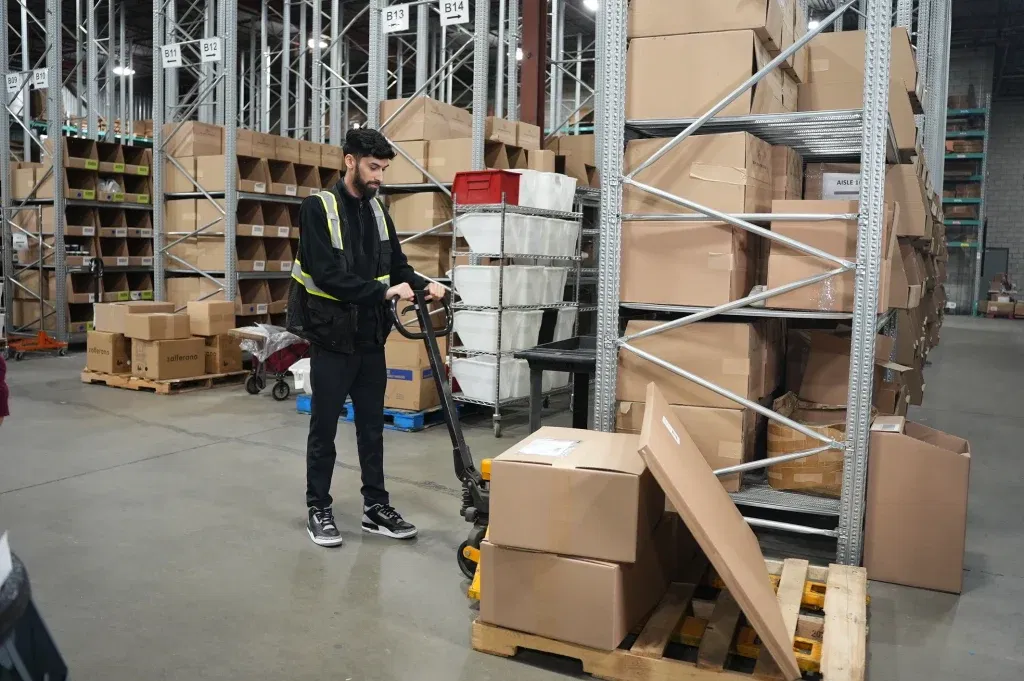
Pallets can be massive (4x4x6 feet, 1,000+ pounds) and you’ll need space for organizing and storing individual items until they sell. As shown in the image above, pallets can take up significant warehouse space, especially when stacked for processing.
Resale Certificate Requirement
Most major platforms including B-Stock and Direct Liquidation require a resale certificate before you can register. It is issued free or at low cost by your state’s revenue department and allows you to purchase goods without paying sales tax at point of purchase. Without one, you cannot access B-Stock, which has the best manifest accuracy in the industry. If you are just starting out, 888Lots, BlueLots, and bin stores have lower or no registration barriers.
Hazmat and Shipping Restrictions
Electronics with lithium-ion batteries carry hazmat surcharges from UPS and FedEx, typically $15 to $30 per shipment. On a $30 item, that wipes your margin. Know your resale channel before buying a pallet heavy with laptops, phones, or battery-powered tools.
Legal and Tax Considerations
Reselling requires proper business licenses, sales tax collection, detailed record-keeping, and income reporting. Consult a tax professional about your specific requirements.
So, let’s look into the pros and cons of purchasing Amazon return pallets.
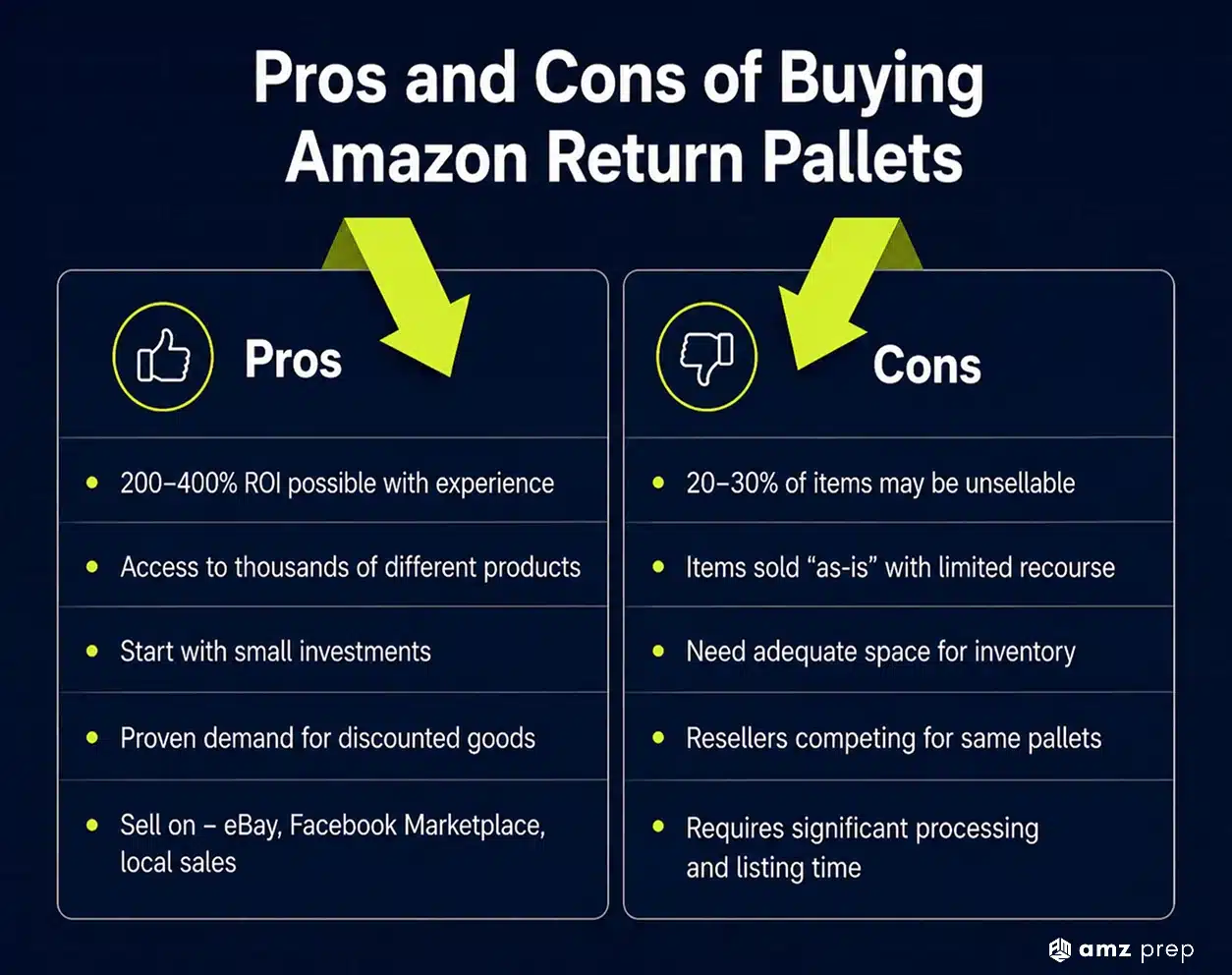
Where to Buy Amazon Return Pallets
Amazon does not sell return pallets directly through its main retail site. It works through a network of authorized liquidation platforms. Below is a breakdown of each major source, including what AMZ Prep observes when pallets from these platforms arrive at our fulfillment network for processing.
1. Amazon Warehouse Deals
Amazon Warehouse Deals sells individual returned items at 20 to 50 percent off, not full pallets. Each unit is graded Like New, Very Good, Good, or Acceptable. It is a lower-risk entry point than a pallet. Our full breakdown covers Amazon Warehouse Deals condition grades and how sellers get listed.
2. Amazon Outlet
Amazon Outlet features brand-new overstock and clearance items at 20-70% discounts. While not technically return pallets, these bulk purchases offer similar profit potential with less risk since items are new and fully functional.
3. Amazon Renewed
Amazon Renewed offers refurbished electronics and gadgets at 30-50% off retail prices. While these are individual items rather than pallets, they provide a lower-risk entry point into Amazon’s returned merchandise market with 90-day guarantees.
Platform Comparison Table
| Platform | Resale Certificate Required | Lot Sizes | Manifest Quality | Best For |
|---|---|---|---|---|
| B-Stock | Yes | Medium to large | Excellent (ASIN-level) | Serious resellers |
| Direct Liquidation | Yes | Small to medium | Very good | Beginners to mid-level |
| BULQ | Yes | Small | Good, flat-rate shipping | Beginners |
| Liquidation.com | Yes | Any | Basic | Experienced buyers |
| 888Lots | No | Small | Excellent | New buyers |
| BlueLots | No | Small to medium | Very good | New buyers |
| Amazon Bulk Liquidation Store | ATEP enrollment | Fixed lots | Fixed price, no auction | Buyers avoiding auctions |
| Local bin stores | No | Per item | None | Zero-barrier entry |
1. B-Stock (Amazon’s Official Liquidation Partner)
B-Stock is where Amazon liquidates returned and overstock inventory at the B2B level. Manifest accuracy here is the highest in the industry, around 85 to 90 percent based on what we see when those pallets arrive at AMZ Prep for processing.
You need a resale certificate to register. Competition has increased significantly as professional resellers with dedicated warehouses entered the market, so do not expect the margins that existed a few years ago. Photograph every pallet before unloading a single box the moment the truck arrives. Discrepancies happen and documentation is your only protection.
Best for: Serious resellers who want the most transparent inventory sourcing and can compete on price.
How Amazon Liquidation Auctions Work
Amazon liquidation auctions are timed B2B bidding events. B-Stock runs the official Amazon Liquidation Auctions marketplace. Liquidation.com runs continuous auctions across many retailers including Amazon.
The format matters for your cost math.
Bidding windows run 3 to 7 days on standard auctions. Some platforms run 24-hour flash lots.
Buyer’s premium adds 10 to 15 percent on top of your winning bid. A $400 bid becomes $460 before freight.
Freight is quoted after you win on most auction platforms. This is where new buyers lose money. Pull a freight quote to your ZIP code before you place a bid, not after.
Reserve prices are common on higher-value lots. If the reserve is not met, the lot relists rather than selling.
Auctions ending Monday through Wednesday draw less competition than weekend closes.
2. Direct Liquidation
Direct Liquidation sources returns and overstock from Amazon, Walmart, Target, and other major retailers under one platform. Lot sizes are smaller than B-Stock, making it a better entry point for buyers testing a category without committing to a large pallet.
Kitchen and home appliance pallets from this platform frequently arrive missing power cords or mounting hardware. Budget $3 to $5 per item for replacement parts in that category before calculating your margin.
Best for: Resellers who want multi-retailer sourcing and prefer smaller lot sizes.
3. BULQ
BULQ offers flat-rate shipping on smaller lots, which makes total cost calculation straightforward. For buyers who have been caught off guard by surprise freight bills, this predictability is worth the slightly higher per-unit cost.
Best for: Buyers who want to control landed cost without running separate freight quotes on every auction.
4. Liquidation.com
One of the oldest liquidation marketplaces in North America, running continuous auctions with starting bids as low as $100. Manifests here are thinner than B-Stock. You get basic condition grades and categories, not ASIN-level detail. Freight is calculated separately and not visible until after you win. Never bid here without pulling a freight quote first.
Best for: Experienced buyers comfortable with salvage-grade variability and manual cost calculations.
5. 888Lots
888Lots specializes in smaller lots with manifests that include ASINs, UPCs, and Amazon sales rank. First-time buyers get 60 percent off their first order. Condition consistency varies, but the manifest detail at this price point makes it a good learning platform.
Best for: New buyers who want data before committing money.
6. BlueLots
BlueLots runs a similar model to 888Lots with detailed manifests and smaller minimums. Customer support response when a pallet arrives differently than described tends to be faster here than on the larger platforms.
Best for: New buyers who want responsive support alongside good manifest detail.
Amazon Pallets for Sale Near Me: How to Buy Locally
Buying locally eliminates LTL freight costs entirely, often the single biggest expense after the pallet price. Here is how to find sources near you.
Regional liquidation warehouses: Search “liquidation warehouse [your city]” on Google. Many regional operators buy truckloads from major platforms and resell individual pallets locally. The markup is real, but it is often less than what you would pay in freight.
Bin stores: Physical retail locations that buy liquidation truckloads and sell everything in bins at $5 to $10 per item. No resale certificate required, no minimum purchase, and you pick exactly what you want. Search “bin store [your city]” to find nearby locations. Margins per item are thinner, but the barrier to entry is zero.
Facebook Marketplace (with caution): Legitimate small operators who run bin stores sometimes list surplus pallets locally. Always inspect in person before paying. Never pay via Venmo or wire transfer without seeing the inventory.
Local auction houses: Many regional auction houses run liquidation lots weekly, sourced from contractor returns, store closeouts, and Amazon inventory that has filtered down through regional distributors.
The liquidation supply chain works in four tiers: Amazon sells to major liquidators at 20 to 30 cents on the dollar, major liquidators sell to regional resellers, regional resellers sell to bin stores, and bin stores sell to consumers. The further down the chain you buy, the more has already been picked over, but your shipping cost drops to zero.
B2B Amazon Pallets: Buying at Business Scale
B2B Amazon pallets are wholesale lots sold to registered businesses rather than individual buyers. The entire authorized liquidation market runs on this model. That is why a tax ID and resale certificate come up on every legitimate platform.
What separates B2B buying from single-pallet buying
| Factor | Single pallet buyer | B2B buyer |
|---|---|---|
| Typical lot size | 1 pallet, 50 to 300 items | 4 to 24 pallets, or full truckload |
| Cost per item | $3 to $6 | $1 to $3 |
| Freight per pallet | $150 to $600 | Lower per unit on FTL |
| Registration | Resale certificate | Resale certificate and business tax ID |
| Processing need | Garage or spare room | Dock, forklift, and staff or a 3PL |
| Manifest access | Standard | Early access on established accounts |
Who buys B2B Amazon pallets
Bin store operators restocking weekly. Flea market and discount retail vendors. Online resellers running steady eBay or Amazon volume. Regional liquidators reselling into smaller markets.
The freight math changes at volume
Single pallets ship LTL. Freight per pallet stays high. At four pallets or more, FTL and consolidated freight bring cost per unit down sharply. Our LTL freight and FTL freight pages break down when each mode makes sense.
Where processing capacity becomes the constraint
A 300-item pallet takes 20 to 40 hours to sort, test, clean, and list. At four pallets a month, that is a full-time job before a single item sells.
This is the point where most B2B buyers outsource. AMZ Prep receives B2B Amazon pallets directly at our fulfillment centers. We inspect, grade, photograph, and prep inventory for FBA or DTC. Buyers skip the storage and the sorting labor entirely.
How to Read an Amazon Liquidation Pallet Manifest (Step-by-Step Guide)
A manifest is the single most important document in pallet buying. It lists every item, condition, and retail value before you bid. Never buy Amazon liquidation pallets, warehouse overstock, or bulk pallets without a manifest unless you are deliberately purchasing a mystery lot priced to reflect that risk.
What a Legitimate Manifest Includes
- ASIN (Amazon Standard Identification Number)
- Item description (brand, model, product name)
- Quantity (how many units of each item)
- Condition code (New, Like-New, Used, Damaged, Salvage, Uninspected)
- Retail value (original MSRP, not your expected resale price)
- Total manifest value (sum of all items at retail)
Example manifest entry
- ASIN: B08N5WRWNW
- Description: Echo Dot (4th Gen) | Smart Speaker with Alexa | Charcoal
- Quantity: 12
- Condition: Customer Returns – Uninspected
- Retail Value: $49.99 each | $599.88 total
Step-by-Step: How to Evaluate a Manifest Before Bidding
Step 1: Look up the top 5 highest-value items on eBay
Do not use current listings. Filter by ‘Sold listings’ to see what items ACTUALLY sell for, not what sellers are asking.
Example:
Manifest shows: ‘Apple AirPods Pro (2nd Gen) – Retail $249’
eBay sold listings show: ‘Apple AirPods Pro (2nd Gen) – Used – Sold for $120-$150’
Your realistic resale value: **$135** (not $249)
Step 2: Calculate realistic total resale value
Add up the eBay sold prices for your top 5 items. If those five items do not cover at least 50% of your total landed cost (pallet price + freight + buyer’s premium), the risk is too high.
Formula:
Top 5 items resale value ≥ (Pallet bid + Freight + Buyer’s premium) × 0.50
Example
- Pallet winning bid: $500
- Freight cost: $200
- Buyer’s premium (15%): $75
- Total landed cost: $775
Your top 5 items need to sell for at least $388 to justify the bid.
Step 3: Read condition codes carefully
Condition code is the number that decides your margin. The grade table earlier in this guide lists sellable percentages for each code. Read it before you place a bid.
Critical warning: ‘Uninspected Returns’ means Amazon never tested items after customers sent them back. One customer returned a TV because it did not fit the wall. Another returned one because it stopped working. You get both.
Critical warning:
‘Uninspected Returns’ means Amazon never tested items after customers sent them back. One customer might have returned a TV because ‘it didn’t fit the wall’ (Brand New). Another might have returned a TV because ‘I threw a brick at it’ (Trash). You get both.
Step 4: Check category concentration
A pallet with 20 different product types gives you more resale flexibility than 150 units of the same item. Avoid pallets concentrated in a single SKU unless you have a proven channel for moving volume.
Step 5: Flag lithium-ion battery items
Items with lithium batteries (laptops, phones, power banks, e-bikes) carry hazmat shipping surcharges of $15-$30 per shipment via UPS/FedEx. On a $30 item, that wipes your margin.
Battery-heavy categories to watch:
- Electronics (laptops, tablets, phones)
- Power tools (drills, saws, trimmers)
- Toys (RC cars, drones)
- Personal care (electric toothbrushes, shavers)
What If There’s No Manifest? (Mystery Pallets)
If buying a mystery pallet (no manifest provided):
1. Apply a 30-40% discount to whatever resale value you estimate
2. Assume 60-70% of items will be junk or unsellable
3. Only bid on mystery pallets if the price is under $200 for your first few purchases
AMZ Prep’s recommendation:
Never buy your first 3-5 pallets without a manifest. Learn the industry with data, then experiment with mystery lots once you understand condition variability.
Tools for Manifest Analysis
Free tools
- eBay sold listings: Real market prices (not asking prices)
- Keepa (free Chrome extension): Amazon price history for ASIN lookup
- CamelCamelCamel: Tracks Amazon price drops and sales rank
Paid tools (optional)
- SellerApp: FBA profitability calculator
- Helium 10: Keyword research and sales estimates
- Jungle Scout: Product research and demand forecasting
You do not need paid tools for your first 10 pallets. eBay sold listings + basic math is sufficient.
Cherry-Picking: Why the Manifest and the Pallet Differ
Pallets pass through multiple hands before they reach you. At each stop, someone can pull the highest-value items and resell them separately. What arrives is what was left.
Signs a pallet was picked over: manifest retail value looks unusually high for the asking price, the lot has been relisted more than once, or the seller is a regional reseller rather than a primary contract holder.
How to protect yourself: buy from primary platforms with direct retailer contracts. Photograph the pallet on arrival before opening anything. Compare item count against the manifest before you unload.
How to Buy Amazon Return Pallets: Step-by-Step Process
Now that you know where to buy, here’s the exact process for purchasing your first Amazon return pallet. This step-by-step guide applies to most liquidation platforms.
Step 1: Register for a Business Account
Most liquidation platforms require business registration to purchase pallets.
What You’ll Need:
- Business name and address (even sole proprietorships qualify)
- Tax ID/EIN or SSN (for sole proprietors)
- Resale certificate (exempts you from sales tax in most states)
- Valid payment method (credit card or bank account)
Platforms That Require Business Registration:
- B-Stock Solutions: Business verification required
- Direct Liquidation: Business account mandatory
- Liquidation.com: Business registration preferred
Platforms With Individual Buyer Options:
- BULQ: Allows individual buyers
- Local warehouses: Often cash-friendly
- Facebook Marketplace: No business requirement
Processing Time: Registration takes 1-3 business days for verification on most platforms.
Tip: If you’re planning to sell on Amazon FBA, you’ll need a resale certificate anyway. Apply for this first as it’s free in most states and takes 2-5 business days.
Step 2: Research Available Pallets
Before bidding or buying, conduct thorough research on available inventory.
What to Review:
1. Manifest Details (if provided):
- Product categories and quantities
- Brand names and ASINs
- Original retail value (MSRP)
- Condition codes (New, Like New, Used, Damaged)
2. Pallet Specifications:
- Physical dimensions and weight
- Item count (100, 300, 500+ pieces)
- Mixed vs single-category pallets
3. Condition Estimates:
- Percentage breakdown by condition
- Returns reasons (customer return, overstock, damaged packaging)
- Whether items have been tested
How to Evaluate Potential ROI:
Quick ROI Formula:
1. Total MSRP from manifest: $5,000
2. Estimated sellable value (40% of MSRP): $2,000
3. Pallet cost + shipping: $600
4. Processing/prep costs: $300
5. Potential profit: $2,000 – $900 = $1,100
6. ROI: ($1,100 / $900) × 100 = 122%
Research Tools:
- Check sold listings on eBay for actual market prices
- Use SellerApp or Helium 10 to verify Amazon FBA profitability
- Search Keepa for price history
- Calculate FBA fees using Amazon’s FBA calculator
Common Mistake: Basing purchase decisions on MSRP instead of actual resale value. Always research current market prices for items in the manifest.
Step 3: Set Your Budget and Maximum Bid
Determine your spending limit before entering auctions to avoid emotional bidding.
Budget Components to Consider:
| Cost Category | Typical Range | Notes |
|---|---|---|
| Pallet cost | $200-$2,000 | Base purchase price |
| Shipping | $100-$400 | Varies by distance/weight |
| Processing supplies | $50-$150 | Cleaning, poly bags, labels |
| Storage costs | $0-$300 | If renting space |
| FBA prep & shipping | $100-$300 | If using FBA |
| Total Investment | $450-$3,150 | Plan for maximum range |
Maximum Bid Calculation:
Conservative Bidding Strategy:
1. Take manifest total MSRP: $5,000
2. Apply 40% realistic resale factor: $2,000
3. Take 40% of that as max bid: $800
4. This ensures 2.5X return on investment
Suggestion: First-time buyers should cap the bid at 10 percent of manifest MSRP. On a $5,000 manifest, that is $500. Tighten the cap until you have processed three pallets and know your real sellable rate.
Step 4: Place Your Bid or Purchase
For Auction-Based Platforms (B-Stock, Liquidation.com):
Bidding Strategies:
- Snipe Bidding: Place bid in final 30 seconds (reduces competition)
- Proxy Bidding: Set maximum bid, let system auto-bid up to your limit
- Off-Peak Bidding: Auctions ending 2-5 AM have less competition
Auction Types:
- Standard Auctions: 3-7 day bidding windows
- Buy Now: Fixed price, immediate purchase
- Dutch Auctions: Multiple identical lots, price decreases over time
Timing Tip: Monday-Wednesday auctions typically have 15-20% less competition than Friday-Sunday auctions.
For Fixed-Price Platforms (BULQ, some Direct Liquidation):
- Browse available inventory
- Add to cart
- Review shipping quote
- Complete purchase immediately
- No bidding competition
Step 5: Arrange Payment and Shipping
Payment Methods Accepted:
- Credit/debit cards (most common)
- ACH bank transfer (for large purchases $2,000+)
- Wire transfer (international buyers)
- PayPal (select platforms)
Shipping Options:
Freight Shipping (Most Common for Pallets):
- LTL (Less Than Truckload): For 1-6 pallets
- FTL (Full Truckload): For 10+ pallets
- Cost: $100-$400 depending on distance
Shipping to Business vs Residential:
- Business address: Standard freight delivery
- Residential address: Add $50-$150 for liftgate service (required to unload)
Delivery Timeframes:
- Regional (same state): 3-5 business days
- National: 5-10 business days
- Expedited: 1-3 days (expensive)
AMZ Prep Option: Ship directly to our warehouse for immediate processing. We receive, inspect, and prep your inventory without requiring storage space on your end.
Step 6: Track Your Order and Prepare for Arrival
After Purchase Confirmation:
Save all documentation:
- Purchase receipt
- Manifest (download and print)
- Tracking number
- Shipping BOL (Bill of Lading)
Prepare receiving space:
- Clear 6′ × 6′ area minimum
- Have hand truck or pallet jack ready
- Ensure easy access for freight truck
Plan your inspection schedule:
- Block 4-8 hours for initial inspection
- Have cleaning supplies ready
- Prepare sorting/labeling system
Step 7: Document Everything for Tax and Business Records
Required Documentation:
- Purchase invoice (tax deduction)
- Manifest with MSRP values
- Shipping receipts
- Photos of received condition
- Spreadsheet tracking:
- Purchase cost per item
- Processing/prep costs
- Selling price
- Profit margin
Why This Matters:
- Tax reporting (business expense deductions)
- ROI analysis (determine profitable suppliers)
- Inventory management (track what sells vs doesn’t)
Common Buying Mistakes to Avoid
Mistake 1: Bidding Without Shipping Quote
- Always request shipping estimate before bidding
- Shipping can equal or exceed pallet cost for distant locations
Mistake 2: Ignoring Manifest Condition Codes
- “Salvage” = likely 60-80% unsellable
- “Untested returns” = expect 30-40% defects
- “Like New” from reputable sellers = 80-90% sellable
Mistake 3: Buying Without Storage Plan
- One pallet = 1,000+ lbs, 4′ × 4′ × 6′ space
- 300-item pallet takes 20-40 hours to process
- Need organized space for sorting/storing inventory
Mistake 4: Starting Too Big
- Begin with small pallet (100-150 items) to learn process
- Test processing time and ROI before scaling
- First pallet is education, not profit maximization
How to Profit from Amazon Return Pallets
Realistic ROI by pallet type
- Overstock and shelf-pull pallets: 40 to 80 percent, items are new and unplayed with
- Manifested customer return pallets: 30 to 60 percent when resale value is verified before bidding
- Unmanifested mystery pallets: 0 to 40 percent, treat anything higher as a bonus
Best resale platform by product type
- Amazon FBA: electronics, collectibles, open-box products with existing ASIN demand
- eBay: brand-name items, unique items, open-box products missing accessories
- Facebook Marketplace: large furniture, appliances, items not worth shipping
- Poshmark and Mercari: clothing, shoes, branded apparel
- Whatnot: toys, games, collectibles, electronics where live unboxing drives sales
What we see when reseller pallets arrive at our docks
Manifest accuracy is the variable that decides profit. B-Stock pallets track closest to their manifest. Multi-retailer platforms run looser, especially on kitchen and appliance lots where cords and mounting hardware go missing.
Photograph the pallet before you unload one box. Shrink wrap intact, all four sides, and the pallet label. Discrepancy claims without arrival photos almost never get paid.
Sort into three bins on day one: sells as-is, needs work, and dispose. Resellers who skip the day-one sort end up storing dead inventory for months.
Why Holiday Season is Prime Time for Amazon Return Pallets
The period from January through March represents the golden window for purchasing Amazon return pallets. Here’s why savvy resellers mark their calendars for post-holiday liquidation sales.
The Post-Holiday Returns Surge
For the 2026 holiday season, Amazon’s extended return policy allows purchases made between November 1 and December 31, 2026 to be returned until January 31, 2027. This creates a massive wave of returns flooding Amazon’s reverse logistics system throughout January and early February.
What This Means for Pallet Buyers:
Higher Inventory Volume: Return pallet availability increases by approximately 20% each January compared to other months. More pallets mean more options and potentially better deals.
Gift Returns = Better Condition: Many holiday returns are unwanted gifts rather than defective products. These items are often unopened, unused, or in like-new condition – perfect for reselling.
Category Opportunities: Electronics, toys, home goods, and fashion items see the highest return rates during this period, offering diverse inventory options.
Competitive Pricing: With the surge of returned inventory, liquidation companies need to move volume quickly, often resulting in lower pallet prices and better auction opportunities.
Best Categories During Holiday Return Season
Based on historical data, these categories see the most profitable returns during January-March:
Electronics & Tech Gadgets
- Unwanted tech gifts (headphones, smart speakers, tablets)
- Opened-but-unused items with full functionality
- Often include original packaging and accessories
- Strong resale demand as people spend holiday gift cards
Toys & Games
- Wrong age range or duplicate gifts
- Primarily unopened or complete sets
- High turnover potential if listed by spring
Clothing & Fashion
- Wrong sizes or colors (easy to resell)
- Brand-name apparel with tags attached
- Seasonal clearance combines with returns
Home & Kitchen
- Duplicate wedding/holiday gifts
- Unused appliances and décor
- Complete sets with all components
Strategic Timing: When to Buy Holiday Return Pallets
January (Weeks 2-4):
- Highest volume of returns processed
- Most competitive bidding period
- Best for experienced buyers who can move inventory quickly
February (Early-Mid):
- Volume still strong but competition decreases
- Better deals as liquidators prioritize warehouse space
- Ideal timing for newer resellers
March Opportunities (Weeks 1-2):
- Final wave of extended returns
- Deeper discounts to clear remaining inventory
- Good for buyers with storage capacity
What to Expect from Holiday Return Pallets
Condition Breakdown (Typical Holiday Returns):
- 40-50% Like New/Unopened: Significantly higher than regular pallets (20-30%)
- 30-40% Very Good: Lightly used or open-box items
- 10-20% Needs Minor Work: Missing accessories, cosmetic issues
- 5-10% Unsellable: Damaged or incomplete
ROI Potential: Holiday return pallets typically offer 15-25% better profit margins than standard pallets due to higher-quality inventory. Many items can be resold at 60-80% of retail value instead of the typical 40-60%.
Where to Sell Amazon Return Pallet Items
After purchasing and processing your Amazon return pallet, the next critical decision is choosing the right sales channels. Each platform has different requirements, fees, and ideal product types.
Based on our experience processing pallets for 500+ resellers, here are the best platforms for selling return pallet inventory.
Amazon FBA (Fulfillment by Amazon)
Best For: New and like-new branded items, electronics, home goods
Requirements:
- Amazon seller account ($39.99/month Professional plan)
- Products must meet Amazon’s condition guidelines
- Items need UPC/EAN barcodes
- FBA prep requirements (poly bags, labels, case packs)
Fees:
- Referral fee: 8-15% of selling price (varies by category)
- FBA fulfillment fee: $3-6 per item (varies by size/weight)
- Monthly storage: $0.75-2.40 per cubic foot
Ideal Products from Pallets: Electronics (tested and working), Home & kitchen items (new or like-new), toys & games (sealed or complete), Books, media (good condition), and Health & beauty (unopened, unexpired).
Profit Potential: 30-60% margins on properly sourced items
Pros:
- Massive customer base (300M+ active users)
- Amazon handles shipping, returns, customer service
- Prime eligibility increases sales velocity
- Buy Box eligibility for competitive pricing
Cons:
- Strict condition requirements (rejects cost money)
- Higher fees reduce margins on low-cost items
- Storage fees for slow-moving inventory
- Requires FBA prep compliance
AMZ Prep Solution: We handle complete FBA prep for pallet inventory – inspection, testing, labeling, poly bagging, case packing, and shipping to Amazon warehouses.
eBay
Best For: Used items, electronics, collectibles, open-box products
Requirements:
- Free to create seller account
- PayPal or Managed Payments account
- No condition restrictions (can sell “as-is”)
Fees:
- Insertion fee: $0-0.35 per listing (50 free/month)
- Final value fee: 12-15% of total sale
- Optional promoted listings: 1-20% ad fee
Ideal Products from Pallets: Electronics (even if defective—sell for parts), Brand-name items (high search volume), Unique/collectible items, Open-box or missing accessories, and Items Amazon rejects for minor defects.
Profit Potential: 40-80% margins on specialty items
Facebook Marketplace
Best For: Large items, local sales, furniture, bulk lots
Requirements:
- Facebook account (free)
- Local pickup or shipping options
- Clear photos and descriptions
Fees:
- Local sales (pickup): FREE
- Shipped sales: 5% fee ($0.40 minimum)
Ideal Products from Pallets: Large furniture or appliances, Bulk lots (“mystery boxes”), Items not worth shipping costs, Local demand products, Exercise equipment, and outdoor gear.
Profit Potential: 50-100% margins (no fees for local pickup)
Poshmark
Best For: Clothing, shoes, accessories, fashion items
Fees:
- Sales under $15: Flat $2.95 fee
- Sales $15+: 20% commission
Ideal Products from Pallets: Brand-name clothing, Designer shoes and handbags, Jewelry and accessories, and Athletic wear (Lululemon, Nike, Adidas).
Profit Potential: 40-70% margins on brand-name apparel
Mercari
Best For: General merchandise, trending items, collectibles
Fees:
- 10% selling fee (lower than most platforms)
- Payment processing: 2.9% + $0.30
Ideal Products from Pallets: Toys and collectibles, Electronics and gadgets, Beauty products, and Household items.
Profit Potential: 35-60% margins
Platform Comparison Table
| Platform | Fees | Best For | Effort Level | Profit Margin |
|---|---|---|---|---|
| Amazon FBA | 8-15% + $3-6 fulfillment | New/like-new branded items | Medium | 30-60% |
| eBay | 12-15% | Used, collectibles, electronics | High | 40-80% |
| Facebook Marketplace | 0-5% | Large items, local sales | Low | 50-100% |
| Poshmark | 20% | Fashion, designer apparel | Medium | 40-70% |
| Mercari | 10% | General merchandise | Low | 35-60% |
How to Sell Amazon Return Pallet Items: Step-by-Step Strategy
Success in the return pallet business depends on how efficiently you process, list, and sell your inventory. Here’s the proven process our clients use to maximize profits.
Step 1: Inspect and Grade Every Item
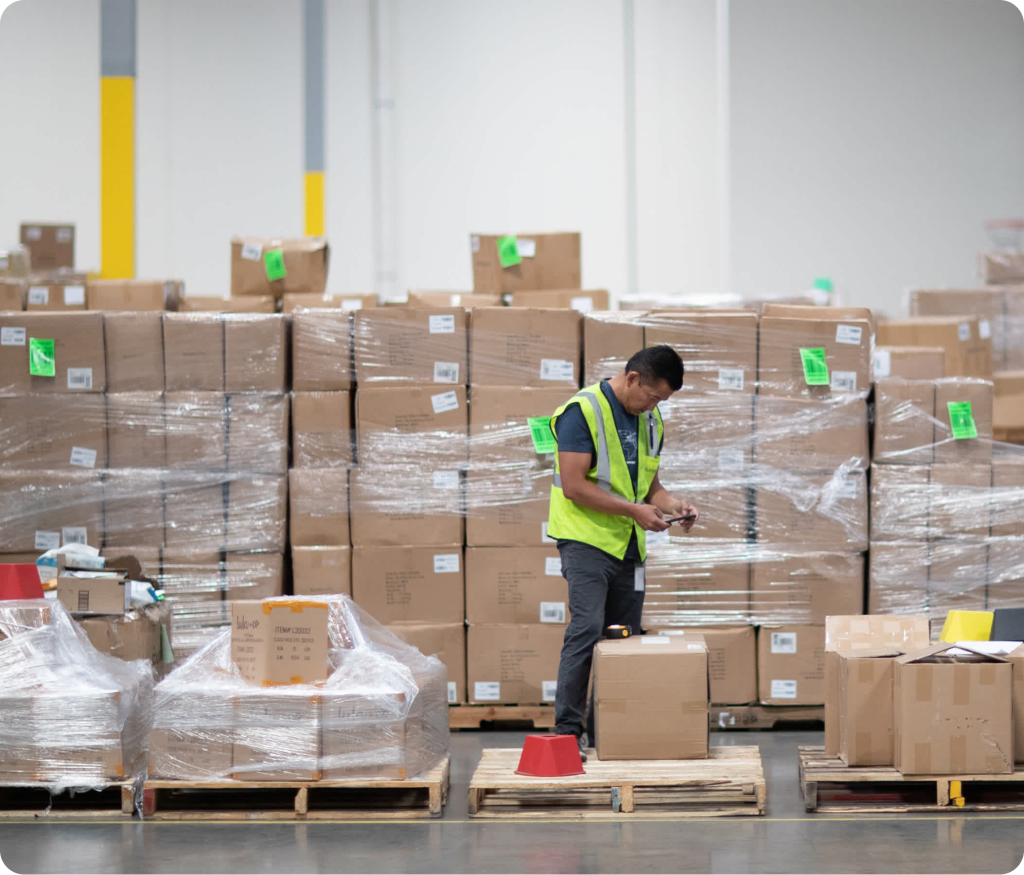
Upon receiving your pallet, conduct a thorough item-by-item inspection. This determines your selling strategy for each product.
Grading System (Use Industry Standards):
New (Factory Sealed):
- Original packaging unopened
- Factory shrink wrap intact
- No visible damage to box
- Selling platforms: Amazon FBA, eBay (New condition)
- Expected value: 60-80% of retail price
Like New (Open Box):
- Packaging opened but item unused
- All original accessories present
- No signs of wear
- Selling platforms: Amazon FBA (Used-Like New), eBay
- Expected value: 50-70% of retail price
Very Good:
- Item used lightly, minimal wear
- Fully functional, all features work
- May have minor cosmetic imperfections
- Selling platforms: eBay, Mercari, Facebook
- Expected value: 40-60% of retail price
Good:
- Item shows moderate wear
- Fully functional but visible use
- May be missing non-essential accessories
- Selling platforms: eBay, Facebook Marketplace
- Expected value: 30-50% of retail price
Acceptable/For Parts:
- Significant wear or defects
- May not be fully functional
- Selling platforms: eBay (For Parts), local sales
- Expected value: 10-30% of retail price
Step 2: Clean and Repackage with Care
Once you know what’s worth selling, make those items look as good as new.
Cleaning Process:
- Clean every item thoroughly
- Pay special attention to electronics, kitchenware, toys
- Remove old stickers or barcodes
- Polish surfaces, remove dust and fingerprints
Repackaging:
- Use polybags, shrink wrap, or new boxes
- Create product bundles where applicable
- Make items look professional and retail-ready
- Include all necessary accessories
Tip: Professional presentation increases perceived value by 20-30%. Items that look retail-ready sell faster and at higher prices.
Step 3: Test Electronics and Verify Functionality
For Electronics (Critical):
Power on and verify basic functions:
- Phones/tablets: Check screen, buttons, charging port, battery health
- Headphones/speakers: Test audio quality, Bluetooth connectivity
- Appliances: Run through full cycle, check all settings
- Cables/chargers: Verify they work with appropriate devices
Document condition:
- Take photos of working screens
- Note any defects or missing features
- Test all ports and connections
- Check for locks, passwords, or activation issues
Common Issue: Electronics from return pallets are often locked to previous accounts (iCloud, Google, Samsung). Items that cannot be unlocked should be sold “for parts” only.
Step 4: Research Market Prices
Before listing, research what similar items actually sell for (not just what they’re listed at).
Price Research Steps:
- eBay Sold Listings:
- Search your item
- Filter by “Sold Items”
- Look at condition-matched sales
- Note average selling price
- Amazon Current Prices:
- Search ASIN or product name
- Check “Used & New” offers
- Note Buy Box price
- Calculate fees with FBA calculator
- Competition Analysis:
- How many similar listings exist?
- What condition are competitors offering?
- How are top sellers pricing?
- What’s the sales rank (velocity indicator)?
Pricing Strategy:
- Price 5-10% below competition for faster sales
- Factor in ALL fees when calculating profit
- Consider bundle deals for slow-moving items
Step 5: Create Compelling Listings
Photography (Most Important):
Requirements for strong listings:
- Minimum 5-8 photos per item
- Well-lit, white or neutral background
- Show all angles (front, back, sides, top, bottom)
- Photograph any defects or wear
- Include close-ups of brand labels, model numbers
- Show all accessories included
Title Optimization:
Include these elements:
- Brand name
- Model number or key features
- Condition
- Size/color/capacity
- Key benefits
Example: Bad: “Bluetooth Speaker” Good: “JBL Flip 5 Bluetooth Speaker Black Waterproof Used – Excellent Condition”
Description Writing:
Essential components:
- Condition statement (be honest and detailed)
- What’s included (accessories, packaging, manuals)
- Defects or issues (transparency builds trust)
- Functionality confirmation (tested and working)
- Shipping and return policies
AMZ Prep Client Best Practice: Listings with 8+ photos and detailed condition descriptions have 40% fewer returns than minimal listings.
Step 6: Choose Optimal Pricing Strategy
Pricing Models:
1. Competitive Pricing (Fast Turnover):
- Price 5-10% below lowest competitor
- Good for items with high competition
- Maximizes sales velocity
- Lower margins but faster cash flow
2. Value Pricing (Maximum Profit):
- Price based on condition quality and completeness
- Good for rare or low-competition items
- Higher margins but slower sales
- Requires patience
3. Bundle Pricing (Increase Average Order Value):
- Group related items together
- Example: Phone + case + charger
- Increases perceived value
- Moves slower items faster
Step 7: Optimize Your Listings for Each Platform
Amazon FBA Specific:
- Use Fulfillment by Amazon for Prime badge
- Optimize for relevant keywords (backend search terms)
- Ensure UPC/EAN codes are correct
- Follow FBA prep guidelines exactly
- Check whether your items qualify for Low-Price FBA rates, which replaced the older Small and Light program
eBay Specific:
- Use “Good ‘Til Cancelled” listings
- Enable Best Offer (negotiation option)
- Use promoted listings (1-5% ad rate)
- Offer combined shipping discounts
- List during peak traffic times (evenings, weekends)
Facebook Marketplace Specific:
- Use local keywords (“near me,” city name)
- Enable both pickup and shipping
- Respond quickly to inquiries (within 1 hour)
- Consider cross-posting to local buy/sell groups
Step 8: Provide Excellent Customer Service
Response Times:
- Answer questions within 2-4 hours
- Process orders same-day or next-day
- Provide tracking numbers immediately
- Follow up on delivery confirmation
Returns Management:
- Accept returns gracefully (builds reputation)
- Process refunds quickly (within 24 hours)
- Use returns data to improve quality control
- Factor 5-10% return rate into pricing
Long-Term Strategy: Sellers with 4.8+ star ratings sell 60% faster than those below 4.5 stars.
Step 9: Track Performance and Optimize
Metrics to Monitor:
| Metric | Good Performance | Action If Below Target |
|---|---|---|
| Sell-through rate | 70-80% within 90 days | Reduce prices or improve listings |
| Average margin | 35-50% | Source better pallets or optimize pricing |
| Return rate | <10% | Improve listing accuracy/photos |
| Time to sale | <30 days average | Improve pricing or listing quality |
| Inventory turnover | 4-6X per year | Focus on faster-moving categories |
Continuous Improvement:
- Review which categories sell fastest
- Identify which platforms yield highest margins
- Adjust sourcing strategy based on what works
- Scale up successful patterns, eliminate losers
How 3PL Services Like AMZ Prep Can Help
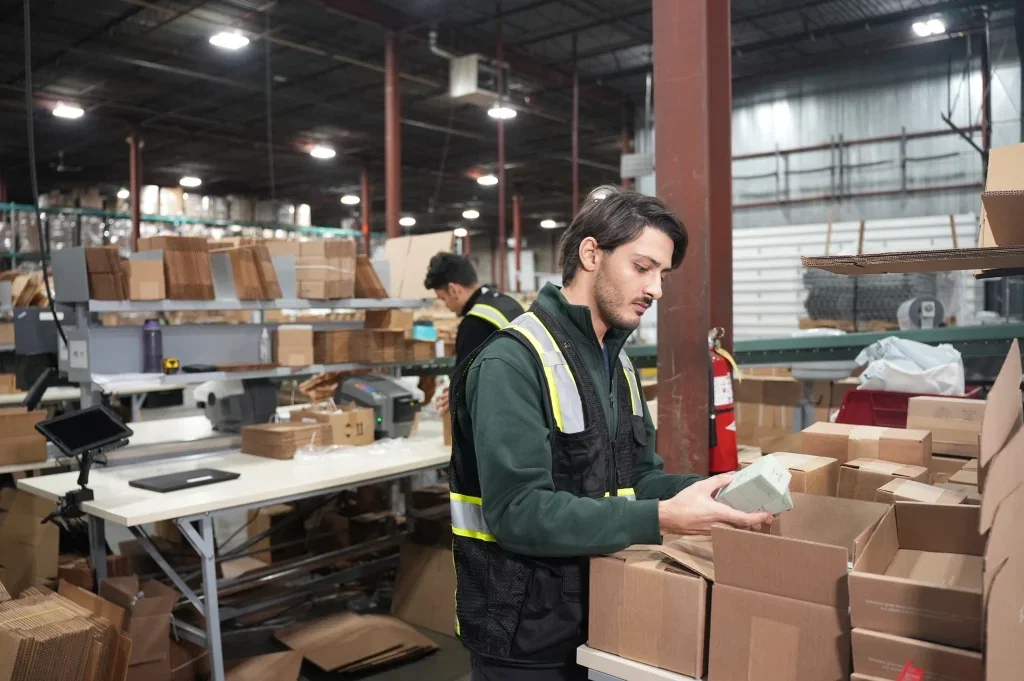
A return management services provider can significantly simplify your Amazon return pallet business by handling the most time-consuming aspects of the process.
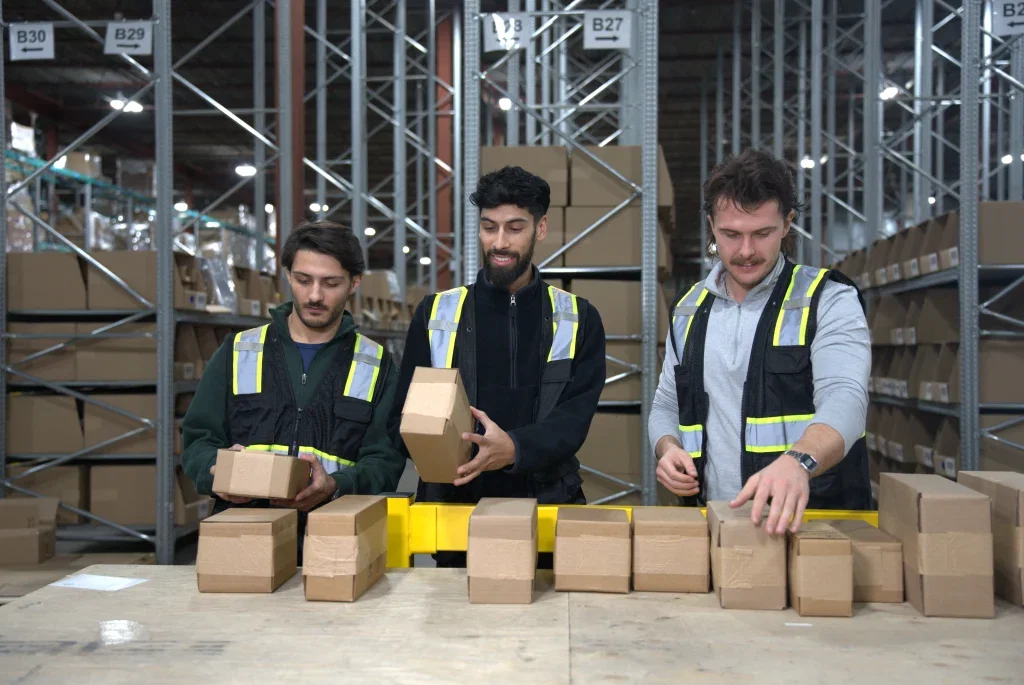
What Services AMZ Prep Offer:
- Inventory Processing: Receive, inspect, and catalog your pallet items
- Product Preparation: Clean, test, and prepare items for sale
- Amazon FBA Prep: Handle labeling, packaging, and shipping to Amazon warehouses
Key Benefits of Using 3PL Services:
When to Consider 3PL Services:
- Processing more than 2-3 pallets per month
- Lack of storage space or processing time
- Want to focus on business growth rather than operations
- Need professional-quality listings and photos
- Ready to scale beyond hobby-level operations
Cost Considerations:
Most 3PL services charge per item processed ($1-5 per item) plus storage fees. While this reduces profit margins, the time savings and professional quality often result in higher overall profits and business growth.
Final Thoughts
Amazon return pallets require work, space, and risk tolerance – not a passive income source.
If you enjoy “treasure hunting” and can properly process items, they offer a legitimate entry into reselling with growth potential.
For resellers, these pallets provide cost-effective inventory that can increase profit margins compared to retail arbitrage.
As operations grow, logistics becomes challenging, which is where services like AMZ Prep can help with fulfillment needs.
Whether building a side hustle or full-time business, success comes from careful preparation. Start with research, begin small, focus on quality, and consider partnerships as you scale.
FAQs
Are Amazon pallet liquidations real?
Yes. Amazon liquidation pallets are real and sold through authorized platforms like B-Stock, Direct Liquidation, and Liquidation.com. Most require a business tax ID and resale certificate. Social media ads offering $99 pallets are scams.
How much does a pallet of Amazon returns cost?
Most single Amazon return pallets cost $300 to $600 before freight. Manifested electronics pallets run $600 to $1,500. Freight adds $150 to $600. Buyer’s premium adds another 10 to 15 percent.
Are Amazon return pallets worth it?
Manifested pallets are worth it for resellers who verify resale value before bidding. Expect 20 to 30 percent of items sellable immediately. Unmanifested mystery pallets carry much higher risk and thinner returns.
Where to buy Amazon return pallets from?
Buy from B-Stock, Direct Liquidation, BULQ, Liquidation.com, 888Lots, BlueLots, or the Amazon Bulk Liquidation Store. Local bin stores and regional liquidation warehouses sell pallets without freight costs or resale certificates.
What is an Amazon mystery pallet?
An Amazon mystery pallet is an unmanifested lot sold without an item list. Contents are unknown until delivery. Expect 60 to 70 percent unsellable. Price under $200 for a first purchase.
What are Amazon liquidation auctions?
Amazon liquidation auctions are timed B2B bidding events on platforms like B-Stock and Liquidation.com. Registered buyers bid on manifested pallets and truckloads. Winning bids add a buyer’s premium of 10 to 15 percent.
What are B2B Amazon pallets?
B2B Amazon pallets are wholesale lots sold to registered businesses rather than individual buyers. They require a tax ID and resale certificate. Lot sizes range from single pallets to full truckloads.
What are amazon liquidation pallets?
Amazon liquidation pallets are bulk lots of returned, overstocked, or unsold merchandise sold to resellers through platforms like B-Stock and Direct Liquidation. Pallets contain 100-500 items and cost $200-$2,000 depending on condition grade and manifest detail.
Where can I buy amazon liquidation pallets?
Buy Amazon liquidation pallets from B-Stock, Direct Liquidation, BULQ, Liquidation.com, or Amazon Bulk Liquidation Store. Avoid Facebook and TikTok ads. Legitimate platforms require business registration and ship via freight, not social media scammers promising $99 pallets.
What is the average cost of an Amazon liquidation pallet?
Most Amazon liquidation pallets cost $300 to $600 before freight. Manifested electronics pallets run $600 to $1,500. Freight adds $150 to $600. Buyer’s premium adds 10 to 15 percent.
What is the difference between amazon liquidation pallets and amazon return pallets?
Amazon liquidation pallets and return pallets are the same thing. ‘Liquidation’ is the industry term covering all categories: customer returns, warehouse overstock, and shelf-pulls. Both refer to bulk merchandise Amazon sells instead of restocking individual items.
What are amazon warehouse pallets?
Amazon warehouse pallets contain brand-new, unsold overstock from fulfillment centers. Items never sold to customers and remain in original packaging. Cost $400-$1,200 with 80-95% sellable rates. Lowest risk category for beginners. Available on B-Stock and Direct Liquidation.
What are amazon overstock pallets?
Amazon overstock pallets are identical to warehouse pallets. Both contain brand-new inventory Amazon needs to clear from shelves. Common items include seasonal products, discontinued SKUs, and slow-moving inventory. Expect 80-95% sellable rates at 60-80% of retail value.
What are amazon bulk pallets?
Amazon bulk pallets contain 300-1,000+ items sold at wholesale prices ($500-$2,500+). Best for bin stores, flea market vendors, and high-volume resellers. Not recommended for beginners due to processing requirements and 30-40% unsellable rates in mixed lots.
Do you need a resale certificate to buy amazon liquidation pallets?
Most platforms require a resale certificate and business tax ID. B-Stock, Direct Liquidation, BULQ, and Liquidation.com verify business registration. Exceptions include 888Lots, BlueLots, and local bin stores which allow individual buyers without business credentials.
Are amazon liquidation pallets legit or a scam?
Legitimate Amazon liquidation pallets are real and sold through authorized platforms like B-Stock and Direct Liquidation. Social media ads promising $99 pallets with iPhones are scams. Red flags include Facebook sellers, Venmo payments, and prices under $85 with free shipping.
What should I expect in amazon electronic pallets?
Amazon electronic pallets contain headphones, tablets, smart home devices, and gaming accessories. Expect 30-50% working condition, 20-30% needing repairs, and 20-50% parts-only. Cost $600-$1,500. Always test for power, functionality, and account locks before reselling.
Can I resell amazon liquidation pallets on Amazon FBA?
Yes, if items have existing ASINs, match FBA condition guidelines, and are not account-locked. Cannot resell incomplete items, recalled products, or inventory from Amazon Bulk Liquidation Store. Use eBay or Facebook Marketplace for restricted categories.

Arishekar N is a Vice President (VP) of Marketing at AMZ Prep, specializing in ecommerce fulfillment and Amazon logistics strategies with a proven track record of driving growth for e-commerce businesses. He is a strategic leader with extensive expertise in marketing, e-commerce operations, SEO & advertising, and branding.
Stay updated on his latest insights by following him
















This was super helpful! I’ve seen so many ads about “cheap Amazon pallets” on Facebook and always wondered if they were real. Glad you cleared that up.
Love how detailed this breakdown is! The section about storage really hit home. I didn’t realize how huge these pallets can be.
The “treasure hunting” part makes it sound exciting. Might grab a small toy pallet just to test the waters.
I appreciate the list of legit platforms. I almost fell for one of those sketchy $100 pallet ads on Facebook last month.
Good reminder about taxes and licensing. A lot of people forget reselling is still a business and needs proper reporting.
I like that you mentioned AMZ Prep. Outsourcing the prep part sounds like a game-changer once you start scaling.
I think the “mystery pallets” sound like fun, but probably too risky for me. I’d stick to manifested ones instead.
Been using B-Stock for my pallet purchases and it’s legit. The bidding can get intense, though – set a max budget and stick to it! Lost money on my first few because I got caught up in auction fever
This is exactly what I needed to read before diving into pallet buying! I was about to spend my entire budget on my first pallet without considering shipping and storage costs. The 20-30% success rate reality check is sobering but helpful. Thanks for the honest breakdown!
The cleaning and repackaging section is golden advice. I started taking before/after photos of items I clean up, and the difference in selling price is incredible. A $20 item can easily become $45 with proper presentation.
The storage requirement warning is no joke. My first large pallet was 6 feet tall and I had nowhere to put it. Ended up processing everything in my driveway over a weekend. Now I have a dedicated workspace planned before ordering.
I tried a pallet once half the stuff was junk, but I managed to flip the good items on eBay for a decent profit. Definitely not a passive income thing though.
This article should be required reading for anyone considering pallet flipping. The legal and tax considerations section alone could save people major headaches down the road. Proper record keeping is essential for this business model.
Great article! Do you think electronics pallets are too risky for beginners, or would you recommend starting there?
The 3PL services section caught my attention. I’m processing about 4 pallets monthly now and drowning in the logistics. AMZ Prep sounds like exactly what I need to scale up without losing my sanity. Anyone have experience with them?
This actually makes me want to try a small pallet as a side hustle. Thanks for breaking down the real costs super practical.
Been buying pallets for 8 months now and can confirm everything in this article. That labor estimate of 2-4 hours per $100 of merchandise is spot on. My garage looks like a warehouse explosion most days, but it’s been profitable when I stick to electronics pallets.
So well written piece this is…appreciate your hard work! Keep posting!
Your expertise in eCom and fulfillment is awesome. Love your detailed work on each article.
I just wanted to say that your article is amazing. The clarity of your post is impressive, and I could easily believe you’re an expert on ecommerce. With your permission, I’d like to subscribe to your feed to stay updated with your upcoming posts. Thanks, and please continue the rewarding work.
Great work!
Return Pallets is a mystery and only well researched decisions could help in managing such mysteries.
Thanks for writing such a detailed piece on Return Pallets. Good one!
The tips on inspecting the pallets beforehand are gold! The checklist made it simpler to decide on the pallets. A little preparation can go a long way in maximizing profits. Really appreciate your work!
Thanks Walker! It’s always good to follow a checklist, it ensures the output.
Good one! Insightful and engaging. Looking forward for more.
Your wait ends soon. You may explore new topics every week on our website.
It’s like a mystery box, not everything sells, that’s for sure. But learned the hard way to research what sells well before buying a whole pallet. Thanks for such informative writings.
Definitely Emmett, it’s a mystery box. Research is an important part of making business decisions. Keep reading and keep learning!
Thank you for sharing this article! Your simple and easy ways to present every complex topic keep me coming back to your page.
Thats really good to hear. Thanks for your time and appreciation Myles.
Reading your articles has helped me a lot in understanding the Amazon activities. Ecommerce couldn’t be simpler to understand than reading your articles. Awesome work!
Thats a big one! Your appreciation is our motivation.
Great article! Especially helpful for those new to the world of pallet flipping. Have been planning for Amazon Return Pallets, I’m excited to see what treasures I find!
You should definitely try it out Lennon. Just be sure on the checklist before you opt for it. Detailed research and proper understanding of the pallets and Amazon regulations is a must.
Amazing write-up!
The entire article is good to go with detailed information on Return Pallets.
Thanks Arlo!
Good to read with some really good pinpoints.
Thats good to hear Mackenzie!