
In today’s fast-paced and competitive e-commerce landscape, inventory management is more important than ever.
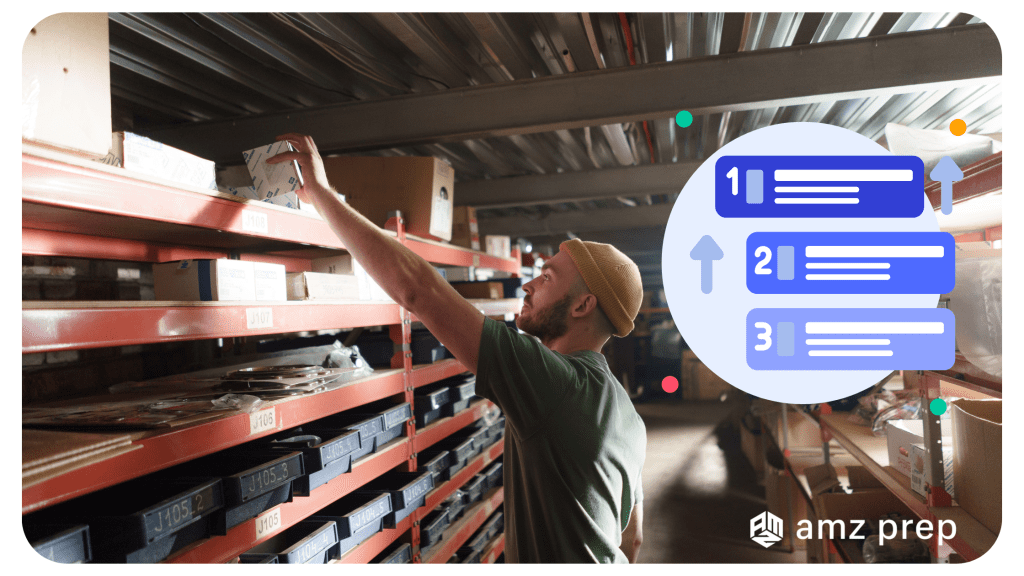
One key aspect of this is inventory optimization, which can help businesses of all sizes improve their operations, increase revenue, and reduce costs.
In this article, we will explore the benefits of inventory optimization, the different methods that can be used, and how to implement them effectively.
What is Inventory Optimization?
Inventory optimization is the process of determining the right amount of inventory to hold at any given time, in order to meet customer demand while minimizing costs.
This can include everything from forecasting demand to determining the optimal reorder point and safety stock.
By optimizing inventory levels, businesses can ensure that they have the right products available at the right time, without holding excess stock that could become obsolete or lose value.
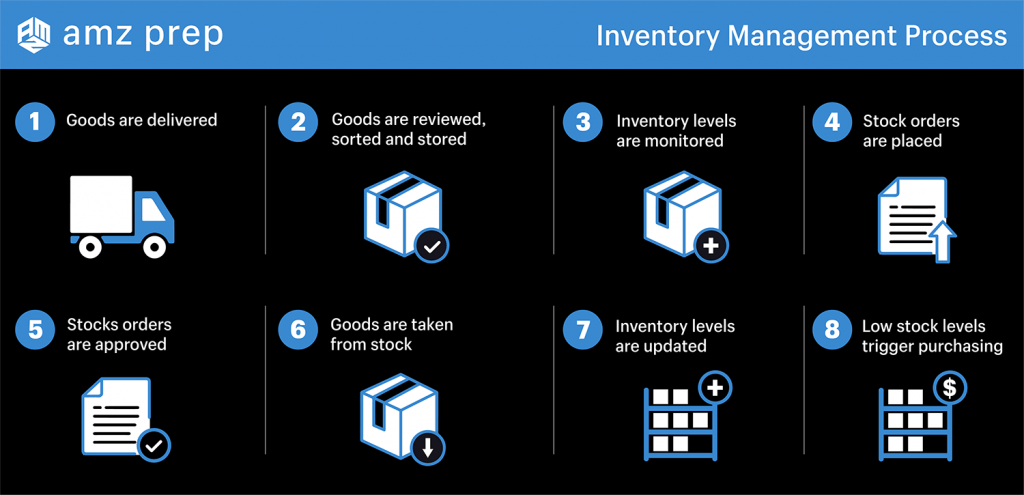
Why is Inventory Optimization Important for eCommerce Merchants?
Inventory optimization is a key strategy that can help eCommerce businesses reduce operational costs, boost customer satisfaction, gain faster delivery options, balance inventory levels and prevent overstocking.
Reduce Operational Cost
One of the primary benefits of inventory optimization is that it can help to reduce operational costs.
This includes costs associated with storage, warehousing, and general inventory management. Start by using a warehouse space calculator to understand how your current inventory levels translate into actual square footage requirements, then work to optimize those levels. By optimizing inventory flow and reducing carrying costs, businesses can save money and increase profitability.
Boost Customer Satisfaction
Optimizing inventory levels is essential for any eCommerce business looking to keep customers satisfied.
By ensuring that the right products are available at the right time and working with customer service ecommerce providers to handle customer inquiries efficiently, businesses can reduce the chances of stockouts and backorders.
This leads to improved customer satisfaction and increased loyalty.
Gain Faster Delivery Options
Inventory optimization can also help eCommerce businesses gain faster delivery options.
By accurately forecasting demand, businesses can ensure that they have the right amount of inventory on hand at all times. This can reduce the risk of overstocking and improve efficiency and profitability. Additionally, businesses should consider protecting their operational data and systems from online threats by using antivirus software or employing a free password manager to safeguard sensitive account credentials.
This can lead to faster delivery times and increased customer satisfaction.
Balance Inventory Levels
Balancing inventory levels is crucial for any eCommerce business.
Stocking too much inventory can lead to high carrying costs, while too little inventory can lead to missed sales opportunities.
By utilizing inventory optimization models and tools such as the reorder point formula and safety stock inventory, businesses can find the right balance, reducing the risk of common inventory issues such as overstocking and stockouts.
Prevent Overstocking
Inventory optimization can also help eCommerce businesses prevent overstocking.
By accurately forecasting demand, businesses can ensure that they have the right amount of inventory on hand at all times.
This can reduce the risk of overstocking and improve efficiency and profitability.
Benefits of Inventory Optimization
There are many benefits to implementing inventory optimization in your business, including:
- Increased efficiency: By holding the right amount of inventory, businesses can reduce the amount of time and resources spent on managing and organizing stock.
- Improved customer service: With optimized inventory levels, businesses can ensure that they have the products customers want available when they want them, improving customer satisfaction and loyalty. Our inventory forecast tool helps you identify exactly when to restock each product to prevent stockouts while maintaining efficiency.
- Increased revenue: Optimizing inventory can help businesses increase sales by having the right products available at the right time, and reducing the need for markdowns on the excess stock.
- Reduced costs: By minimizing the amount of excess or obsolete inventory, businesses can reduce their overall costs.

Free Guide [Download Now]
How to Choose a 3PL Your eCommerce Business
- How to find a fulfillment company you can trust to help your ecommerce business grow
- The right questions to ask a potential 3PL to make sure you’re a mutual fit
Inventory Optimization Methods
There are several methods that can be used to optimize inventory levels, including:
- ABC Analysis: This method involves classifying inventory items based on their relative importance or value to the business, and allocating resources accordingly.
- Economic Order Quantity (EOQ): This method calculates the optimal order quantity for inventory items based on demand, lead time, and carrying costs.
- Reorder Point: This method determines the point at which inventory levels are low enough that a new order should be placed to replenish stock.
- Safety Stock: This method involves maintaining a buffer of additional inventory to ensure that stock is available to meet unexpected demand.
Inventory optimization techniques

These elements include demand forecasting, inventory replenishment, inventory levels, and inventory storage.
Use Demand Forecasting
Demand forecasting is a crucial technique for inventory optimization, as it allows businesses to predict future demand for products.
By using historical data and analyzing sales trends, businesses can make better-informed supply decisions, which can help to reduce the risk of stockouts and improve customer satisfaction.
Determine Safety Stock Inventory
Determining safety stock inventory is another important technique for inventory optimization.
This involves calculating the amount of inventory that must be kept on hand to ensure that stockouts do not occur.
By determining safety stock inventory, businesses can ensure that they have enough inventory to meet customer demand, even when unexpected events occur.
Implement Reorder Point Formula
Implementing reorder point formula is another effective technique for inventory optimization.
This involves using a formula to calculate when it is time to reorder inventory.
By using this formula, businesses can ensure that they have enough inventory on hand to meet customer demand without overstocking.
Carry out Inventory Audits
Carrying out regular inventory audits is another important technique for inventory optimization.
This involves physically counting inventory and comparing it to the records to ensure that they match.
By carrying out inventory audits, businesses can identify any discrepancies and take steps to correct
Keep Tabs on SKUs
Keeping tabs on SKUs (Stock Keeping Units) is another important technique for inventory optimization.
This involves tracking and monitoring the individual items in your inventory to identify which products are selling well and which ones are not.
By keeping tabs on SKUs, businesses can make better-informed decisions about which products to stock and in what quantities.
Distribute Inventory Across Warehouses
Distributing inventory across multiple warehouses can also be an effective technique for inventory optimization.
This allows businesses to store inventory closer to customers, reducing shipping times and costs.
By distributing inventory across warehouses, businesses can also reduce the risk of stockouts and improve customer satisfaction. Additionally, incorporating a QR code generator on your packaging helps reduce the risk of order tracking issues while giving customers easy access to detailed product information. Users simply need to scan the QR code and get the product and tracking details in a giffy.
Use Inventory Management Software
Using inventory management software is another important technique for inventory optimization.
This type of software allows businesses to track inventory levels, manage stock, and automate inventory processes, which can help to improve efficiency and reduce the risk of stockouts.
Inventory management software can also help businesses identify trends and patterns in their inventory, allowing them to make better-informed decisions about inventory levels.
Additionally, you can consider replenishment strategy and inventory forecasting to implement just in time inventory, cycle counting and using barcode scanning and RFID technology, implementing vendor managed inventory and also consider using AI-based inventory prediction software as well.
Wrapping up
Conclusion Inventory optimization is essential to maintaining efficient and scalable operations in today’s e-commerce landscape.
By understanding the benefits, and different methods and implementing them effectively, businesses can improve customer service, increase revenue and reduce costs.
InvenA 3PL provider such as AMZ Prep can assist in optimizing inventory by providing data and analytics.
By utilizing their services, businesses can expand their distribution locations more strategically.
A 3PL can also help businesses that may lack the technology or infrastructure necessary to optimize inventory efficiently.
They provide real-time inventory tracking, allowing businesses to make more informed decisions on reordering and stock levels.
Here are answers to the most common questions about Inventory Optimization
What are some methods for optimizing inventory?
In order to achieve optimal inventory levels, it is important to find a balance between the demand for products and the supply available.
How can a 3PL (Third Party Logistics) provider assist with inventory optimization?
A 3PL provider such as u003ca href=u0022https://amzprep.comu0022u003eAMZ Prepu003c/au003e can assist in optimizing inventory by providing data and analytics.u003cbru003eBy utilizing their services, businesses can expand their distribution locations more strategically.u003cbru003eA u003ca href=u0022https://amzprep.com/amazon-3pl-prep-guide/u0022u003e3PL can also help businessesu003c/au003e that may lack the technology or infrastructure necessary to optimize inventory efficiently.u003cbru003eThey provide real-time inventory tracking, allowing businesses to make more informed decisions on reordering and stock levels.
How does an Amazon BSR sales estimator support inventory optimization?
A u003ca href=u0022https://amzprep.com/amazon-bsr-sales-estimator/u0022u003eBSR sales estimatoru003c/au003e enables accurate demand forecasting by converting rankings into daily/weekly sales estimates. This helps you calculate optimal reorder points, prevent stockouts, avoid overordering, and adjust inventory seasonally. BSR trends also alert you to demand changes before they impact stock levels.
Get in touch with AMZ Prep
Looking for a fulfillment solution?

Blair Forrest is the Founder of AMZ Prep, one of North America’s fastest-growing third-party logistics and fulfillment networks, built entirely without outside capital since 2016. Under his leadership, AMZ Prep has scaled to 50+ fulfillment centers across 6 countries, processing over 8 million units monthly and powering $2 billion+ in annual GMV for more than 5,000 brands worldwide including 437, Silverts, Saltyface, Unilever, Duracell, and JBL. A recognized authority in eCommerce logistics, Amazon FBA strategy, and supply chain optimization, Blair has helped thousands of sellers and brands master their fulfillment operations from first shipment to enterprise scale. He regularly consults on FBA prep, multi-channel fulfillment, last mile delivery, international expansion, and cost reduction strategies that save brands 20–40% compared to traditional 3PL providers. Blair’s insights on Amazon logistics, 3PL operations, and eCommerce growth are widely cited across the industry. Through AMZ Prep’s content, guides, and resources, he continues to share battle-tested strategies drawn from managing one of the largest independently owned fulfillment networks in North America.

















Comments