
If you’re any serious about selling or advertising on Amazon, it pays to stay a step ahead of every platform change. In this comprehensive, 3,000‑word deep dive, I’ll walk you through every significant launch, policy shift, and tool enhancement Amazon rolled out in July 2025. I’ve been tracking these updates firsthand, testing features, analyzing performance data, and speaking with sellers worldwide, so you get not just the facts, but insights on how to leverage each change.
Smarter Advertising & Audience Insights
AI Audience Builder in Amazon Marketing Cloud (AMC)
- What changed: Advertisers can now describe target segments in plain language. Behind the scenes, AMC translates this into query logic against aggregated shopper behavior datasets.
- Deep dive: Previously, advertisers required SQL proficiency and access to the AMC clean‑room environment. Now, even mid‑market agencies report onboarding new team members in hours instead of weeks.
- Example: A health supplement brand used the AI Audience Builder to pinpoint customers who bought Omega‑3 capsules but never tried probiotics. Within one campaign cycle, they saw a 27% uplift in cross‑sell conversions.
- Practical guidance: Document your top three promotions from the past quarter. Use them as seed queries in the AI Audience Builder to discover latent interest clusters. Then, layer in demographic filters, age, gender, location, to refine your high‑value audiences.
Instant Product Help Chat Assistant
- What changed: Integrated into the AMC console, the AI assistant draws from Amazon Ads knowledge articles, FAQs, and past support tickets.
- Deep dive: In closed‑beta testing, advertisers shaved an average of 42 minutes off troubleshooting sessions. The assistant can suggest best practices, link to relevant tutorials, and even flag deprecated features.
- Example: A European apparel seller used the chat assistant to configure automated bid adjustments for Germany vs. France. The assistant guided them to a beta setting that increased click‑through rates by 14% in week one.
- Practical guidance: Treat the chat assistant as a coach. Ask it to outline “steps to implement dynamic bids based on inventory levels.” Document any experimental features it surfaces and test them in small budgets.
Multi‑Country Campaign View
- What changed: The Ads Console now provides a unified performance dashboard spanning all marketplaces where you advertise.
- Deep dive: Data latency has been reduced to under one hour, supporting near‑real‑time insights. The interface allows cross‑market comparisons and consolidated budget pacing controls.
- Example: A consumer electronics brand detected an ACOS spike in India, traceable to a holiday sale in a specific region, within hours instead of days.
- Practical guidance: Establish cross‑market benchmarks. Export daily snapshots and feed them into your BI tool. Use conditional formatting to highlight markets diverging more than 10% from your global average.
Auto Budget Sharing
- What changed: Portfolios can automatically reallocate unspent budgets to campaigns hitting performance thresholds, up to 2x daily caps.
- Deep dive: Auto Budget Sharing leverages machine learning to identify ideal candidate campaigns based on ROAS trends and audience saturation.
- Example: During a July flash sale, enabling Auto Budget Sharing increased portfolio‑level conversions by 18%, freeing up 1.3% of overall budget that would have otherwise gone unused.
- Practical guidance: Use portfolio tagging to group campaigns by objective (e.g., brand awareness vs. flash promotions). Enable Auto Budget Sharing selectively in portfolios with balanced objectives to avoid cannibalization.
Seller Platform Enhancements & Account Protections
Vacation Mode for Seller‑Fulfilled Orders
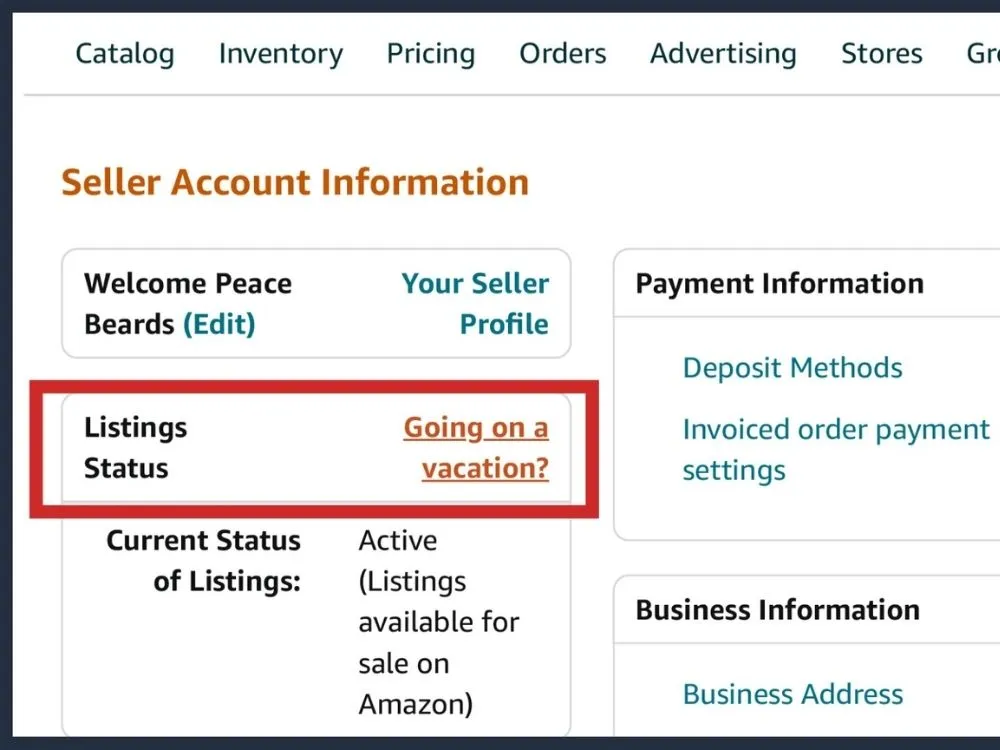
- What changed: Self‑fulfillment sellers can now hide listings temporarily without metric penalties.
- Deep dive: Vacation Mode goes live within minutes of activation and preserves your seller‑fulfilled SKU data, unlike previous workflows that required full listing removal.
- Example: A niche hobbyist store uses Vacation Mode weekly to manage weekend order surges, avoiding late‑shipment strikes and sustaining a 98% on‑time rate.
- Practical guidance: Integrate Vacation Mode activation into your standard operating procedure (SOP) for inventory audits. Set calendar reminders two days before known supplier shutdowns.
Bulk Image Upload Resilience
- What changed: Partial batch success with detailed CSV error feedback.
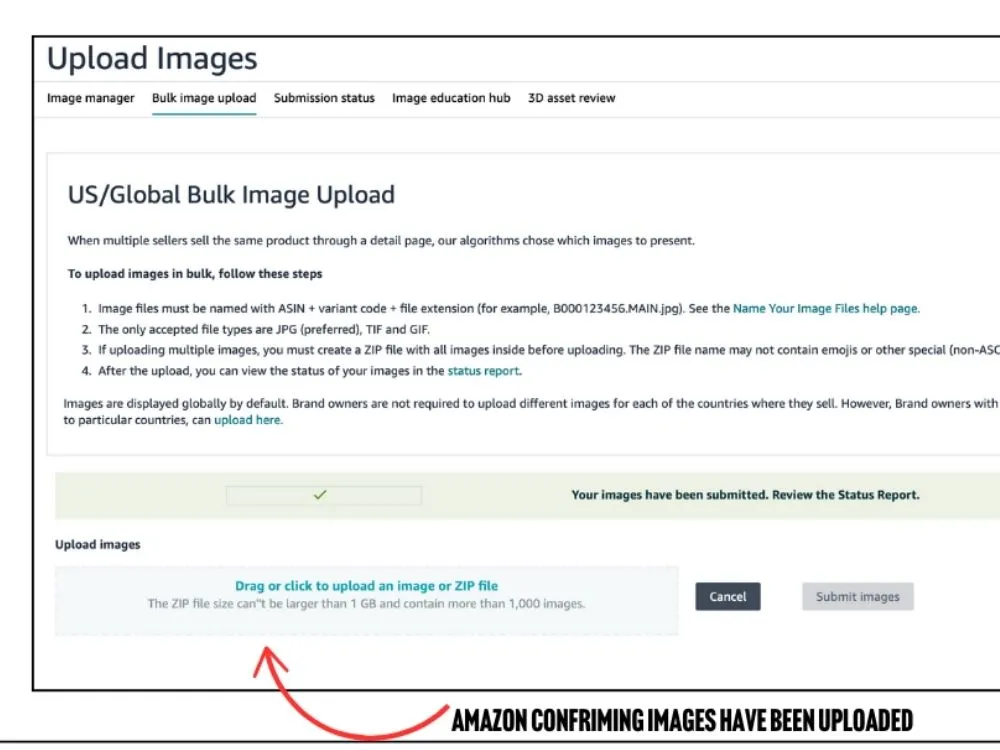
- Deep dive: Error reports now include pixel dimensions, file type mismatches, and filename conflicts, allowing bulk script‑driven corrections.
- Example: A 10,000‑SKU catalog update went from a three‑day manual process to under four hours by plumbing errors into an image‑processing script.
- Practical guidance: Build a lightweight Python or shell script to parse the CSV errors, batch‑rename or reformat files, and re‑submit. Keep your code in version control for repeated use.
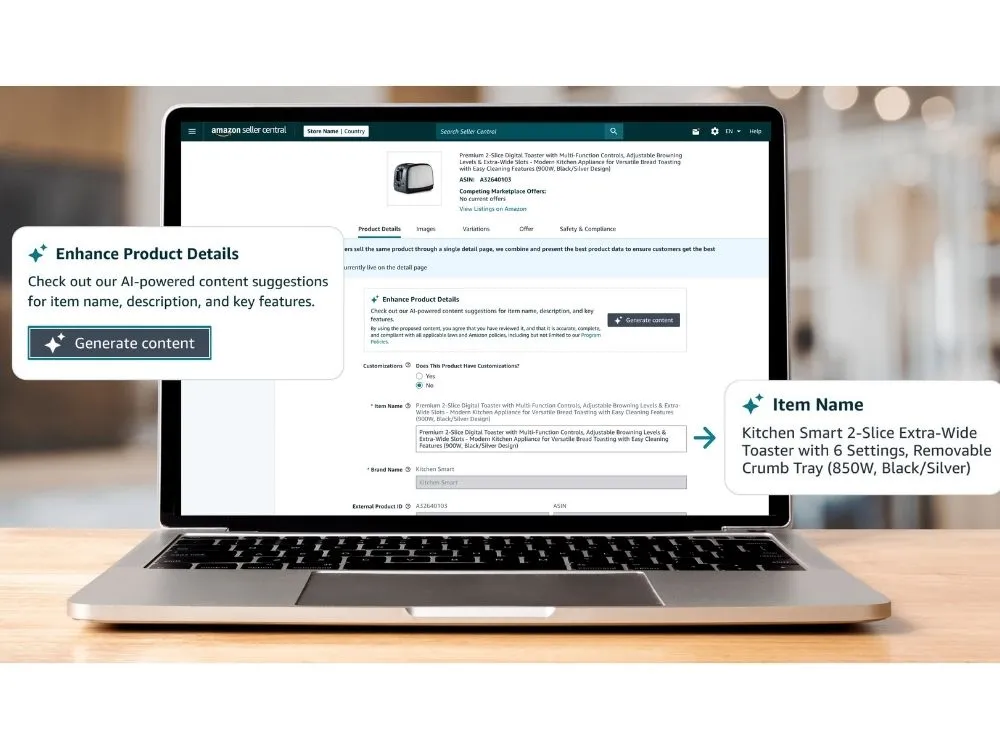
AI‑Powered Listing Optimization (“Enhance My Listing”)
- What changed: AI analyzes your existing content versus top competitors and search trends, offering title, bullet, and backend keyword refreshes.
- Deep dive: Amazon’s AI model uses a combination of vector embeddings of customer search language and historical conversion data to recommend copy adjustments.
- Example: A pet supplies brand tested AI‑optimized listings on 15 SKUs, resulting in a 22% lift in impressions and an 8% decrease in ACOS over four weeks.
- Practical guidance: Prioritize high‑traffic SKUs for testing. Use Amazon Experiments (formerly A/B testing) to validate the AI copy before mass rollout. Maintain a changelog for performance tracking.
Brand Building & Content Innovation
Brand Name Generator with Personality
- What changed: Personality parameter plus IP Accelerator integration.
- Deep dive: The tool now surfaces three variants per tone, checks trademark availability via a third‑party partner, and shows domain suggestions in real time.
- Example: A sustainable kitchenware startup generated 12 brand name options in minutes, filed a trademark application within hours, and secured the corresponding .com domain the same day.
- Practical guidance: Combine “seed words” relevant to your category with tone prompts. After generating names, export them into a spreadsheet along with trademark and domain status. Review as a team and shortlist top picks.
Shoppable Video Sales Lift Metrics
- What changed: Category‑level incremental revenue attribution for Shoppable Video.
- Deep dive: Amazon attributes near‑real‑time lift using control vs. exposed cohorts and flags statistical significance levels.
- Example: A beauty brand ran a four‑video series. Video one generated 12% incremental sales in beauty; video two generated 8% in skincare; video three was flat.
- Practical guidance: Use these metrics to optimize future video budgets. Prioritize high‑lift categories and consider reallocating static‑performance budgets to more promising content formats.
Fulfillment Policy Updates & Capacity Controls
- What changed: Five‑month forecast capacity, overage fees at $10/cu ft.
- Deep dive: Amazon enhanced its Inventory Planning API, adding “days of cover” projections and alert thresholds at 60%, 80%, and 100% capacity.
- Example: A consumer electronics seller programmed their ERP to pull cover data daily; they received an alert at 78% capacity and adjusted inbound shipments, avoiding $4,500 in overage fees.
- Practical guidance: Integrate capacity data into your dashboard. Use pull notifications from the API to trigger Slack alerts for your operations team.
Seller Fulfilled Prime (SFP) Program Changes
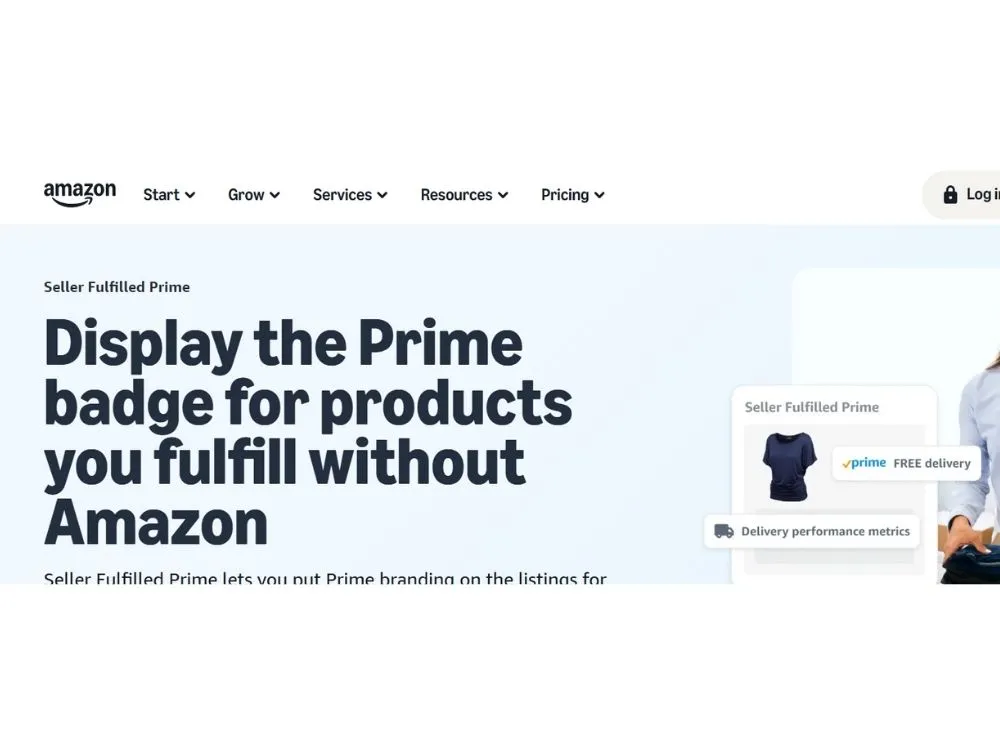
- What changed: Increased volume minimums, 60‑day trial, weekly performance reviews.
- Deep dive: Performance metrics now include same‑day delivery accuracy, scanned‑in accuracy, and defect rates, reviewed on a rolling weekly basis.
- Example: A home decor seller saw their SFP trial revoked due to a single-week drop in scan accuracy. After tightening warehouse scans and retraining staff, they regained status within two weeks.
- Practical guidance: Conduct weekly warehouse audits focusing on scan‑in rates. Automate exception reports for orders scanned outside target windows.
Major Sales Events & Seasonal Promotions
Prime Day 2025: July 12–14
- Overview: Global 72‑hour event with 1,600+ launches, 5% cashback on Amazon cards, and expanded Same‑Day delivery in 50 cities.
- Key data: GMV up 11% YoY; average basket size grew 7%; 45% of units sold via mobile app.
- Tactics that worked: Lightning Deals on under‑the‑radar SKUs created urgency; targeted Sponsored Brands video ads drove 28% more cart adds vs. static creatives.
- Practical next step: For next year, segment your catalog by velocity: designate 10% as “Hero SKUs” for deep discounts, 20% for Lightning Deals, and 70% for standard offers. Pre‑stage inventory accordingly.
Amazon Feedback Changes Are Coming
One of the biggest updates this month is how Amazon is tweaking the way buyers leave seller feedback, and trust me, it’s going to shake things up.
Starting August 4, 2025, shoppers will be able to leave just a star rating without any written comment. On the surface, it might not seem like a big deal. But for sellers? It changes everything.
Here’s the key: If there’s no written comment, you can’t remove the feedback. Even if you’re using FBA.
Right now, I can get negative feedback removed in a few clicks if it’s an FBA order and there’s a policy violation. But soon, if someone drops a 1-star without a word, that score sticks, and it drags your average down.
Let’s break it down:
- Average seller ratings will likely drop
- FBM sellers and resellers will feel it the most
- Brands selling directly via FBA might actually benefit
Why? Because Amazon’s algorithm leans toward higher-rated sellers when awarding the Buy Box. If you’re a reseller or running FBM with inconsistent operations, those silent 2-star and 3-star hits are going to hurt.
But for brand-owned FBA accounts, this might be a win. Your ratings stay cleaner, your Buy Box chances improve, and customers still get Prime-speed delivery. This distinction is also important when comparing Amazon 1P vs 3P because brand ownership, fulfillment responsibility, and control over the customer experience can differ between the models.
From where I’m standing, this is Amazon’s subtle way of nudging more control back to brands and away from resellers. And if you’ve been working on building your brand, your customer experience, and your fulfillment flow, this is the kind of change that plays in your favor.
My advice:
If you’re still relying on resellers or patchy FBM setups, tighten your operations now. Bad logistics will show up in your stars. And soon, you won’t be able to hide them.
Amazon’s “Buy for Me” Is Here, And It’s a Game-Changer for DTC Brands
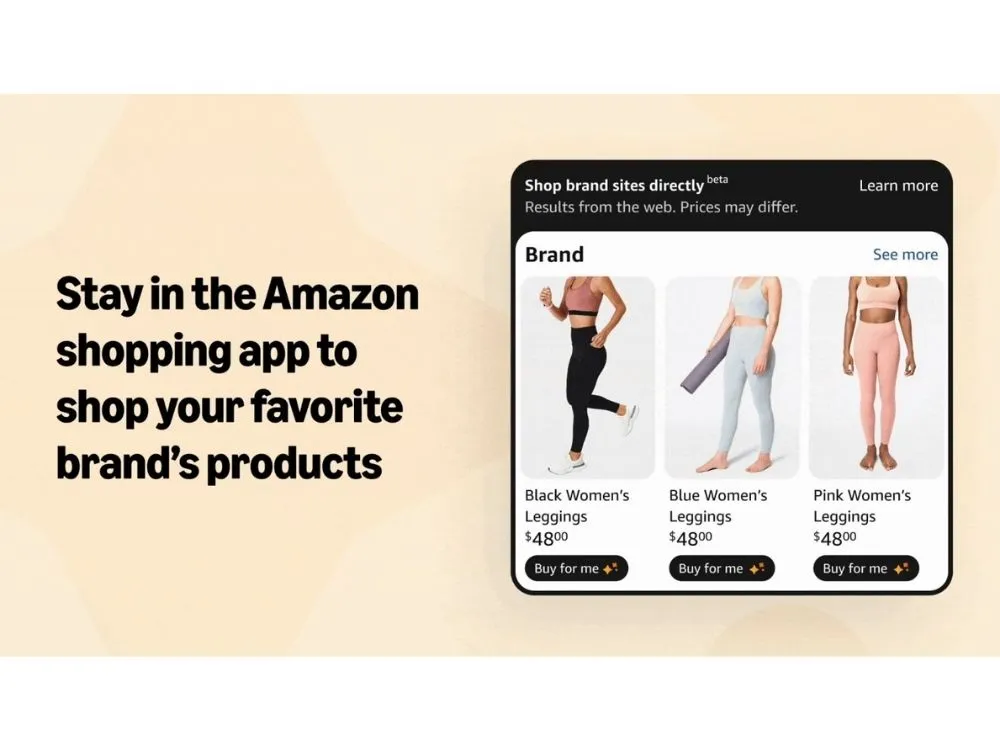
Amazon just quietly dropped a feature that could redefine how we shop online, and how brands run their DTC websites.
Some verticals, like apparel, are being hit harder than others, making it important to understand supply chain breakdowns in the apparel category and how to respond.
It’s called “Buy for Me.” And if you haven’t heard of it yet, here’s the short version:
You can now browse a brand’s site, from Amazon, and ask Amazon’s AI to complete the checkout for you.
I tested it myself. In two clicks, I was able to complete a purchase from Saie’s DTC site. No account creation. No form-filling. Just a tap, and Amazon’s AI handled the transaction on the brand’s own site.
This comes right on the heels of major announcements from OpenAI and others in the AI space, but unlike most hype, this is real, live, and functional.
Let’s break it down.
How “Buy for Me” Works:
1. Search and Explore
You search for a brand or product as usual on Amazon. But now, Amazon shows options available directly from the brand’s own website, not just listings in the marketplace.
2. Let AI Shop for You
See something you like? Hit “Buy for Me.” Amazon’s AI will complete the purchase directly on the brand’s site, using your saved preferences, shipping info, and payment method.
3. Track Everything in One Place
Even though you bought from the brand’s site, you can still manage the order inside the Amazon app. Just head to Your Orders > Buy for Me Orders.
Winning the Dispute Game: How to Escalate with Amazon 1P
If you’re a 1P vendor, you know the pain: shortages, chargebacks, co-op deductions. Getting money back from Amazon can feel like pulling teeth, and trying to explain that to finance? Even worse.
But there’s a framework that works, and it only takes three steps:
Step 1 – Track the Right Data
Pull Coop Billing, Dispute, Remittance, and Invoice data into a single, unified dashboard using tools like Zintego invoicing solutions. Clear visibility is the foundation for everything that follows.
Step 2 – Run Cross-Functional Reviews
Align sales, supply chain, and finance regularly. Most deductions stem from operational missteps, not accounting.
Step 3 – Define Escalation Mechanisms
Have a process. For example, if shortages exceed 0.5% of annual turnover, escalate directly to your Vendor Manager.
Pro tip: Don’t start AVNs until major disputes are closed.
Prime Day Just Proved Amazon Has a Blind Spot
Let’s call it what it is: Walmart outplayed Amazon this Prime Day.
While Amazon was busy stretching Prime Day into its longest-ever, four-day event, Walmart quietly rolled out a weeklong “Deals” campaign, and crushed it across every major metric.
The numbers speak for themselves:
- Walmart.com sales grew 24% year-over-year
- Amazon Prime Day saw just 4% growth
- Web traffic? Up 14% for Walmart, while Amazon’s was flat
- App usage? Walmart up 22%, Amazon just 3%
That’s 6x faster growth for Walmart. And here’s the kicker, while Amazon focused on Prime shipping and endless deals, Walmart leaned into what Amazon can’t touch: local fulfillment.
“We’ll have it ready in 20 minutes.”
That was Walmart’s move. And no amount of paid search or Prime branding can beat that kind of instant gratification.
Tariffs are hitting. Everyone’s running deals. And consumers have more choices than ever. Prime Day isn’t just Amazon’s moment anymore.
From what I’m seeing across our client base, competition is up, margins are thinner, and the fight for customer attention is real.
Amazon built Prime Day to dominate retail.
Turns out, they built a monster that every other retailer is now feeding off.
Takeaway:
This is no longer just about optimizing for Prime Day. It’s about recognizing that other platforms are stealing share, and doing it well. Time to think beyond the marketplace and build strategies that win across multiple channels.
Amazon Adds 2-Year Trend Data to Product Opportunity Explorer
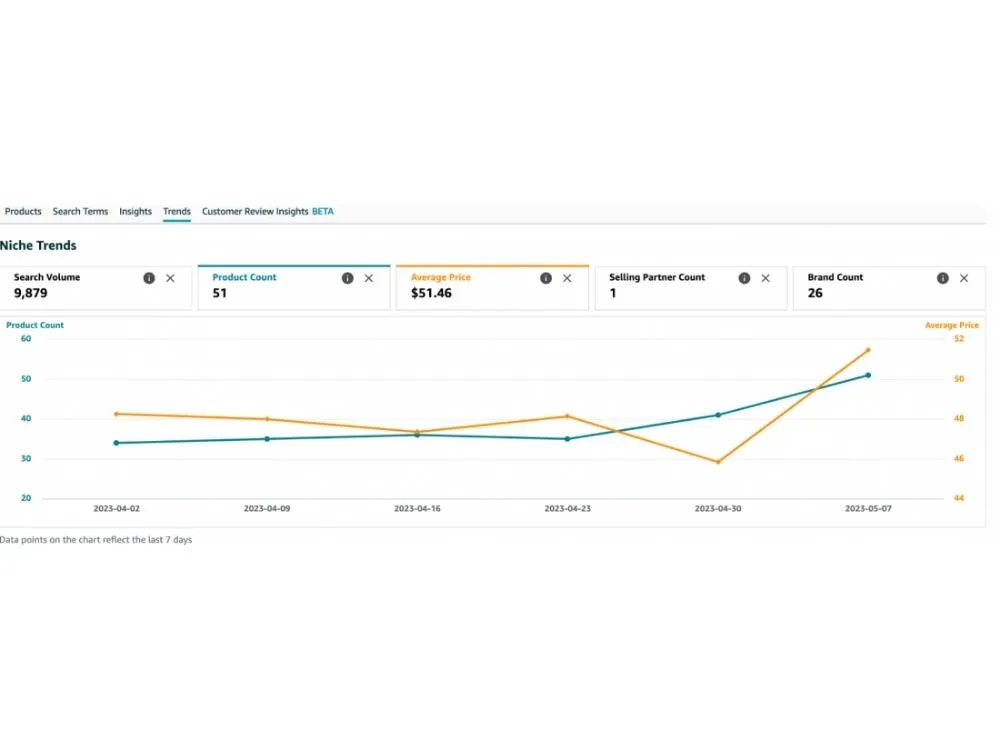
Amazon just rolled out a quiet but powerful upgrade to its Product Opportunity Explorer, and it’s a game changer for sellers doing niche research.
What’s New:
You can now view two full years of historical data in the Trend tab. Previously, it was limited to just one year.
Why It Matters:
One year of data might show what’s performing now, but two years reveals:
- Seasonal patterns
- Long-term growth trends
- Shifts in demand over time
- Smarter decision-making when validating or rejecting new niches
Year-over-year visibility helps brands make data-backed calls, whether you’re launching a product, expanding a category, or trying to understand market saturation.
More Sellers Are Generating Millions on Amazon
Amazon’s marketplace continues to evolve, and fast. According to new data from Marketplace Pulse, the number of sellers generating over $1 million in annual revenue has grown dramatically, even as overall seller count has declined.
Key Stats:
- Over 100,000 Amazon sellers now generate $1 million+ annually, up from 60,000 in 2021.
- Despite this growth, the total number of active Amazon sellers has dropped by 10%.
- Traffic per seller is up 31% since 2021, thanks to reduced competition.
- More than 230 sellers now generate over $100 million annually, up from just 50 four years ago.
What This Means:
Amazon is entering a consolidation phase. Fewer sellers are competing for attention, but those who remain are earning more than ever.
- In the U.S., just 2% of sellers drive over 50% of total marketplace revenue.
- Of all $1 million+ sellers in the U.S., 57% are Chinese, while 39% are American.
- However, most of the $100 million+ sellers are U.S.-based brands or aggregators.
Bottom Line:
Amazon is becoming a “winner-takes-most” marketplace. While the barriers to entry have grown, the upside for scaling brands has never been greater. Fewer players are winning bigger, especially those who treat Amazon like a serious sales channel, not just a side hustle.
Amazon Is Ending All FBA Prep Services in 2026
Starting January 1, 2026, Amazon will officially cease all Fulfillment by Amazon (FBA) prep and labeling services in the U.S. This marks a major shift in how sellers will need to manage inventory and compliance.
What’s Changing:
- Amazon will no longer handle labeling, polybagging, bubble wrapping, or other prep services at its fulfillment centers.
- Sellers must now ensure inventory arrives at Amazon fully prepped and compliant with FBA requirements.
Who This Hurts:
Resellers and arbitrage-based sellers will be hit the hardest. With already thin margins, this added burden could push many out of the marketplace entirely.
This is yet another example of Amazon deprioritizing smaller sellers in favor of efficiency and scale.
Who Wins:
Third-party logistics (3PL) providers. As millions of sellers scramble to find reliable prep services, 3PLs stand to benefit in a big way, especially those that already specialize in FBA prep.
As Amazon phases out its in-house prep services, many brands are now exploring third-party solutions, especially in light of Amazon’s decision to end all FBA prep services.
Does This Impact Brand Owners?
Not entirely. Many brand owners already prep inventory at the factory level before shipping to Amazon. For these sellers, the transition may have little to no operational impact. or sellers shifting away from FBA reliance, it’s crucial to build a resilient logistics model, one grounded in proven direct-to-consumer fulfillment strategies for scaling brands.
Final Take:
Amazon continues to raise the bar for sellers. Those who adapt by partnering with experienced 3PLs or integrating prep upstream in their supply chain will stay competitive. Everyone else may struggle to keep up.
Why I Still Use Bulk Files for Amazon Ads in 2025
Look, I get it. Bulk files aren’t sexy. But after managing thousands of campaigns, I still use them almost every week. Why? Because they work.
Even with all the AI dashboards and automation tools available, nothing beats bulk files when I need speed, scale, and control.
Here’s how I use them:
- Quick Campaign Launches: I can build out auto, broad, phrase, and exact campaigns in minutes with proper naming, bids, and structure.
- Easy Renaming and Updates: Need to rename 50 campaigns to match a new strategy? It’s a 2-minute fix in Excel.
- Smarter Optimization: I plug my bulk file into ChatGPT or scripts to get insights, then re-upload the clean version.
- Placement Bidding Tweaks: Adjust top-of-search multipliers across campaigns quickly without clicking through each one.
Bottom line: Bulk files still give me leverage. If you’re managing serious ad spend or scaling SKUs, they’re not optional. They’re essential.
Amazon’s New Fee Explainers Are a Game-Changer
Amazon just rolled out something every seller has been waiting for: Fee Explainers.
If you’ve ever looked at your transaction reports and wondered why you were charged a certain fee or how it was calculated, this one’s for you. Finally, Amazon is giving us actual transparency.
Here’s what you get with Fee Explainers:
- What the fee is: A clear definition
- What affects it: The variables or attributes that apply
- How it’s calculated: The math behind the charge
This now applies to fees like:
- Subscription
- Referral
- Variable closing
- Fixed closing
- Refund administration
- Customer return
- High-return rate processing
- Removal
- Disposal
You’ll find this info in both preview tools like the Revenue Calculator and in post-sale tools like the Transaction View.
Amazon’s Split Testing Tool Just Got Smarter
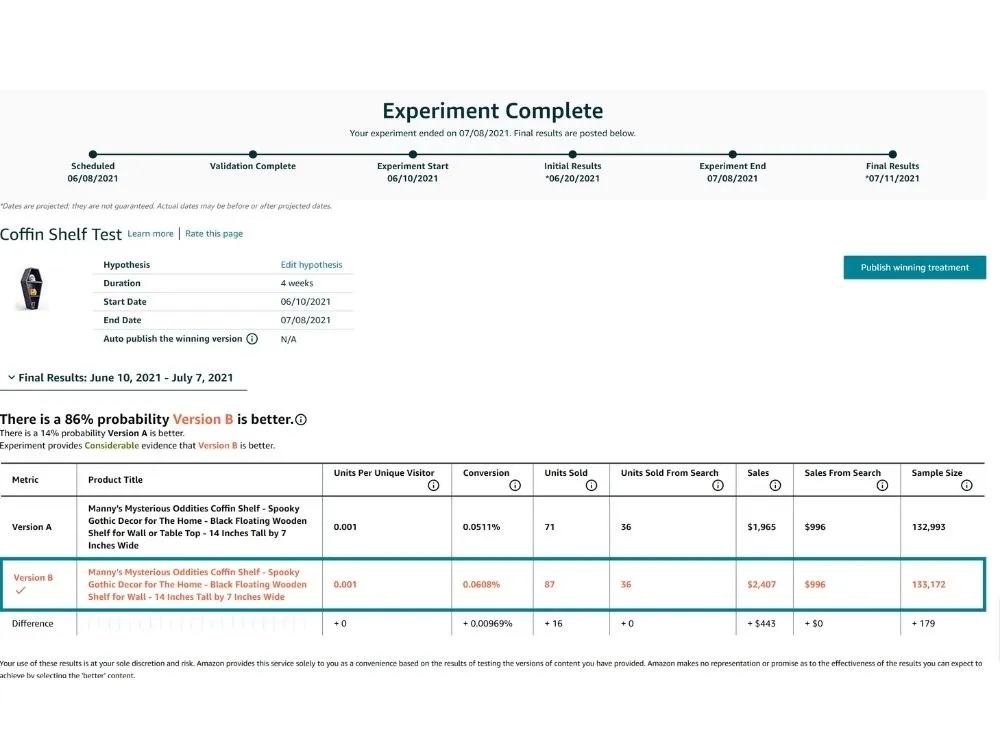
If you’ve used Manage Your Experiments (MYE) in the past, you know how clunky it used to be. Multi-variable tests felt like a guessing game. You’d run experiments, get vague results, and still not know what actually worked.
But recently, things have changed.
About a month ago, we noticed some major improvements:
- It rotates variables instead of testing one at a time
- It shows which combinations perform best
- You can test multiple elements at once
- No more painfully slow, single-variable testing
It’s not perfect, but this update is a big step forward. Especially for brands that want to optimize listings without burning weeks on A/B tests.
That said, our process hasn’t changed much:
- We build creatives using Search Query Performance (SQP), Voice of Customer (VOC), and DataDive
- We pre-test concepts with PickFu and Intellivy
- Then we run the winners through Amazon’s platform
This workflow gives us the best of both worlds: fast insights and real-world proof. As consumer preferences shift, it’s worth studying the top-selling Amazon product categories in 2025 to align inventory planning with demand spikes like Prime Day.
Amazon Moves Best Seller Rank Above the Fold
Amazon is quietly testing new layouts on product detail pages, and one change stands out.
Best Seller Rank (BSR) is now showing right below the price , above the fold and much more visible than before.
Previously, BSR was buried below the A+ content where most shoppers wouldn’t notice it. But now? It’s front and center.
This could start to influence buying decisions, especially for customers who associate BSR with credibility or popularity. We’re keeping a close eye on how this impacts conversions.
If you’re a top-ranked seller, this shift might actually help boost trust and click-through rates. If you’re not, now’s the time to work on listing optimization and ranking.
New ASIN-Level Dashboard Helps Brands Optimize Ad Targeting
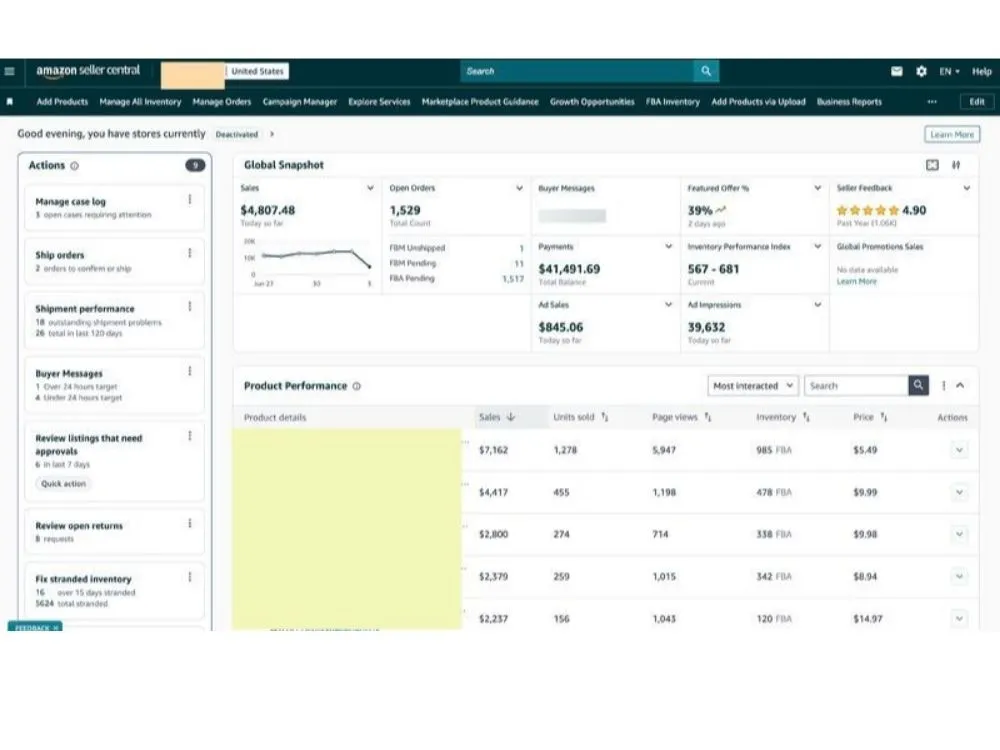
A new dashboard is now available to help brands better target ads using ASIN-level insights. It pulls data from four core Amazon reports to support smarter decisions around dayparting, audience targeting, and cross-selling.
By combining:
- ASIN-level demographic reports
- Market Basket Analysis
- Sponsored Products bulksheets
- Campaign performance by hour
You can unlock a clearer picture of when and to whom your products sell best.
Originally developed for TalentHub clients, the tool is being shared broadly ahead of Prime Day to help brands fine-tune their campaigns.
Amazon Now Lets Campaigns Share Budget Within Portfolios
Amazon just rolled out a new Budget Sharing feature, allowing campaigns within the same portfolio to access each other’s unspent budget.
At first glance, this is a big win, especially for enterprise brands that split budget across product lines or strategies. On high-traffic days, this could help maximize performance without needing to constantly rebalance spend across campaigns manually.
But here’s the catch:
Amazon still allows campaigns to overspend their daily budget by up to 100%, even with budget sharing on. So while monthly limits remain safe, daily fluctuations could throw off pacing early in the month.
If you’re planning to test this, I strongly recommend tightening up your budgets first, something like 1.1x your past 7-day average daily spend. Why?
- Some campaigns rarely spend their full budget (e.g., $20 spent on a $200 budget)
- That unused budget used to just sit there
- Now, it could suddenly fuel spend in higher-performing campaigns
- And that might spike your total spend in ways you didn’t plan for
This feature is enabled at the portfolio level, so it’s easy to toggle on/off. You don’t need to adjust every individual campaign.
Just be sure to audit your budget caps and monitor total spend closely once it’s live. It’s a smart feature, but only if you control it before it controls your budget.
Sponsored Ads Now Showing in Rufus: A New Visibility Channel for Sellers
Amazon’s AI assistant, Rufus, is now actively displaying sponsored ad placements within its interface, marking a major step forward in how shoppers interact with ads during AI-assisted browsing.
While this feature was announced nearly a year ago, sellers are now starting to see these placements roll out more frequently across relevant queries.
This unlocks a new surface area for visibility, especially as more shoppers begin using Rufus for product discovery and comparison. Expect this to evolve quickly as Amazon refines the experience.
If you’re running Sponsored Products or Sponsored Brands, this is worth monitoring closely. Rufus could soon become a high-intent channel with unique placement behaviors, and early adopters will likely benefit.
Amazon DSP Adds Video Completion Targeting for Custom Audiences
Amazon just rolled out a powerful new targeting option inside DSP: advertisers can now build custom audiences based on OLV (Online Video) completion rates, not just impressions.
This means you can retarget users who actually watched your video content, helping cut down on wasted spend and increasing media efficiency.
It’s a big win for precision. Instead of lumping all viewers together, you can now focus on those who showed real engagement.
Keep an eye on this in your DSP console, it’s already showing up for some advertisers.
Amazon’s New Custom Analytics Dashboard Is a Big Upgrade
Amazon just rolled out a new custom analytics dashboard, and honestly, it’s better than most paid tools I’ve used.
You can drag and drop metrics from any report to build your own views. It also supports flexible date ranges and quick downloads, making performance analysis a lot easier.
We’re already building a few dashboard templates to help our clients track product performance faster and with more clarity. This could be a big time-saver for brands that are scaling.
Buying a Car on Amazon Is Actually a Thing Now
I opened the Amazon app last night and right there on the homepage was a sponsored ad for a Hyundai Ioniq 9. A car. On Amazon.
Clicking through felt just like browsing for anything else , filters, listings, reviews , but this time, it’s for a $60K vehicle.
Right now, it’s only Hyundai as part of Amazon’s autos beta that launched in December 2024. But based on what I’ve seen, it’s working.
People say the process is smooth. You get upfront pricing, financing online, paperwork done before you even show up. One person said they were in and out of the dealership in 30 minutes.
No haggling. No surprise fees. Just checkout and go.
You can’t test drive, and it’s limited to new Hyundais in certain markets. But Amazon’s making car buying feel easy , and dealers are getting more visibility, even if they’re giving up some of their usual upsells.
If this expands, other automakers are going to feel it.
Amazon Quietly Blocks High-Return Products From Deals
Just days before Prime Day, some sellers are finding out their products no longer qualify for promotions.
The reason? High return rates.
It’s not a glitch , and it’s not temporary. Amazon is now using return data as a filter. If a product is frequently returned, it gets flagged. No Prime Exclusive Discounts. No Lightning Deals. No seasonal placements. Sometimes, even search rank takes a hit.
This isn’t about fixing a bullet point or adding A+ content. The frontend might look great. But the backend tells a different story , refund spikes, unresolved return reasons, or miscategorized listings.
Amazon’s treating returns as a quality signal, not just a cost. And it’s all automated.
If you’re a brand, don’t wait for a blocked promotion to find out. Start by auditing your most returned ASINs. What’s showing up in buyer messages or return reasons that doesn’t make it into your reviews?
Because now, return rates don’t just hurt margins , they hurt visibility.
Final Thoughts
Amazon isn’t just updating features , it’s reshaping the entire marketplace experience for sellers, shoppers, and advertisers alike. From AI-powered tools and video-first branding to policy shifts that quietly cut off unfit sellers, these updates are signals of what’s next.
If you’re a brand or agency that’s trying to keep pace, the lesson is clear: automation, data visibility, and creative optimization are no longer nice-to-haves. They’re survival tools.
And if you’re still waiting for the “perfect time” to revamp your Amazon strategy, consider this your wake-up call , the platform isn’t slowing down, and neither should you.

Arishekar N is a Vice President (VP) of Marketing at AMZ Prep, specializing in ecommerce fulfillment and Amazon logistics strategies with a proven track record of driving growth for e-commerce businesses. He is a strategic leader with extensive expertise in marketing, e-commerce operations, SEO & advertising, and branding.
Stay updated on his latest insights by following him

















Comments