
Planning the ideal combination of goods and services to offer clients is crucial in the retail industry’s assortment process.
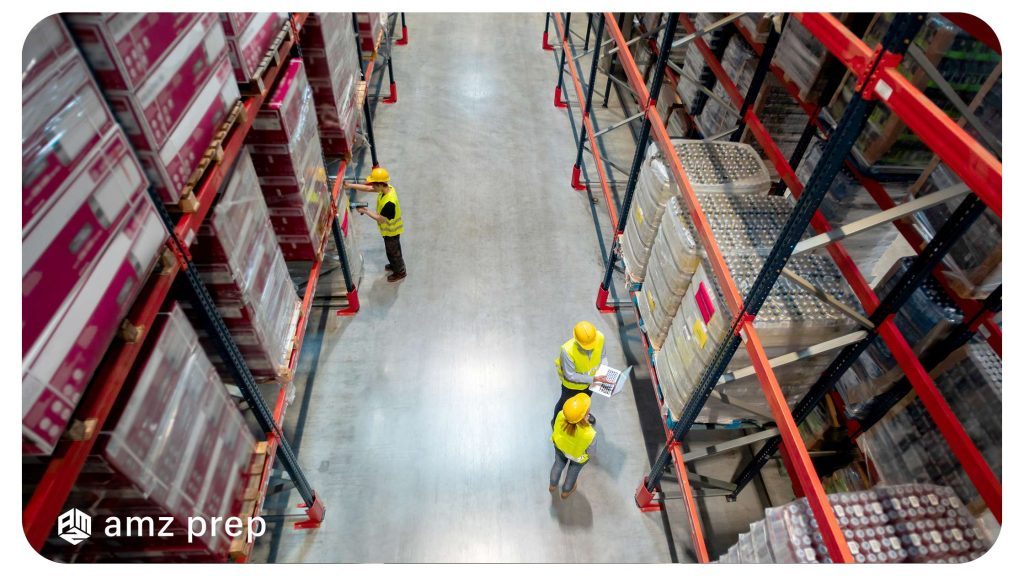
Still trying to understand the definition of assortment planning.
Deciding which products to sell and which to leave out is the goal of arranging the merchandise assortment.
When dealing with assortment planning in retail, it is a strategic strategy that necessitates retailers to carefully assess customer demand, sales data, and inventory levels to establish an ideal product mix that supports their business objectives.
What is Assortment Planning and Its Importance in Business Planning?
Assortment planning in retail is an important step in the retail industry since it entails choosing the ideal combination of goods and services for your clients.
Making decisions regarding which to leave out of the collection is as important as choosing which products to sell.
- Retailers can establish an ideal product mix that supports their business objectives by examining client demand, sales statistics, and inventory levels.
- Assortment planning is crucial for shops to maximize sales and profits by providing the ideal combination of goods and services.
- By carefully controlling their inventory levels, identifying slow-moving products, and adjusting their inventory levels accordingly, assortment planning in retail enables retailers to save inventory expenses.
Planning your retail assortment is crucial for any company that offers goods or services, not just for retailers.
Businesses may better meet consumer wants, boost customer happiness and loyalty, and ultimately increase sales and profits by carefully choosing the items and services provided.
Companies may maintain competitiveness in today’s fast-paced and constantly changing market by implementing the proper assortment planning tactics.
When Should You Consider Assortment Planning?
An assortment is essential in the retail sector, particularly when a store is dealing with issues like unchecked SKU multiplication, excessive outmoded inventory, frequent stockouts, and a need for more storage space.
It is crucial to consider assortment planning whenever one of these problems occurs to enhance corporate operations.
Here are a few things to think about when making an assortment plan.
The proliferation of SKUs without oversight
Uncontrolled SKU proliferation happens when a merchant has an excessive number of products in stock, making it difficult to manage them efficiently.
This can result from stock shortages, unhappy customers, and increased carrying costs.
In this situation, assortment planning can aid in improving the product mix and removing extraneous SKUs, improving inventory control.
A surplus of outmoded inventory
Another problem that retailers may need help with when arranging their assortments is excessive outmoded inventory.
This occurs when retailers involved in assortment planning in retail have a sizable volume of merchandise that is no longer pertinent to client demand.
The store is left with excess out-of-date stock, which consumes valuable storage space and causes financial losses.
Periodic stockouts
Frequent stockouts may result from poor forecasting, poor assortment planning, or bad inventory management.
Losses in revenue and a decline in consumer loyalty may result from this.
By choosing the appropriate products, making informed product selections, and accurately predicting demand, assortment planning in retail can assist in avoiding stockouts.
Insufficient storage space
When preparing an assortment for a store’s inventory and product display, retailers frequently need help with storage space.
A business may only be able to carry some of the required products to satisfy customer demand if they are limited by space.
By choosing products that are most likely to sell and maximizing product placement, assortment planning in retail can help businesses make the most of their limited space.
Retailers may optimize inventory management and enhance business operations through assortment planning.
Retailers can think about assortment planning to solve these challenges and boost their bottom line if they have concerns like unchecked SKU growth, excessive outmoded inventory, frequent stockouts, and inadequate storage space.
How to Get Started with Assortment Planning?
For any retail company aiming to optimize its product mix and boost sales, assortment planning in retail is essential.
It cannot be easy to begin assortment planning, but it is crucial for any company hoping to remain competitive in today’s retail environment.
Use data to guide your decisions.
Exploring retail data can be significantly enhanced with the right tools. Incorporating R training online, such as an Introduction to R Programming Course, becomes invaluable for analyzing customer demand and sales trends, which are crucial in developing effective assortment planning strategies.
Using data to make informed judgments is one of the initial steps in assortment planning in retail.
To help guide their assortment planning and retail selections, retailers should obtain data on their sales trends, consumer preferences, and market trends. When migrating this data, Amazon RDS to BigQuery provides a secure way to avoid data loss while leveraging powerful cloud analysis.
Making decisions based on actual sales and consumer behavior rather than assumptions might help merchants to use data analysis tools.
Establish sensible objectives.
Setting attainable targets is another crucial first step in assortment planning.
Retailers should consider their business goals and decide what they want to accomplish with their assortment strategy.
Retailers may stay focused and track their advancement toward goals by setting reasonable targets.
Think about enhancing your supply chain.
Retailers should also consider enhancing their supply chain as part of their planning for assortment in terms of retail strategy.
Taking a relevant project management course can equip retail professionals with the necessary skills to streamline operations, coordinate with suppliers, and manage inventory more effectively.
A streamlined and effective supply chain can lower costs and increase product availability for retailers.
Retailers can ensure they get the right products in quantity at the right time by collaborating closely with suppliers and streamlining their supply chain.
Retailers who want to begin assortment planning should use data to make wise choices, establish reasonable expectations, and consider enhancing their supply chain.
Retailers may improve their product mix, boost sales, and maintain competitiveness in the current retail environment by implementing these methods.
Retail assortment planning is crucial for any company aiming to flourish over the long term, whether it involves product assortment planning, merchandise assortment planning, or e-commerce assortment strategy.
Assortment Planning Examples
A key technique for merchants is assortment planning, which helps them offer a selection of goods that will appeal to and please their customers.
Retailers can use various assortment plan examples to build a diverse product mix.
Wide Assortment
A wide selection, which involves providing a broad range of products within a category, illustrates an assortment plan.
Retailers who serve a wide clientele or wish to position themselves as a one-stop shop frequently employ this tactic.
Deep Assortment
Offering a vast selection of goods from a single category is referred to as having a deep assortment.
Retailers, like specialty stores, who wish to be recognized for their knowledge in a certain field frequently employ this tactic.
Scrambled Assortment
Offering an assortment of goods from several categories is known as a jumbled assortment.
Retailers who wish to provide a diverse shopping experience or who are aiming to attract clients who appreciate learning about new products frequently employ this tactic.
Localized Assortment
Offering goods adapted to customers in a particular geographic area’s needs and tastes is known as a localized assortment.
Retailers who wish to meet the specific needs of each market and have many sites in various regions sometimes employ this tactic.
Mass Market Assortment
Offering products with widespread appeal and the potential to be purchased by a big market constitutes a mass-market assortment.
Retailers who want to increase sales and reach a large client base frequently adopt this tactic.
Retailers may design a product mix that satisfies the requirements and preferences of their target customers while also reaching their business objectives by using these assortment planning techniques.
The assortment plan examples listed below can provide a clearer understanding of assortment planning.
Assortment Planning Optimization
The practice of enhancing assortment planning to increase sales, cut inventory costs, and satisfy client preferences is known as assortment planning optimization.
1. First, it’s important to balance perennial and seasonal goods correctly.
Seasonal products are only popular during particular times of the year, but evergreen products are continually popular and in demand all year round.
2. Second, cross-merchandising can effectively increase sales and persuade buyers to buy related products.
Retailers, for instance, can set up themed displays or group products that are regularly bought together.
3. Third, it’s critical to comprehend omnichannel market trends to improve retail assortment planning, including offline and online channels.
To determine which channels are most popular with their customers, retailers should examine customer data and modify their assortment planning strategy accordingly.
4. Fourth, to maximize localization efforts, the product mix must be tailored to customers’ distinct needs and tastes in various countries.
According to regional market trends, this may entail modifying product offerings, prices, and marketing.
5. Last but not least, you must update your assortment planning technologies to stay current with the evolving retail environment.
Retailers should spend money on sophisticated automation and data analytics solutions to help with assortment planning and to help them make decisions based on current data.
Retailers can enhance their assortment planning tactics and increase sales by adhering to these crucial guidelines.
Assortment Plan for Fashion/Apparel
Because trends, fashions, and client preferences are continuously shifting, fashion and clothing retail has a unique approach to assortment planning compared to other sectors of the economy.
The fashion industry moves quickly and dynamically, with new trends and fashions appearing each season.
Because of this, shops must keep up with the most recent fashion trends and include them in their selection plans.
- Retailers must consider several variables, including the target market, pricing points, and the store’s brand identity, to build an effective strategy for fashion and apparel.
- Retailers must also consider the seasonality of fashion trends because some trends may be more popular at particular times of the year. They need to examine sales statistics from prior years to decide which fashion trends were successful and which ones weren’t.
- Retailers in retail must also consider their supply chains and sourcing methods. To ensure they can meet client demands on time, they should evaluate the availability of raw materials and the lead periods needed for production. In certain cases, a print-on-demand manufacturing model could make more sense, as it eliminates the need for traditional inventory and production lead times.
A thorough awareness of the market, the target audience, and the most recent fashion trends are necessary for an assortment plan in fashion and apparel.
Retailers may give their customers a compelling shopping experience and increase sales by keeping up with the most recent trends and incorporating them into their assortment plan.
E-Commerce Assortment Strategy vs. Retail Assortment Strategy
Planning your retail assortment is crucial to e-commerce and traditional retail operations.
Yet, several key distinctions exist between the approaches taken for each platform.
Unlike retail enterprises, which use physical stores to display their items, businesses rely on online platforms to reach their clients.
As a result, there are considerable differences between the assortment planning methodologies for each forum.
Planning the retail assortment entails choosing goods that correspond to the wants and preferences of regional clients.
While stocking their stores, retailers frequently employ data analytics to determine which products are in great demand.
Also, they use the layout of their actual stores to draw customers and make it simple for them to find what they’re looking for.
Yet, e-commerce assortment planning places more of an emphasis on using customer information to tailor the shopping experience.
Additionally, they use specials and targeted advertising to draw clients and make it simple for them to use the website. E-commerce businesses also leverage advertisement maker tools to create targeted ads that drive traffic to their online stores and promote their products
One of the key distinctions is the speed at which adjustments can be made in e-commerce and retail assortment planning.
While e-commerce companies can adjust their websites in real-time, retailers must frequently prepare their assortments months in advance.
As a result, e-commerce companies can better adapt to shifting consumer tastes and market dynamics.
AMZ Prep and the Assortment Management Process
Online retailers who use AMZ Prep can get assistance with assortment planning, also known as assortment management.
The process of assortment management is choosing the best combination of products to provide, considering elements including client demand, inventory control, and profitability.
The assortment management process includes phases including product sourcing, inspection, labeling, and shipping preparation offered by AMZ Prep.
Online merchants can save time and resources by outsourcing these processes to AMZ Prep, enabling them to concentrate on other business areas like marketing and sales.
FAQ
Questions about
Assortment planning
Why is assortment planning important?
Assortment planning is important because it allows brands and retailers to carefully curate the products they offer to their customers.
Meet customer needs:
Assortment planning helps retailers and brands understand their customers’ preferences and needs, allowing them to offer a range of products that meet those needs.
Boost sales:
By carefully selecting products and creating product assortments, retailers and brands can maximize their sales potential and increase revenue.
Reduce inventory costs:
Assortment planning can help retailers and brands reduce inventory costs by ensuring they only stock products that are likely to sell.
Stay competitive:
Assortment planning helps retailers and brands stay competitive by offering a unique and compelling product mix that differentiates them from their competitors.
Is assortment planning the same as merchandise planning?
Assortment planning and merchandise planning are related concepts, but they are not the same.
Assortment planning is the process of assembling and selecting a specific range of products to be offered to customers based on factors such as customer preferences, market trends, and sales data.
On the other hand, Merchandise Planning is a broader concept that covers all aspects of a retailer’s inventory management and planning.
Successful merchandise planning requires a holistic approach that considers a variety of factors, including inventory management, pricing strategies, promotional efforts, and customer intelligence, to increase sales, reduce costs, and improve profitability.
Didn’t find your answers? Contact us
Looking for a fulfillment solution?
Add Your Heading Text Here

Arishekar N is a Vice President (VP) of Marketing at AMZ Prep, specializing in ecommerce fulfillment and Amazon logistics strategies with a proven track record of driving growth for e-commerce businesses. He is a strategic leader with extensive expertise in marketing, e-commerce operations, SEO & advertising, and branding.
Stay updated on his latest insights by following him

















Comments