Cubic Feet Calculator for Boxes, Rooms and Shipments
One cubic foot is the volume of a cube measuring 12 inches on every side. It equals 1,728 cubic inches. To find cubic feet, multiply length by width by height in feet. If your measurements are in inches, divide the total by 1,728.
Enter dimensions below in inches, feet, centimeters or meters. Results convert instantly to cubic yards, cubic inches, gallons and liters.
| Length | Width | Height | Qty | Remove |
|---|---|---|---|---|
How to Calculate Cubic Feet
AMZ Prep processes millions of cubic feet of inventory each year. Learning how to measure cubic feet starts with one formula. Multiply three measurements together to get your volume.
Step by Step
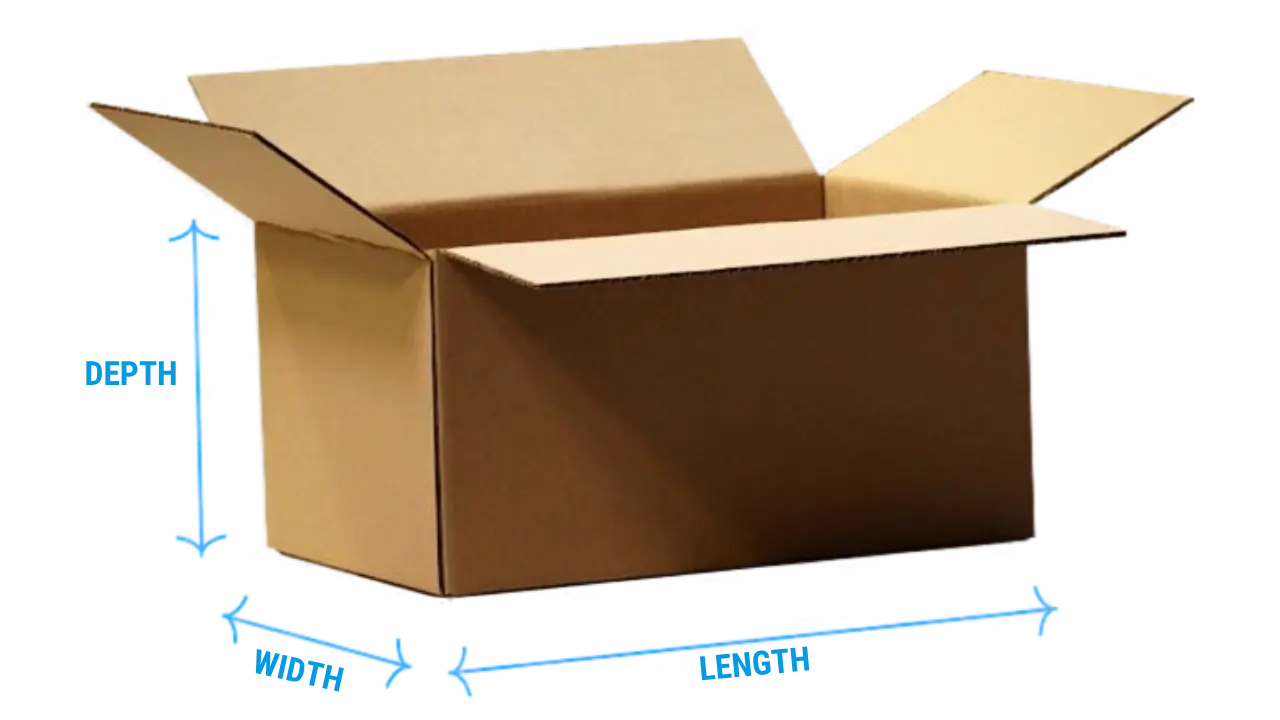
- Measure the length of the object or space. Use a tape measure and note the unit.
- Measure the width using the same unit.
- Measure the height using the same unit.
- Multiply all three numbers together. This gives you the total volume.
- Convert to cubic feet if needed. Divide by 1,728 for inches or 28,316.85 for centimeters.
Common Volume Conversions
AMZ Prep operates fulfillment centers across the US, Canada, UK, Germany, Netherlands and Dubai. Use this table for any volume unit conversion.
| From | To | Multiply By |
|---|---|---|
| 1 Cubic Foot | Cubic Meters | 0.0283168 |
| 1 Cubic Foot | Cubic Yards | 0.037037 |
| 1 Cubic Foot | Cubic Inches | 1,728 |
| 1 Cubic Foot | Gallons (US) | 7.48052 |
| 1 Cubic Foot | Liters | 28.3168 |
| 1 Cubic Meter (CBM) | Cubic Feet | 35.3147 |
Shipping internationally by ocean or air? Freight is priced in cubic meters, not cubic feet. Our CBM calculator handles container fit and chargeable weight for LCL and FCL shipments.
Why Cubic Feet Matters for Shipping and Warehousing
AMZ Prep helps brands calculate storage and shipping volumes across its fulfillment network. Cubic feet is the standard unit for measuring cargo and warehouse space in North America.
Shipping carriers use dimensional weight pricing. They charge based on the volume of a package, not just its actual weight. If a box takes up a lot of space but weighs very little, the carrier bills based on cubic dimensions. Knowing your cubic footage helps you avoid unexpected shipping costs.
Warehouse planning depends on accurate volume data. Fulfillment providers allocate shelf space, bin locations and pallet positions based on cubic feet. Storage is often billed per cubic foot per month, so a measurement error compounds across every billing cycle.
Amazon FBA requires sellers to declare shipment volumes before sending inventory. Accurate cubic foot calculations ensure your carton dimensions match what Amazon expects. This prevents delays at FBA receiving centers.
Frequently Asked Questions
Multiply length by width by height in inches. Then divide the result by 1,728 to convert cubic inches to cubic feet. For example, a box measuring 24 x 18 x 12 inches equals 3 cubic feet.
One cubic meter equals 35.3147 cubic feet. To convert cubic meters to cubic feet, multiply by 35.3147. To convert the other way, multiply by 0.0283168. Ocean freight quotes usually use cubic meters.
The cubic feet formula is Length (ft) x Width (ft) x Height (ft). All three measurements must be in feet. If they are in inches, divide each by 12 first, or divide the final result by 1,728.
Multiply the square footage by the height in feet. Square feet is a 2D measurement (length x width). Adding the third dimension (height) converts it to cubic feet. Example: 100 sq ft x 8 ft equals 800 cubic feet.
One cubic foot holds 7.48052 US gallons. To convert cubic feet to gallons, multiply by 7.48052. To convert gallons to cubic feet, divide by 7.48052.
One cubic foot is a cube measuring 12 inches on each side. It equals 1,728 cubic inches, 0.0283 cubic meters, or 7.48 US gallons. A standard basketball fits inside one cubic foot.
Measure the length, width, and height of your package in inches. Multiply all three numbers together, then divide by 1,728. Carriers use this to calculate dimensional weight pricing.
A standard pallet (48 x 40 inches) stacked 48 inches high holds about 53.3 cubic feet. Stacked 60 inches high, it holds about 66.7 cubic feet. Actual capacity depends on box sizes and stacking.
Need Help Calculating Your Warehouse Space or Shipping Volume?
AMZ Prep operates fulfillment centers across the US, Canada, and UK. Get a custom storage and fulfillment quote.